Explore Konya’s Seljuk Heritage by Car: A Central Route and Visit Plan
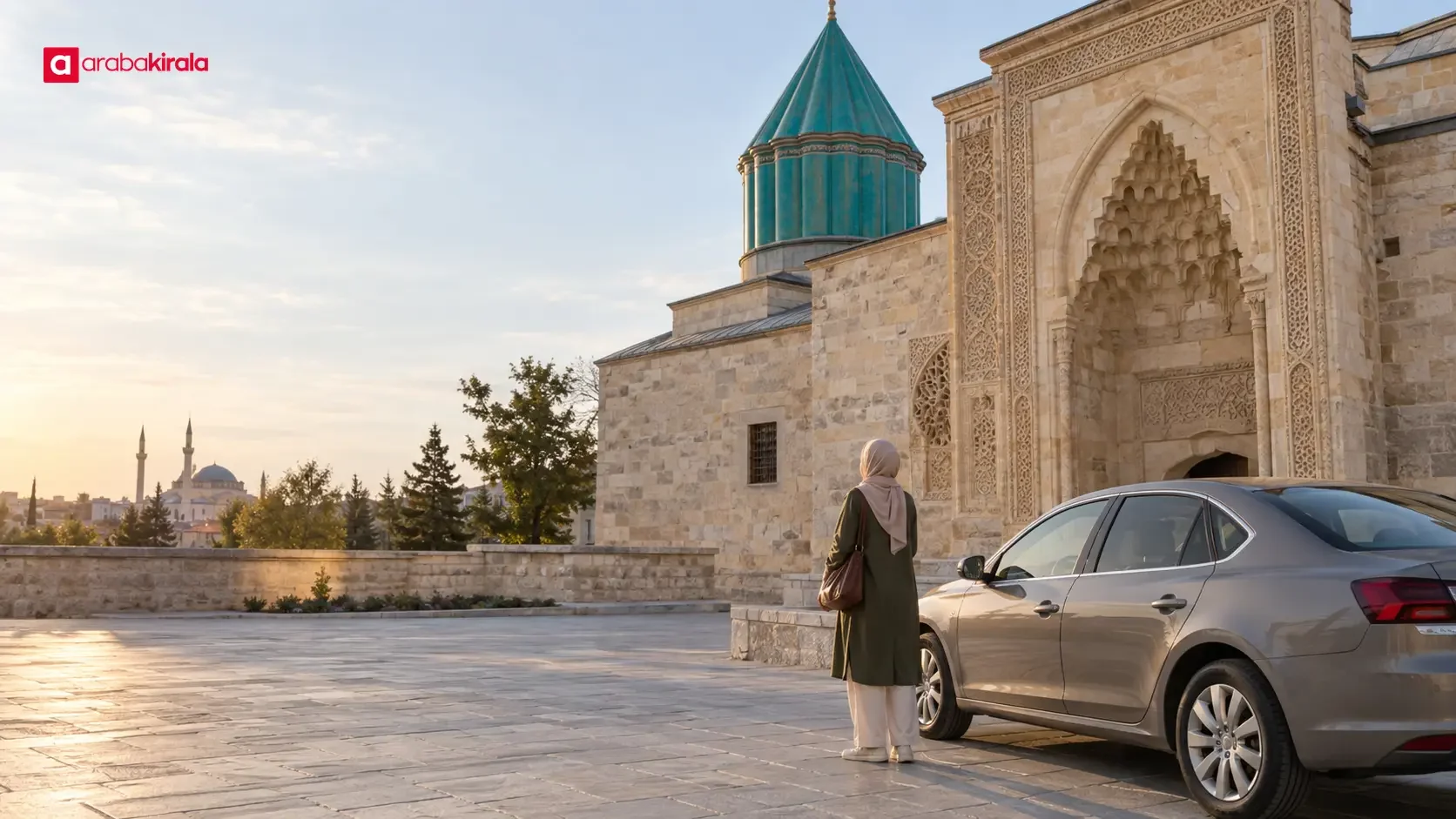
A Konya historic sites by car itinerary can connect several important Seljuk-era landmarks in the city centre without turning the day into a rushed checklist. The useful route is not simply the shortest line between points: time inside museums, access on foot, parking, traffic, and current visiting arrangements all shape the day. This guide explains how to plan a central route, when a short walk may be easier than moving the car, and which rental details to confirm with the branch handling your reservation.
How to plan a historic visit in central Konya
Start by dividing your list into three groups: essential stops, nearby additions if time allows, and places that require a longer drive. This keeps a central day manageable. The Mevlana Museum area, Alaeddin Hill and its historic surroundings, and the Karatay and İnce Minareli madrasas can form the core of a route focused on Konya’s Seljuk heritage.
Check the locations on a current map, but do not assume that a short distance means easy door-to-door access or convenient parking. Museum hours, entry arrangements, and temporary closures can change, so check the relevant museum or public institution notices close to your visit date. A quick exterior look and a full museum visit require very different amounts of time. Set aside an estimate for the interior visit at each main stop.
Central landmarks that tell the Seljuk story
Mevlana Museum and its surroundings
The Mevlana Museum is one of Konya’s best-known cultural stops. Its collections help visitors learn about the life and thought of Mevlana Jalaluddin Rumi. Treat the visit as a central part of the day rather than only a brief photo stop, and respect the character of the site and its visitor arrangements. Streets around the museum may have substantial pedestrian activity. It can be more practical to park in an appropriate place and walk the final stretch; parking availability and charges depend on current signage and local arrangements.
Alaeddin Hill and Alaeddin Mosque
Alaeddin Hill combines an open space with historic traces in the city centre. Alaeddin Mosque is among the significant Seljuk structures in Konya. The visit differs from a museum stop: plan a calm walk, respect the site’s religious and historic character, and follow any visitor guidance around prayer areas. Adjust the time here to the weather, your interest in walking, and the rest of the day’s schedule. Do not assume a car can reach every point on the hill; assess access and parking from on-site directions.
Karatay Madrasa and İnce Minareli Madrasa
Karatay Madrasa and İnce Minareli Madrasa appeal to visitors who want a closer look at Seljuk architecture and museum collections. Stonework, tile decoration, and the layout of each building reward a slower visit. Check which areas are open and what is on display before setting out, and follow the museums’ rules on photography and visitor conduct. These two stops can fit into the same portion of a central itinerary, reducing backtracking. Still, plan any walk or drive between them around actual access and parking conditions.
A sample central route and time management
If opening arrangements suit your date, you might structure the day around a museum-focused morning and a more flexible afternoon outdoors. Give the Mevlana Museum a meaningful visit window first. Before moving to other stops, check the map and local directions. Karatay Madrasa and İnce Minareli Madrasa can make a logical pair. Later, allow a more flexible walk around Alaeddin Hill and the mosque. This is a planning option, not a fixed sequence: opening days, visiting hours, and personal interests may change the best order.
Between visits, budget for parking, walking from the vehicle to the entrance, and returning to the road, not just the driving time shown by a navigation app. Queues or busy periods at museum entrances can affect later stops. If the schedule becomes tight, move one or two places to another day instead of trying to rush through each site. That leaves more room to observe the historic details and helps avoid hurried driving.
When to drive and when to walk
Using a car between central stops offers flexibility and can help if you are continuing to a more distant area or carrying belongings. At the same time, busy pedestrian streets, narrow roads, changing turns, and time spent looking for parking can complicate a central visit. Walking between nearby landmarks may reduce the need to park repeatedly. Check signs, parking information, and local rules to understand where and for how long the vehicle may be left. Do not stop where access is prohibited or blocked.
If your day also includes a destination outside the centre, treat it as a separate part of the itinerary. Combining several short central transfers with a longer out-of-town drive can lead to an unrealistic time estimate. Review the full distance, fuel level, and return timing before leaving. Navigation apps may not reflect every road condition or access restriction perfectly; road signs and safe driving decisions take priority.
Rental-car checks before setting out
At pickup, compare the recorded vehicle condition, fuel level, and odometer reading with what you see. Inspect the interior and exterior so visible condition can be documented accurately. Ask staff about dashboard warning lights you do not understand before driving away. Checking basic safety items such as lights, indicators, wipers, and seat belts is also part of preparing for a trip. Pickup and return odometer records help compare the distance used; ask the branch handling the rental about any mileage allowance or limit.
Read the documents for reservation-specific details such as fuel arrangements, mileage limits, deposits, insurance coverage and excess, additional drivers, return time, and the process for a late return. These terms can depend on the vehicle, reservation, or branch, so do not assume a universal industry rule. Ask for an explanation before signing if a clause is unclear. If someone else is expected to drive, ask the rental branch how that person needs to be recorded and what conditions apply.
Safe and comfortable driving in Konya
In the centre, pay attention to junctions, pedestrian crossings, and areas around parked vehicles. Pedestrians near historic attractions may enter the street from unexpected points, so match your speed to visibility and traffic conditions. Set your destination before moving; do not handle a phone while driving. Keeping the driver’s attention on the road is a basic part of safe travel.
A realistic schedule also supports safer driving. A packed sightseeing plan can create fatigue and pressure to hurry. Think ahead about breaks and the return journey. If weather or traffic changes the plan, simplify the route rather than speeding to reach the next stop. Check the surroundings when leaving a parking space, and watch for pedestrians and cyclists before joining traffic.
Frequently asked questions
Can I visit Konya’s central Seljuk landmarks in one day?
That depends on how many stops you choose and how much time you spend inside museums. A day can include the Mevlana Museum, Alaeddin Hill, Karatay Madrasa, and İnce Minareli Madrasa, but two days can feel more comfortable if you want a longer visit at each place. Check visiting information for your actual date.
Do I need to drive to every place in the historic centre?
No. A car can help with destinations beyond the centre or add flexibility, while walking between nearby central sites can reduce parking searches and repeated moves. Choose based on distance, weather, mobility needs, and the day’s schedule.
Where can I confirm the rental conditions?
Confirm reservation-specific terms for mileage, deposits, additional drivers, insurance, and return arrangements with the branch handling your rental. Review the agreement and pickup record; do not treat general guidance as a particular company’s promise.
Can I change the route during the day?
You can adjust your sightseeing plan, but road access, parking rules, and visiting hours may change. Check the map from a safe place before heading to a new stop, and consult current notices from the relevant institutions. If a change could affect your rental reservation or return arrangement, contact your branch.
The most useful way to explore Konya’s Seljuk heritage by car is to choose a few main stops, allow time to visit them properly, and include short walks in the centre. Check museum information close to your travel date, leave the car only where permitted, and confirm rental details with the branch handling your reservation. That gives the day room for seeing Konya’s historic character, not just travelling between points.
Legal Disclaimer: All content, articles and information on the Araba Kirala website are provided solely to inform users. No information shared on this website constitutes definitive advice or guidance. Araba Kirala Teknoloji A.Ş. and its authors cannot be held responsible for any direct or indirect damages arising from the application of information on the website. For all questions and requests regarding car rental, please contact the office from which you will rent your vehicle.