
What Could Change in F1 Race Distance and Rain Rules for 2027?
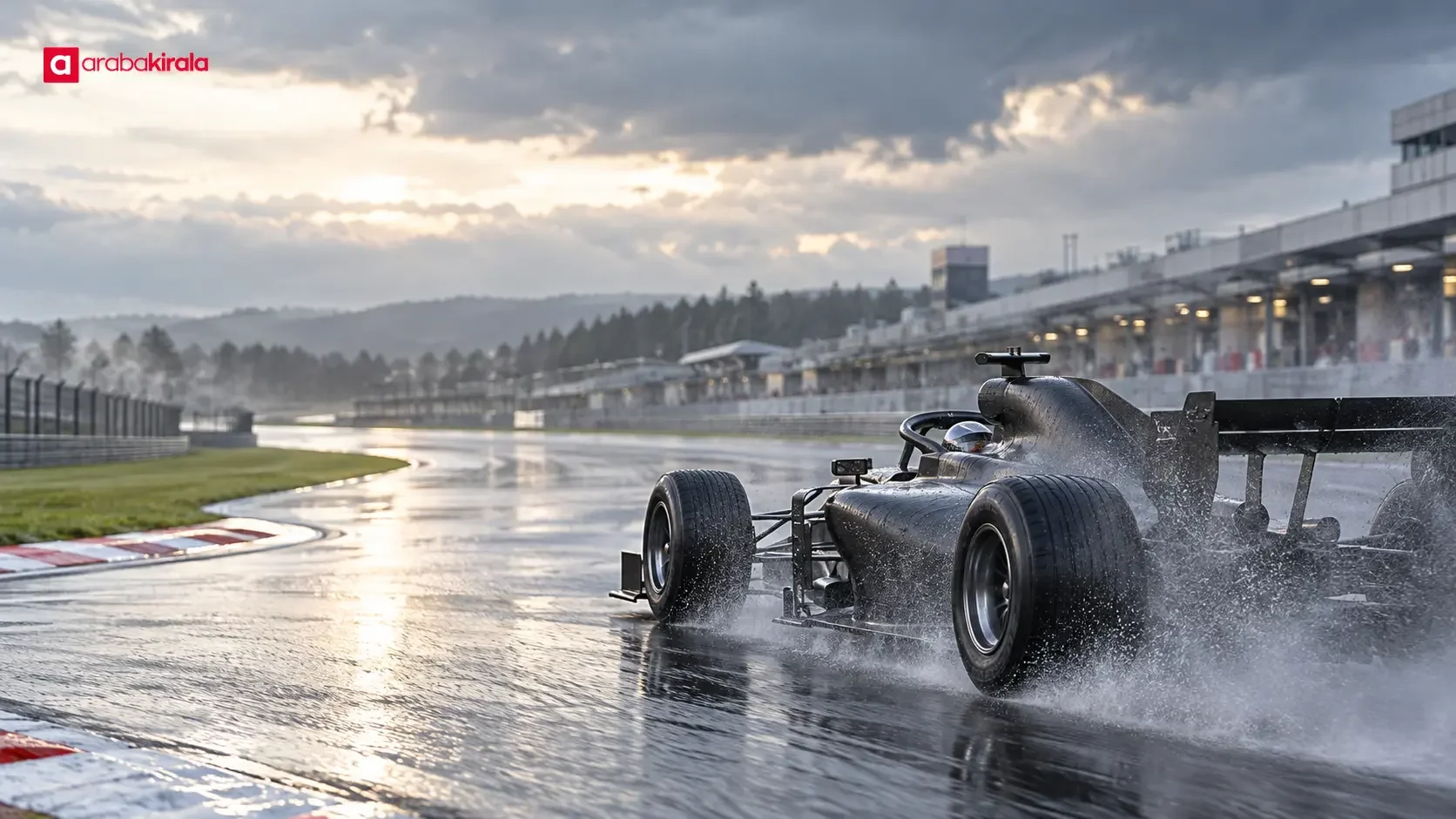
FIA 2027 F1 race distance regulation is a timely search query for readers wondering what may happen to race lengths and rain interruptions. But a topic in a meeting agenda does not prove that a meeting took place or that a rule was adopted. Until the FIA publishes an official decision, its effective date, and the wording that explains how it applies, it would be misleading to describe a specific 2027 change as settled. This guide explains what to look for and how a confirmed amendment could affect a race weekend.
Separate discussion, decision, and implementation
In motorsport, an item being discussed by a commission does not automatically become a rule change. A meeting may include an exchange of views, a request for further work, preparation of draft wording, or a proposal that still requires another approval step. The answer to “what could change?” therefore depends on the official FIA announcement and the relevant regulations, not on a headline alone.
When reading an announcement, establish whether a decision was actually made, which body or process approved it, when it takes effect, and whether it applies only in defined circumstances. Wording such as “proposed,” “under consideration,” or “to be submitted for approval” signals that the text is not necessarily an operative rule. If the purported September 2026 meeting or its outcome cannot be verified, do not present the date or result as a confirmed development.
What can “race distance” refer to?
Although the phrase sounds straightforward, a discussion about race distance can involve several different concepts. These might include the planned overall length of a race, how completed laps are counted, how classification is determined after an interruption, or time limits in the event schedule. Without the exact wording, it is not safe to collapse those topics into one new distance rule.
If an amendment is adopted, its effect could reach from the flow of a race start and finish to how results are determined after a stoppage. Yet the phrase “race distance is changing” alone does not show whether the number of laps, kilometres, or elapsed time will increase or decrease. A change might leave the circuit length, planned lap count, and event format untouched while clarifying only how an interruption is handled.
Details to find in the official text
- Which regulation and which session or event the amendment covers.
- Whether the text concerns distance, lap count, time limits, or classification.
- Whether normal running and interruption scenarios, such as a red flag or restart, are treated separately.
- Whether the effective date is expressly set for the 2027 season.
- Whether the change describes an operational effect for teams, race control, or spectators.
What might change around rain interruptions?
Rain can reduce visibility and grip, changing the conditions in which drivers must control their cars. Race officials may assess whether conditions are safe by considering the state of the circuit, visibility, and whether cars can be controlled. The key distinction is that suspending or delaying a race for safety does not by itself mean that race distance has been redefined. Distance calculations and interruption management may be covered by separate provisions.
Depending on the wording of a proposed amendment, discussion could concern expected running time in wet conditions, the prospect of a restart, the criteria for treating a race as completed, or how results are recorded. These are possible areas of effect, not evidence that the September 2026 meeting made a decision on them. Without the text, avoid claims such as “wet races will be shorter,” “more laps will be completed,” or “the red-flag period will change.”
To follow developments reliably, compare the FIA’s official news and regulation notices with official Formula 1 statements and the current version of the rules. A press release may explain the broad aim while the regulatory text sets out the detail. If the two provide different levels of information, do not expand a news summary into a provision that the rule does not contain. Check the publication date and season too: a proposal for 2027 is not necessarily an operative rule today.
What could spectators and the race calendar notice?
A genuine change to distance or interruption rules could make it easier to understand when a race counts as completed or shape expectations about how lengthy rain delays are managed. For teams, strategy, tyre choice, and decisions about the remaining part of a race may matter. These are conditional effects: until a change is confirmed, it is not possible to say that a particular team strategy or race duration will change.
It is also unwise to assume that every event on the calendar would be affected in the same way. Circuit layout, weather, and the point at which an interruption occurs can shape what happens, while the applicable rules determine what officials may do. The number of laps actually completed can differ from the planned distance. One wet race does not establish a general rule for the whole 2027 season.
A checklist for reading a rule-change report
- Verify the source: Is there an official FIA announcement or regulation text?
- Check the status verbs: Does it describe discussion, a proposal, approval, or an effective rule?
- Identify the scope: Is the change about race distance, interruption procedure, classification, or a time limit?
- Read the conditions: Does it apply only to rain, a red flag, or another defined situation?
- Check the dates: Do the publication date and the season of implementation match?
- Compare the summary with the text: Do not accept a headline’s implication as a rule that is absent from the regulations.
Frequently asked questions
Are the September 2026 F1 Commission decisions confirmed?
They should not be treated as confirmed until the relevant information is verified in an official FIA announcement. An agenda item or reported discussion does not replace a published rule that has taken effect. Check whether an official notice exists and what stage any proposal has reached.
Will F1 races be shorter in 2027?
The query alone does not support that conclusion. A discussion about “distance” could concern how distance is calculated after an interruption rather than the planned lap count. The answer requires the exact amendment, its scope, and its effective date.
Is the aim to run more racing when it rains?
It would be wrong to attribute that aim without a verified decision text. Whether a race can continue in wet conditions depends on safety assessments and the applicable race-management rules. State a purpose for a possible change only if the official announcement says so.
Which sources should I follow?
Start with official FIA announcements and the current sporting regulations. Official Formula 1 statements about the subject can help explain possible implications for spectators. Check the date, version of the rules, and approval status together.
Conclusion
A search for an FIA 2027 F1 race-distance regulation does not mean that the details of a change have been confirmed. Planned race length, interruption management, criteria for completion, and implementation date are distinct elements. Until an official notice appears, keep the language conditional. Once it does, identify the specific amended provision and the circumstances in which it applies.
For informational purposes only. Please contact the branch where you plan to rent for detailed information.