What Is F1 Aerodynamic Load, and How Does It Affect Cornering?
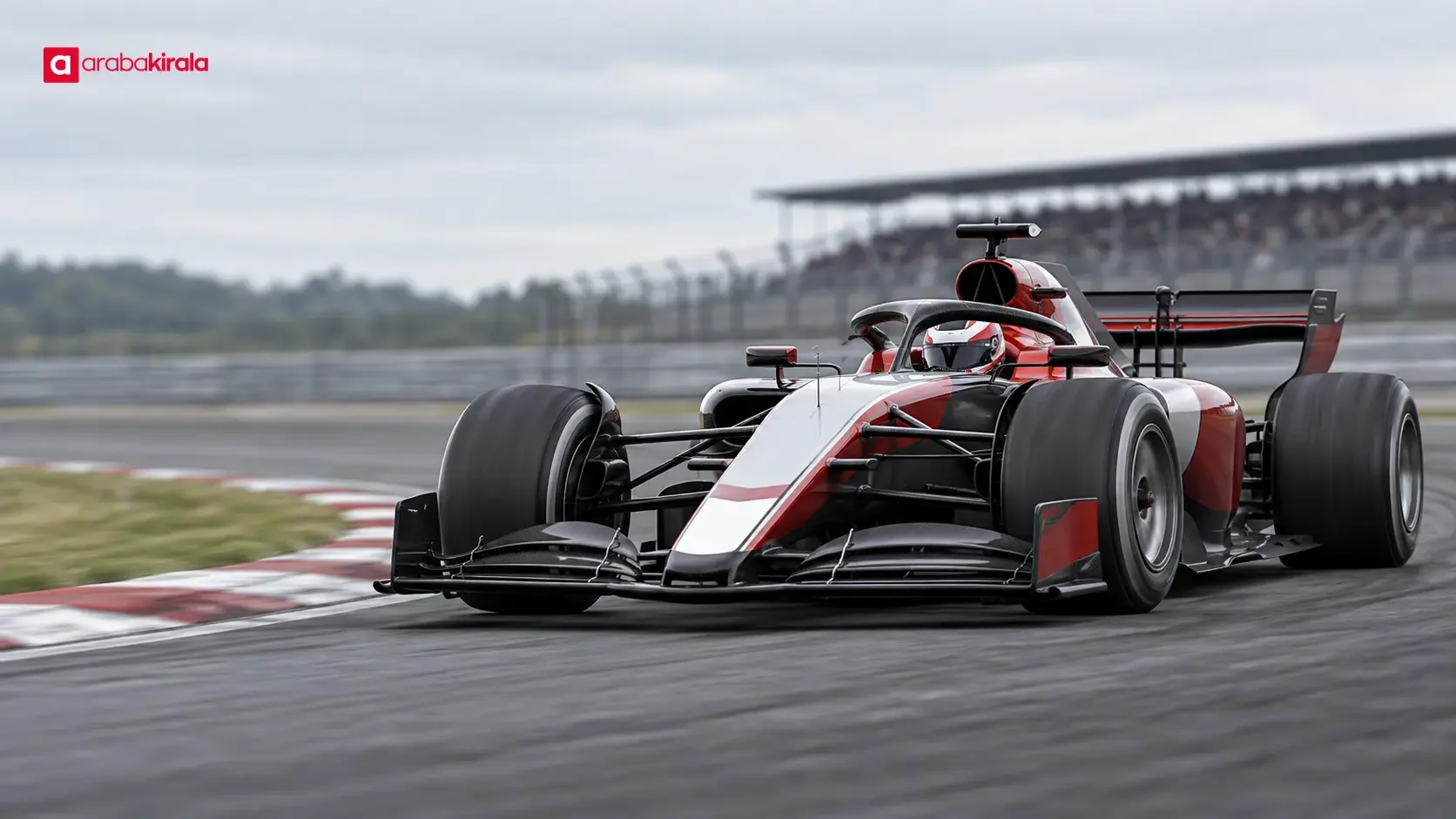
F1 aerodynamic load describes the forces created by airflow that press a moving car toward the track. The most familiar part is downforce: it increases the vertical load on the tires and can help them produce more lateral force in a corner. That support is especially influential in fast turns, where a car’s speed makes aerodynamic forces stronger. Yet more downforce does not automatically mean a faster lap. The airflow that creates it also produces drag, which resists forward motion and can reduce straight-line speed. Teams therefore seek a balance suited to the circuit, the car and the tires.
What does aerodynamic load mean?
As a car travels, its bodywork redirects the air around and beneath it. Wings, the floor, the diffuser and other surfaces shape this flow and the pressure around the car. The resulting aerodynamic forces include lift, which acts away from the track, and downforce, which acts toward it. A Formula 1 car is designed to produce useful, predictable downforce within the technical rules while keeping the airflow as stable as possible.
Downforce does not add mass to the car. It is a force generated by the car’s motion through the air, and its effect grows substantially as speed rises. In a simplified model, aerodynamic force is related to the square of speed. Real performance also depends on airflow conditions, ride height, body movement and how different parts interact. At low speed, aerodynamic support is modest; through a fast corner, it can make a major contribution to the load carried by the tires.
Why downforce matters in a corner
A tire’s grip depends on its construction, temperature, vertical load, road surface and the driver’s steering, braking and throttle inputs. Downforce increases the vertical load on a tire and can raise its capacity to generate lateral force. That lateral force is what allows the car to change direction and follow a curved path. Because downforce rises with speed, its contribution is generally much greater in a fast corner than in a slow hairpin.
The relationship is not perfectly proportional. Tire grip is load-sensitive: doubling the vertical load does not necessarily double the available lateral force. Nor does a larger total load guarantee that the car will handle well. The front and rear tires must receive an appropriate share. If the front axle has too little support relative to the rear, the car may resist turning. If the rear has too little support, it may become unstable, particularly when the driver changes direction or applies power.
What the wings, floor and diffuser do
Front and rear wings
Wings guide airflow and create pressure differences that generate aerodynamic force. The front wing affects front-axle load and the car’s response when it first turns into a corner. The rear wing contributes to rear-axle load and high-speed stability. Their effects are linked: a change to one component can alter the flow reaching another part of the car. For that reason, wing settings cannot be understood in isolation from the full aerodynamic package.
Floor and diffuser
The space beneath the car also contributes to downforce. The floor channels air, and the diffuser helps the flow expand as it leaves the rear of the floor. This arrangement uses a pressure difference between the underside and the air above the car. Ride height, car pitch and disturbed airflow can all affect how well it works. Bumps, kerbs and suspension movement therefore matter: when the car moves relative to the road, the airflow beneath it changes too.
The trade-off between downforce and drag
Producing downforce usually comes with aerodynamic drag. Drag acts against the car’s forward motion. A setup that provides more support through corners can also slow acceleration or limit top speed on a straight. A lower-drag configuration can help the car travel faster along straights, but it may leave less aerodynamic grip available in high-speed turns.
The target is not the largest possible downforce figure. It is a setup that helps the car complete the whole lap quickly. A circuit with many fast corners may reward a configuration that supplies substantial aerodynamic support. A layout with long straights and fewer fast turns can place more value on reducing drag. Teams also consider tire behavior, the car’s operating range, weather, overtaking opportunities and how performance may change during a race.
Aerodynamic balance and the driver’s feel
The distribution of downforce between the front and rear axles matters as much as the overall amount. Greater rear support can help the car feel stable at speed, but the front still needs enough load to turn effectively. More front support can sharpen the car’s response, while an excessive imbalance may make the rear less settled. Aerodynamic balance is therefore one of the factors that shapes how predictable a car feels as its speed changes.
Drivers and engineers describe two common handling behaviors as understeer and oversteer. With understeer, the front tires do not generate enough turning force for the chosen line, so the car tends to run wide. With oversteer, the rear tires lose grip relative to the front and the car rotates more than intended. The driver can feel these tendencies on corner entry, through the middle of a turn and while accelerating out. Aerodynamic balance influences those sensations most strongly at higher speeds.
Speed, ride height and stable airflow
Because aerodynamic forces increase with speed, the car’s height and attitude affect performance. Suspension compression changes the distance between the floor and the track. Braking, acceleration and cornering can also pitch or roll the car, altering the airflow around its surfaces. Designers aim for performance that remains consistent through these movements. Running the car lower is not automatically better: an unsuitable ride height can disrupt airflow, cause contact with the road or make the car harder to control over bumps.
When airflow separates or becomes disturbed, a component may produce less force than expected, or the force may change abruptly. Sudden changes can make a car unpredictable in a fast turn. Aerodynamic support needs to be not only substantial but also consistent as the driver steers and the suspension moves. Engineers therefore consider a range of speeds, corner shapes and vehicle attitudes rather than optimizing for one ideal condition.
Dirty air and following another car
A car leaves a turbulent wake with less orderly airflow behind it. When a following car enters that wake, the air reaching its wings and floor changes. Its downforce and balance may be affected, making it harder to follow closely through fast corners. On a straight, reduced air resistance can instead help the following car gain speed. Those two effects can work in different directions over the same lap, shaping the opportunities and difficulties involved in overtaking.
Formula 1 and the FIA update technical rules and car designs over time to influence how cars follow one another. For claims about a particular season’s regulations or a current car design, the relevant official Formula 1 and FIA technical material should be consulted. The general aerodynamic principle is straightforward: the airflow left by the leading car changes the conditions experienced by the car behind.
How setup decisions affect lap time
Aerodynamic setup is not simply a matter of choosing a wing angle. Teams combine simulations, circuit data and driver feedback to understand corner speeds, tire loads and straight-line performance. A change may help in the middle of one corner while making entry or exit balance worse. A car may gain speed in turns yet lose more on the straights because of added drag. The lap time reflects the combined result, not one isolated measurement.
During practice, telemetry and the driver’s observations help show how the configuration behaves on track. Feedback about where the car resists turning, when the rear moves and how balance changes with speed is considered alongside tire data and lap times. Engineers use these inputs to identify a useful operating range for the conditions. That is why there is rarely a single universally correct aerodynamic setting: the choice depends on the circuit and the car’s needs.
Frequently asked questions
Does aerodynamic load make the car heavier?
No. Downforce is an aerodynamic force created as the car moves through the air. It presses the car toward the track but does not increase its mass. Its effect becomes stronger as speed rises.
Does more downforce always produce a faster lap?
No. More downforce generally brings more drag, which can cost speed on straights. The best compromise depends on how much the circuit rewards cornering support relative to straight-line speed.
How can downforce increase corner speed?
It increases the vertical load on the tires, which can raise their potential to generate lateral force. Tire behavior, balance and the specific corner still set the practical limits.
What happens when a wing angle is increased?
It will generally increase aerodynamic load and drag, though the actual effect depends on the rest of the car and the front-to-rear balance. Engineers assess the full configuration rather than treating the wing as a separate system.
Why does dirty air affect the car behind?
The leading car leaves turbulent airflow that changes what reaches the following car’s wings and floor. That can reduce or destabilize aerodynamic support, particularly through fast corners.
Key points
F1 aerodynamic load helps press a car toward the track so its tires can generate force in corners. Its contribution grows with speed, making it especially important in fast turns. But generating downforce also creates drag, and the front-to-rear distribution affects handling. Wings, floor and diffuser work together, while ride height, tire behavior, circuit layout and the wake of another car all shape the result. Understanding those connections explains why Formula 1 performance depends on more than engine power and why teams tune their aerodynamic package to each circuit’s demands.
Legal Disclaimer: All content, articles and information on the Araba Kirala website are provided solely to inform users. No information shared on this website constitutes definitive advice or guidance. Araba Kirala Teknoloji A.Ş. and its authors cannot be held responsible for any direct or indirect damages arising from the application of information on the website. For all questions and requests regarding car rental, please contact the office from which you will rent your vehicle.