F1 Car Checks: What Seals and Component Inspections Do
Published: October 6, 2026 • Reading Time: 7 min • Last Updated: October 6, 2026
Learn how seals, parc fermé rules and technical inspections help verify Formula 1 cars and support fair competition.
Contents
- Why does Formula 1 inspect its cars?
- What does a seal protect, and what does it not prove?
- What if a seal is broken?
- Parc fermé: a period when changes to the car are restricted
- Which parts and properties can the FIA inspect?
- Why use measurements and component examinations together?
- How does the inspection process work over a race weekend?
- Why do F1 car checks matter to viewers?
- A quick guide to following technical checks
- Frequently asked questions
- Are all parts of an F1 car sealed?
- Can no work be done on a sealed car?
- Who assesses the outcome of a technical inspection?
- Summary: seals, records and inspections work together
F1 car checks examine more than whether a car is fast on track. They also verify whether it has been prepared and operated within the technical rules. This guide explains what seals are meant to track, how parc fermé works, why FIA officials inspect components, and how these controls help make results more trustworthy.
Why does Formula 1 inspect its cars?
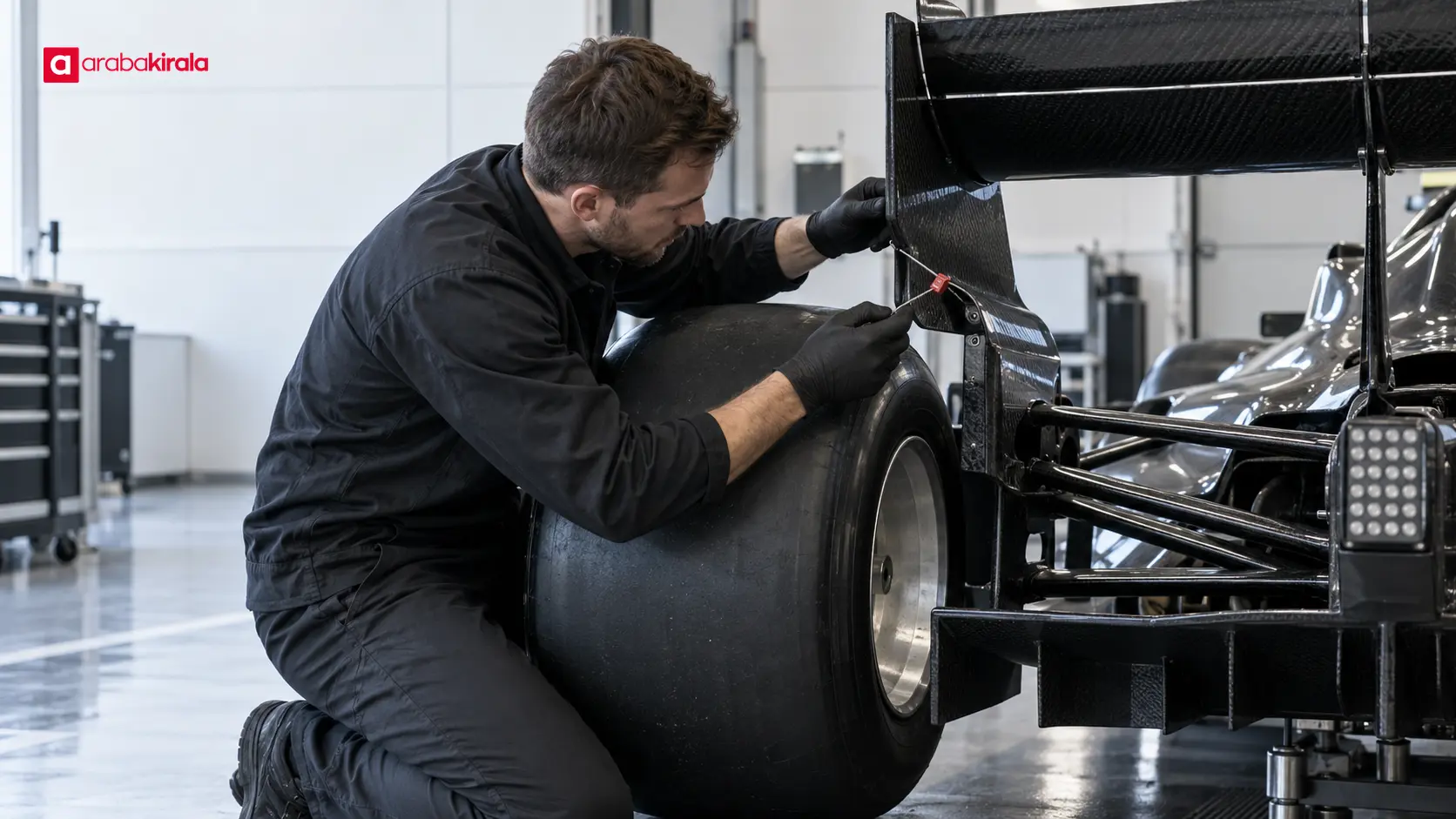
Formula 1 cars are complex machines whose performance can change with small differences in design and set-up. Technical regulations establish requirements for areas such as dimensions, components, weight and operation. FIA technical officials and scrutineers check cars at different points during a race weekend to assess compliance. Initial checks include declarations and inspections related to a car’s eligibility to compete. Later, officials may examine selected cars or components in more detail.
Finding a breach is not the only purpose. The process is intended to apply common rules to all competitors, keep the technical playing field consistent and help ensure that cars are fit to run. Scrutiny can continue after a session or the race: measurements, component examinations and technical findings may be recorded for further review.
What does a seal protect, and what does it not prove?
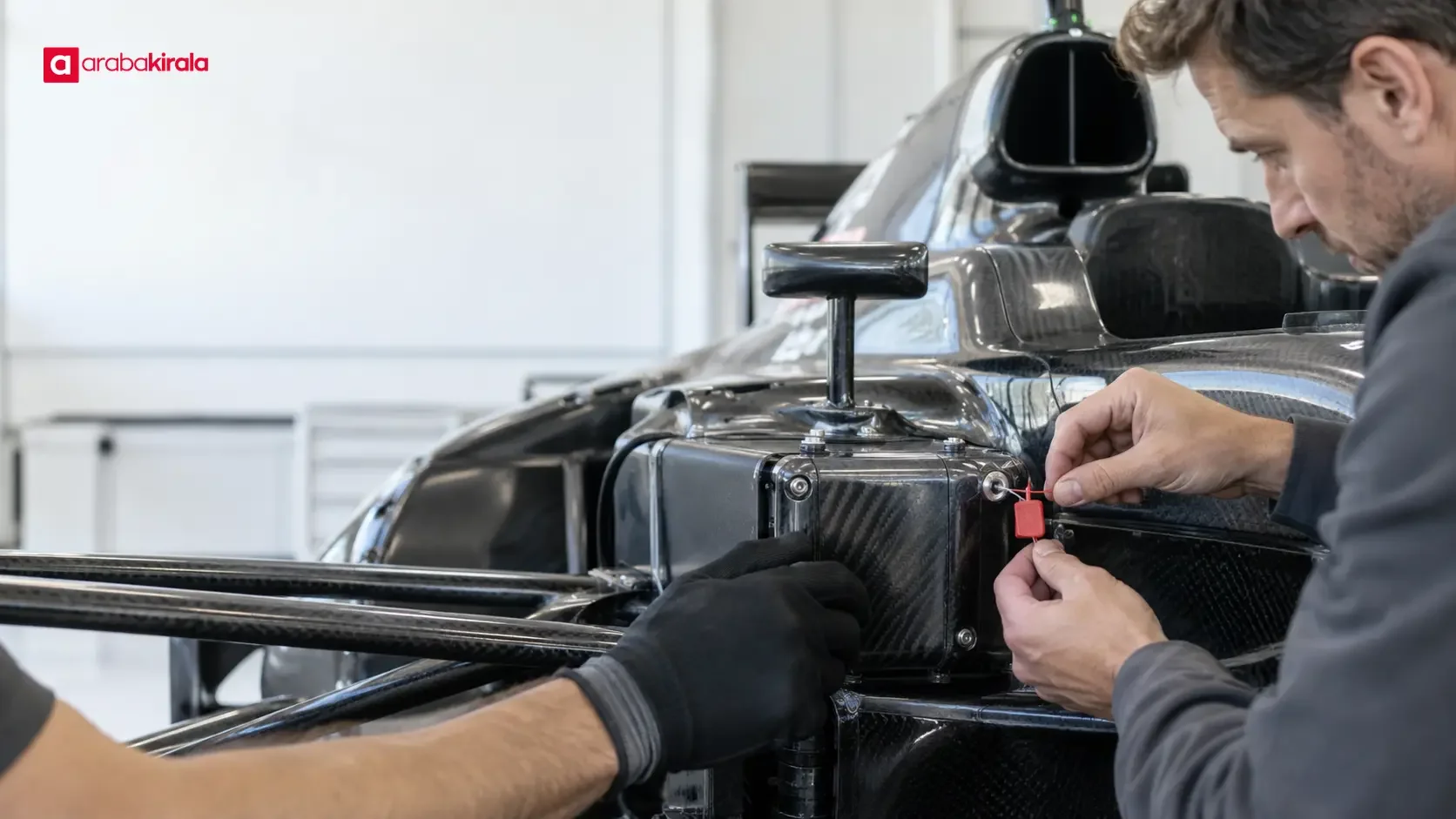
A seal is a physical marker used to track whether a specific component or access point has been disturbed without authorisation. It is designed so that removal or breakage can be noticed. The FIA may apply seals where it considers access needs to be monitored under the applicable rules. Important assemblies such as power units and gearboxes may be sealed, as can other locations judged relevant to an inspection. This does not mean every car always has seals in exactly the same places.
A seal alone does not prove that a component complies with every technical requirement. It mainly helps establish whether access or a change occurred after sealing. Dimensions, construction, function and other technical properties may need separate checks. Sealing and inspection therefore complement one another: one helps monitor intervention; the other evaluates whether the component complies with the rules.
What if a seal is broken?
If a seal appears damaged or missing, officials may examine how that happened and whether the component was changed or accessed. The observation does not automatically determine a particular outcome. Assessment depends on the circumstances, the applicable rules and the officials’ findings. Where the regulations permit a change or require approval, it may be reported and checked through the formal process. A seal should not be treated as a label a team may open whenever it chooses.
Parc fermé: a period when changes to the car are restricted
Parc fermé means “closed park,” but in F1 it describes a set of controls that govern what can be done to a car after a session and before the race. It is not only a physical parking area. Even when a car is back in its team garage, rules can restrict unauthorised set-up changes or component swaps. Under the FIA’s published framework, the period from qualifying to the race start is a central example at a standard-format weekend; sprint weekends have their own timing.
The main purpose is to preserve technical continuity between the car used in qualifying and the one that starts the race. The restrictions help prevent teams from rebuilding the car into a different technical configuration for race day after qualifying. However, not every maintenance or intervention is forbidden. The regulations allow specified safety checks and limited work, carried out under official supervision. The details of permitted work can depend on the event format and the current regulations, so a single list should not be assumed to apply unchanged to every race.
Which parts and properties can the FIA inspect?
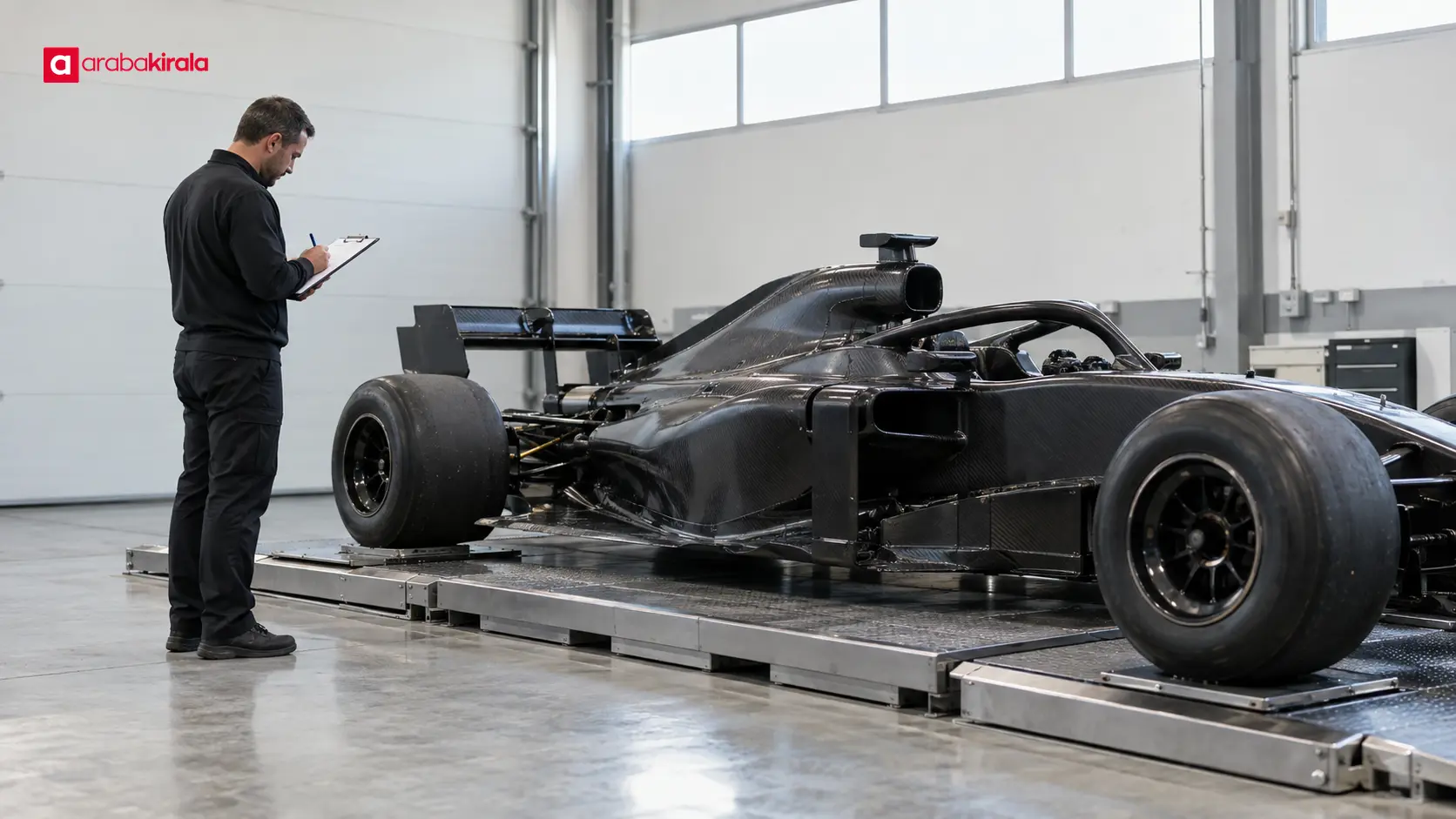
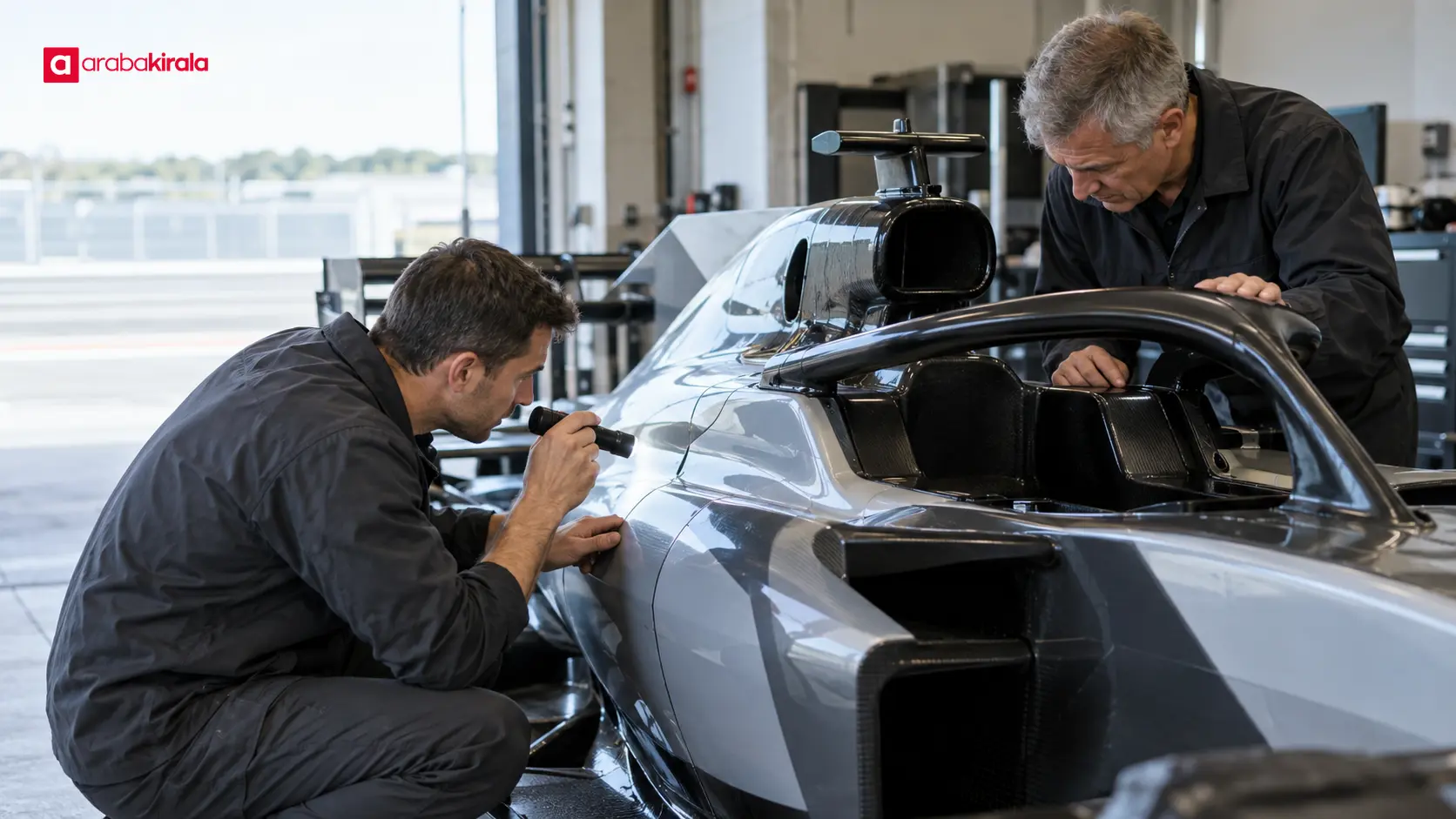
Checks use different methods to test a car’s compliance. A car may be weighed; component dimensions, bodywork surfaces, mechanical assemblies and technical systems used during a session may be examined. Some checks are visible measurements. Others may require a component to be removed, a sample to be supplied or a part to be compared with technical documentation. The regulations set out officials’ authority to assess compliance during an event, require dismantling where needed and request parts or samples for examination.
Not every component of every car receives the same level of scrutiny at every session. Routine checks may be combined with additional examinations of selected cars or parts. Selection means teams cannot know with certainty in advance which specific component will receive detailed attention and when. Compliance is therefore not reduced to one visible measurement: technical records, physical parts and, where necessary, deeper analysis can all contribute.
Why use measurements and component examinations together?
A measurement can show whether a particular dimension or value meets a rule, but it may not explain a component’s history or internal construction. Removing and examining a part, comparing it with technical drawings or analysing a sample can provide more complete evidence. In turn, seals and identification records help trace which component a sample came from. Multiple layers of checks provide a stronger basis for assessing technical compliance in highly complex cars.
How does the inspection process work over a race weekend?
First, a team submits the information and declarations required for the car’s initial scrutiny. Officials may then carry out checks at suitable points during the event. After qualifying, cars can be covered and sealed; officials monitor sealed cars and any work allowed under the rules. Covers may be removed before the race while parc fermé conditions remain in force until the start. After the race, a car may be weighed or selected for additional examination. The sequence depends on the event format and the current FIA regulations.
If an unusual finding arises, technical officials can document it and the stewards can consider it under the applicable rules. Visible damage or a seal issue is not, on its own, a final decision; the part, records and circumstances are assessed together. For viewers, the distinction matters: inspection is a process, while an outcome follows an assessment of evidence and regulations.
Why do F1 car checks matter to viewers?
On-track performance cannot be explained only by driver skill or speed. Technical limits shape how teams may develop their cars. Seals and inspections help ensure that these limits are applied in practice, rather than remaining words on a page. The ability to inspect a car before and after a race also supports accountability in how the rules are applied.
This does not mean every technical difference is misconduct. Design variety and engineering solutions are part of Formula 1; the role of scrutiny is to assess where innovation sits in relation to the rules. A compliant design can still deliver an advantage. If officials find a possible breach, the matter is assessed through technical evidence and the sporting procedures. Keeping that distinction in mind helps viewers avoid jumping to conclusions when a car is examined.
A quick guide to following technical checks
- Separate sealing from compliance: A seal helps track access or intervention; it does not establish full compliance by itself.
- Think of parc fermé as a period: The car is under regulated oversight for a defined time; the physical boundary of the parking area is not the only measure.
- Expect checks to vary in scope: Cars and components are not all examined in the same way at every session.
- Wait for official findings: A visible mark or damaged seal alone may not be enough to establish a technical breach.
- Check the current regulations: Sporting rules and inspection procedures can change between seasons. The relevant FIA regulations are the source for precise timing and permitted work.
Frequently asked questions
Are all parts of an F1 car sealed?
No. Seals are a tool for monitoring specific parts or access points. Which locations are sealed depends on the FIA’s inspection needs and the applicable regulations. The absence of a seal does not mean a part is unchecked or outside the rules; other inspection methods may be used.
Can no work be done on a sealed car?
The sporting regulations define what work is permitted during parc fermé. Some limited tasks may be allowed under official supervision. Other interventions may require a formal request or approval under the rules. It is therefore inaccurate to say that nothing can be done, just as it would be inaccurate to say a team can do whatever it wants.
Who assesses the outcome of a technical inspection?
Officials record measurements and inspection findings. Any possible breach is considered by the authorised stewards under the relevant regulations. Technical findings and the final sporting decision are separate stages.
Summary: seals, records and inspections work together
F1 car checks combine initial scrutiny, measurement, component examination, sealing and parc fermé oversight. Seals help track access to specific locations; technical compliance is assessed separately through measurements and inspections. Together, these layers help cars compete under shared rules and make technical findings reviewable. When following a case, start with the FIA regulations for the relevant event, then look for official technical reports and decisions. A single image is not enough to establish a conclusion.
Legal Disclaimer: All content, articles and information on the Araba Kirala website are provided solely to inform users. No information shared on this website constitutes definitive advice or guidance. Araba Kirala Teknoloji A.Ş. and its authors cannot be held responsible for any direct or indirect damages arising from the application of information on the website. For all questions and requests regarding car rental, please contact the office from which you will rent your vehicle.