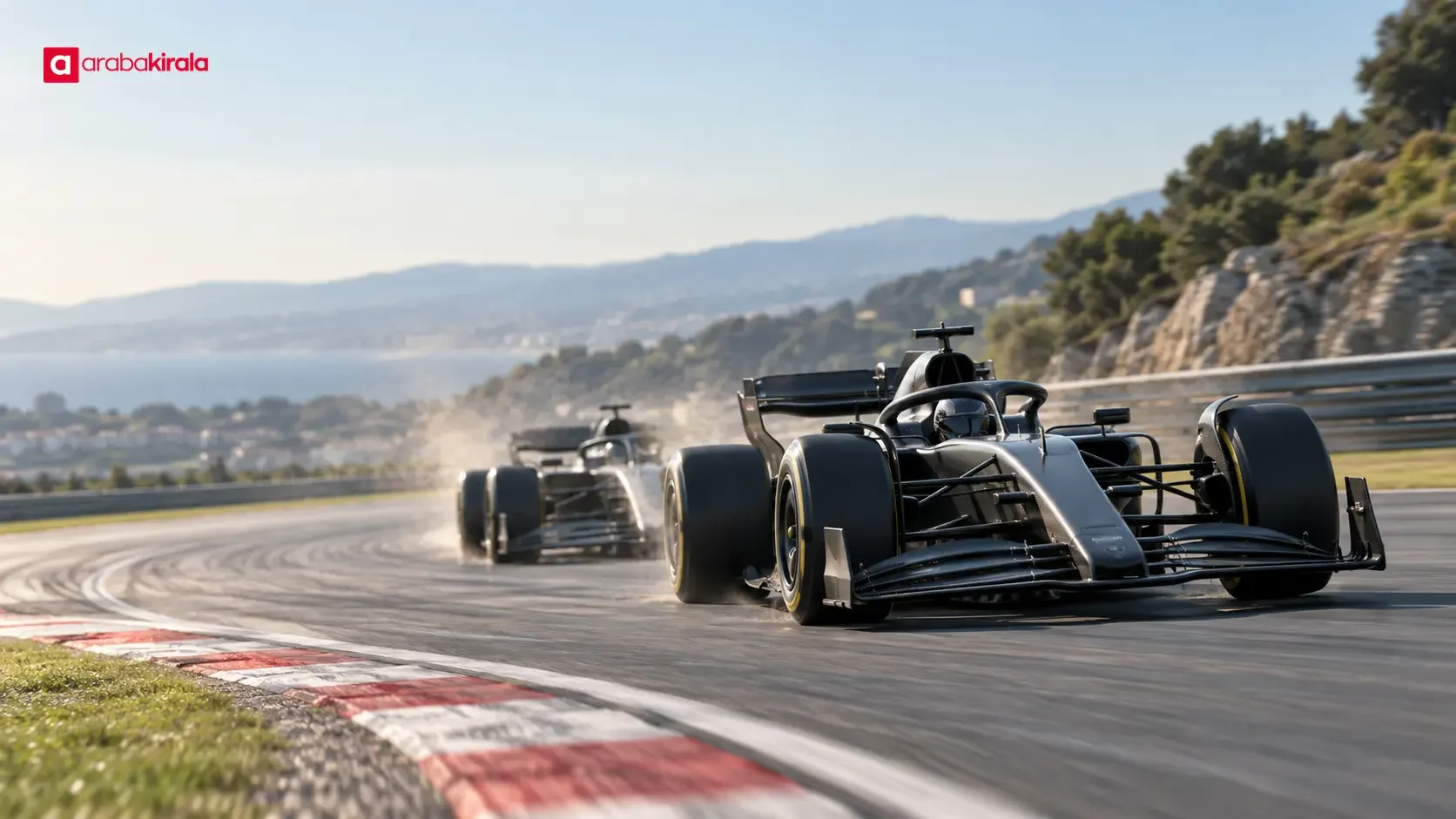
F1 Dirty Air: How It Affects the Car Following
Published: October 5, 2026 • Reading Time: 6 min • Last Updated: October 5, 2026
Dirty air can change downforce, cornering balance, tyre management and overtaking chances in Formula 1. Learn how turbulent airflow forms and why following closely can be difficult.
Contents
- What is dirty air and how does it form?
- What changes for the following car?
- Downforce and grip
- Tyre temperature and wear
- Why can dirty air make overtaking harder?
- What was the aim of the 2022 aerodynamic approach?
- What to watch for during a race
- Frequently asked questions
- Are dirty air and a tow the same thing?
- Does dirty air make a car slower?
- Are all F1 cars affected equally?
- Summary and next step
In Formula 1, dirty air is the disturbed, turbulent airflow left behind a racing car. This guide explains how F1 dirty air can affect the following car’s downforce, grip through corners and chances to pass, why a tow on a straight can work differently, and what the 2022 aerodynamic approach set out to improve.
What is dirty air and how does it form?
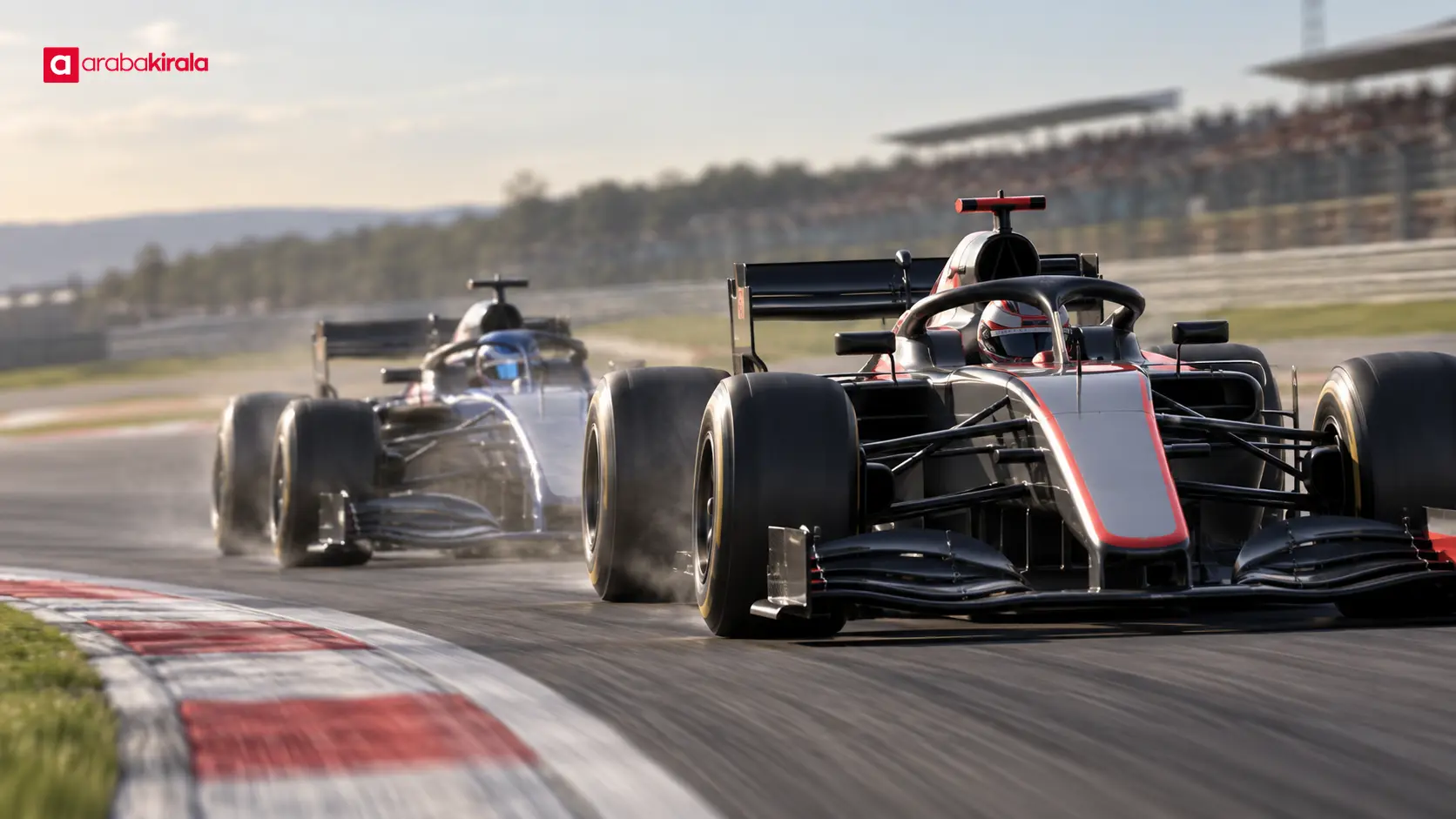
A Formula 1 car manages the air around its wings, bodywork, floor and wheels. As it moves, it redirects the airflow and leaves a wake in which air travels at different speeds and in less orderly directions. The disrupted region behind the car is commonly called dirty air. The term describes airflow quality; it does not refer to air pollution.
The front and rear wings and the floor use airflow to create downforce. Downforce presses the car towards the track and helps its tyres generate lateral force in a corner. When the air reaching the following car’s aerodynamic surfaces is disturbed, those surfaces may work less efficiently and the car can lose downforce or experience a change in balance. The effect depends on distance, positioning, speed, corner shape and the aerodynamic design of each car.
What changes for the following car?
Downforce and grip
Turbulent air behind the leading car can make it harder for the following car’s wings and floor to operate efficiently. If downforce falls, the aerodynamic load pressing the tyres towards the track also falls. In faster corners, a driver may find the car less settled, with the front struggling to turn in or the rear harder to keep in line. Those sensations do not prove dirty air is the only cause: tyre condition, setup, wind and the track surface also shape the car’s behaviour.
The effect is not simply “less grip.” The front and rear axles may not be affected equally, so the balance can change as well. The driver may need to adjust braking, steering and the point at which they apply power. A larger gap can allow the disturbed wake to disperse, but track position, corner geometry and speed changes mean the outcome is not identical in every situation.
Tyre temperature and wear
If the car cannot hold the expected line, the driver may need more corrections through a corner. Sliding and changing loads can make tyre management more difficult. Excessive tyre temperature can affect grip and durability, but the direction and scale of any temperature change depend on the tyre compound, track conditions, driving style and the stage of the race. Dirty air therefore does not produce the same visible effect on every car or every lap.
Why can dirty air make overtaking harder?
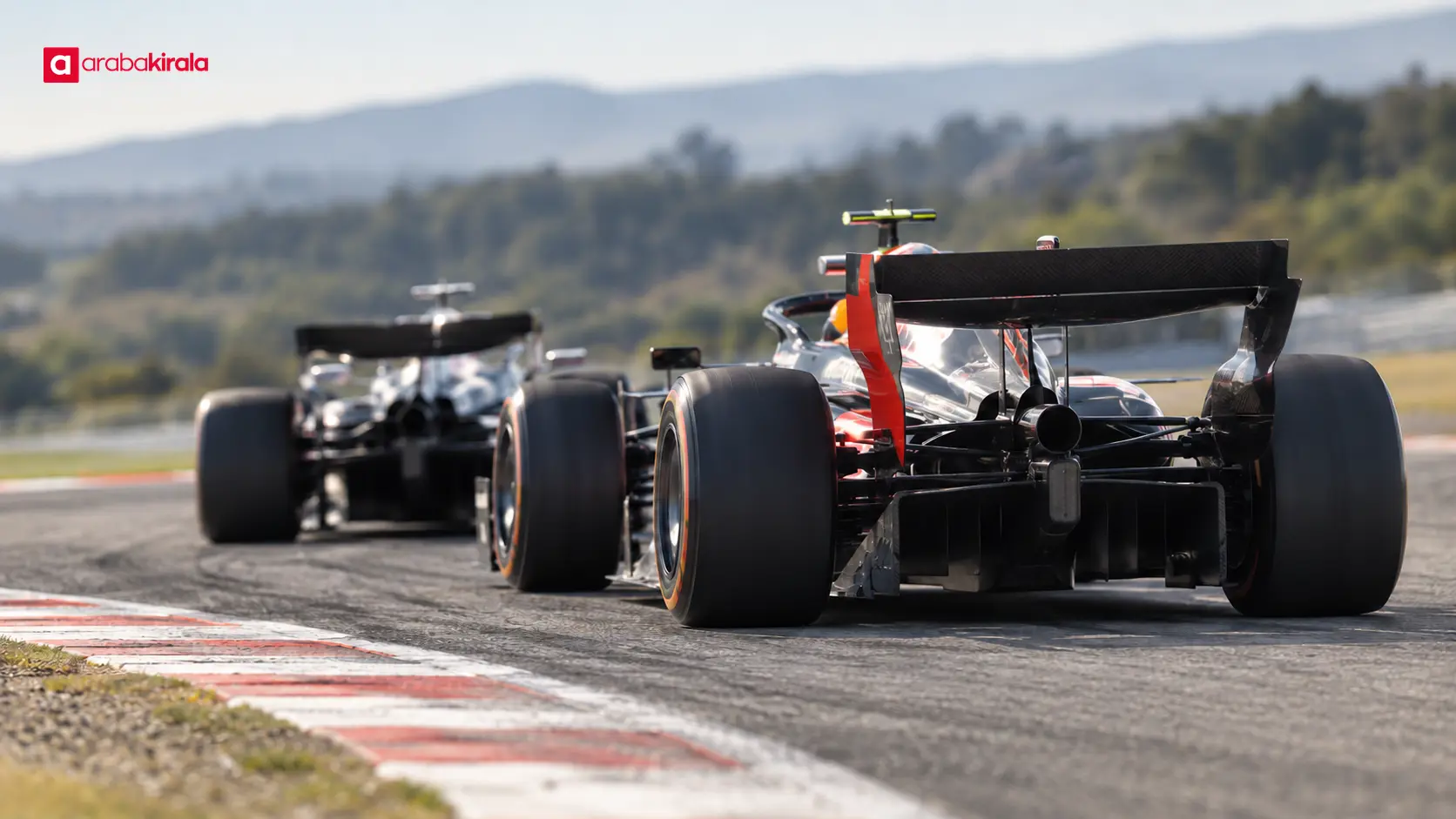
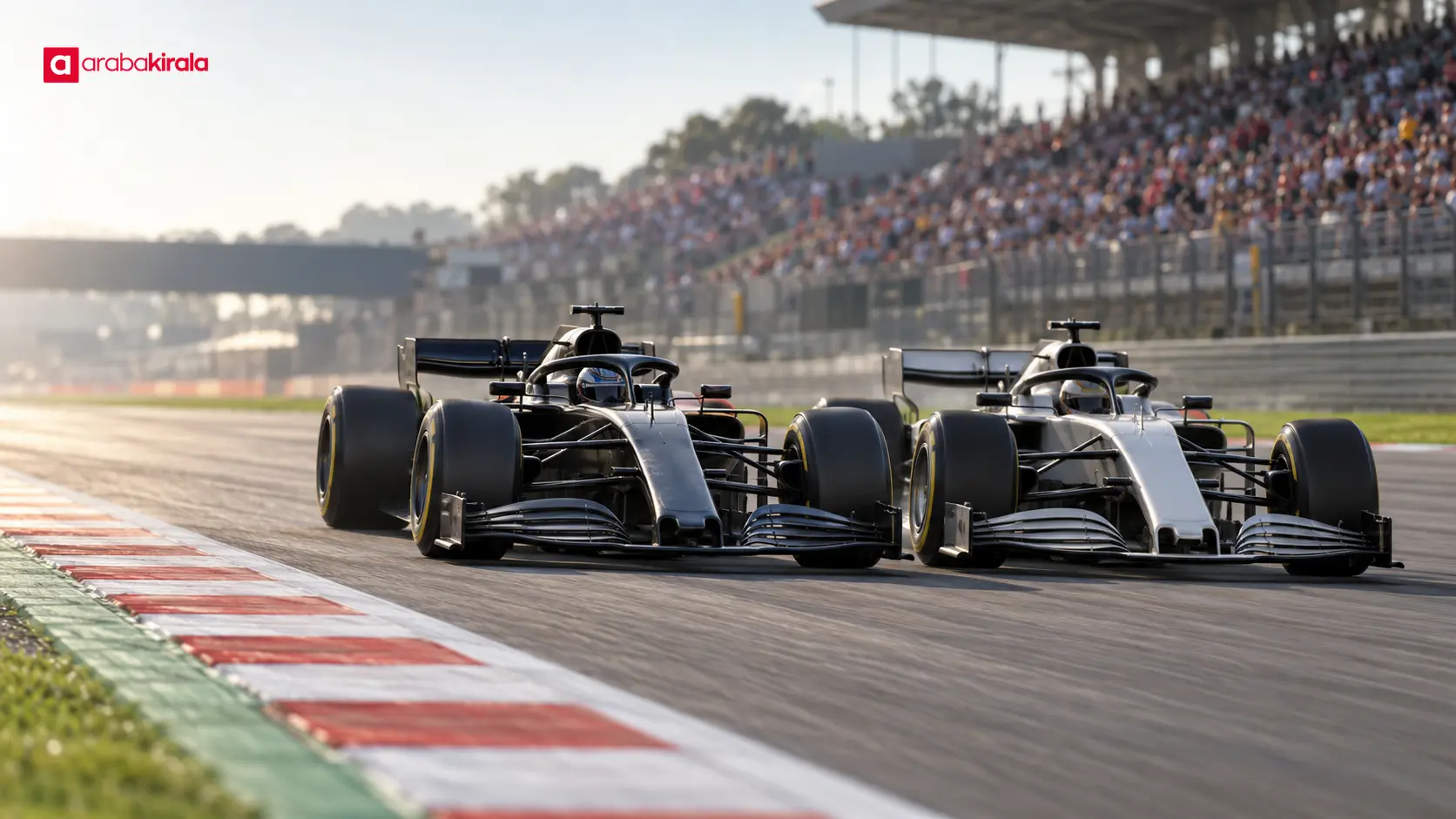
If the following car loses downforce and balance in corners, it may struggle to stay close to the car ahead. When the gap opens, building the proximity needed for a move on the next straight becomes harder. At the same time, following another car can reduce air resistance in some conditions and help the chasing car gain speed on a straight. These effects point in different directions: disturbed airflow can make cornering harder, while a tow can help the car close in on a straight. The result depends on the circuit layout and the cars’ speeds.
It is therefore inaccurate to say that running behind another car is always slower, or that a tow guarantees a pass. A driver who stays close through a corner may look for an advantage on the straight, but a loss of grip in the corner can reduce exit speed and weaken the opportunity. Systems such as DRS are also subject to the sport’s rules and designated conditions; they do not remove dirty air by themselves.
What was the aim of the 2022 aerodynamic approach?
One goal of the 2022 car design developed by Formula 1 and the FIA was to make it easier for cars to follow one another more closely. The design gave a greater role to the floor and ground effect, while using solutions intended to make the wake from the bodywork narrower and direct it higher. The intention was to disturb the airflow reaching a following car’s front wing and floor less, helping cars remain close.
This did not eliminate dirty air. Racing cars still redirect airflow and leave a wake. Rules and team development choices can change over time, so figures describing downforce losses in earlier seasons should not be treated as universal values for all current cars. The useful general point is that design rules aim to reduce the impact, while close following remains a complex interaction between the car and circuit conditions.
What to watch for during a race
- Compare corner entry and exit: If the following car loses ground through a corner and closes again on exit, aerodynamic balance and exit speed may be part of the story.
- Watch how the gap changes: A car gaining or losing ground alone does not prove dirty air is responsible. Tyres, speed differences, fuel load and driver choices also matter.
- Look at straights and corners together: A car that closes on a straight but drops back in a corner may show how lower drag and reduced downforce can have different effects.
- Avoid drawing a firm conclusion from one lap: The same car can respond differently on another tyre set or section of track. The broader race pattern is more informative.
Frequently asked questions
Are dirty air and a tow the same thing?
No. Dirty air is the disturbed flow behind a car. A tow is the potential reduction in air resistance for a following car in some conditions. Both can occur when one car follows another, but different effects may matter at different moments.
Does dirty air make a car slower?
Reduced or altered aerodynamic load can make it harder to maintain speed, particularly in corners. On a straight, lower air resistance may help the following car close the gap. There is no single rule that it always slows the car; position and circumstances matter.
Are all F1 cars affected equally?
No. Aerodynamic design, the circuit’s mix of fast and slow corners, following distance, wind and tyre condition all influence the result. The gap between two cars alone is not enough to make a certain performance diagnosis.
Summary and next step
F1 dirty air is the disturbed flow left by the car ahead, which can affect the wings and floor of the car following. A loss or change in downforce may complicate cornering grip and tyre management, while reduced drag on a straight can help the car close in. Watch the car’s behaviour through both corners and straights, and avoid assigning a definite cause from one sign. For a deeper look, consult FIA technical material on car aerodynamics and following-car design.
Legal Disclaimer: All content, articles and information on the Araba Kirala website are provided solely to inform users. No information shared on this website constitutes definitive advice or guidance. Araba Kirala Teknoloji A.Ş. and its authors cannot be held responsible for any direct or indirect damages arising from the application of information on the website. For all questions and requests regarding car rental, please contact the office from which you will rent your vehicle.