Why Track Position and Clean Air Matter in F1 Race Strategy
Published: October 10, 2026 • Reading Time: 7 min • Last Updated: October 10, 2026
A practical guide to how track position, clean air, and turbulent air affect Formula 1 pace, tire use, overtaking, and pit decisions.
Contents
In Formula 1, track position describes where a car sits relative to its rivals, while clean air means it can run without another car close enough ahead to disturb the airflow. This guide explains why both ideas matter to pace, tires, overtaking, and pit-stop decisions. Understanding race strategy means looking beyond whether a car is fast: its place in traffic can shape how much of that speed the driver can use.
What does track position mean?
Track position is more than a place in the running order. It also includes the gaps to cars ahead and behind, whether a driver has open track or is caught in traffic, and where rivals on different strategies are located. A car may have strong lap pace yet struggle to convert it into a position gain if the circuit makes passing difficult and the car ahead can defend effectively.
The value of position depends on the circuit. A track with long straights and several passing opportunities may give a following car more chances to attack. On a narrow or twisty circuit, where cars have fewer opportunities to run side by side, the driver ahead may find it easier to hold position. The effect of a starting place therefore varies from one race venue to another.
Clean air and turbulent air
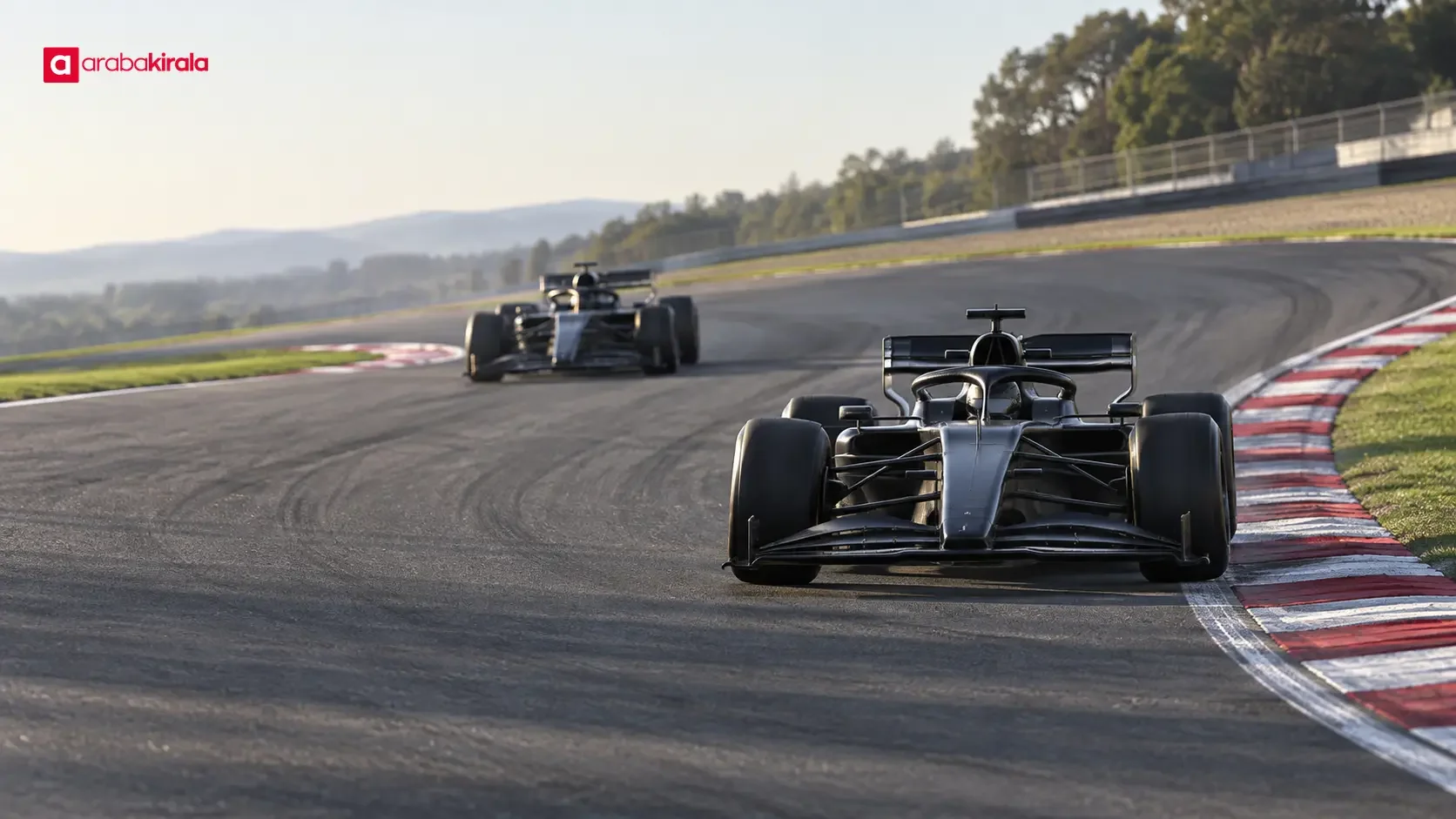
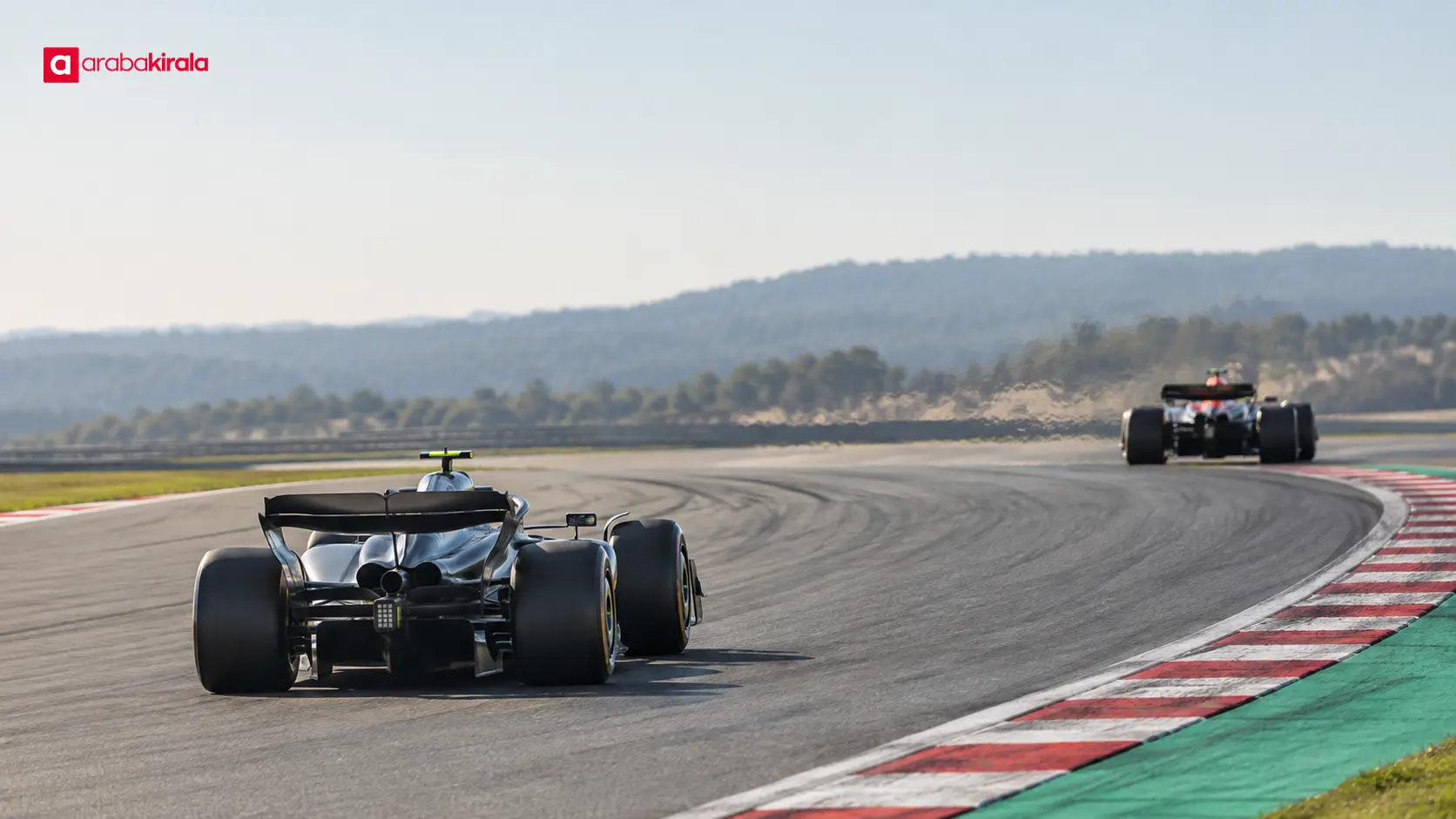
A car moving through the air leaves a disturbed wake behind it. A following car that enters this wake is often said to be running in turbulent or “dirty” air. Clean air describes the more consistent airflow a car encounters when there is no nearby car ahead causing a significant disturbance. The distinction matters because airflow affects how a car behaves, especially through corners.
Formula 1 cars rely on aerodynamic surfaces to generate a substantial share of their grip. In a disturbed wake, the amount or balance of that aerodynamic load can change, making it harder for the following car to maintain grip and a predictable front end in corners. The driver may struggle to stay close while holding the ideal line. In cleaner air, the car can behave more consistently in the conditions for which it is set up.
The effect does not follow one fixed distance. The gap between cars, speed, circuit section, wind, and car setup all matter. There is no universal time gap that guarantees a following driver will be unaffected. Teams combine telemetry with driver feedback to judge how a particular race is unfolding.
How clean air affects pace
Corner balance and driver confidence
The airflow behind another car can change the balance a following driver expects on corner entry and through the middle of a turn. The car may slide more or respond differently at the front, so the driver may need to adjust braking, line choice, or the point at which they apply the throttle. Cleaner air removes one source of variation and can make the car easier to drive consistently.
Tire load and temperature
If close following leads to extra sliding or repeated corrections, the tires may face greater demands. Tire temperature, load, and wear depend on the conditions, and clean air alone does not guarantee longer tire life. A stable car can, however, help a driver manage tire loads more consistently. Teams assess tire condition using lap times, telemetry, and driver reports together.
This does not mean that following distance alone determines tire wear. Track temperature, grip, car setup, driving style, and tire compound also matter. A car running well in clean air should not automatically be assumed to have tires that will last longer in every situation.
Track position, overtaking, and defending
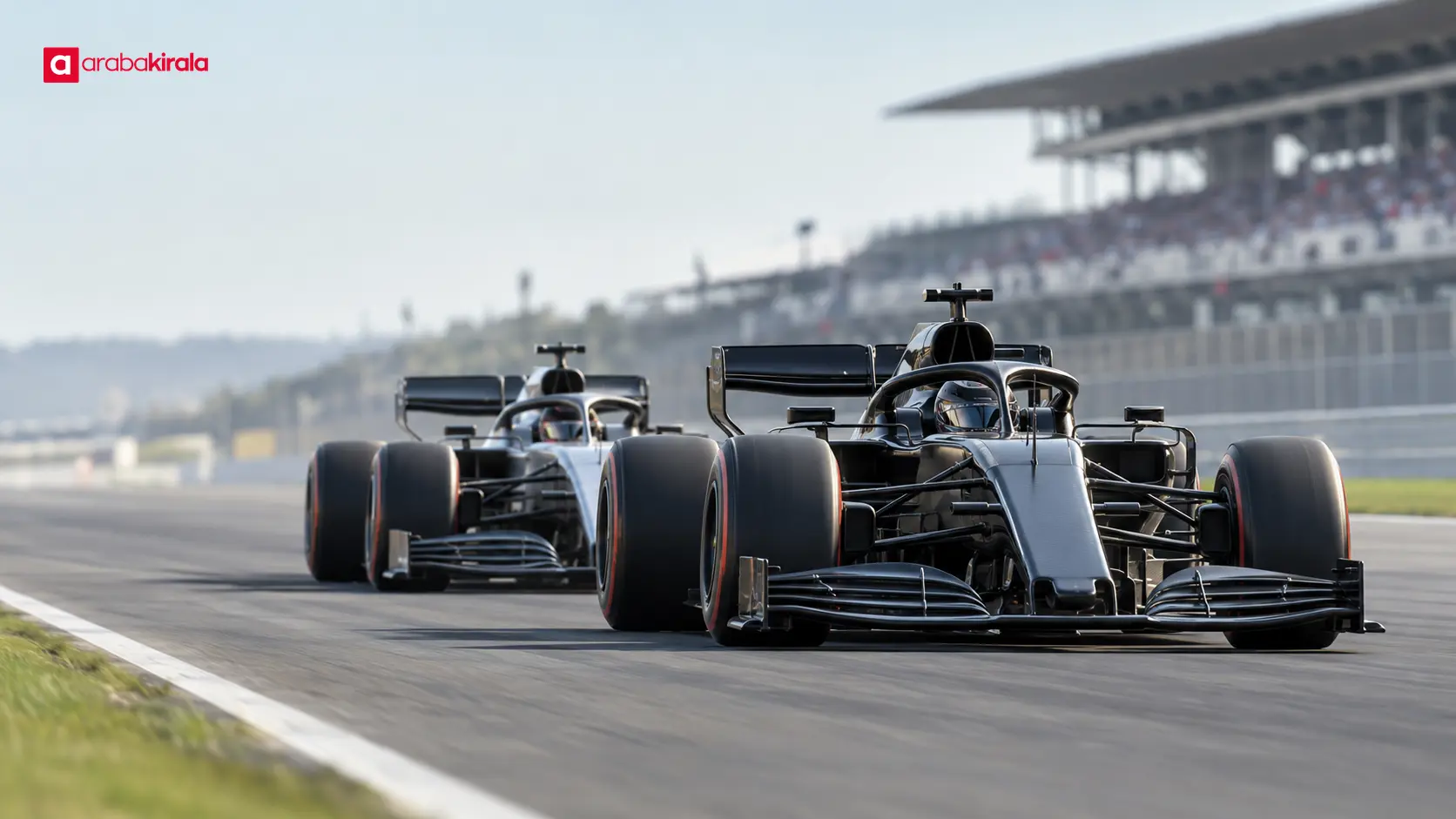
Disturbed air can make it harder to follow closely through corners, while a following car may gain speed from the wake on a straight. That can help it reach an overtaking zone, but the airflow does not complete a pass by itself. Braking, line choice, tire condition, and the circuit’s available passing space all affect whether a move succeeds.
The driver ahead may defend track position. A following driver often has to prepare an attack before reaching the end of the straight, because speed on the straight depends partly on how well the car exited the previous corner. The contest can therefore develop across several corners and straights rather than at a single braking point.
The value of position can also shift as tire condition and strategy diverge. A car on newer tires may lap faster but lose time in traffic. Another driver may stay out longer, accepting a temporary position loss in the hope of gaining a better situation later. These are trade-offs teams assess against the actual race conditions, not guaranteed recipes.
Pit-stop timing and traffic
A pit stop is a planned stop to change tires, but its timing also affects where a car rejoins the field. The team considers which rivals will be ahead and whether there will be clear track in front. Staying out may preserve the current position, while tire condition or rival pace may make that choice costly. Stopping earlier can provide a fresher set of tires but may place the car in traffic.
Strategy teams therefore look beyond their own lap times. They monitor rivals’ likely pit windows, gaps on track, tire performance, and changing race conditions. Laps spent in traffic can reduce the pace benefit expected from new tires. A plan to emerge into clean air may also need reassessment when race conditions change.
What to watch when following a race
- Watch the gap: If a following car cannot close through corners but gains on the straight, airflow and circuit layout may both be influencing the battle.
- Read lap times in context: A quick lap does not mean the car was equally comfortable everywhere. Traffic, tires, and track conditions affect the time.
- Look at the pit exit: Whether a car returns to open track or traffic helps show whether it can use the pace of its newer tires.
- Account for tire differences: When comparing two cars, consider the tire age and compound when that information is available.
- Avoid judging from one lap: Airflow, position, and tire effects can change over several laps. Follow the wider race situation.
Summary and next step
Track position describes not just a place in the standings, but also the traffic and strategic situation a car faces. Clean air can help a car use its aerodynamic performance more consistently, while turbulent air can affect corner balance and tire management during close following. The outcome still depends on the circuit, setup, tires, and race conditions. During your next F1 race, follow lap times alongside gaps and traffic after pit stops; together, these details make strategy changes easier to understand.
Frequently Asked Questions
Why can clean air make an F1 car faster?
With no nearby car disturbing the airflow, the car’s aerodynamic surfaces can work in more consistent conditions. That may help maintain predictable grip and balance, especially in corners. Clean air does not add engine power or guarantee a faster lap by itself.
Does dirty air make overtaking impossible?
No. Turbulent air can make close following through corners more difficult, but a tow on a straight and a suitable passing zone can create an opportunity. Circuit layout, speed difference, tires, and positioning also matter.
Which matters more, track position or tire advantage?
It depends on the circuit and race conditions. Holding a place may be valuable where passing is difficult, while fresher tires can create a useful pace difference where passing opportunities exist. Teams weigh the factors together.
Why might a faster car fail to pass a rival?
Even with better lap pace, the car may not get close enough in the corners or may not exit onto a passing straight well. The rival’s defense, the circuit’s passing opportunities, and tire condition can all affect the outcome.
How does pit timing affect clean air?
The team considers whether the car will have open track ahead after stopping. Clean air can help it use the pace of a fresher set of tires, while traffic may reduce that advantage. The plan can change as the race develops.
Legal Disclaimer: All content, articles and information on the Araba Kirala website are provided solely to inform users. No information shared on this website constitutes definitive advice or guidance. Araba Kirala Teknoloji A.Ş. and its authors cannot be held responsible for any direct or indirect damages arising from the application of information on the website. For all questions and requests regarding car rental, please contact the office from which you will rent your vehicle.