How Do Yellow and Red Flags Change the Flow of an F1 Race?
Published: October 7, 2026 • Reading Time: 6 min • Last Updated: October 7, 2026
In Formula 1, a yellow flag calls for caution and no overtaking in a hazard area, while a red flag stops the session. Learn how each signal affects drivers, safety procedures and a possible restart.
Contents
- What does a yellow flag mean?
- Single and double yellow signals
- How does a red flag change the race?
- Key differences between yellow and red flags
- How are flags different from the safety car and virtual safety car?
- What should spectators watch for?
- Frequently asked questions
- Can a driver overtake under a yellow flag?
- Does a red flag mean the race is definitely over?
- Does every yellow flag bring out the safety car?
- In summary: read the signal and the instruction together
In Formula 1, yellow and red flags communicate different levels of danger and whether a session can continue. A yellow flag tells drivers to slow down and avoid overtaking in the affected area; a red flag means the session has been stopped. This guide explains what each signal means, how drivers respond, how safety car procedures differ, and why a stopped session may or may not restart.
What does a yellow flag mean?
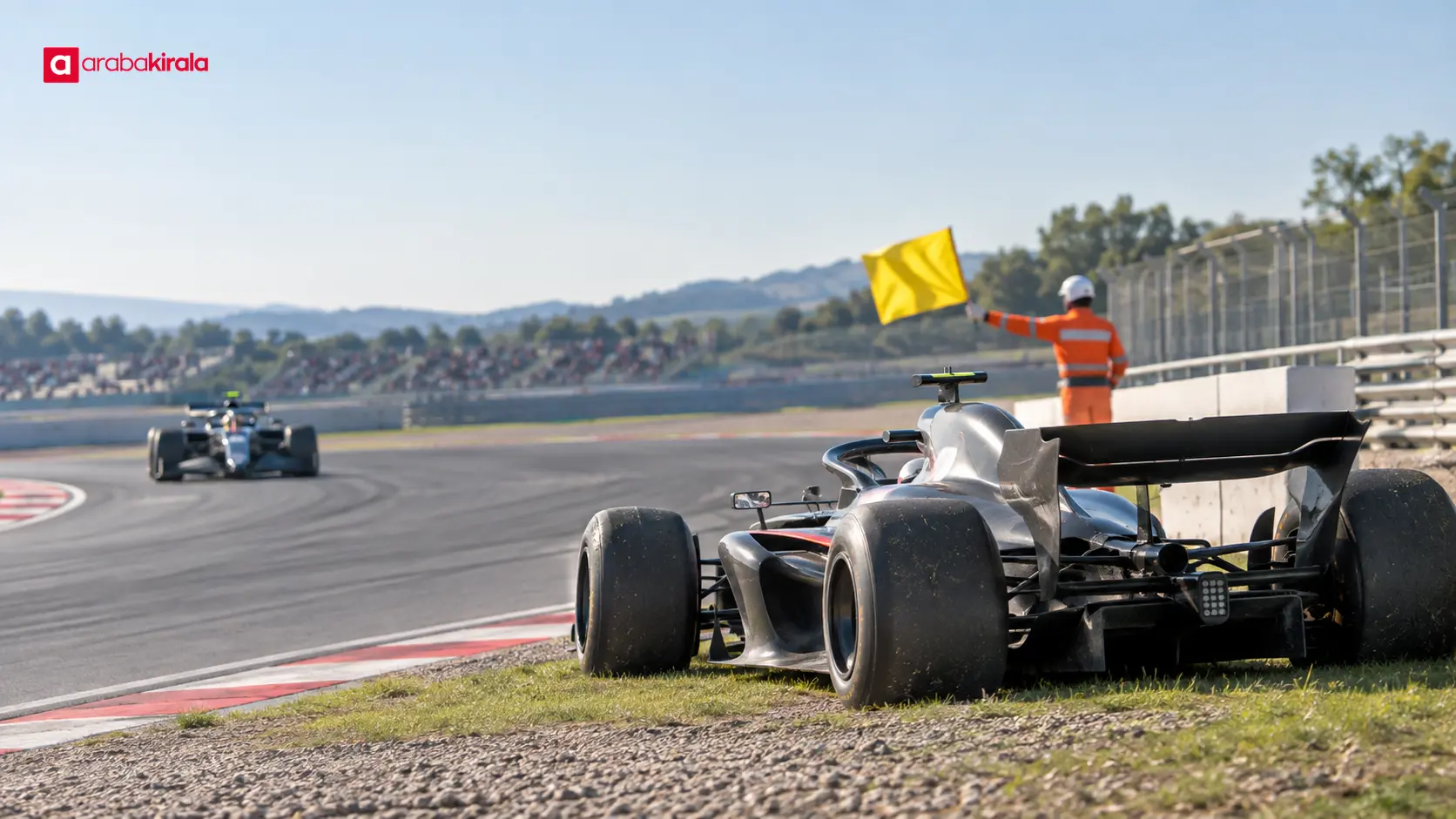
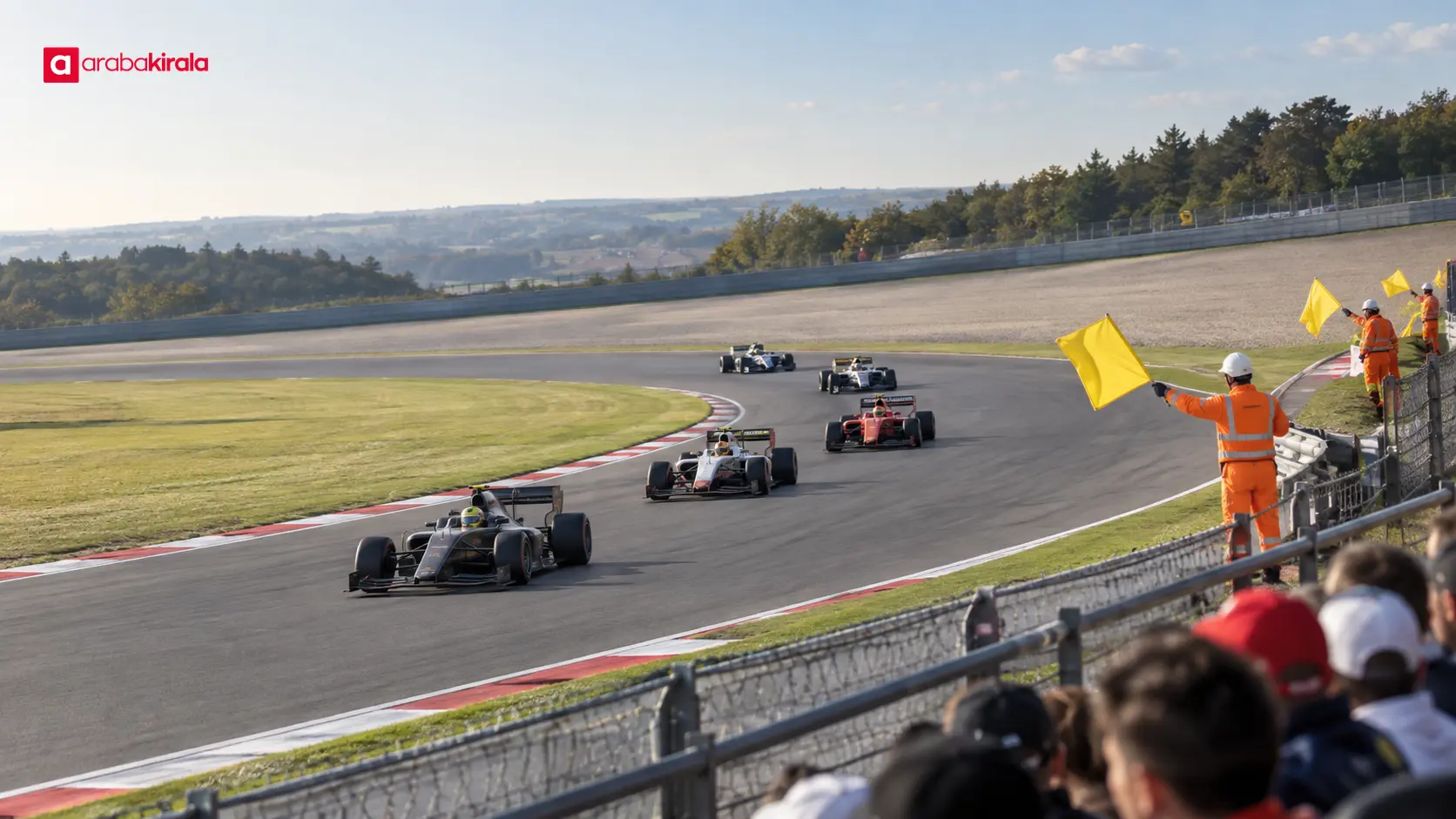
A yellow flag warns that there is a hazard or obstruction on part of the circuit. It could relate to a car that has left the track, debris, a slippery surface, or an incident that requires intervention by marshals. The flag signals that conditions are no longer normal in that area, but it does not by itself explain exactly what has happened. Drivers need to watch the track, other cars and marshals, then adjust their speed and line to pass safely.
Overtaking is prohibited under yellow flags. The purpose is to let drivers pass the hazard safely rather than take advantage of another car’s difficulty. Drivers must reduce speed, leave room for others and avoid sudden changes of direction. Slowing down is more than lifting off the throttle: the driver must consider visibility, the corner, surface grip and the space needed by any recovery or medical response.
Single and double yellow signals
A single yellow flag calls for caution and a reduction in speed. Double yellow flags indicate a more serious hazard and require a more significant reduction, with drivers prepared to stop if necessary. The exact signal and response depend on the location and instructions issued by race control. Drivers therefore monitor more than a single flag: they also follow light panels, marshal signals and official information displayed in the car.
A yellow warning is generally associated with a specific section of track. Drivers need to recognize where the warning starts and ends so they know where the restriction applies. When the hazard has cleared, a return to normal racing conditions is communicated through official signals. A driver should not decide on their own that the flag period is over.
How does a red flag change the race?
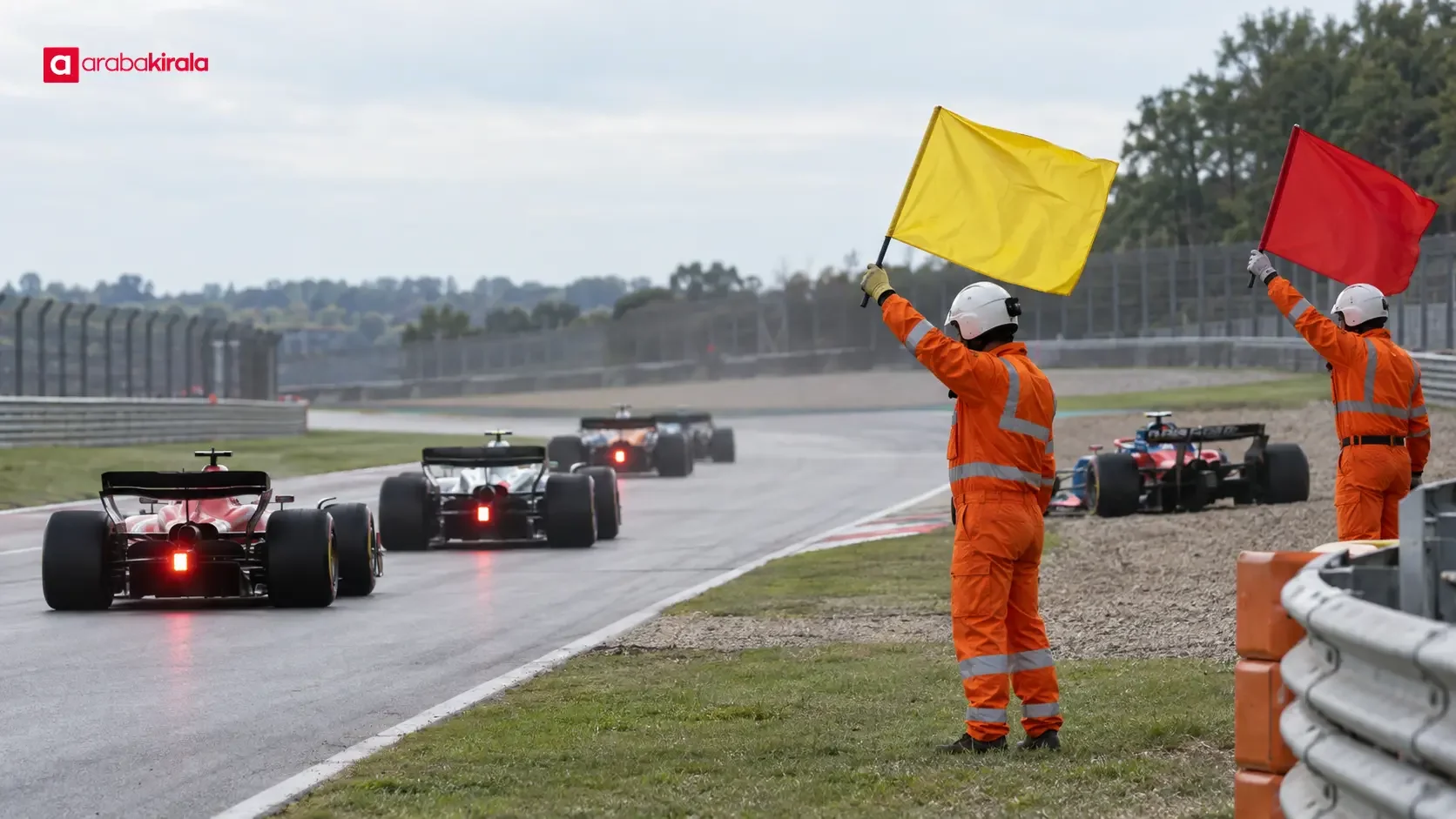
A red flag means the race or session has been stopped. Race control may use it when track conditions do not allow cars to continue safely, such as when a substantial intervention is needed or weather and visibility affect safety. A red flag is not simply a warning for drivers at one corner; it changes the flow of the whole session.
After seeing the signal, a driver reduces speed and proceeds to the pit lane or another safe location as instructed by race control. They do not continue racing or attempt to overtake, and they follow directions from officials. Where cars should gather and how they should proceed depend on the event and the incident. It is unsafe to assume that every red flag uses the same route or procedure.
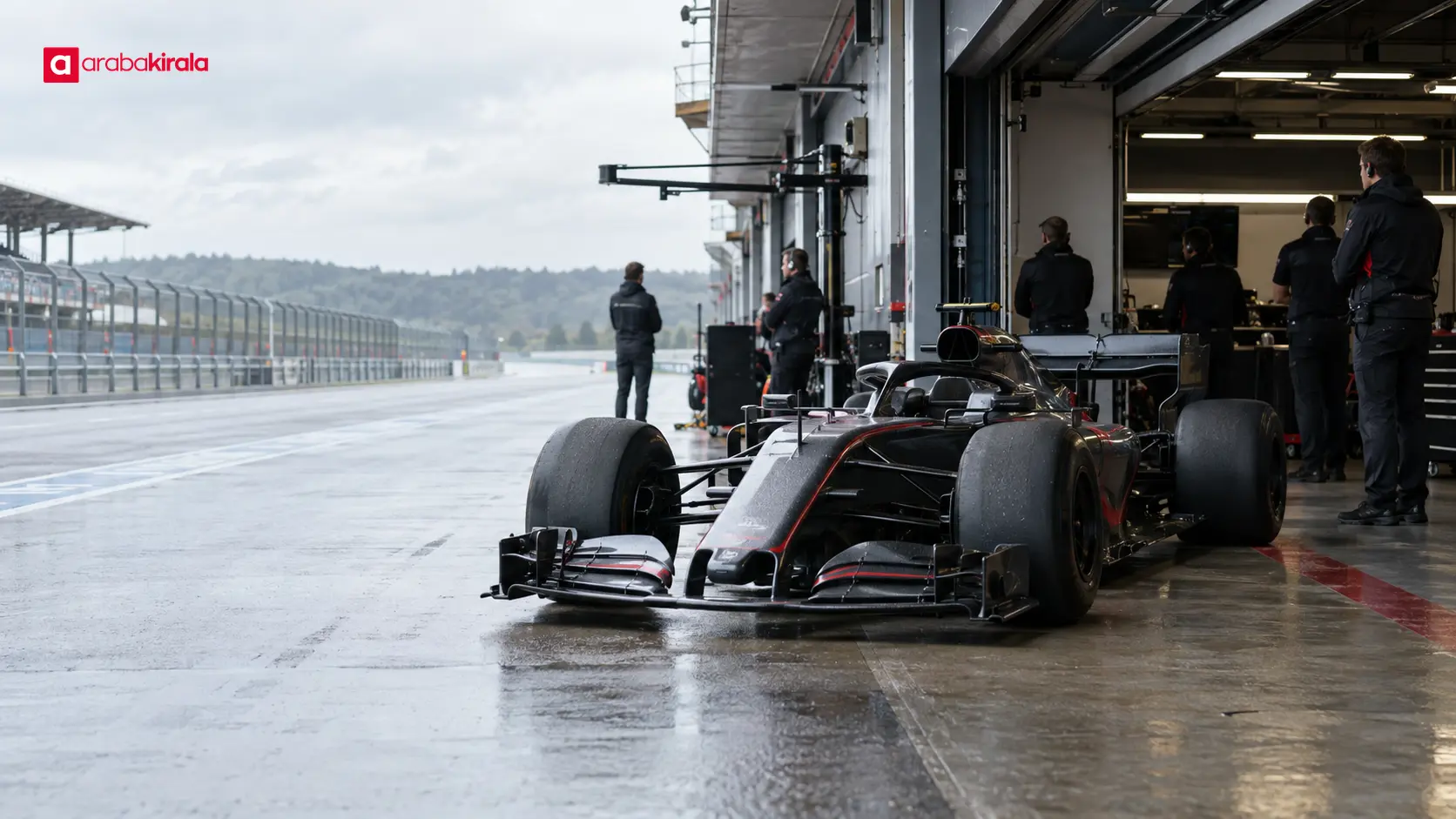
While the session is stopped, teams may work on cars or wait for further instructions, subject to the applicable rules and timing. For spectators, the key point is that a red flag does not by itself decide the final result. A stopped race may restart, remain unfinished or be classified under the relevant rules. The decision depends on factors such as the session type and timing, and is communicated by race control. Follow official live information for the confirmed outcome.
Key differences between yellow and red flags
- Yellow flag: Warns of a hazard and requires careful, slower driving with no overtaking in the affected area. The session usually continues.
- Red flag: Stops the session and requires drivers to move safely according to race control’s instructions.
- Scope: A yellow warning is often tied to a section of track; a red signal interrupts the overall session.
- Priority: In both cases, safety and following official instructions take priority over lap time or track position.
How are flags different from the safety car and virtual safety car?
Flags communicate the condition of the track and the action expected from drivers. A safety car is a physical vehicle that comes onto the circuit to control speed and the order of cars. Under a virtual safety car, no physical car joins the track; drivers instead reduce speed to prescribed limits and maintain the required spacing. A yellow flag is a hazard warning, while safety car and virtual safety car periods are separate ways to manage the race while it remains under control.
These measures can follow one another during the same incident. A local yellow warning may appear first, then race control may introduce a broader measure depending on what is happening. Official signals determine which procedure is active. For spectators comparing lap times or the effect on the order, official status messages are more reliable than drawing conclusions from the cars’ apparent speed alone.
What should spectators watch for?
The location of a flag and the official instruction that follows matter as much as its color. A broadcast camera may not show the hazard, so consider the different views and race control messages together. A car slowing down on its own does not prove that the flag restriction has ended or that a new safety procedure has begun.
- Identify the flag color and the section of circuit where it is shown.
- Under yellow, remember that drivers must slow down and must not overtake in the affected area.
- With a red flag, treat the session as stopped and look for the official restart decision.
- Keep a local yellow warning distinct from a safety car or virtual safety car period.
- Use race control information for confirmed decisions about a restart, classification or result.
Frequently asked questions
Can a driver overtake under a yellow flag?
No. Drivers must not overtake under a yellow flag in the affected area. They must reduce speed and proceed cautiously. Another car having trouble or leaving the track does not automatically remove the restriction.
Does a red flag mean the race is definitely over?
No. A red flag means the session has been stopped. Race control announces whether it will restart or end after considering the conditions and applicable rules.
Does every yellow flag bring out the safety car?
No. A yellow flag can address a localized hazard. Race control may use other measures depending on the scale of the incident. A safety car or virtual safety car is a separate control procedure.
In summary: read the signal and the instruction together
The meaning of yellow and red flags in F1 comes down to the difference between a hazard warning and a stopped session. Under yellow, drivers slow down and refrain from overtaking; under red, the session stops while they await official directions. As a spectator, follow the flag’s location, any subsequent signals and race control announcements together. To understand what happens next, check the official broadcast or race control update for restart and classification information.
Legal Disclaimer: All content, articles and information on the Araba Kirala website are provided solely to inform users. No information shared on this website constitutes definitive advice or guidance. Araba Kirala Teknoloji A.Ş. and its authors cannot be held responsible for any direct or indirect damages arising from the application of information on the website. For all questions and requests regarding car rental, please contact the office from which you will rent your vehicle.