Formula 1 Car Balance: How Weight Distribution Affects Cornering
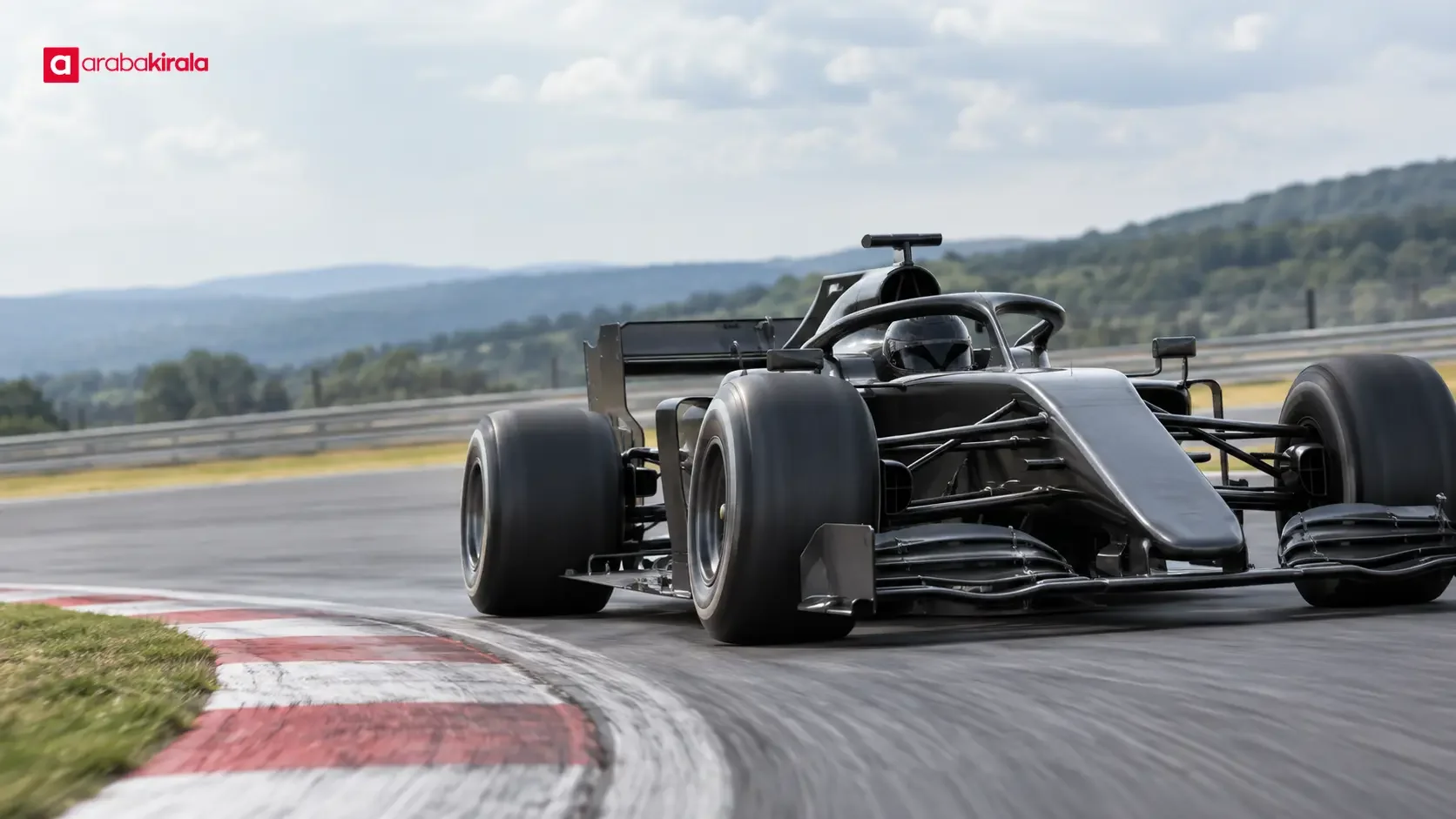
Formula 1 car balance describes how a car changes direction on corner entry, holds a line through the middle of a corner and puts power down on exit. Static weight distribution between the front and rear axles is only one part of that behavior. Aerodynamic load, tire operating conditions, suspension response and the driver's braking and throttle inputs also matter. Understanding how these factors interact explains why a car described as balanced may feel different from one corner or circuit to another.
Weight distribution is different from weight transfer
Weight distribution refers to how a car's mass is shared between its front and rear axles when it is stationary. Weight transfer is the temporary change in vertical load carried by the tires during braking, acceleration or cornering. Braking shifts load toward the front; acceleration shifts it rearward. In a corner, the outside tires carry more load than the inside tires. The car's total mass has not changed, but its load is being shared differently among the contact patches.
This distinction matters because static distribution alone cannot explain cornering grip. Suspension geometry and the settings of springs, dampers and anti-roll bars influence how quickly and in what pattern loads move between tires. The driver also helps manage the response by easing off the brakes and applying throttle progressively. Balance is therefore a behavior over time, not just a single number on a specification sheet.
How tire load affects cornering grip
Tires generate the forces that allow a car to brake, turn and accelerate while in contact with the track. More vertical load on a tire generally allows it to produce more lateral force, but the increase is not directly proportional to the added load. If too much load is concentrated on one tire, the car may not use the combined grip of all four tires as efficiently. The goal of setup is not to eliminate load transfer, but to manage it in a way that suits the car and its tires.
During a corner, the outside tires take more load as the inside tires become less heavily loaded. Body roll, suspension response and corner speed affect how this transition feels. Mechanical grip and suspension behavior can be especially noticeable in slower corners. At higher speeds, aerodynamic forces grow in importance and the car's downforce contributes more to cornering performance.
Aerodynamic load and car balance
Formula 1 wings and floor generate aerodynamic forces that push the car downward. This load helps press the tires toward the track and can support higher speed through fast corners. Since aerodynamic force changes with speed, the same car can give the driver a different balance sensation in a slow corner and a fast one.
The relative aerodynamic effect at the front and rear influences how readily the car rotates. If the front has less relative grip, the car may respond more slowly to steering input. If rear grip is reduced, the back of the car may struggle to hold its line. Wing settings are considered in relation to airflow and a circuit's speed profile; greater downforce is generally weighed alongside drag. A setup choice therefore affects the whole lap, including straight-line performance, rather than one corner in isolation.
What the driver may feel at each stage of a corner
Corner entry
As the driver brakes for a corner, load moves toward the front. The front tires gain load to help change direction while the rear tires lose some. If the driver is still braking while increasing steering angle, the tires are being asked to generate both braking and lateral force. As those combined demands rise, the available grip can be approached. With an unsuitable balance, the car may resist turning or the rear may feel more mobile.
Mid-corner
Through the middle of a corner, braking is usually reduced and the car follows a chosen direction. The driver manages steering angle and speed to stay on the intended line. Understeer describes a tendency for the front tires to push wide instead of following the line. Oversteer describes a loss of rear lateral grip that can make the car rotate more or move its rear outward. These terms describe the car's response; neither points to a single setup cause in every situation.
Corner exit
On exit, the driver unwinds the steering and increases throttle, shifting load rearward. The rear tires must generate acceleration force while often still carrying lateral force. Applying power too early or too sharply can exceed available grip. Balance influences how soon the driver can open the exit line and how progressively power can be applied. A clean exit also matters for building speed along the following straight.
How setup changes influence balance
Front and rear wing settings alter the relative aerodynamic load at each end. Suspension and anti-roll bars influence how the tires follow the track surface and how load transfer develops. Ride height and floor behavior are also connected to aerodynamic performance. These elements interact, so a change that improves the car in one speed range or section may alter its response elsewhere.
Tire pressure and temperature are related to grip as well. Formula 1 tires are assessed within operating conditions, and temperature, wear and track conditions can all influence how they perform. Teams therefore consider more than steering feel: lap data, tire condition and the car's response in different corners are reviewed together. A balance setting is not a universal “best” value that applies unchanged to every lap and circuit.
The role of the driver and track conditions
Braking points, how the driver releases brake pressure, steering movement and throttle timing directly affect the car's balance. The same car can respond differently to different inputs. Track roughness, bumps, kerbs and weather also affect tire contact and vehicle behavior. Changes in track temperature can alter tire operating conditions too.
For that reason, teams do not evaluate a setup by looking at one corner alone. Fast and slow turns, braking zones, kerbs and straights are considered together. A setting that gives a driver confidence in one section may cost time in another. Engineers seek an appropriate compromise between the driver's preferred balance and the demands of a complete lap.
How to read car balance while watching a race
- At corner entry, notice how quickly the front responds to steering input.
- In the middle of the corner, watch whether the car holds its line and whether the driver makes corrections.
- On exit, observe rear traction and how progressively the driver applies throttle.
- Consider fast and slow corners separately; the aerodynamic contribution changes with speed.
- Avoid attributing a slide to a specific wing or suspension setting on its own; driver input and track conditions matter too.
Frequently asked questions
Does more front weight make a car turn better?
Not necessarily. Front tire load and static weight distribution need to be considered alongside the dynamic loads created by braking and cornering. The effect of more or less front load depends on aerodynamic balance, tires, suspension and corner speed. A front weight percentage alone does not prove that a car will turn better.
What is the difference between understeer and oversteer?
With understeer, reduced steering force at the front tends to make the car run wide of the cornering line. With oversteer, reduced lateral grip at the rear can cause the rear of the car to move outward. Either behavior may arise from a combination of speed, driver input, tire condition and setup.
Does more downforce help at every circuit?
Downforce can contribute to grip in corners, but greater aerodynamic load also affects drag. The balance between fast corners, straights and overtaking opportunities shapes setup choices. More downforce alone does not mean a faster lap at every circuit.
Is car balance determined only by weight distribution?
No. Weight distribution is an important starting point, but dynamic load transfer, aerodynamic forces, suspension, tire condition and driver inputs also shape balance. Their interaction is central to understanding a Formula 1 car's behavior.
Legal Disclaimer: All content, articles and information on the Araba Kirala website are provided solely to inform users. No information shared on this website constitutes definitive advice or guidance. Araba Kirala Teknoloji A.Ş. and its authors cannot be held responsible for any direct or indirect damages arising from the application of information on the website. For all questions and requests regarding car rental, please contact the office from which you will rent your vehicle.