How Fuel Flow and Energy Management Affect Formula 1 Race Performance
Published: October 6, 2026 • Reading Time: 7 min • Last Updated: October 6, 2026
Learn how fuel flow relates to engine output, how a hybrid system recovers and deploys energy, and why timing matters for acceleration, lap pace, and race strategy.
Contents
- What does fuel flow mean?
- How does the hybrid energy system work?
- Recovering and deploying energy
- Fuel flow versus energy management
- Effects on lap performance and race strategy
- The roles of the team and driver
- How the circuit and conditions shape energy use
- What to watch for during a race
- Frequently asked questions
- Does increasing fuel flow always make a car faster?
- How is electrical energy reused during a race?
- Is the same energy plan used at every circuit?
- Summary and next step
Formula 1 energy management is the way a car’s power from its combustion engine and hybrid system is planned across a race. Fuel flow concerns how quickly fuel reaches and is used by the engine. Energy management is broader: it also includes recovering energy under braking, storing it, and deploying it when useful. This guide explains the difference, how the two systems can affect acceleration and lap performance, and why their use is tied to race strategy.
What does fuel flow mean?
Fuel flow describes the rate at which fuel is delivered from the tank to the engine and consumed in operation. The engine combines fuel with air to produce combustion and power. A change in fuel flow can affect the amount of fuel available for that process and therefore the power the engine can produce. The relationship does not mean that more flow automatically makes a car faster in every situation. Power delivery also depends on the power unit’s design and operating conditions, the car’s setup, and the stage of the race.
Fuel flow should not be confused with the total quantity of fuel carried by the car. Flow is a rate of use; the fuel load is the overall resource available over a distance. The team and driver have to consider how engine output relates to race length, conditions, and strategy. Technical regulations and measurement details can change between seasons, so a figure from one period should not be treated as a universal rule.
How does the hybrid energy system work?
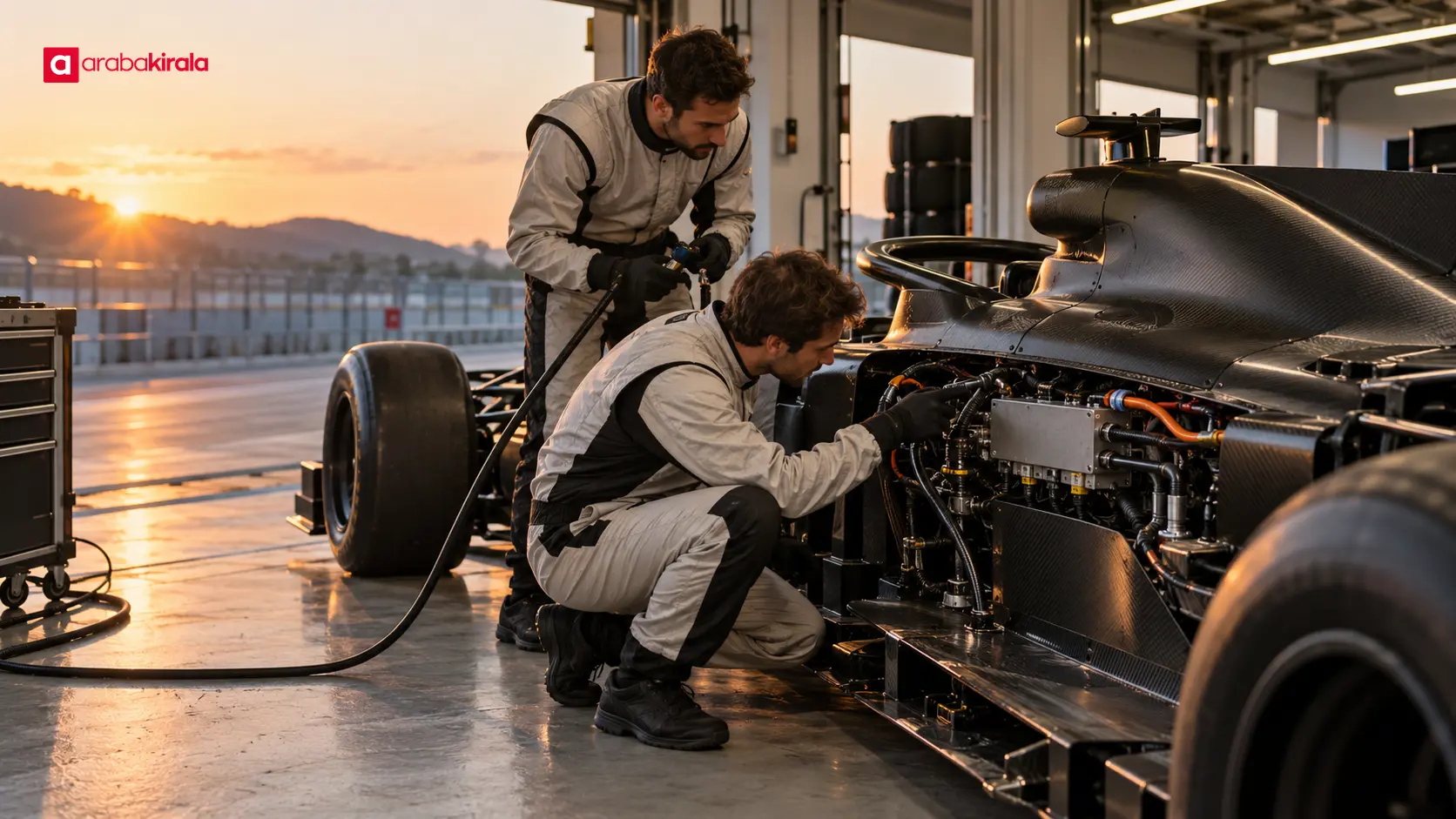
A modern Formula 1 power unit combines an internal combustion engine with electrical components. Under suitable conditions, some energy associated with braking can be recovered, stored, and later returned to the drivetrain. The car’s performance plan therefore draws on more than fuel combustion: it can also use recovered electrical energy.
The strategic question is when and where that energy is deployed. It may help a car accelerate onto a straight, close a gap, or defend a position for a short period. These are possible tactical purposes, not a fixed pattern for every lap. The available energy, circuit layout, braking zones, driving pace, and race situation all influence the plan.
Recovering and deploying energy
During braking, part of the car’s kinetic energy can be converted into electrical energy and stored. At a later acceleration phase, the system can use stored energy to support propulsion. That cycle captures the basic idea of energy management: recover energy when conditions allow, retain it, and use it where it is most valuable. The opportunity and amount vary by circuit, so the same deployment plan does not suit every race.
Using energy on corner exit can help build speed earlier along the following straight. Using it later on the straight may serve a different tactical purpose. A team weighs these choices against the car’s position and what may be needed in the next section or lap.
Fuel flow versus energy management
Fuel flow focuses on the rate at which the combustion engine uses fuel. Energy management covers that power source as well as the recovery, storage, and use of electrical energy. They are connected parts of performance, but they are not interchangeable terms. Electrical assistance can alter a car’s short-term acceleration potential, while fuel and overall energy planning involve resource decisions across a longer period.
This distinction helps explain why a car does not necessarily use the greatest available power at every moment. Asking for maximum output continuously may use resources that could be valuable later or reduce tactical flexibility. The team and driver balance immediate position gains against what may be needed in the next phase. A speed difference is therefore not explained by engine output alone; the timing and deployment plan matter too.
Effects on lap performance and race strategy
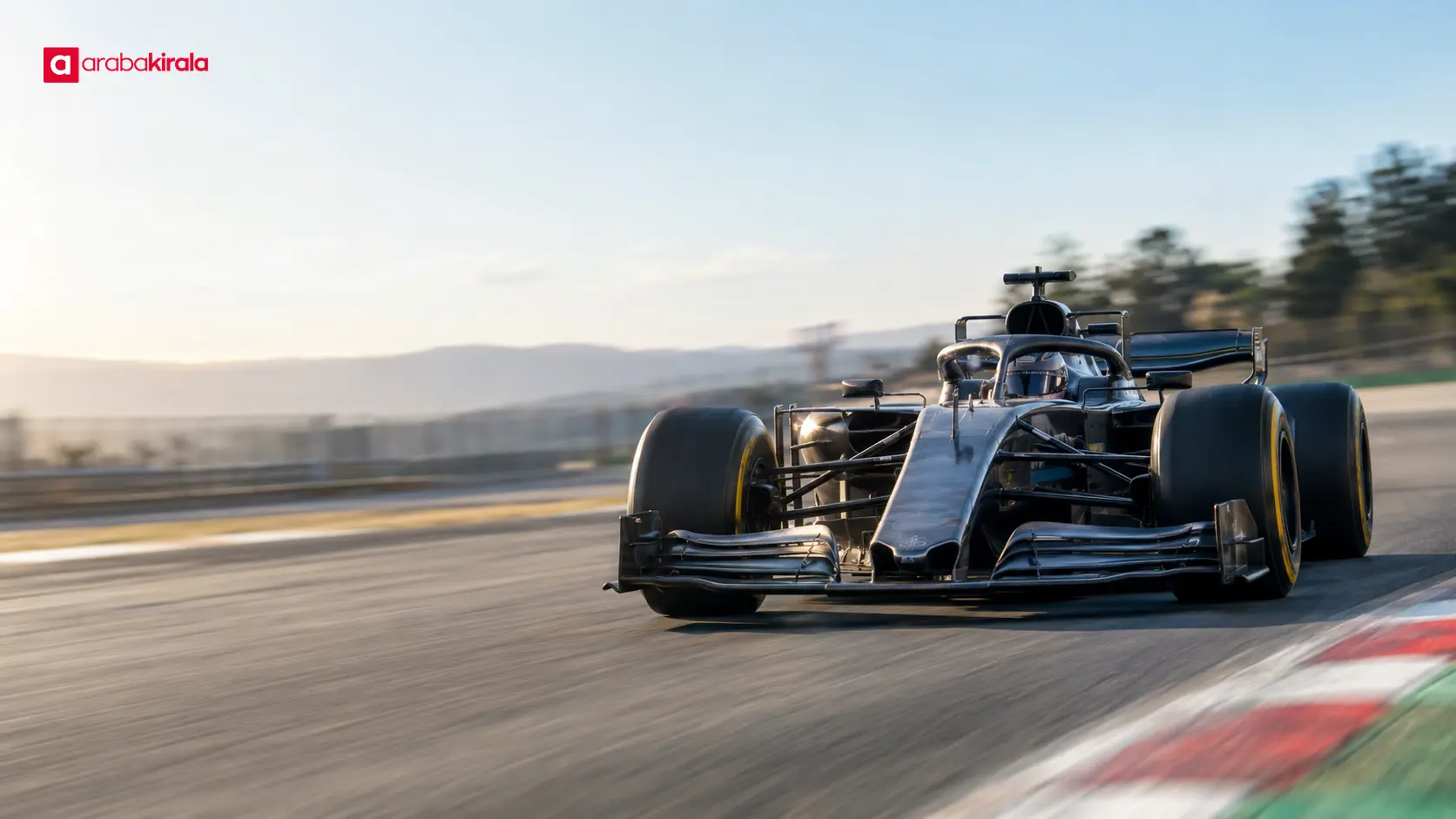
Energy deployment can influence acceleration and speed along a straight. Fuel-related decisions are also connected to how the power unit operates and how resources are used over the race. Lap time, however, depends on much more than these two factors. Tire condition, aerodynamic setup, track surface, weather, and traffic also affect performance. A speed difference on one lap cannot, by itself, reveal a team’s fuel or energy strategy.
Energy use can be linked to attack and defence. A driver closing on a rival may deploy energy in selected sections to seek a passing opportunity. The driver ahead may follow another plan to protect position. Both decisions have to account for what energy remains and what the next lap may require. Having resources available at the right point later in a stint can matter more than a brief increase in speed.
The roles of the team and driver
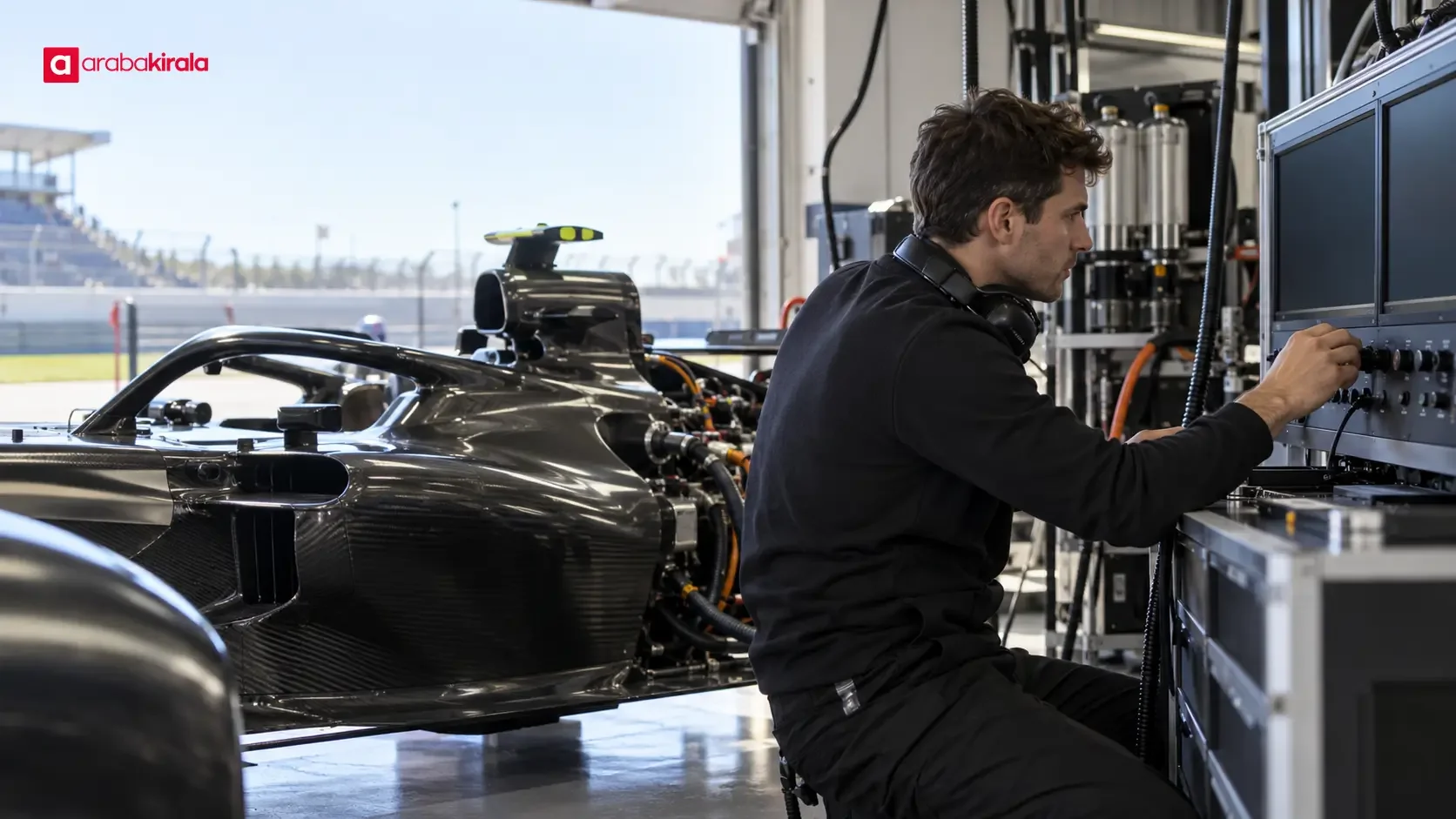
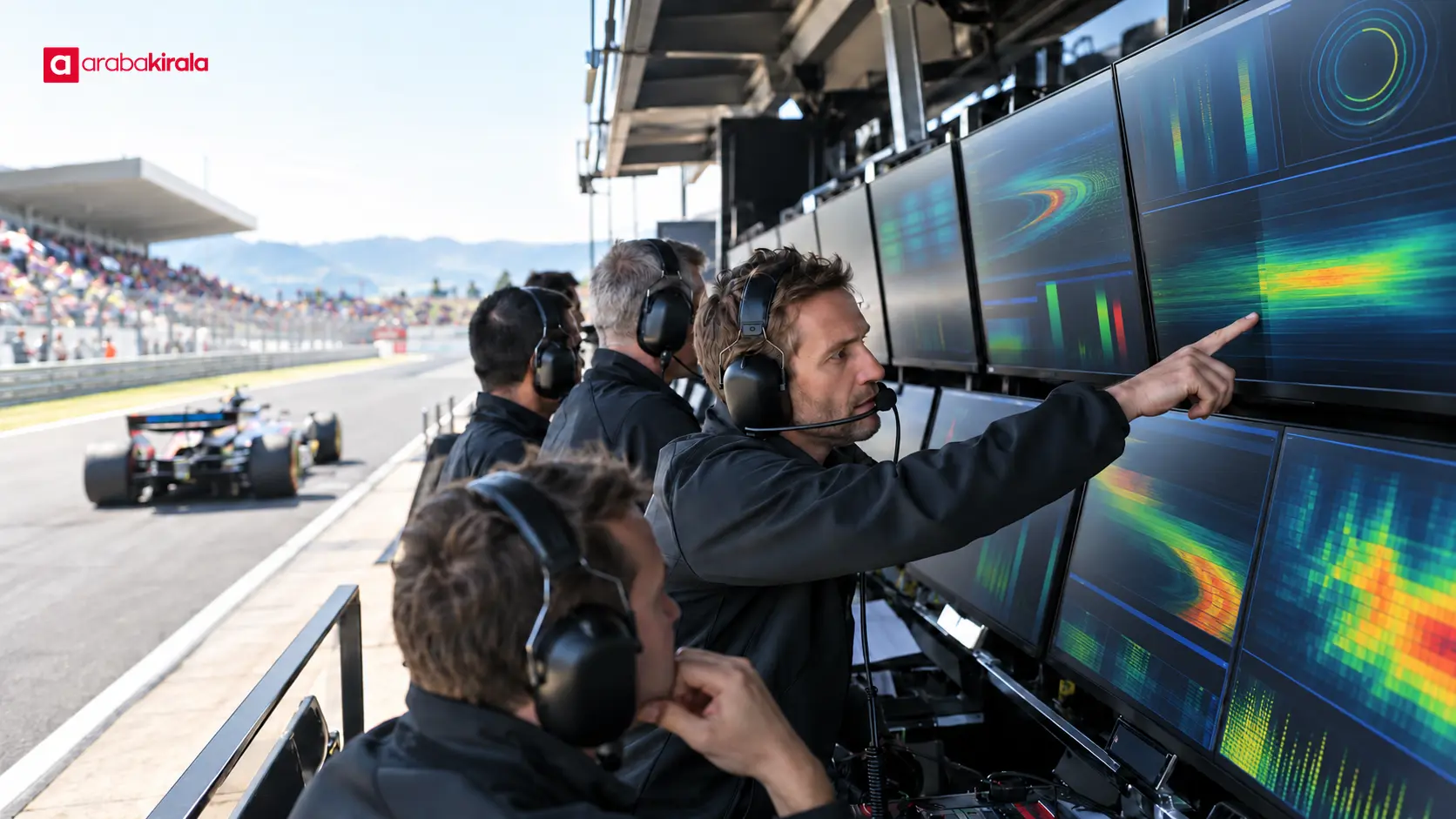
The team monitors telemetry to assess energy use, recovery, and power unit operation. The driver can manage selected modes using the car’s controls and team guidance. The exact control arrangement depends on the car and the season’s rules, so it should not be assumed that every car uses the same interface. The general principle is to connect technical data with the race objective.
For the driver, management is not simply a matter of pressing a control. Preserving traction on corner exit, avoiding unnecessary wheelspin, and keeping energy available for a key straight are related decisions. The team’s advice and the driver’s observations on track inform one another. This coordination turns the power unit’s potential into performance that can be used in the conditions of a race.
How the circuit and conditions shape energy use
Circuit layout determines how braking and acceleration zones are distributed. A track with many braking events may offer more opportunities for energy recovery, while long straights can make the deployment plan especially important. This does not mean that a twisty circuit is automatically more efficient: corner character, speed, and car setup change the result. Teams assess the data for each venue and build a plan around it.
Weather and race developments can also affect the plan. A change in pace, including one caused by a safety car period, may make the team reconsider how it uses energy and fuel. Tire management and position battles influence when a driver can push as well. Energy management is part of the overall race plan, not an isolated setting.
What to watch for during a race
- Watch corner exits: Exit speed affects how quickly a car builds speed on the next straight. Consider the racing line and tire grip as well when comparing cars.
- Follow a battle across the lap: A closing gap or passing attempt may show the tactical role energy could play, but it is not proof of a specific technical choice.
- Compare several laps: A short speed increase and sustained pace are different signals. Look at whether a change continues before drawing conclusions about strategy.
- Use official technical explanations: Details about power units and energy systems can change. For current claims, consult primary sources such as official FIA or Formula 1 publications.
Frequently asked questions
Does increasing fuel flow always make a car faster?
No. Fuel flow relates to the fuel available to the engine, but speed also depends on power unit conditions, car setup, tires, aerodynamics, and the circuit. Race planning also considers immediate power needs alongside resource use over time.
How is electrical energy reused during a race?
Under suitable braking conditions, a hybrid system can recover and store some energy, then use it later to support propulsion. The details of recovery and deployment depend on the system design and applicable technical rules.
Is the same energy plan used at every circuit?
No. The balance of corners and straights, braking opportunities, race pace, and on-track battles differs from venue to venue. Teams adjust their approach to those conditions.
Summary and next step
Fuel flow describes the rate at which the engine uses fuel; energy management describes how electrical energy is recovered and strategically redeployed as well. Both can affect performance, but lap time cannot be read from fuel or energy use alone. The circuit, tires, setup, and race tactics also shape the result. To follow the subject, look beyond one attack or speed trace and observe how pace and position change over several laps. When connecting a technical claim to current rules, check official FIA and Formula 1 explanations.
Legal Disclaimer: All content, articles and information on the Araba Kirala website are provided solely to inform users. No information shared on this website constitutes definitive advice or guidance. Araba Kirala Teknoloji A.Ş. and its authors cannot be held responsible for any direct or indirect damages arising from the application of information on the website. For all questions and requests regarding car rental, please contact the office from which you will rent your vehicle.