What Are Understeer and Oversteer in Formula 1? Reading Car Balance
Published: October 5, 2026 • Reading Time: 8 min • Last Updated: October 5, 2026
Learn what understeer and oversteer mean, how they affect a car in a corner, and how to interpret these signs of balance in Formula 1.
Contents
- What do understeer and oversteer mean?
- Understeer: the front does not follow the line
- Oversteer: the rear rotates more
- The key difference between the two
- Read the behaviour by corner phase
- Corner entry
- Mid-corner
- Corner exit
- Tires, load and setup balance
- How to interpret race footage more carefully
- What does it mean in everyday driving?
- Frequently asked questions
- How can I explain the difference in one sentence?
- Does oversteer always mean the driver has lost control?
- Can these signs tell me that a racing car's setup is wrong?
- What should I learn first when searching for Formula 1 understeer oversteer?
- Summary: read balance through line and timing
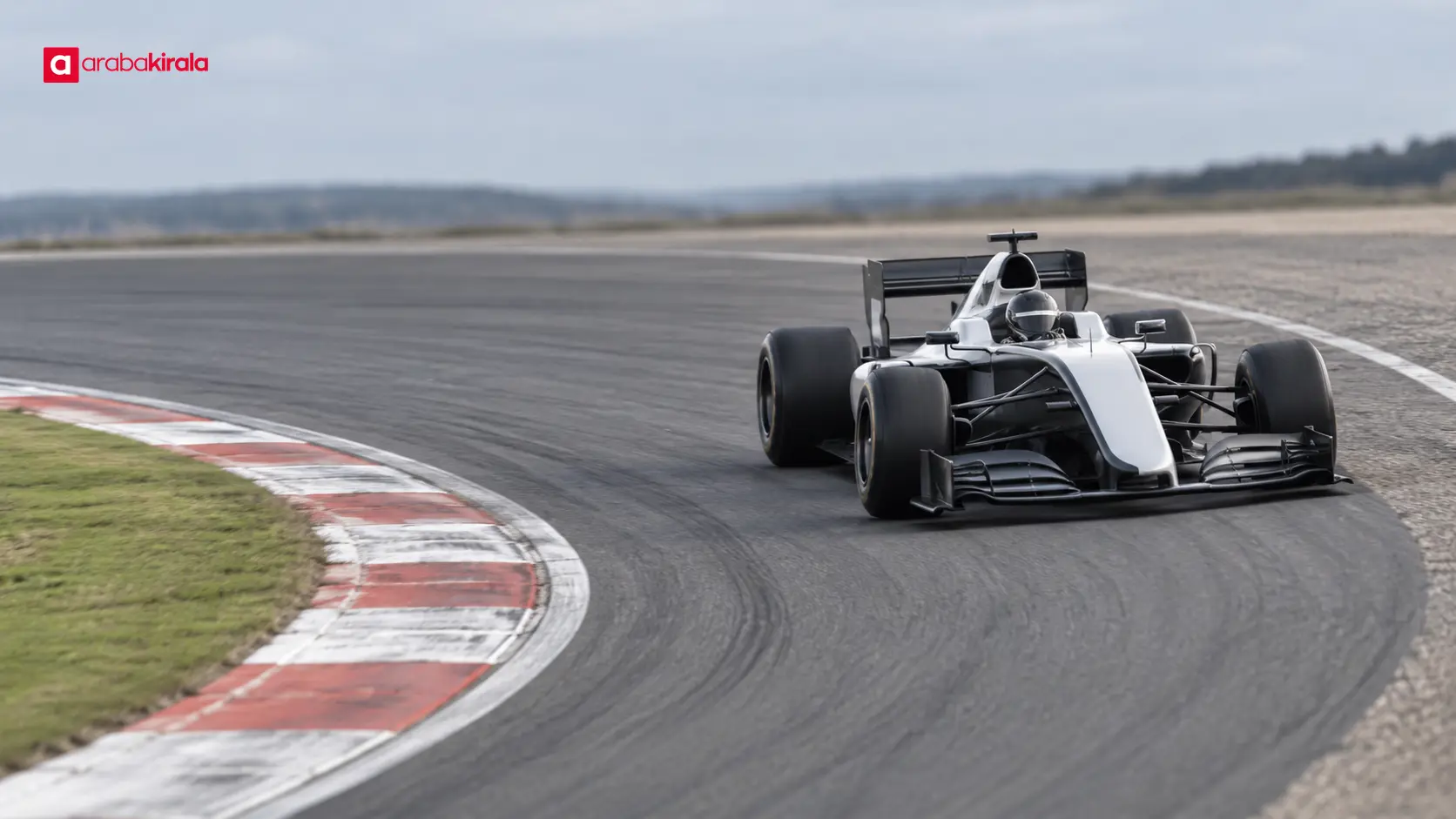
Formula 1 understeer oversteer describes how closely a racing car follows the direction its driver wants through a corner. Understeer is when the front of the car turns less than expected and runs wide; oversteer is when the rear turns more, rotating the car further into the corner. This guide explains how to distinguish the two, identify when they appear during a turn, and understand the role of balance and tires.
What do understeer and oversteer mean?
A car changes direction through a corner as the steering points its front wheels and the tires transmit forces to the track. The difference between where the body points and the direction the car is travelling helps describe its cornering behaviour. When the tires cannot provide enough lateral grip, the car may not follow the intended line. Whether the front or rear axle shows that limit most clearly determines whether the behaviour is described as understeer or oversteer.
Understeer: the front does not follow the line
With understeer, the driver steers into the corner but the front of the car does not change direction enough. The car takes a wider arc and drifts toward the outside of the turn. From the outside, the front tires may appear pointed along a different direction from the path the car is taking. That view alone cannot establish the condition of the tires, the driver's intention, or the reason for the balance.
Understeer does not automatically mean the car is out of control. A small, manageable slip can be part of a balanced cornering response. A pronounced loss of front grip makes it harder to hold the intended line. Factors such as braking late into a corner, steering input, tire temperature and available grip can be relevant, but an observer should follow the car's response through the rest of the turn rather than infer a cause from one moment.
Oversteer: the rear rotates more
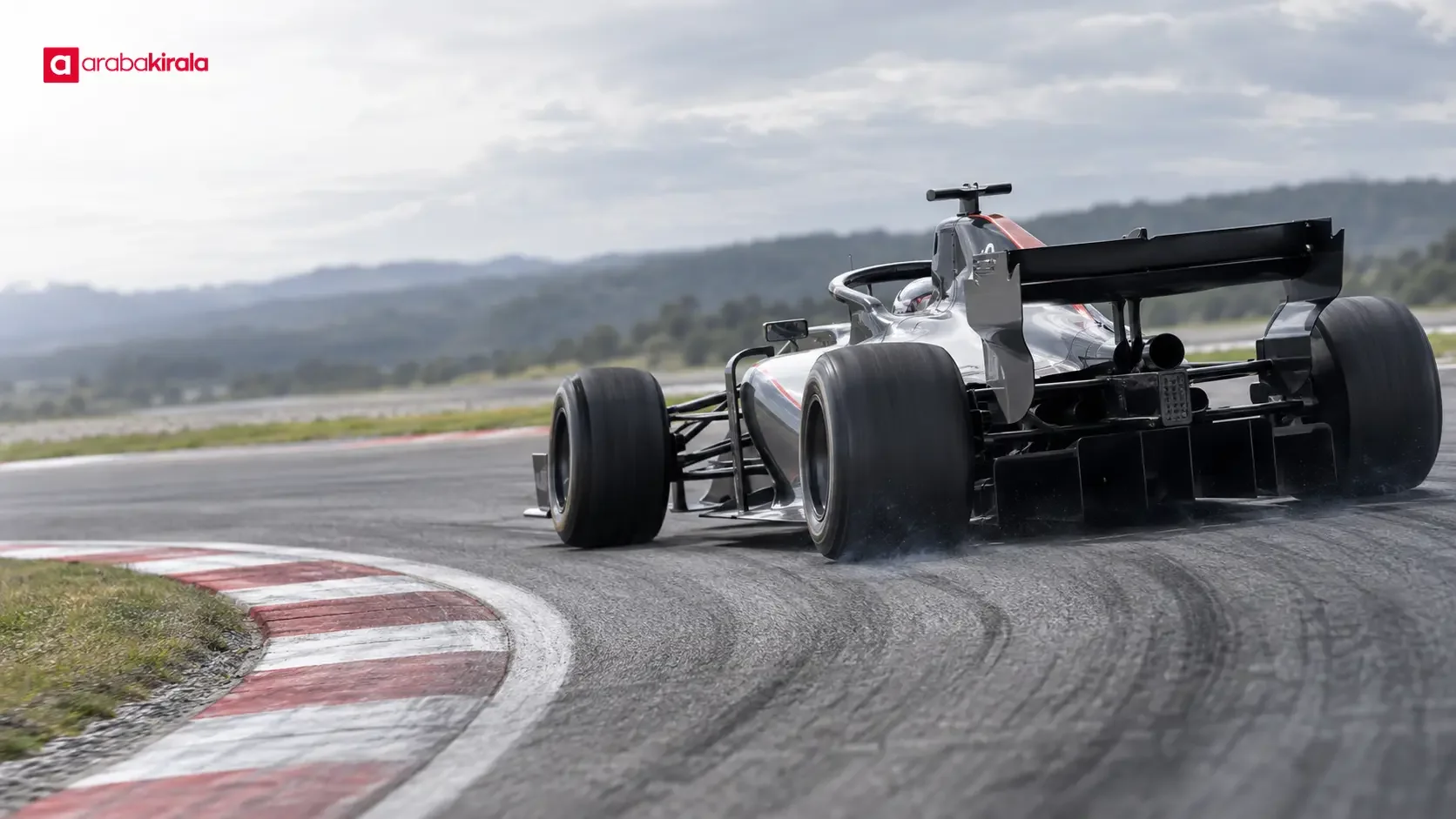
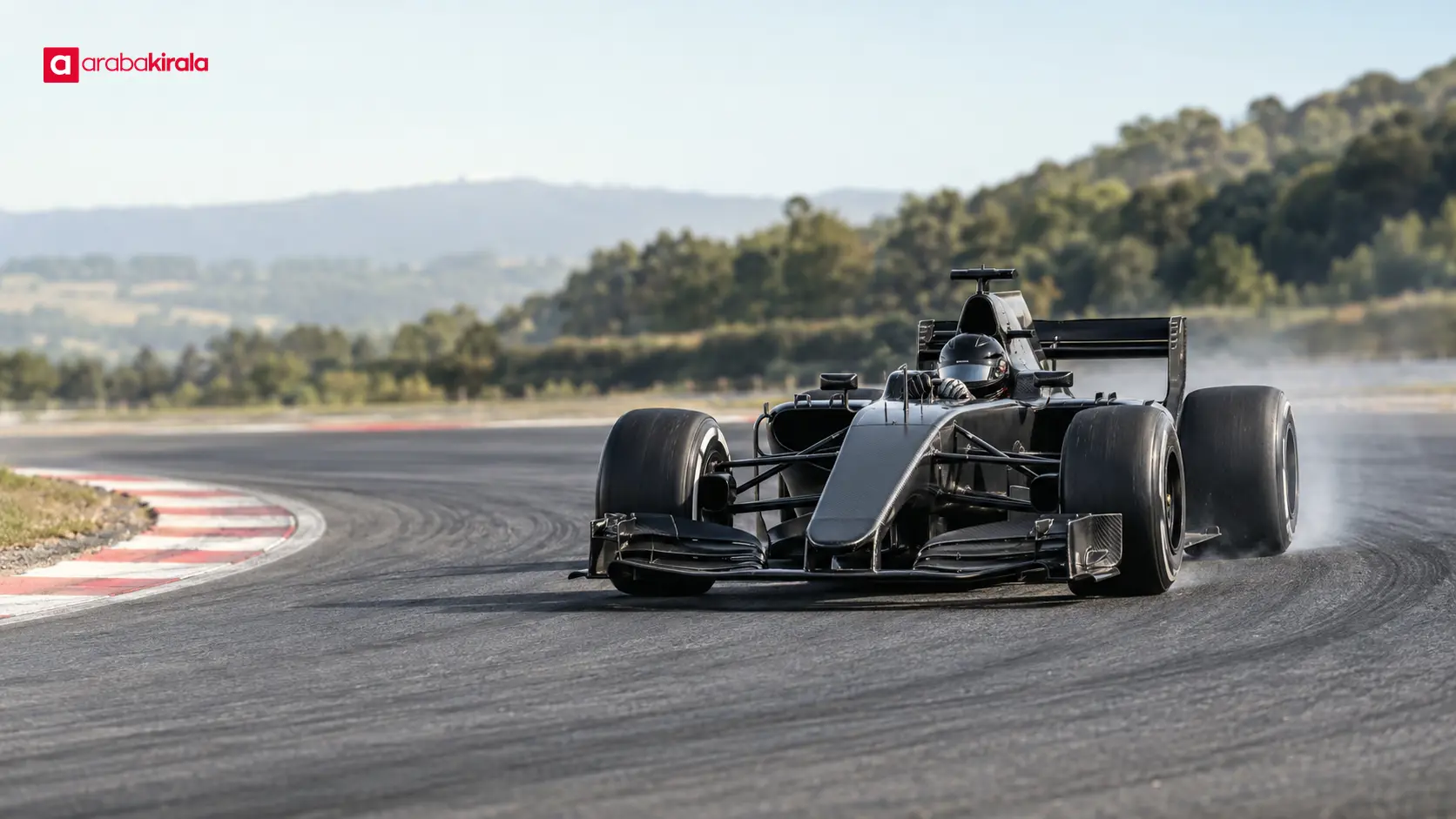
In oversteer, the rear tires lose some lateral grip and the back of the car tends to move toward the outside of the corner. The nose consequently turns into the corner more quickly. A driver may briefly steer against the direction of the slide to keep the car on the intended line; this is called countersteering. Race footage can show this as the car's body sitting at an angle to the turn.
A controlled rear slide and a growing, difficult-to-catch slide are different situations. The size and duration of the movement, and whether the driver brings the car back into line, all matter. Oversteer describes the rear approaching its grip limit; it does not always mean a crash, a spin or driver error. A fast, large slide does raise the risk of leaving the racing line.
The key difference between the two
- Where the slip is most apparent: Understeer concerns the front end approaching its cornering grip limit; oversteer concerns the rear.
- The car's path: Understeer carries the car wider toward the outside, while oversteer moves the rear outward and rotates the body further.
- What the driver may feel: Understeer can feel like reluctance to turn despite steering input; oversteer can feel like the rear rotating more quickly than intended.
- Limits of observation: Camera angle and corner shape affect what viewers see. A still image or short clip may not show the full behaviour or setup.
These terms do not mean that one end of a car is simply “good” and the other “bad.” The useful questions are whether the balance is predictable and whether the driver can manage the car through the corner. Formula 1 teams consider lap time, tire use and track conditions together, so setup is not a simple choice to eliminate one behaviour in every situation.
Read the behaviour by corner phase
Corner entry
At entry, braking and turn-in begin while the car is slowing. The driver manages braking force and steering together. If the front does not follow the intended line, entry understeer may be present. If the rear becomes unsettled or steps outward, that may indicate entry oversteer. Braking distance, track slope, corner tightness and the chosen line also affect the picture; one sign does not prove a particular mechanical problem.
Mid-corner
The middle of a turn often demands substantial lateral grip as the car changes direction. The driver balances speed, steering angle and line. If the car continues to run wide, front grip may be limited. If the rear moves outward relative to the line and the body rotates further, there may be an oversteer tendency. A changing-radius turn or uneven surface can make the same car respond differently at different points.
Corner exit
On exit, the driver unwinds the steering and begins to accelerate. The rear tires must manage both cornering and acceleration forces, so how power is applied affects balance. A rear that moves outward can be read as exit oversteer. A front that pushes the car onto a wider exit path can look like understeer. The racing line, kerb use and acceleration should be considered together.
Tires, load and setup balance
Tires transfer forces between the car and the asphalt. Temperature, wear, pressure and surface conditions can affect grip, though their effects depend on the circuit, car and operating conditions. A tire has a limited grip capacity to share among cornering, braking and acceleration forces. Sudden or large driver inputs can therefore use up more of the available grip.
Weight transfer also changes the balance. Braking generally shifts load forward and acceleration shifts it rearward, but the car's actual response also depends on suspension, aerodynamic load, tires and setup. Formula 1 cars generate aerodynamic downforce through components such as wings and the floor. Because that load changes with speed, the car's balance can feel different at different speeds through the same corner.
Teams assess balance using driver feedback, telemetry and the car's behaviour on track. Front or rear wing settings, suspension, mechanical grip and other setup choices interact. It is not reliable to conclude, “I saw understeer, so this specific change is the solution.” It matters where and at what speed the behaviour occurs, and whether it repeats under comparable conditions.
How to interpret race footage more carefully
- Identify the corner phase: Does the slide begin at entry, mid-corner or exit? This makes the behaviour easier to describe.
- Watch the front and rear: Is the front widening the line, or is the rear stepping outward and rotating the body?
- Notice steering corrections: Countersteering may show that the driver is managing rear rotation; on its own it does not explain why the slide began.
- Compare repeated laps: Several passes through the same corner provide more context than one brief movement. Tire condition and track changes still matter.
- Account for camera perspective: Onboard, trackside and overhead views present the line differently. Do not confuse the visible angle with the amount of actual slip.
What does it mean in everyday driving?
Although understeer and oversteer are racing terms, the basic ideas can help explain vehicle balance in ordinary driving. Public roads are not a safe place to deliberately create a slide or test these behaviours. Road surfaces, traffic and visibility vary. Drivers should choose a speed appropriate to conditions, avoid abrupt steering and pedal inputs, and follow the safety guidance in the vehicle's owner manual.
Professional driver training provides a controlled setting for learning how a car behaves near its limits. If a vehicle changes direction unexpectedly, displays a warning light or shows signs of tire damage, stop safely and follow the owner manual or seek qualified technical help rather than experimenting. A mechanical diagnosis cannot be made from a short cornering video.
Frequently asked questions
How can I explain the difference in one sentence?
With understeer, the front struggles to follow the cornering line and the car runs wider; with oversteer, the rear moves outward and turns the body further into the corner.
Does oversteer always mean the driver has lost control?
No. A small, manageable slide can occur. Its size and whether the driver recovers the intended line matter. The word alone does not mean a crash or spin.
Can these signs tell me that a racing car's setup is wrong?
One image cannot provide a definite answer. Corner type, speed, tire condition, track surface, weather and driver inputs all have an effect. Teams examine repeated data and driver feedback.
What should I learn first when searching for Formula 1 understeer oversteer?
First identify which end of the car is slipping and when in the corner the movement starts. Then follow the racing line, any steering correction and whether the behaviour repeats. This helps explain the footage without turning it into an unsupported mechanical diagnosis.
Summary: read balance through line and timing
Understeer is when the front cannot follow the line and the car runs wide; oversteer is when the rear moves outward and the body rotates further. Entry, mid-corner and exit place different demands on the car, so behaviour can change through one turn. Tires, weight transfer, aerodynamics and driver inputs need to be considered together. Next time you watch a race, note where the slide begins and track the path of the front and rear before drawing conclusions about setup or error.
Legal Disclaimer: All content, articles and information on the Araba Kirala website are provided solely to inform users. No information shared on this website constitutes definitive advice or guidance. Araba Kirala Teknoloji A.Ş. and its authors cannot be held responsible for any direct or indirect damages arising from the application of information on the website. For all questions and requests regarding car rental, please contact the office from which you will rent your vehicle.