
How to Read a Formula 1 Race Weekend: Practice, Qualifying and the Grand Prix
Published: October 8, 2026 • Reading Time: 6 min • Last Updated: October 8, 2026
Understand what practice, qualifying, sprint sessions and the Grand Prix decide, and learn how to read timing screens and the starting grid.
Contents
The Formula 1 weekend format explains the order of track sessions and what each one determines. This guide covers the purpose of practice, how qualifying shapes the Grand Prix grid, what changes at a sprint weekend and how to interpret timing screens. Knowing these distinctions helps you follow lap times, qualifying positions and race results without treating them as the same thing.
The regular Grand Prix weekend schedule
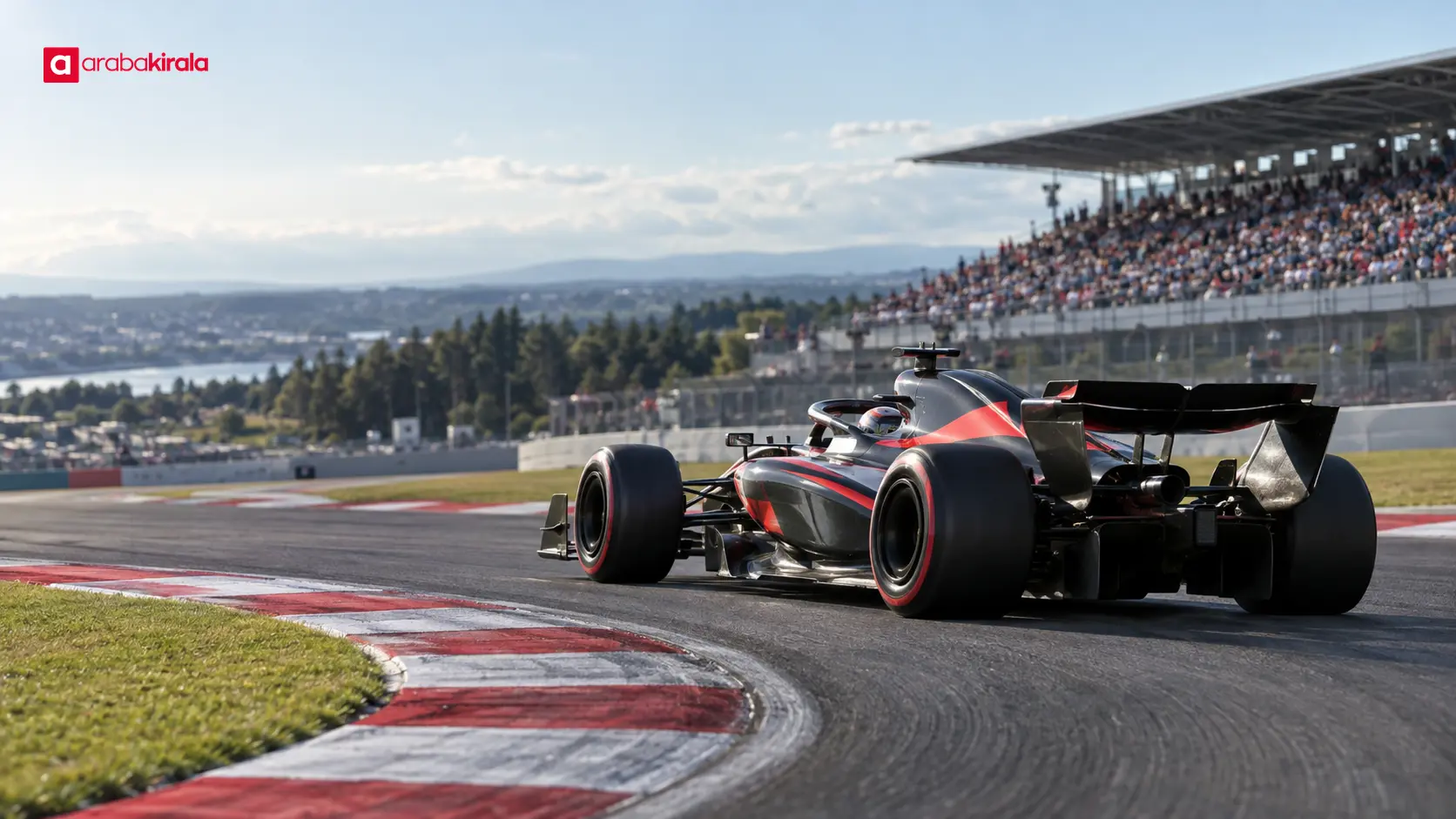
At a standard Grand Prix weekend, Friday has two free practice sessions, Saturday has a third practice session followed by qualifying, and Sunday is the Grand Prix. The published timetable uses local event time, so check the location and time zone when planning to watch. If weather or another issue causes a schedule change, use the official event timetable and session results for the latest sequence.
Each session has a distinct role. Practice lets teams assess the car and tyres. Qualifying sets the starting order for the Grand Prix. The race produces the classified result over its scheduled distance or time limit. A fastest lap in practice does not replace the outcome of qualifying, and qualifying itself is not the race result.
What happens in free practice?
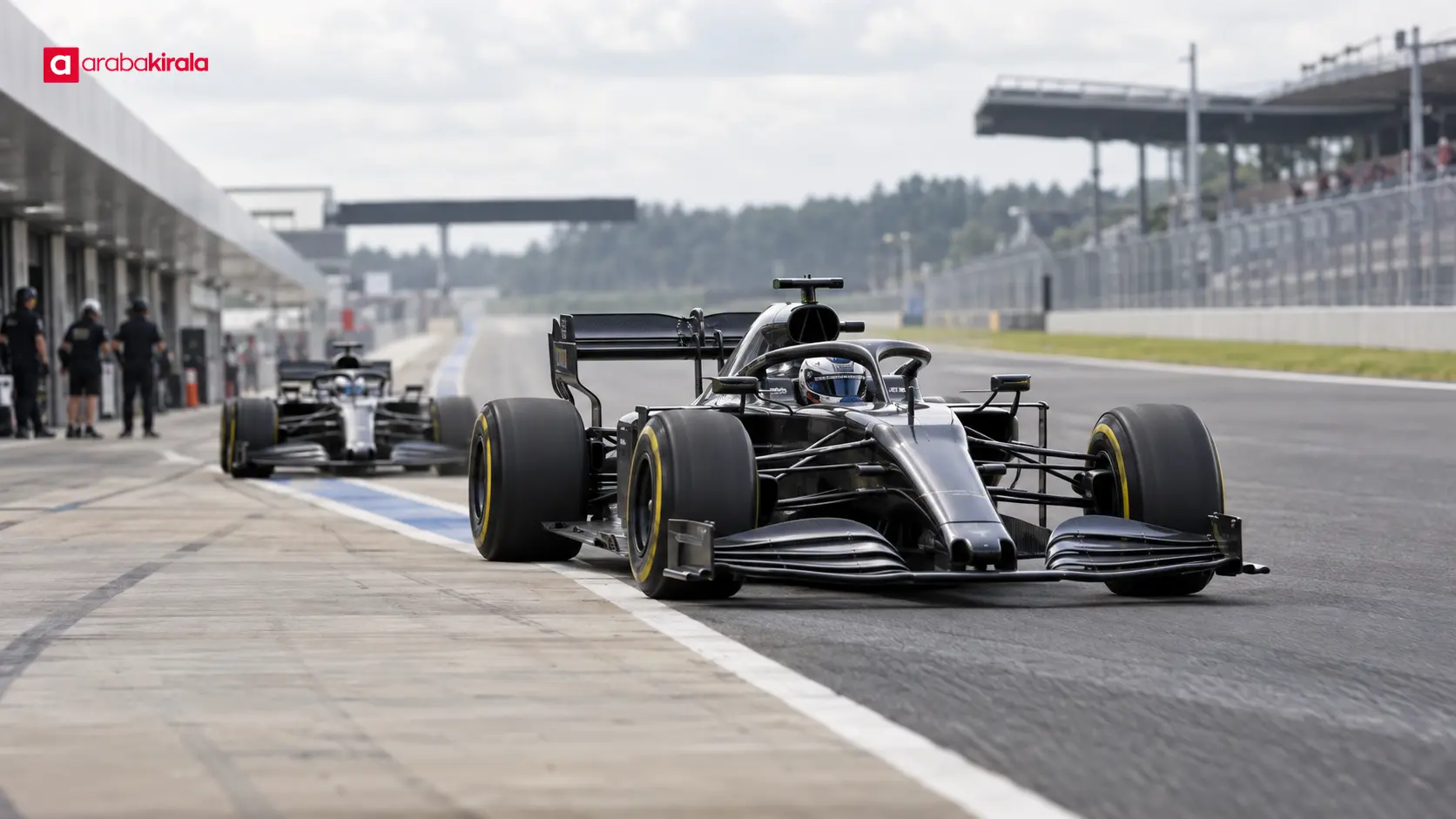
Free practice is a working session in which drivers and teams evaluate the circuit and car setup. Teams may run different fuel loads, tyre compounds and settings, so practice lap times are not a direct measure of race pace or a guaranteed prediction of qualifying. One car may be completing a short, fast run while another is gathering data over longer stints to study tyre wear.
A timing table may show a driver's name, best lap, lap count and gap to a reference time. Lap count helps indicate how much running a driver completed, but it is not a performance ranking by itself. Traffic, yellow flags, weather and the point in the session when a lap was set also affect the result. When reading practice, consider the conditions and purpose of the runs as well as the order on screen.
Lap time and gap are different measurements
A lap time is the time a car takes to complete one lap. A gap shows how far a driver's time is behind a reference driver or best time. Check the table heading to see which reference is being used. This is especially useful during broadcasts that move between timing screens for different sessions.
How qualifying works
On a standard weekend, qualifying is divided into three knockout segments: Q1, Q2 and Q3. At the end of Q1, the five slowest drivers are eliminated. The remaining drivers proceed to Q2, where five more are eliminated. The ten drivers left in Q3 contest the leading grid positions. The published schedule and official classification are the best guides to the arrangement in force at a particular event.
The drivers eliminated in Q1 and Q2 are ordered according to their times in the relevant segment. Q3 determines the top ten. Because the screen can show separate times for each segment, comparing a Q1 lap directly with a Q3 lap may be misleading. Track conditions can improve or change during the session, and drivers may complete different numbers of flying laps in each segment.
If a driver does not complete a lap or fails to record a valid time, their position and starting place depend on the applicable sporting decisions and official records. Grid penalties issued after qualifying can also change the starting order. For that reason, do not assume the first table shown when qualifying ends is the final race grid; check the official starting grid.
What changes at a sprint weekend?
Some Grand Prix events use a sprint format instead of the standard sequence. A sprint weekend has one free practice session and Grand Prix qualifying on Friday, sprint qualifying and a sprint race on Saturday, and the Grand Prix on Sunday. Similar session names can be confusing: Grand Prix qualifying sets the grid for Sunday's race, while sprint qualifying sets the starting order for the sprint.
The sprint is a shorter race session than the Grand Prix and produces its own classification. Sprint qualifying and Grand Prix qualifying are not interchangeable. When following a sprint weekend, check the exact session name and which race its result applies to. Formats and schedules can vary between events, so do not assume a previous weekend's timetable carries over to the next one.
Reading the race grid and result
The Grand Prix starting grid is published using the qualifying result together with any relevant sporting decisions. A grid table may list position, driver and team. If a driver's qualifying position differs from their starting position, the change may reflect a penalty, a decision to start from the pit lane or another official adjustment. Consult the weekend's official decisions and final grid for the explanation.
During the race, the position shown on screen is the driver's current order on track. The classification after the chequered flag is finalized using the finish, laps completed and any sporting decisions. The points table is also published according to the results for each type of race. Reading sprint and Grand Prix classifications separately makes it easier to follow the weekend's standings.
A simple way to follow timing screens
- Confirm the session: Identify whether the screen shows FP, Q1, Q2, Q3, sprint qualifying, the sprint or the Grand Prix.
- Read the column labels: Check what the lap time, gap and lap count refer to.
- Consider the conditions: Traffic, track temperature, weather and flags affect the context of a lap.
- Wait for the final classification: The official result and starting grid can differ from the provisional screen at the end of a session.
These steps are useful during live coverage. The fastest driver in practice has not thereby earned pole position; pole position is the front place on the Grand Prix grid, determined through qualifying. Likewise, the fastest time in sprint qualifying does not set pole for the Grand Prix.
Weekend format at a glance
In the regular format, practice is for preparation and evaluation, qualifying sets the Grand Prix grid and Sunday's race produces the main race result. The sprint format adds sprint qualifying and a shorter race on Saturday, alongside a separate qualifying session and Grand Prix. To follow the weekend, check the session name, when a time was set and whether the official grid has been updated. For the next race, opening the timetable and noting what each session determines is a practical way to understand the Formula 1 weekend format.
Frequently Asked Questions
What do Q1, Q2 and Q3 mean in Formula 1?
Q1, Q2 and Q3 are the three successive parts of qualifying. Drivers are eliminated after Q1 and Q2, while the ten who remain in Q3 contest the first ten grid positions.
Does the fastest practice driver start the race first?
No. Practice times belong to a working session. The Grand Prix starting order is set through qualifying and may later be affected by sporting decisions.
What is pole position?
Pole position is the first place on the Grand Prix starting grid. In a standard weekend, the qualifying result helps determine it; the official grid reflects any later changes.
Does sprint qualifying set the Grand Prix grid?
No. Sprint qualifying sets the starting order for the sprint race. A separate Grand Prix qualifying session determines the starting order for the Grand Prix.
Why can the qualifying result differ from the race grid?
Grid penalties or official decisions issued after the session can change the starting order. Check the final grid published before the race.
Why do lap times change during a session?
Track and weather conditions can change, while traffic, tyre choice and run plan also affect lap times. Consider the circumstances in which a time was set, not only its rank on screen.
Legal Disclaimer: All content, articles and information on the Araba Kirala website are provided solely to inform users. No information shared on this website constitutes definitive advice or guidance. Araba Kirala Teknoloji A.Ş. and its authors cannot be held responsible for any direct or indirect damages arising from the application of information on the website. For all questions and requests regarding car rental, please contact the office from which you will rent your vehicle.