What Do Front and Rear Car Lights Do?
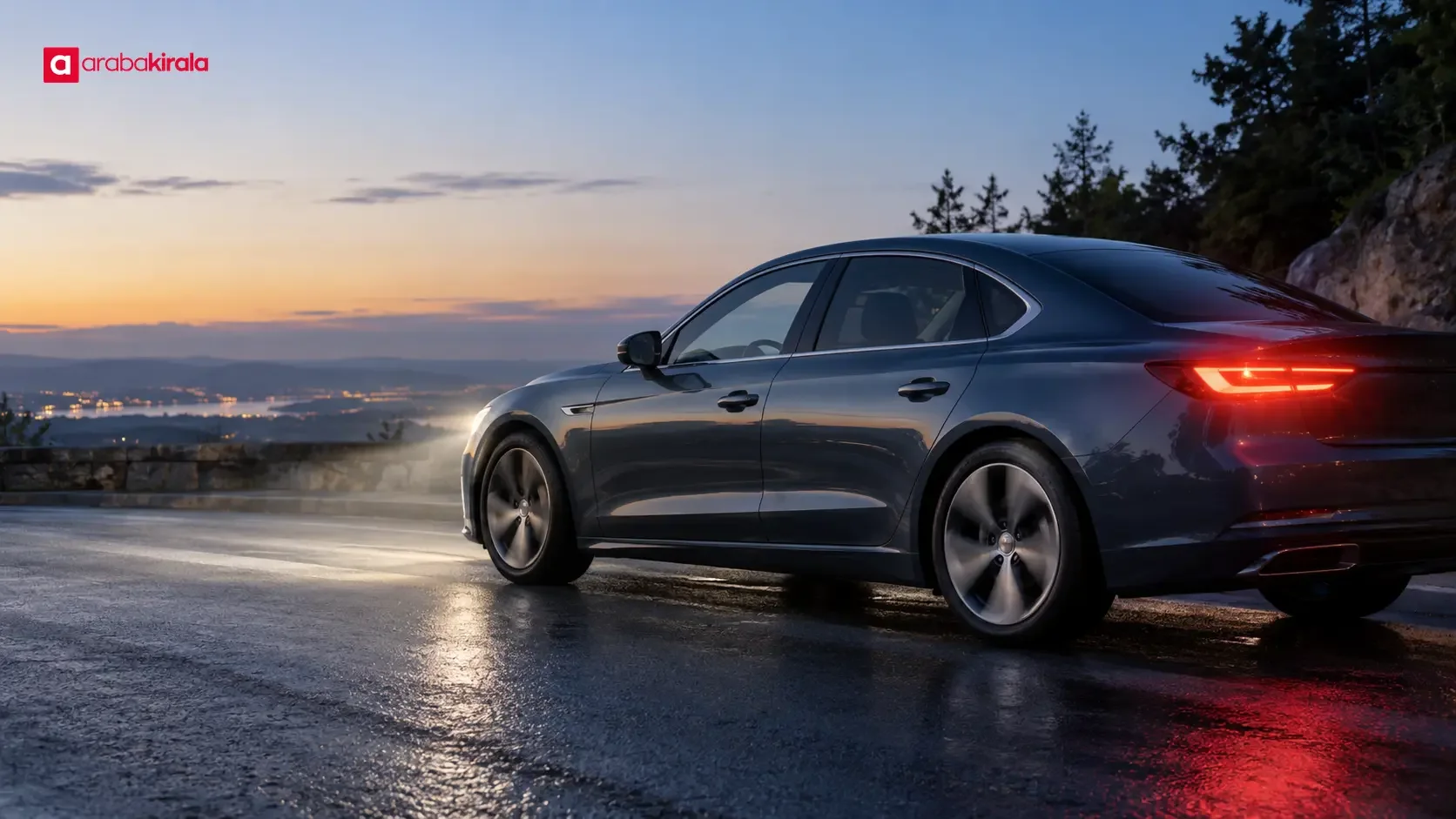
Car lighting systems help drivers see the road, help other road users notice a vehicle, and communicate what the driver plans to do. Headlights and indicators at the front serve different purposes from rear position lamps, brake lights, and reversing lights. Knowing these roles makes it easier to choose the right lighting in darkness, rain, fog, and other low-visibility conditions.
Names, controls, and operating details can vary by vehicle model. This guide provides general information; use the owner’s manual to identify the symbols and controls in a particular car. When collecting a rental car, checking that its exterior lights work and learning the controls is also a useful part of getting familiar with the vehicle.
Front lighting: seeing and being seen
Low-beam headlights
Low beams light the road ahead in darkness and when visibility is reduced. Their beam is aimed down toward the road so that it is less likely to impair the vision of oncoming drivers. They are the primary headlights for ordinary night driving. In a tunnel, a covered passage, heavy rain, or another dim setting, consider both what you can see and whether others can see your car.
Headlights being switched on does not guarantee that the road is adequately lit. Dirt, condensation, snow, or a damaged lens can reduce light output. Incorrect aim can also keep the beam from falling where it is needed; lights aimed too high may dazzle other drivers. Keep the lens covers clean and arrange a safe inspection if a lamp is visibly damaged or the beam seems misdirected.
High beams
High beams illuminate a longer stretch of a dark road. Because their beams reach farther than low beams, leaving them on when another vehicle is approaching or a driver ahead could be affected can cause discomfort and risk. Switch to low beams in those situations. The road, surroundings, and presence of other road users should guide when high beams are appropriate.
A dashboard symbol usually indicates that high beams are active. Cars with automatic high-beam features may switch modes based on lighting conditions and detected vehicles. The feature does not replace the driver’s judgment: keep watching the road, check whether the beam affects others, and change modes manually when needed. The system’s coverage varies by model, so consult the manual.
Daytime running lights
Daytime running lights are designed mainly to make a vehicle more noticeable from the front in daylight. They are not necessarily a substitute for headlights that illuminate the road at night. On some cars, the rear lamps may behave differently while daytime running lights are on. A car that appears lit from the front in daylight should not be assumed to have adequate lighting at the rear as dusk falls or visibility worsens.
At sunset, in a tunnel, during rain, or on a shaded road, check the selected lighting mode rather than relying only on the lamps visible at the front. If the car has automatic lights, check whether the sensor has activated them and select an appropriate mode when necessary. Daytime running lights do not always mean that the rear lamps are on.
Front fog lamps
Where fitted, front fog lamps may help illuminate the area close to the road in fog or certain conditions with substantially reduced visibility. Their controls and intended use vary by model. Do not switch them on just because it is raining or for appearance; consider their effect on other drivers. When fog shortens the visible distance, adjust speed and following distance to the conditions. Lighting cannot replace a safe gap.
Rear lighting: being noticed and communicating intent
Rear position and parking lamps
Rear position lamps help show other drivers where the vehicle is and how wide it is. They may operate together with front position lights or as part of a headlight setting. Parking lamps can serve a visibility purpose while a vehicle is parked, but which lamps operate and how they are controlled differ between cars. They do not perform the same job as headlights that illuminate the road.
In darkness or reduced visibility, lighting only the front of a car is not enough; drivers approaching from behind also need to see it. Choose a mode suited to the conditions and check that rear lamps work. Dashboard exterior-light symbols can help identify the selected mode, but confirm unfamiliar symbols in the vehicle manual.
Brake lights and the third brake light
Brake lights tell road users behind that the driver is applying the brakes and slowing down. Some cars also have a third brake light, often mounted high on the rear window or body, which can make the braking signal easier to notice. These lights mainly communicate a change in the car’s movement; they do not light the road.
If a brake light is out, a driver behind may notice the slowdown later. Check that the lights work when collecting a vehicle or during routine checks. If you need help, ask another person to observe while the car is stationary in a safe place; do not try to check lights while driving. If a lamp is damaged or a brake light stays on, arrange an inspection promptly and notify the responsible service or contact.
Turn signals and hazard warning lights
Front and rear turn signals communicate an intention to turn or change lanes. Signal before beginning a manoeuvre and cancel the signal when it is complete. A signal by itself does not give a driver priority; use it alongside mirrors and checks of the surrounding traffic. An unusually rapid flash can indicate a lamp fault, so consult the owner’s manual and have the system checked as appropriate.
Hazard warning lights operate the vehicle’s indicators together to attract attention. Their controls and suitable use depend on the car and circumstances. They do not make an unsafe stopping place safe or compensate for blocking traffic. Consider the position of the vehicle and the needs of other road users.
Reversing lights
Reversing lights are white lamps that generally come on when reverse gear is selected. They signal that the vehicle may move backwards and can help illuminate the nearby area. Rear-view cameras and parking sensors provide additional assistance, but they do not replace direct observation, mirrors, or awareness of the surroundings. Check around the vehicle before reversing, move slowly, and take extra care if a light or sensor is not working.
Rear fog lamp
A rear fog lamp, if the vehicle has one, is a bright lamp intended to make the car easier to see from behind in dense fog or similarly very poor visibility. Its control varies by model. When visibility is good, its intensity can inconvenience drivers behind. Turn it off when visibility improves, and remember that it can be much brighter than the ordinary rear position lamps.
How to read lighting symbols on the dashboard
Lighting controls and dashboard symbols indicate whether headlights or particular light functions are selected. Low beam, high beam, fog lamps, and turn signals often have distinct icons, but their appearance, colour, and location vary by model. If a symbol is unfamiliar, check the owner’s manual instead of guessing. A dashboard indicator does not prove that every exterior bulb or module is working correctly, so inspect the lamps themselves too.
If a headlight warning, bulb fault message, or unusual flashing appears, assess the issue in a safe place. Modern cars may use LED modules or electronic controls. Removing these parts or handling wiring without the right knowledge and equipment can be unsafe. Limit checks to what the manual describes for the user, and seek professional service when repair is needed.
Practical checks for safe use
- Before setting off: Look for obvious cracks, dirt, or operating problems in the headlights, indicators, brake lights, and rear lamps. This is especially useful before night driving or a longer trip.
- Keep glass and lamp covers clean: Dirt or a film of water on the windscreen, headlight covers, or rear lamps can reduce visibility and make the vehicle harder to notice. Clean surfaces without damaging them.
- Choose a mode for the conditions: When using automatic lights, low beams, or fog lamps, consider the available light, visibility, and other road users.
- Pay attention to changes in beam aim: A loaded vehicle or a headlight beam that appears unusually high or low can change what the driver sees and how the lights affect oncoming traffic. Consult the manual or technical support about an adjustment.
- Do not ignore a fault: If a lamp is dim, flickering, broken, or has water inside, arrange a professional check before relying on it. Do not dismantle electrical equipment without the necessary knowledge.
When collecting a rental car, check that its exterior lights work and learn where the controls are; the owner’s manual can explain any automatic lighting features. If you notice damage, a fault, or an unclear control, tell the branch you are renting from before setting off. Procedures can differ by branch and vehicle, so ask the rental location directly about details that apply to that booking.
Frequently asked questions
Can daytime running lights replace low-beam headlights?
Daytime running lights mainly help other road users notice a car from the front in daylight. Low beams have a different role in darkness and reduced visibility. Whether rear lamps operate with daytime lights also depends on the model, so select the suitable setting and consult the manual.
When should high beams be changed to low beams?
Switch to low beams when a vehicle is approaching or when the high beam could affect a driver ahead. Use high beams with regard to the road and surrounding traffic. Even with an automatic system, check that other road users are not being dazzled.
Should I leave the rear fog lamp on throughout rainy weather?
The rear fog lamp is intended for very poor visibility. In rain where visibility is adequate, its bright light may bother a driver behind. Check the manual for the vehicle’s controls and switch the lamp off as visibility improves.
What should I do if an exterior light does not work?
Stop in a safe place, identify which lamp is affected, and follow the user guidance in the manual. Do not dismantle electronic or LED equipment at random; get professional help if a repair is needed. For a rental car, report the fault to the branch you rented from.
How can I check whether the brake lights work?
With the car stationary on level ground in a safe place, another person can observe the rear brake lights while the pedal is pressed. If alone, use a suitable reflective surface only if it is safe to do so; never check the lights while the car is moving.
Front and rear lighting affects both what the driver can see and what the vehicle communicates to others. Knowing each lamp’s purpose, selecting a suitable mode, and keeping the lights in working order are practical parts of everyday road safety. Confirm model-specific symbols and controls in the manual, and ask the relevant rental location about branch or booking details when using a rental car.
Legal Disclaimer: All content, articles and information on the Araba Kirala website are provided solely to inform users. No information shared on this website constitutes definitive advice or guidance. Araba Kirala Teknoloji A.Ş. and its authors cannot be held responsible for any direct or indirect damages arising from the application of information on the website. For all questions and requests regarding car rental, please contact the office from which you will rent your vehicle.