A Car-Based Guide to Zeugma and Gaziantep’s Historic Bazaars
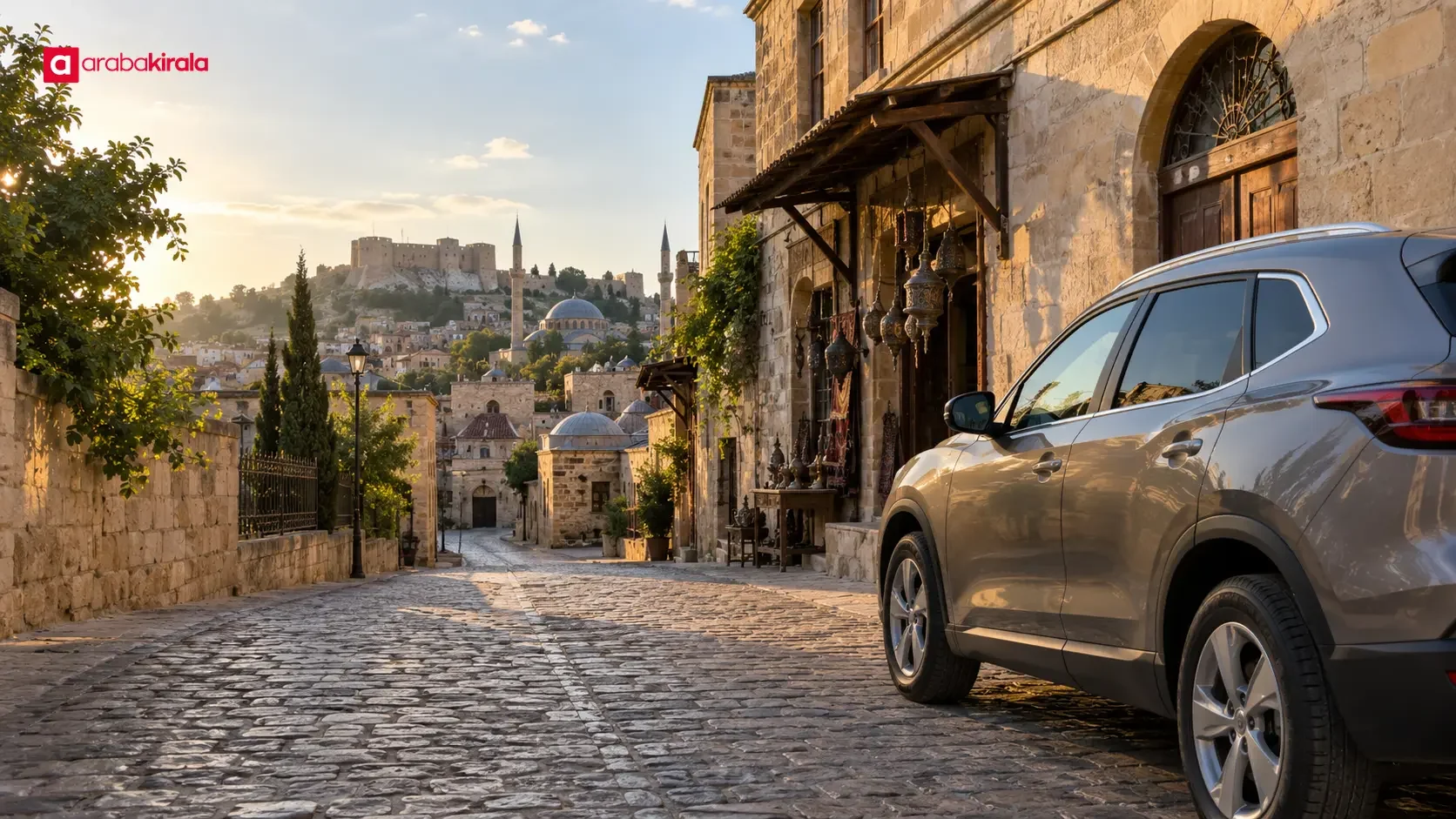
A car-based visit to Gaziantep’s historic sites can make it easier to combine the Zeugma Mosaic Museum with the old city’s bazaars and inns. Driving directly to every doorway, however, is rarely the most useful way to explore the historic center. Narrow streets, pedestrian activity and the time spent looking for parking can slow the day down. A more comfortable plan groups the museum and old-city areas into separate visits, parks in an appropriate place, and covers the compact historic streets on foot.
How to organize a day of historic sightseeing
Think of the itinerary in two broad parts: a dedicated visit to the Zeugma Mosaic Museum and a walking circuit through the bazaar and inn district. This division helps avoid repeated driving between nearby streets. Many visitors find it straightforward to visit the museum first, then move to the center and explore the old-city area on foot. The best order for your day depends on how long you want to spend in the museum, the opening schedule and the time you need for breaks.
Before setting out, check the official pages for the museum and any cultural sites you plan to enter. Opening days and hours, visitor arrangements and special-day schedules can change. Leave room in your timetable for city traffic, road works and parking; a short distance on a map does not tell you how long it will take to park and walk to the entrance.
Making time for Zeugma Mosaic Museum
The Zeugma Mosaic Museum is one of Gaziantep’s central cultural stops. Give yourself time to follow the exhibition route and read the interpretive panels instead of treating the visit as a quick photo stop. Context about the subjects, making and archaeological setting of the mosaics can add meaning to what you see. On busy days, keep your estimate flexible, since the time needed to move through the galleries varies with visitor flow and individual interest.
When approaching by car, follow current road signs and use permitted parking areas rather than relying blindly on the final point shown by a navigation app. Do not stop where you obstruct a sidewalk, crossing or moving traffic just to get closer to an entrance. Saving the parked car’s location on your phone can make it easier to find after the visit. If you have a rental car, do not assume a particular company arrangement for nearby parking, waiting or vehicle collection; check any reservation-specific details with the branch you are renting from.
Explore the historic bazaars on foot
Streets around Gaziantep’s historic bazaars and inns can be busy and, in places, narrow. Driving from one storefront to another may add time through parking searches and maneuvering. It is often more practical to park legally in a suitable area and walk between nearby stops. Access arrangements can vary by street and time, so follow signs and official directions on site.
Build a walking circuit around nearby places. The streets around Bakırcılar Çarşısı, historic inns and other old-city sights can be treated as one pedestrian section, reducing the need to return to the car. Remember that bazaars are working commercial areas: keep entrances and loading routes clear, avoid blocking shop fronts, and move carefully through crowded lanes. Check whether a building is open to visitors and what access is available; the presence of a historic structure does not mean every interior space is open to the public.
A flexible one-day outline
Use the first part of the day for Zeugma Mosaic Museum, allowing enough time to visit without rushing. Then drive toward the center, leave the car in an allowed parking place and explore the bazaars, inns and surrounding streets on foot. A meal break near the walking area can reduce the need to look for another parking space. If time and energy allow, add another cultural stop that fits the day’s opening hours.
Treat this as an adjustable outline rather than a fixed tour. Museum hours, traffic, weather, crowd levels and personal interests all affect the pace. If traveling with children or someone who has limited mobility, plan realistic walking distances and rest stops. A route that looks short on a map may take longer because of slopes, sidewalk conditions or a dense pedestrian flow.
Parking and safe driving in the city
Read parking signs, road markings and any notices about payment or time limits. Avoid stopping near junctions, pedestrian crossings, entrances or emergency access points. Lock the vehicle when you leave and keep valuables out of sight. Take your time when maneuvering on narrow streets, especially where pedestrians and motorcycles are common. If a navigation app suggests a shortcut through a street that is too narrow or unsuitable for vehicles, choose a wider, appropriate route instead.
With a rental vehicle, review the agreement and handover record for how existing damage is documented, how the fuel and distance readings are recorded, how parking or traffic notices are handled, and what the return process involves. These details can vary by company and booking. Ask the branch you will rent from about anything unclear. While driving, follow road signs, keep your phone out of your hand and do not let the search for a parking place distract from safe driving.
Practical preparation for your visit
- Save the main points: Mark the museum, a possible parking area near the center and the start of your walking circuit on a map.
- Check official visitor information: Confirm current opening hours for museums and sites before leaving.
- Prepare for walking: You may spend a substantial part of the day outside the car, so wear comfortable shoes and clothing suited to the weather.
- Keep the schedule flexible: Traffic, parking and gallery visits take varying amounts of time, so avoid assigning every stop a rigid minute-by-minute slot.
- Keep vehicle records accessible: Retain the handover and vehicle-check records until the trip is complete.
Frequently asked questions
Can I visit Zeugma and the historic bazaars in one day?
That may fit your day depending on how much time you have and the museum’s current hours. Allow enough time for the museum, then choose a manageable set of historic-center stops that are close enough to explore on foot. Prioritizing a few places is usually more comfortable than trying to include every possible stop.
Do I need to drive through the historic bazaars?
Many nearby bazaar and inn stops can be visited on foot. Trying to bring a car to each entrance can make parking and traffic more difficult. Leave the vehicle in a suitable place and follow a walking route, checking current signs and directions when you park.
What should I check before the trip?
Check current opening hours, visitor access arrangements and road conditions for your route. If using a rental car, confirm booking-specific distance, parking, return and use details with the branch. Do not rely on a general assumption about company terms.
Is renting a car necessary for this itinerary?
That depends on where you are staying, your group, schedule and available transport. A car can help connect separate stops, while much of the historic-center visit can be done on foot. Include parking and walking time in your plan, not just time behind the wheel.
Legal Disclaimer: All content, articles and information on the Araba Kirala website are provided solely to inform users. No information shared on this website constitutes definitive advice or guidance. Araba Kirala Teknoloji A.Ş. and its authors cannot be held responsible for any direct or indirect damages arising from the application of information on the website. For all questions and requests regarding car rental, please contact the office from which you will rent your vehicle.