Home EV Charging Safety and Electrical Basics
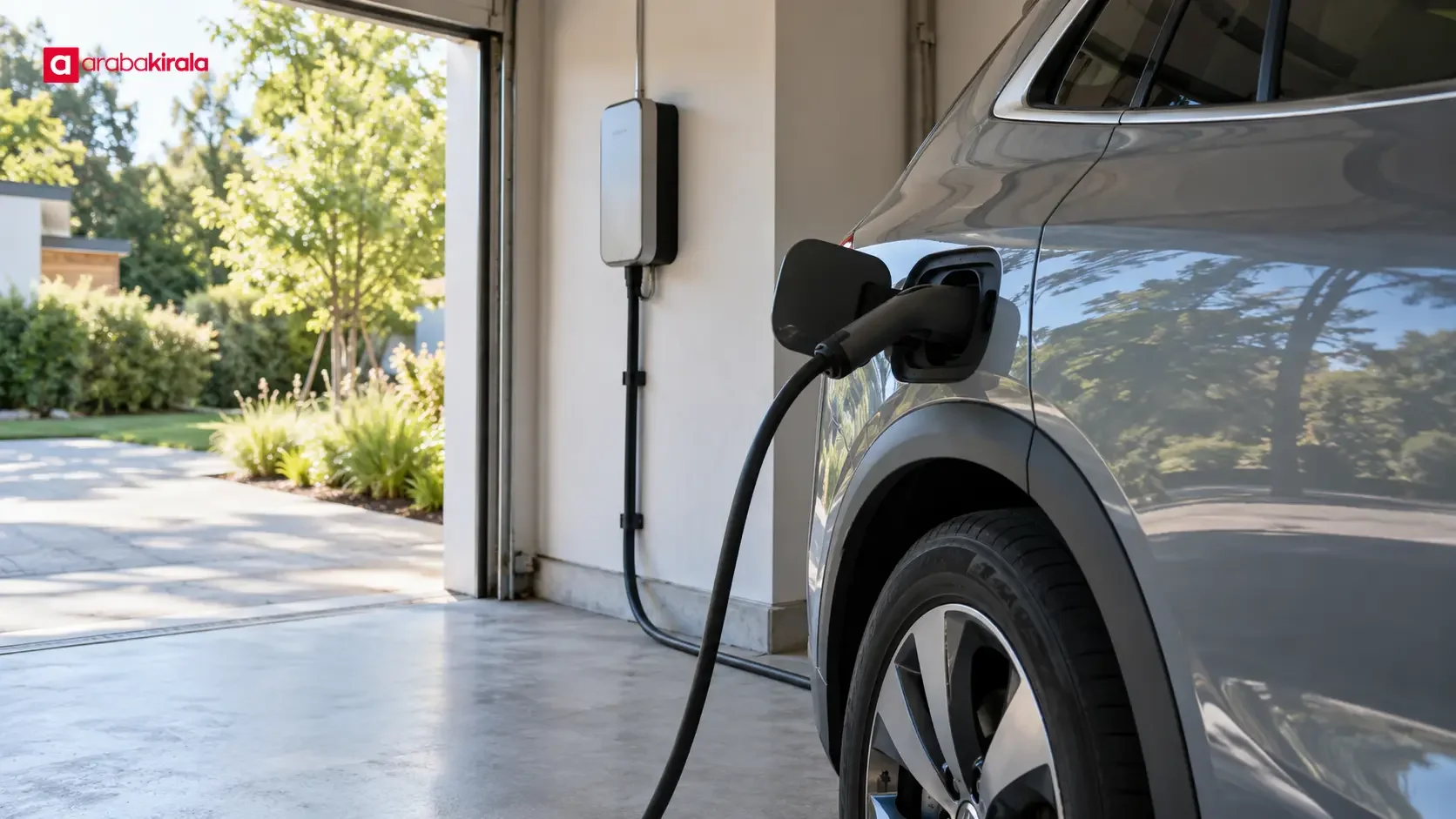
Home EV charging safety starts with compatible equipment, a suitable electrical installation and careful handling of plugs and cables. Connecting a car to a household outlet may look straightforward, but charging can place a sustained load on a circuit for hours. An outlet that works for a short-use appliance is not automatically suitable for that duty. Before relying on a home charging point, have the circuit assessed by a qualified electrician and follow the vehicle and charger manufacturers’ instructions.
How charging at home works
An electric vehicle receives energy through charging equipment designed to connect the electrical supply to the car in a controlled way. A portable charging cable or a fixed wall unit communicates with the vehicle as charging starts and continues. The available charging power depends on several parts of the system: the car’s charging capability, the charger’s rating and the installation’s capacity. Choosing a higher-rated unit by itself does not guarantee faster charging or a safe setup. The vehicle, equipment and electrical supply need to be compatible.
With alternating current (AC) charging, the car converts electricity from the supply into the form its battery uses. The conversion takes place in the vehicle’s onboard charger. With direct current (DC) charging, conversion takes place in the charging equipment. Home arrangements commonly use AC equipment, while the suitable option depends on the vehicle and the electrical installation. Check the owner’s manual for supported charging methods, connectors and operating guidance.
Why the outlet and wiring need an assessment
Charging can draw a substantial load continuously over an extended period. The fact that an outlet looks intact does not confirm that the cable behind it, its terminations, circuit protection or shared circuit can safely handle that demand. Loose contacts, damage, ageing components or other high-load appliances on the same circuit can contribute to overheating. The age of a building alone cannot determine whether its wiring is suitable; an inspection and appropriate checks are needed.
Before installing a charging point, ask a qualified electrician to examine the supply circuit, protective devices and earthing arrangement. The assessment should account for the technical specifications of both the vehicle and the charging equipment. The electrician can advise whether a dedicated circuit is needed, what protection arrangement is appropriate and where a connection point can be installed. Do not replace a circuit breaker with one of a higher rating without first confirming that the wiring is designed for it. A mismatch can leave the cable without appropriate protection.
Earthing and electrical protection
Earthing is part of the installation’s protection against electrical faults. Residual current protection and other protective components are also intended to reduce danger if a fault occurs. The required arrangement depends on the design of the charging equipment and the installation. Knowing that a home has a residual current device is not, by itself, a complete safety assessment. A qualified person should check the installation against the equipment manufacturer’s requirements and applicable technical practices.
Using the charger and cable carefully
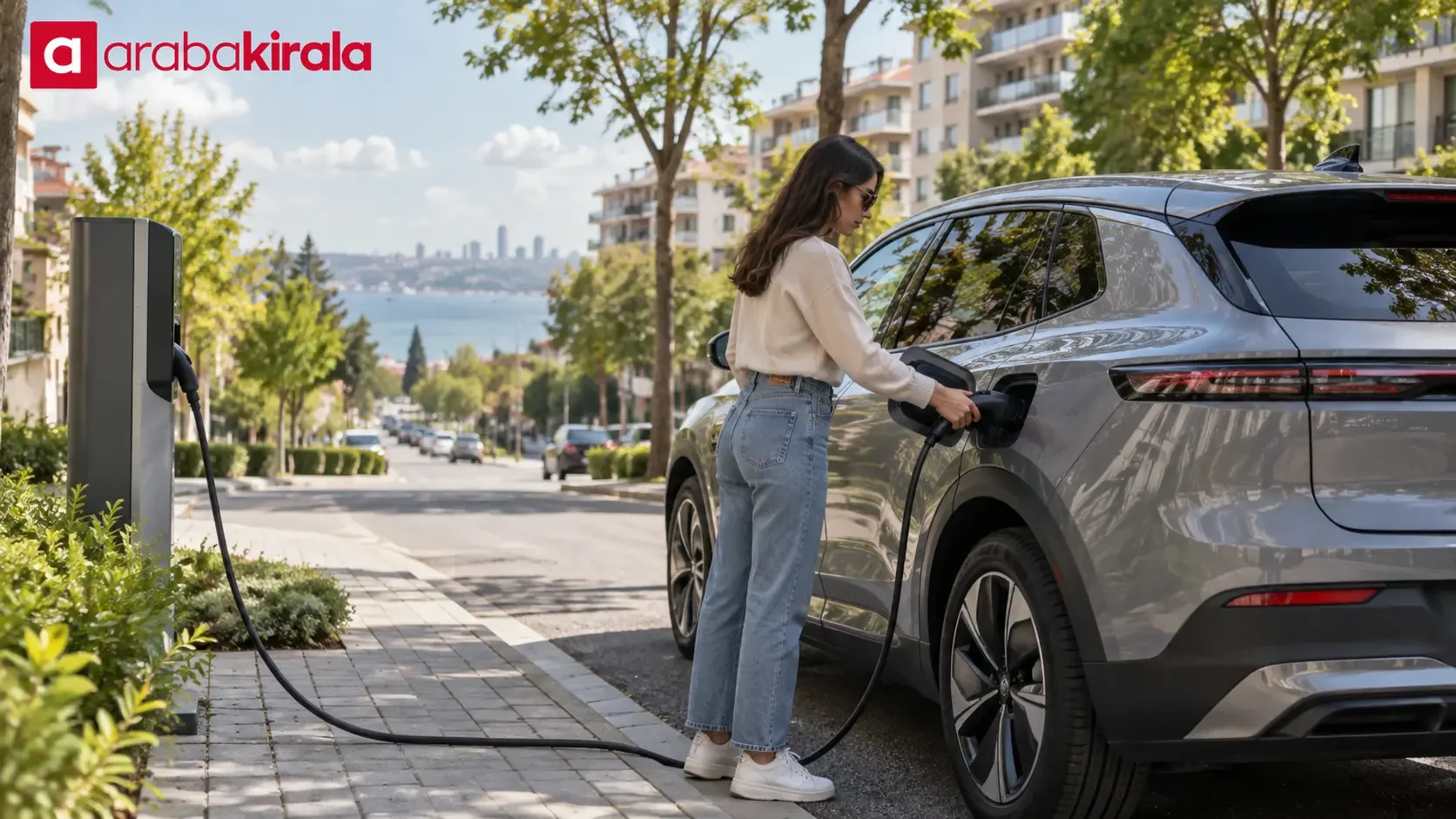
Use equipment that the vehicle manufacturer approves or identifies as compatible. Do not continue using a charger, plug or connector that is cracked, damaged, loose or showing unusual heat. Keep connectors clean and dry, and make sure they fit correctly. Route the cable so it is not pinched by a door, window or garage door, driven over, or bent sharply. A route that avoids walkways and places where the cable can snag helps protect both the connection and people nearby.
Extension leads, multiway adapters and improvised converters can add connection points and expose the circuit to a load for which those accessories may not be designed. Do not use them unless the vehicle and charger manufacturers explicitly state that the particular arrangement is suitable. Do not attempt to repair a charging cable, replace its plug or make a fixed electrical connection yourself. If equipment is damaged or faulty, stop using it and follow the manufacturer’s service instructions.
Choosing and maintaining the charging location
Choose a location where the car can reach the charging point without putting the cable under tension. Follow the charger manufacturer’s requirements for mounting, clearances and protection around the unit. Store the connector so it is protected from dust and impact. Do not handle plugs with wet hands or leave connection points in standing water. If the unit will be used outdoors, confirm in its documentation that it is rated for the expected outdoor conditions. Do not expose equipment to rain or persistent moisture if its instructions do not allow that use.
Keep the charging area clear of combustible clutter and arrange the cable to reduce the risk of crushing or impact. In an enclosed garage, follow the vehicle manufacturer’s guidance and meet the charging equipment’s installation and ventilation requirements. If you notice smoke, sparks, a burning smell or signs of fire, keep away from the equipment and contact emergency services. Do not try to extinguish an electrical incident with water.
Warning signs during charging
Stop charging if a plug, outlet, cable or unit develops significant heat, discolouration, melting, crackling, a burning smell or repeated interruptions. If the equipment’s design and instructions permit, isolate the supply before disconnecting it. Do not touch a hot or damaged part with bare hands. If the issue returns, do not continue using the same outlet. Have an electrician and the relevant equipment support service identify the cause before charging again.
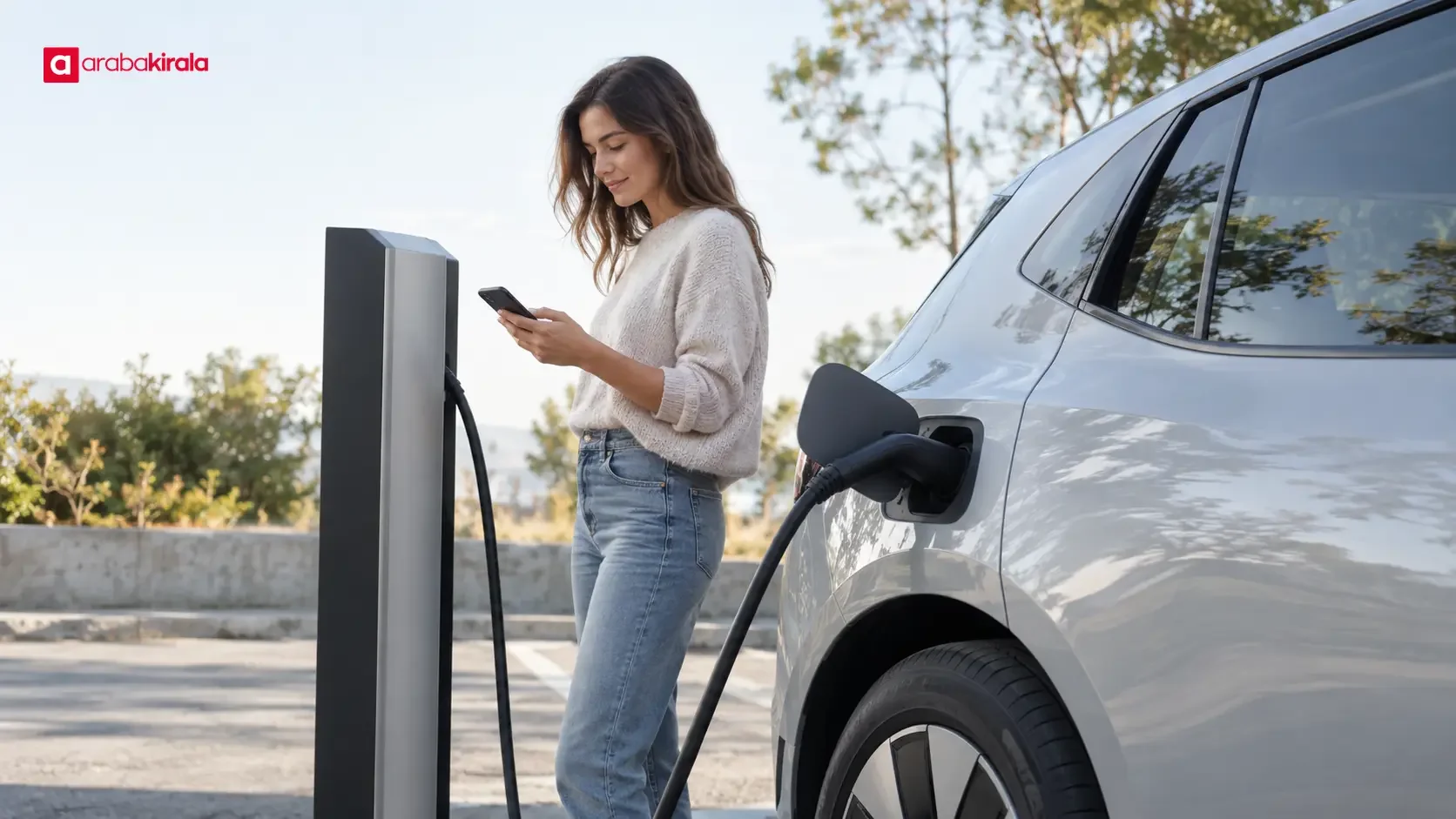
The car display or charging app can help you notice the charging state, connection errors and scheduling messages. If scheduling is available, you can coordinate it with household demand, but scheduling does not make an unsuitable circuit safe. Whether charging can be left unattended should be determined by the vehicle and charger manufacturers’ guidance.
A practical checklist before installation
- Check the vehicle manual for supported charging methods and equipment specifications.
- Ask an electrician to assess the outlet, circuit, earthing and protective devices.
- Read the charger’s use and installation instructions, including any outdoor-use limits.
- Choose a cable route that does not block a driveway, doorway or pedestrian path.
- Stop using equipment if it is damaged or shows unusual heat, sound or smell.
For an apartment or shared parking area, plan for coordination about the space and building arrangements as well as the electrical connection. The process can depend on the building layout and local practices. Discuss the work, access and shared-area arrangements with the relevant building management before installation.
Frequently asked questions
Can I charge an electric vehicle from a standard household outlet?
That depends on the vehicle manufacturer’s instructions, the portable equipment being used and the condition and capacity of the circuit behind the outlet. Physical fit does not prove that the wiring can safely carry a sustained charging load. Obtain an electrical assessment and follow the equipment instructions before relying on an outlet.
Do I need a wall charger at home?
There is no single answer for every vehicle or household. Some vehicles can use compatible portable equipment, while a fixed wall unit is another option that requires installation. Consider your charging needs, vehicle specifications and the electrical supply together.
What should I do if a plug or outlet becomes warm while charging?
Noticeable or increasing heat should not be ignored. Stop charging, disconnect safely and have the equipment and circuit inspected before using them again. If there is smoke, a burning smell or melting, move away and seek emergency help as appropriate.
Is it safe to charge an electric vehicle every night?
A regular charging routine should follow the vehicle, battery and charging equipment manufacturers’ instructions. For safety, the installation and equipment need to be correctly set up, undamaged and used as intended. Use the vehicle manual for battery charging guidance.
Legal Disclaimer: All content, articles and information on the Araba Kirala website are provided solely to inform users. No information shared on this website constitutes definitive advice or guidance. Araba Kirala Teknoloji A.Ş. and its authors cannot be held responsible for any direct or indirect damages arising from the application of information on the website. For all questions and requests regarding car rental, please contact the office from which you will rent your vehicle.