How Does a Car-Sharing System Work? Models and Use Cases
Published: October 5, 2026 • Reading Time: 7 min • Last Updated: October 5, 2026
Learn what car sharing is, how station-based and free-floating models operate, which trips they may suit, and what to check before booking.
Contents
- What car sharing means and what this guide covers
- How does a car-sharing system work?
- 1. Find a vehicle and check the format
- 2. Book and access the car
- 3. Drive and close the trip
- Main car-sharing models
- Station-based, round-trip model
- Free-floating model
- Peer-to-peer car sharing
- Which needs may car sharing suit?
- Car sharing compared with conventional car rental
- A practical checklist before booking
- Frequently asked questions
- Does a shared car have to be returned to its starting point?
- Are car sharing and ride sharing the same thing?
- How is the charge calculated?
- Can car sharing work for a long trip?
- Next step: match the trip to the model
What car sharing means and what this guide covers
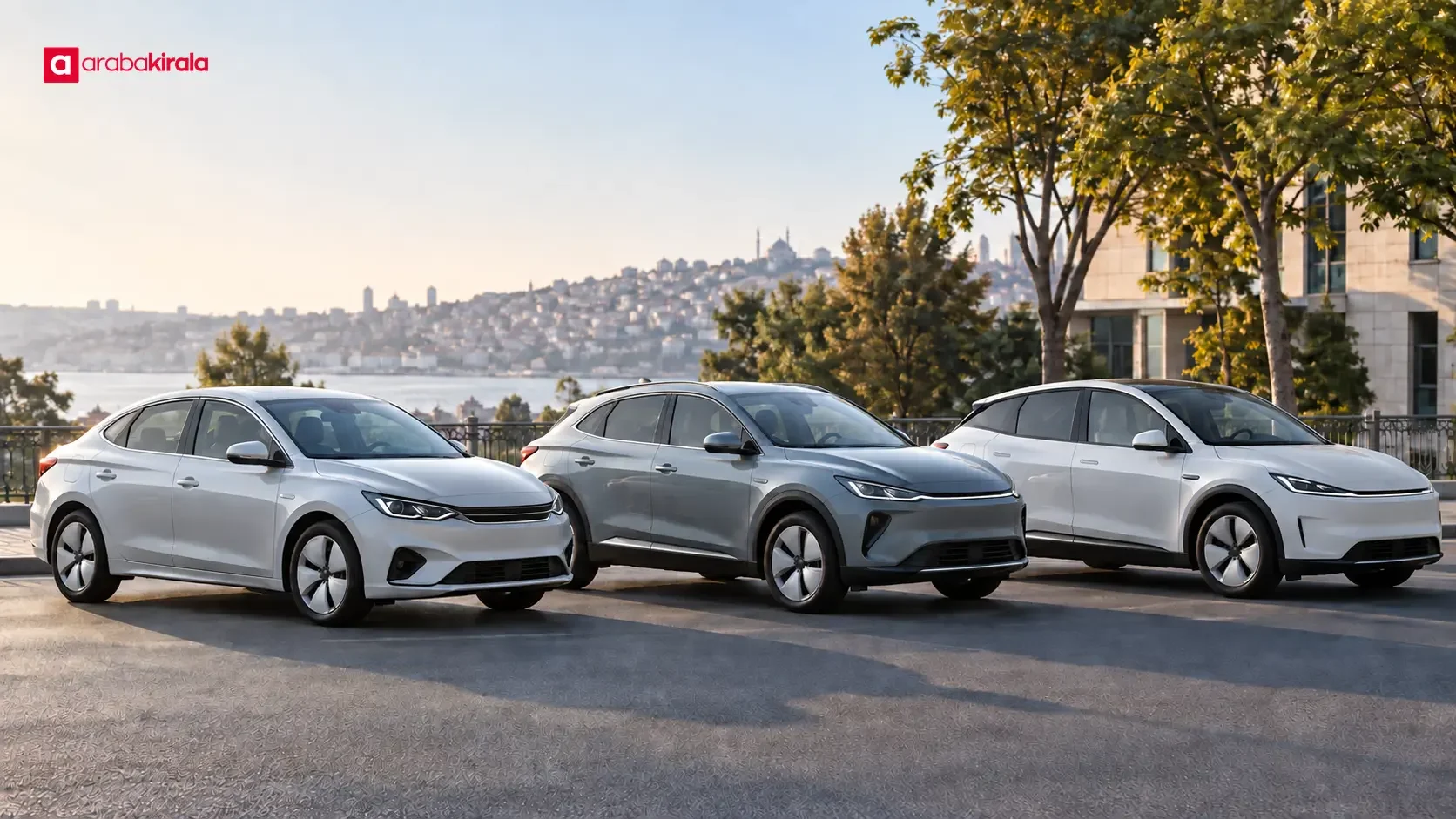
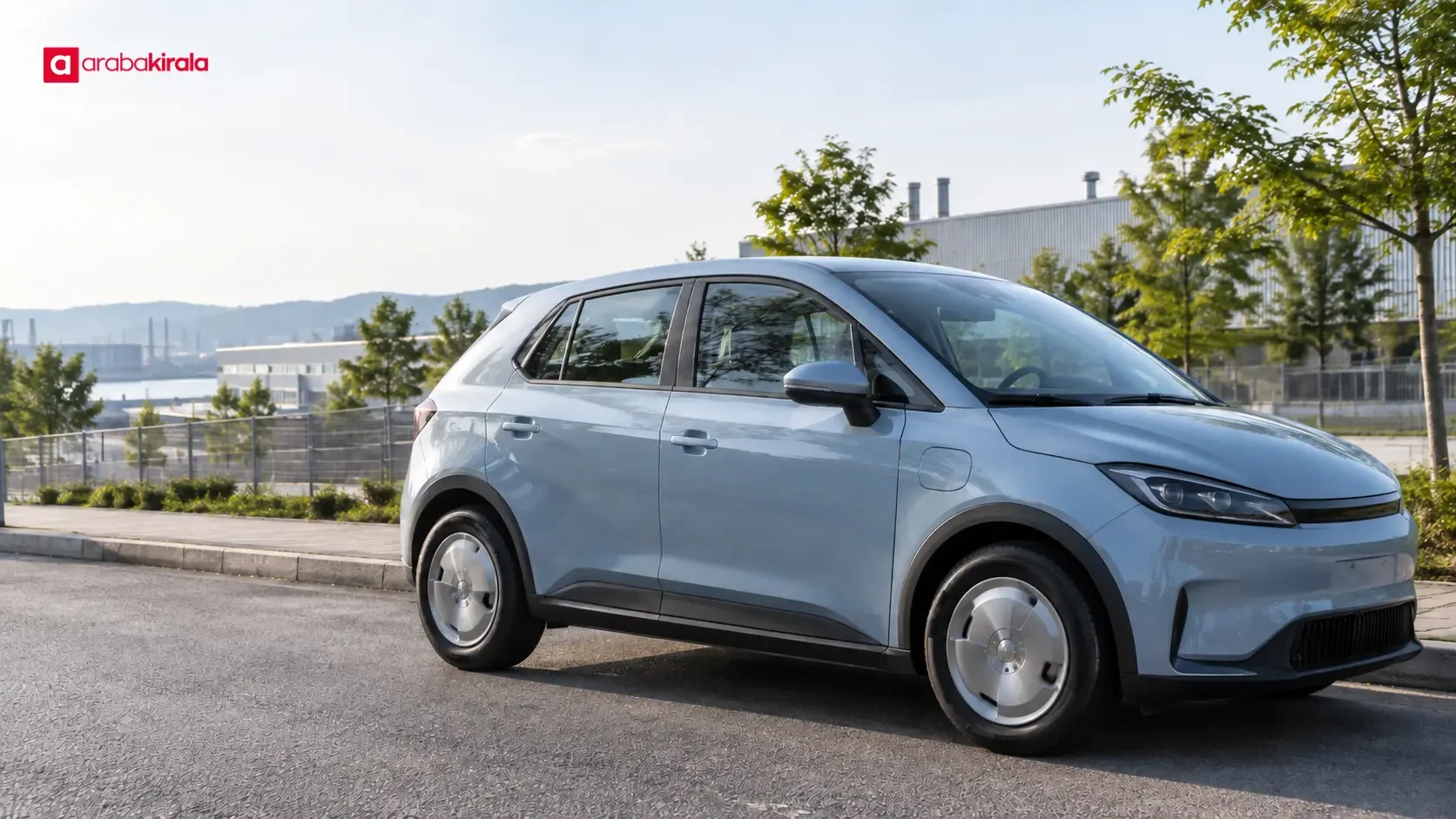
How does a car-sharing system work? In short, a user arranges access to a vehicle for a defined period and drives it for their own trip instead of owning the car. The vehicle may come from an organised fleet or, in some arrangements, from a private owner. Booking, access, the length of use, and return steps depend on the model. This guide explains the distinction between car sharing and ride sharing, the main station-based and free-floating models, how a typical booking unfolds, and the kinds of travel needs each arrangement may fit.
With car sharing, the user drives the vehicle. Ride sharing or carpooling means that multiple people travel together in one vehicle; it is a different concept. The distinction matters because access to a car for a period is central to the first, while sharing a journey with other passengers is central to the second.
How does a car-sharing system work?
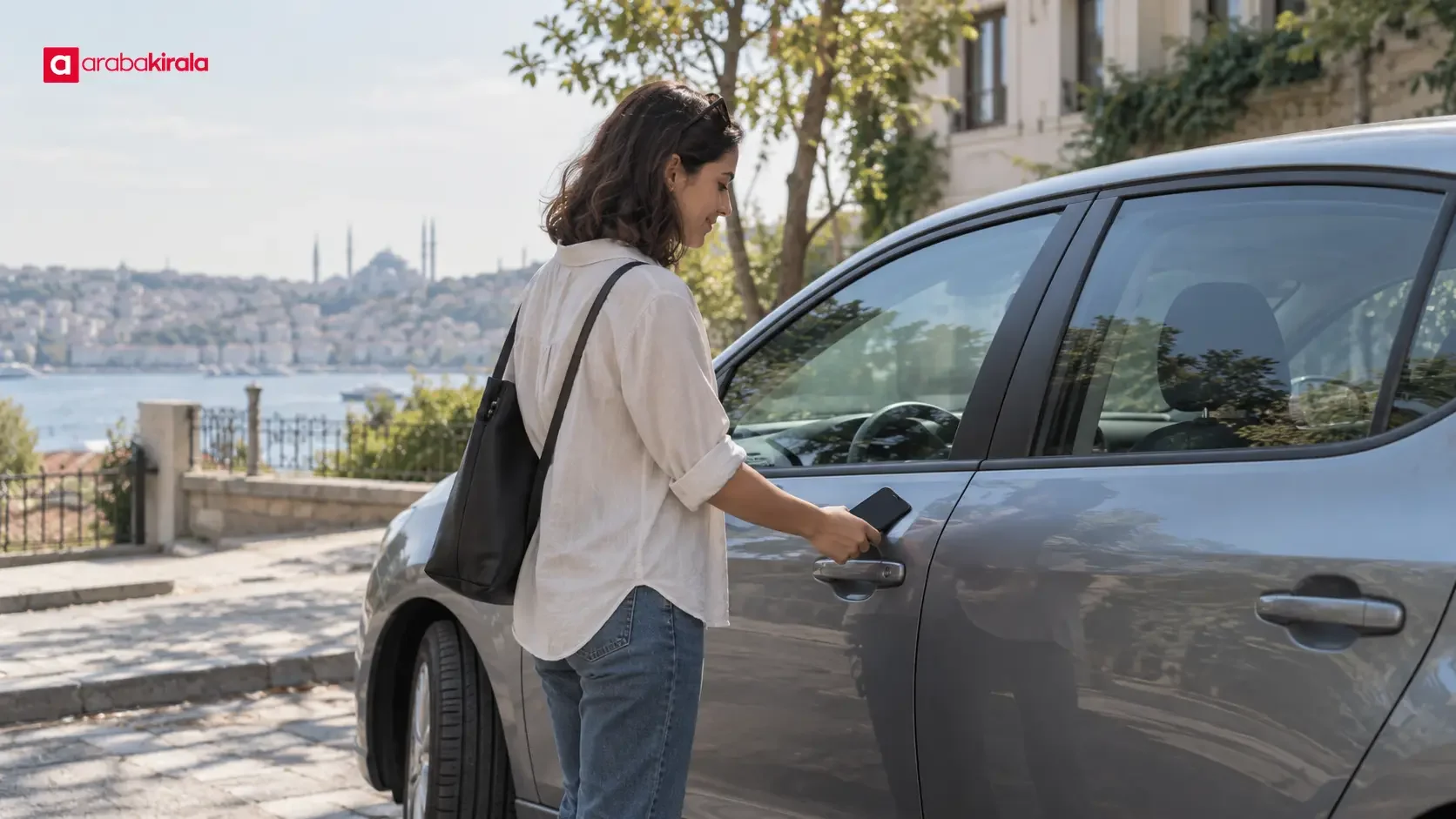
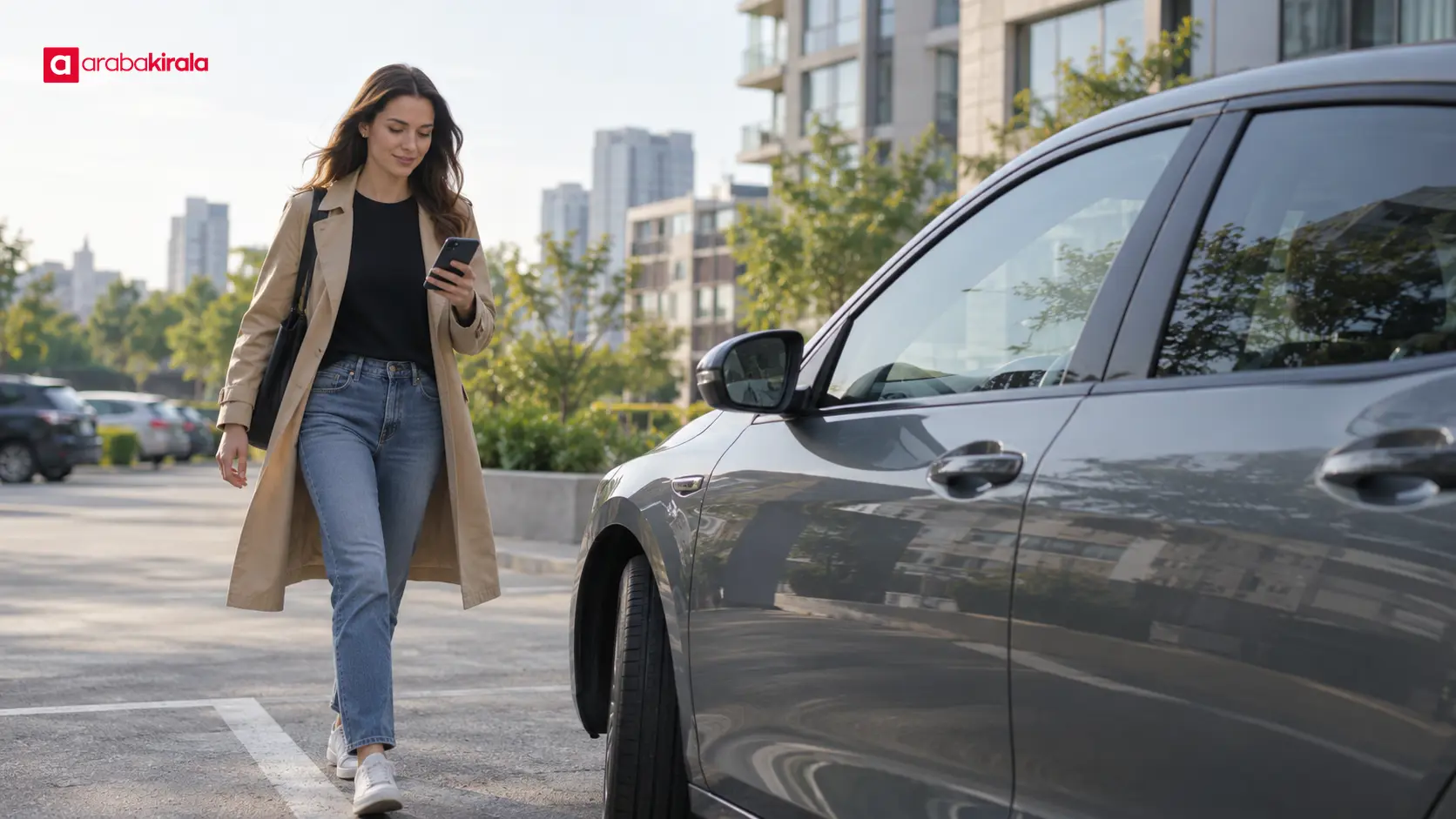
The process generally revolves around digital registration and access. After meeting the service’s participation and identity-check requirements, a user looks for a vehicle and usage format that match the trip. Booking, unlocking or collecting the car, and ending the use follow the method set out by that service. Some systems may provide access through a phone; others may use a different handover process. A similar app interface therefore does not mean that the car’s location or return procedure will be the same everywhere.
1. Find a vehicle and check the format
The user searches for a vehicle that fits the needed time window and route. It is useful to confirm that the location shown is an actual pickup point, check the operating-area boundary, and understand where the car must be left at the end. Availability on a map does not always explain the full journey arrangement, so read the booking summary and relevant service instructions too.
2. Book and access the car
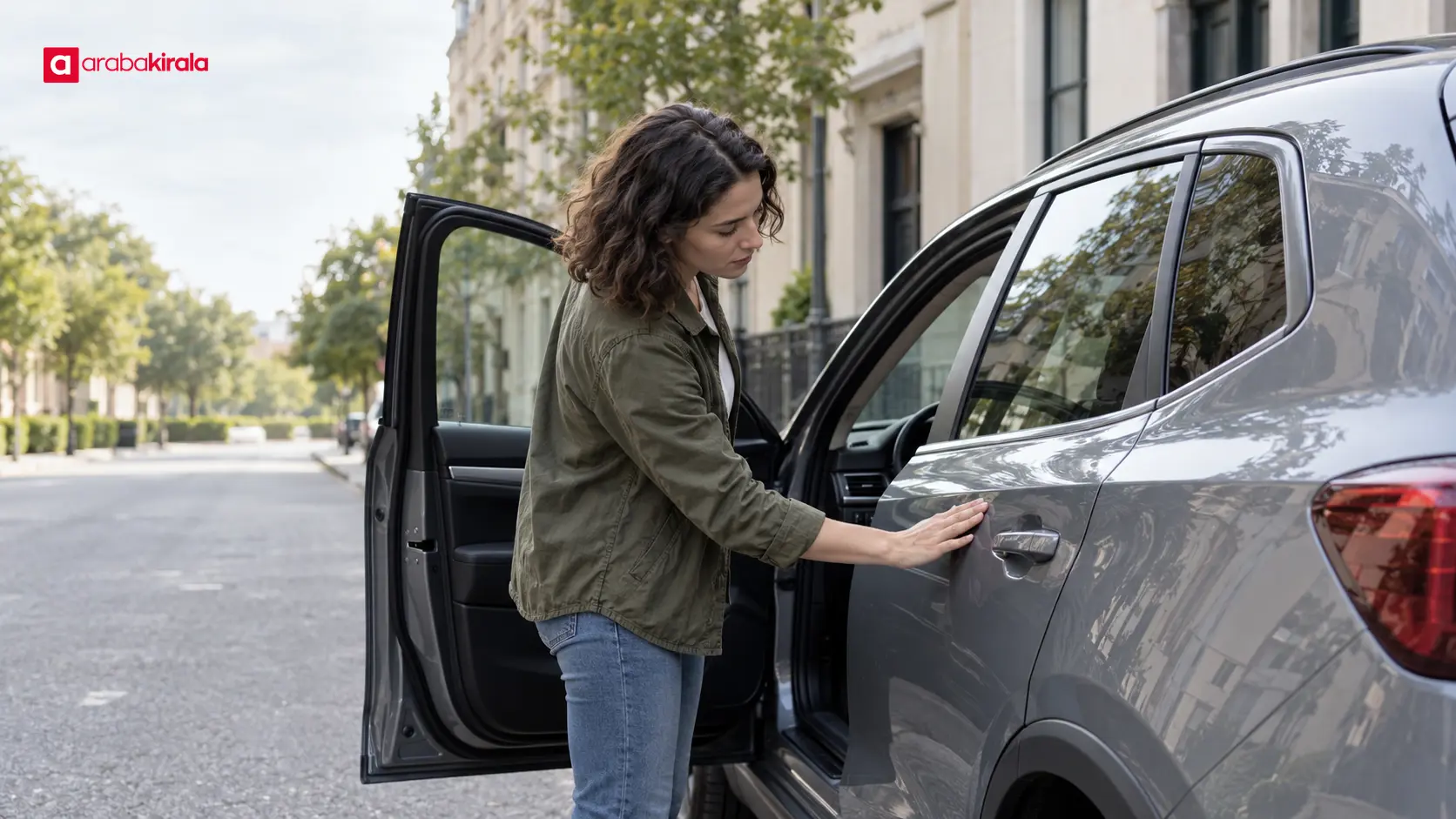
A booking may reserve a specific vehicle or a suitable vehicle within a group for a defined period. For a station-based trip, the station’s location and the way to reach it matter. In a free-floating arrangement, the car may be parked at an eligible spot within a defined operating area. Before driving, inspect the bodywork, windows, tyres, and cabin. Record existing damage and the fuel or charge level using the method the service provides. Also find out how the vehicle is unlocked, where its key is, and how to contact support if something is wrong.
3. Drive and close the trip
Use the vehicle in line with its operating instructions and traffic rules. At the destination, the model’s return rule determines what happens next. A station-based service may require the car to go back to a designated station; a free-floating service may allow the trip to end only within a defined operating area and under its parking rules. Check the app or other service channel to confirm that the booking or use has actually ended. A completion record makes the end of the usage period clear and allows the vehicle to be prepared for its next user.
Main car-sharing models
Station-based, round-trip model
In this arrangement, a car is collected from a designated station and, in many implementations, returned there. Because the starting and return points are known, it can suit an errand or appointment that begins and ends in the same area. Planning is needed to account for the return route. If you need to leave the car somewhere else, this model may not fit; check the return location and timing before booking.
Free-floating model
In a free-floating system, cars are picked up and left at eligible locations within a defined operating area, subject to the service’s rules. This can give the user flexibility between the start and end points, but it does not mean every street or parking space is included. Check the operating-area map, parking restrictions, and the places where a trip may be ended. A car appearing near the destination does not by itself mean it can be left there.
Peer-to-peer car sharing
Some arrangements make a privately owned car available, with a digital system organising parts of the booking. The pickup location, key handover, the car’s condition, and the person to contact during use should be clear. Since the vehicle and handover details can vary, read the confirmed booking information carefully.
Which needs may car sharing suit?
Car sharing may be an option for people who do not need a car every day but want to drive for particular journeys. That could mean completing a local errand by car, travelling along a route that is awkward by public transport, or accessing a vehicle for a defined period. This does not mean a service is available everywhere or that it will cost less for every journey. Suitability depends on where the vehicle can be picked up, the duration, distance, parking arrangement, and how the total charge is calculated.
Luggage, passenger count, child-seat needs, pet transport, and any special equipment can affect vehicle choice. Check the vehicle’s features and whether the arrangement accommodates those needs before booking. A long period of use, travel across different cities, or a plan tied to a precise arrival time calls for particular attention to the model’s area and return rules. If those terms are unclear, including another mode of transport in the plan can make it more reliable.
Car sharing compared with conventional car rental
Both approaches give a person access to a car, but they often differ in how access and handover are organised. Car sharing commonly relies on shorter access periods, digital booking, and pickup or return through a station or operating area, depending on the model. Conventional car rental generally involves arranging a particular vehicle and period through a rental location or another handover format. Details such as the length of the rental, travel outside the city, return location, and optional equipment can depend on the specific rental branch.
Rather than treating one approach as universally better, match it to the shape of the journey. A short local trip that returns to its starting point is different from a multi-day trip with several stops and more luggage. If you are looking for a rental car, ArabaKirala’s relevant city or location pages can help you explore the available locations; ask the branch you plan to use about branch-specific matters such as mileage, additional drivers, pickup, and return arrangements.
A practical checklist before booking
- Check the actual pickup and return locations, operating-area boundary, and parking rules on the map.
- Read the booking period and find out what the service requires if you finish early or are delayed.
- Review the price breakdown before confirming, including whether duration, distance, or other charge components apply.
- For fuel or electric vehicles, check the fuel or charging arrangement and the expected condition before and after the trip.
- Record visible existing damage and dashboard warnings at pickup using the available channel; report a new issue before driving.
- Find out which steps complete the return and what confirmation you should see afterward.
- If collecting a rental car from a branch, ask that office about branch-specific details such as pickup point, opening hours, vehicle class, and equipment you need.
Frequently asked questions
Does a shared car have to be returned to its starting point?
It depends on the model. A station-based arrangement commonly returns the car to its original location. In a free-floating arrangement, the return is limited by the operating area and permitted parking rules. Check the return rule shown for the booking.
Are car sharing and ride sharing the same thing?
No. Car sharing gives a user access to a vehicle that they drive. Ride sharing means that multiple people travel in the same car. The terms describe different travel arrangements.
How is the charge calculated?
The calculation can vary by service and usage format; it may include duration, distance, or other components. Read the price breakdown shown for the specific booking before confirming. No single rate structure should be assumed.
Can car sharing work for a long trip?
There is no universal answer. The permitted area, length of use, mileage arrangement, and return point all affect the plan. Confirm these details in advance. For a conventional rental, tell the branch you plan to use about the route and duration and ask for the applicable details.

Next step: match the trip to the model
To understand how a car-sharing system works for your journey, first settle where you will collect the car, where you will leave it, and how long you need it. A station-based model centres on returning to a defined starting point; a free-floating one centres on operating-area and parking limits. Inspect the car before driving and verify that the trip has been properly closed. If your plans call for a conventional rental, explore the relevant ArabaKirala location information and confirm vehicle and handover details with the branch you intend to use.
Legal Disclaimer: All content, articles and information on the Araba Kirala website are provided solely to inform users. No information shared on this website constitutes definitive advice or guidance. Araba Kirala Teknoloji A.Ş. and its authors cannot be held responsible for any direct or indirect damages arising from the application of information on the website. For all questions and requests regarding car rental, please contact the office from which you will rent your vehicle.