How Does a Car Windshield Wiper System Work?
Published: October 6, 2026 • Reading Time: 6 min • Last Updated: October 6, 2026
Learn how wiper motors, arms, blades, and washers work together, what warning signs to notice, and how to check the system safely before driving.
Contents
- What parts make up a windshield wiper system?
- How do wipers turn motor movement into a sweep?
- Motor and linkage
- What the blade does
- When and how does the washer system help?
- Signs that the wipers need attention
- Practical and safe checks
- A short check before driving
- Cleaning the blade gently
- Frequently asked questions
- How often should wiper blades be replaced?
- Can I use water instead of washer fluid?
- Why do the wipers leave marks?
- What should I do if no washer fluid sprays?
- Summary: a useful next step
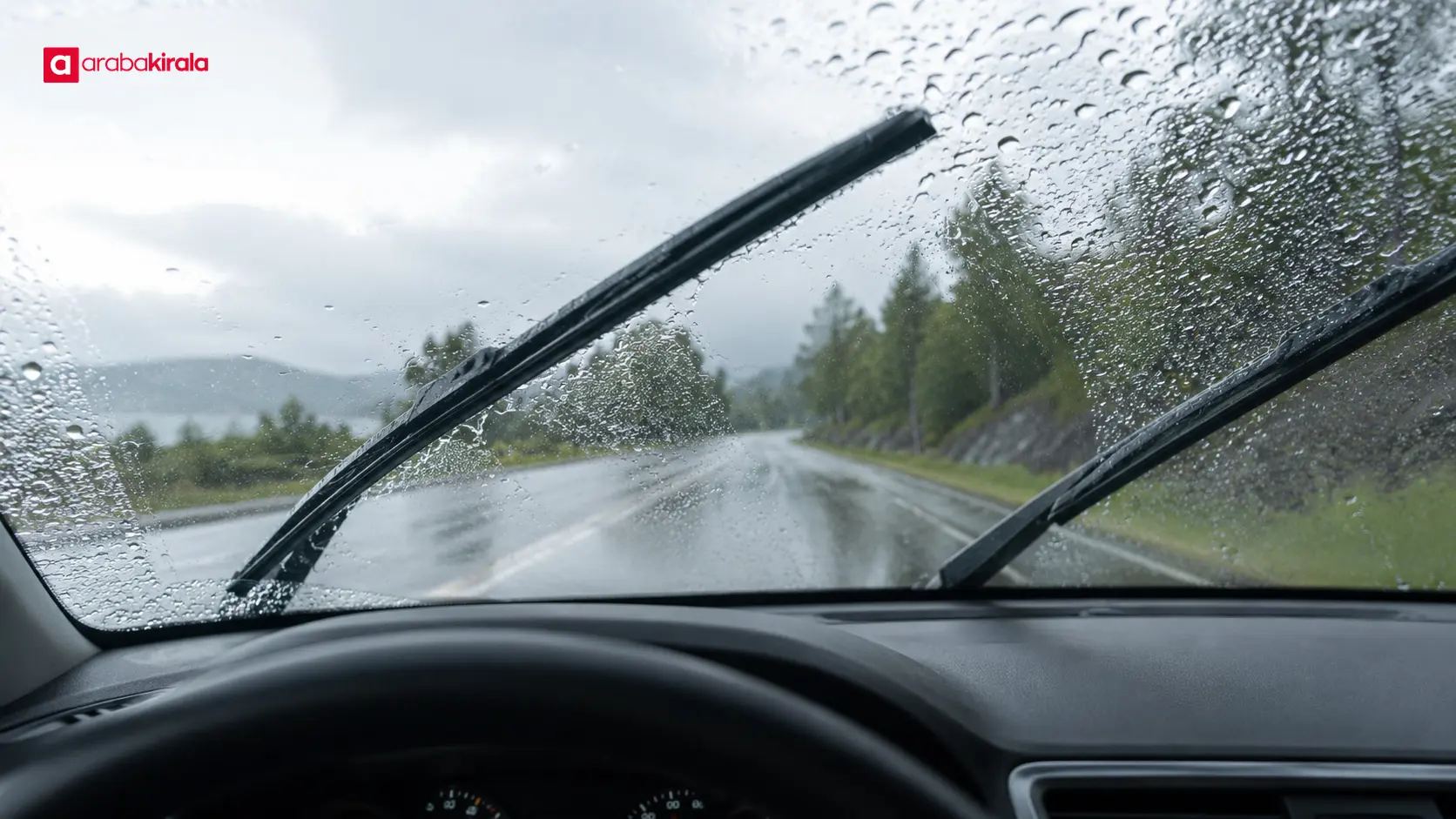
A car windshield wiper system helps preserve visibility by moving rain, loose snow, and grime off the glass. It combines a motor driven wiper mechanism with a washer system that sprays cleaning fluid onto the windshield. This guide explains how motion reaches the blades, how washer fluid gets to the glass, which signs deserve attention, and what you can check safely before setting off.
What parts make up a windshield wiper system?
The visible parts are the wiper arms and the flexible, rubber edged blades attached to them. The arms connect to pivot points near the base of the windshield. Beneath the cowl, a motor and linkage move those pivots through a limited arc, sweeping the blades across the glass. Some vehicles also have a separate rear window wiper with its own arrangement; its parts need not be identical to those at the front.
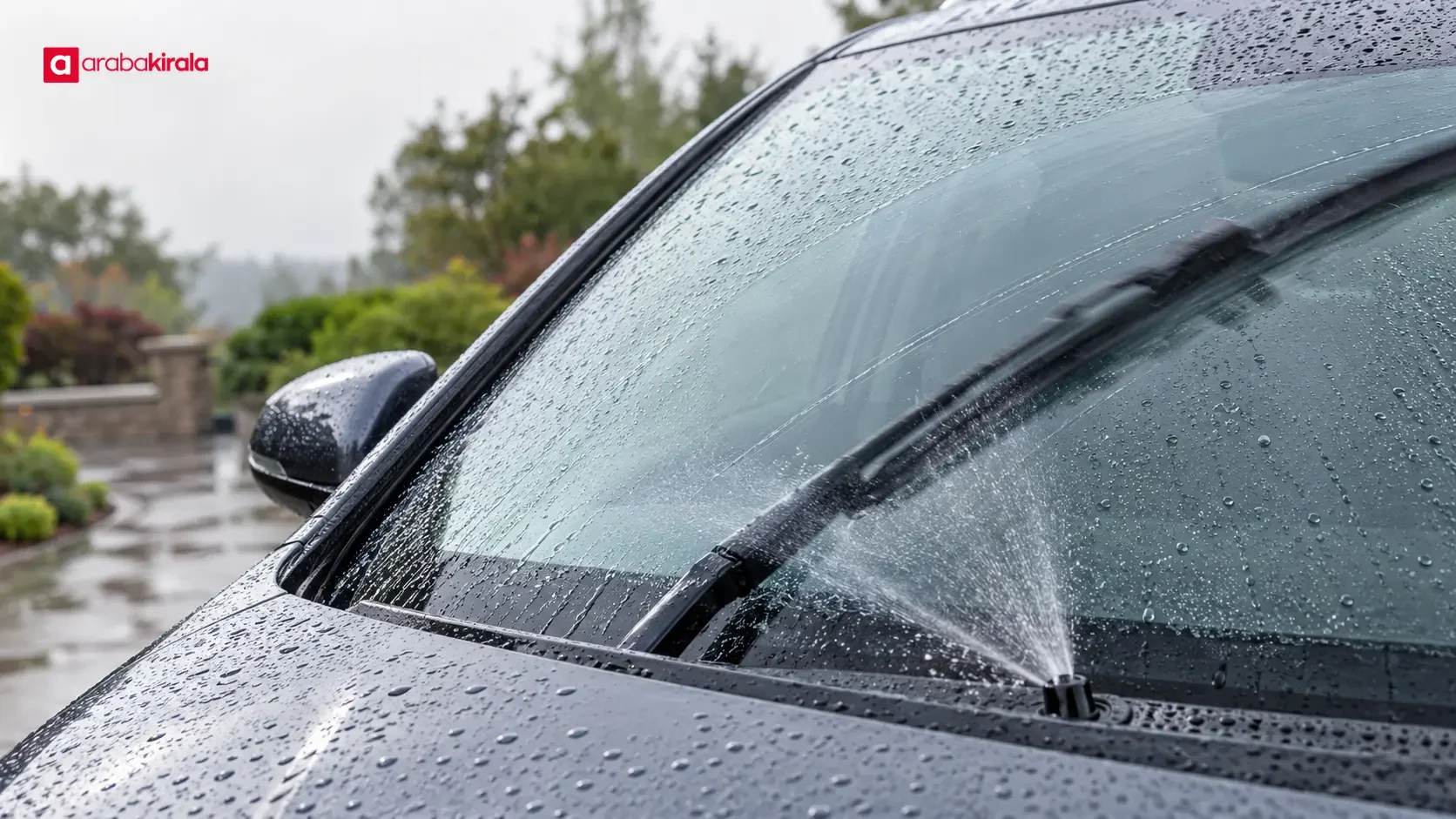
The washer system generally includes a fluid reservoir, an electric pump, hoses, and spray nozzles aimed at the glass. When you select the washer control, the pump sends fluid through the hoses to the nozzles. The spray wets the glass and helps loosen dirt so the blades can clear it more effectively. Component locations and design vary by vehicle.
How do wipers turn motor movement into a sweep?
Motor and linkage
The wiper control sends an electrical signal to the motor. The motor's rotation passes through connecting rods and joints to the pivot shafts, which turn the arms' movement into a back and forth sweep. The blades then travel over the area defined by the vehicle's design. The two front wipers may move together or follow a particular sequence, depending on their mechanism.
Wiper controls often provide intermittent operation and more than one speed. An intermittent setting pauses between sweeps, while a faster setting clears water more often during heavier rain. Control symbols and the available settings differ across vehicles, so the owner's manual is the right reference for a particular car.
What the blade does
The blade's flexible edge follows the curve of the windshield and pushes water and loose dirt aside. A clean, intact edge makes even contact with the glass. Dirt, hardening, damage, or wear can interfere with that contact. Streaks, uncleared patches, chatter, or skipping are signs to inspect the system. They do not identify a single definite fault: contamination, blade wear, and mechanical issues can produce similar symptoms.
When and how does the washer system help?
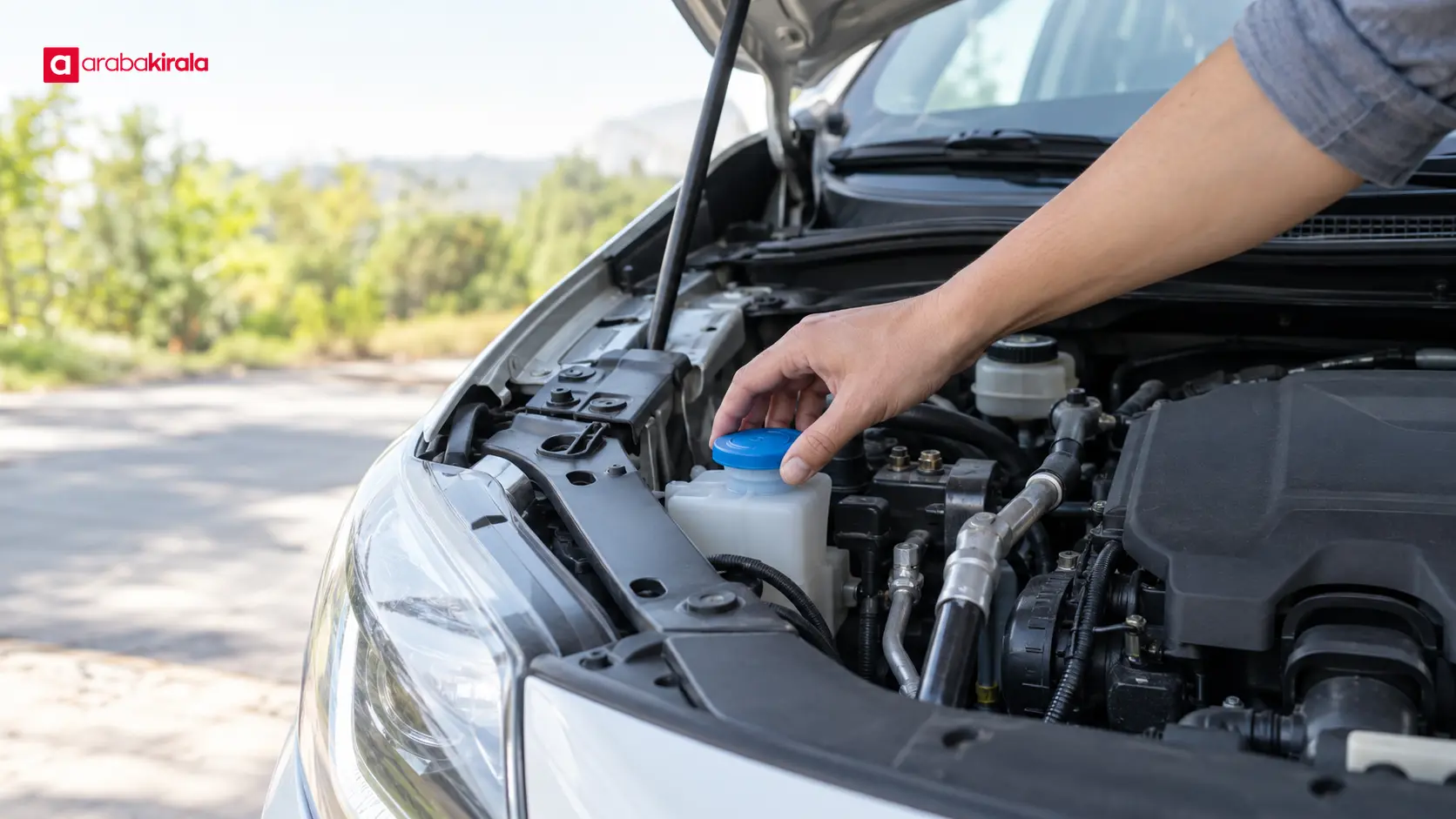
The washer system is useful beyond rainy weather. Road dust, dried droplets, and light grime can also obstruct the view. The pump draws fluid from the reservoir and sends it through hoses to the nozzles; the wipers then clear the wet surface. If nothing sprays, checking the reservoir level and visible condition while parked is a sensible first step. A blocked nozzle, damaged hose, or pump issue can also interrupt flow.
Use a washer fluid suitable for the vehicle and follow the product label. Plain water may not clean as well or provide protection against freezing in the conditions where the vehicle is used. Before opening a reservoir cap, park safely and make sure the engine bay is at a suitable temperature to handle. Follow the owner's manual for the reservoir location and fluid guidance. Do not pour washer fluid into a different system's reservoir.
Signs that the wipers need attention
- Streaks or a hazy area: The blade edge may be dirty or worn, and the view may remain unclear.
- Squeaking, sticking, or chattering: Dirt or uneven contact may be affecting the blade. Noise can have other causes too.
- An area that remains unwiped: The blade may not press evenly against the glass, may be damaged, or the mechanism may need inspection.
- No washer spray: The reservoir may be empty, or a pump, hose, or nozzle may be affecting the flow.
- Wipers that do not move or move unusually slowly: The control, electrical connection, motor, or linkage may need technical attention.
If the wipers cannot clear the view, do not continue driving in rain or with a dirty windshield. Stop in a safe place and check the glass and system. If the problem continues, seek service in line with the vehicle manual. Do not inspect the linkage, wiring, or components beneath the hood while the vehicle is moving.
Practical and safe checks
A short check before driving
- Look for heavy dirt, ice, or snow in the driver's field of view. Clear snow and ice appropriately; do not force wipers that are frozen to the glass.
- Check the accessible blade edges for visible tears, separation, or deformation.
- If a washer fluid warning appears or spray becomes weak, check the reservoir and fluid according to the owner's manual.
- Test the wipers only when the glass is adequately wet or washer fluid is spraying. Running them over dry, dirty glass increases friction and may contribute to scratching.
- If rain reduces visibility and the sweep is inadequate, slow down and stop somewhere safe. Do not continue until you can see clearly.
Cleaning the blade gently
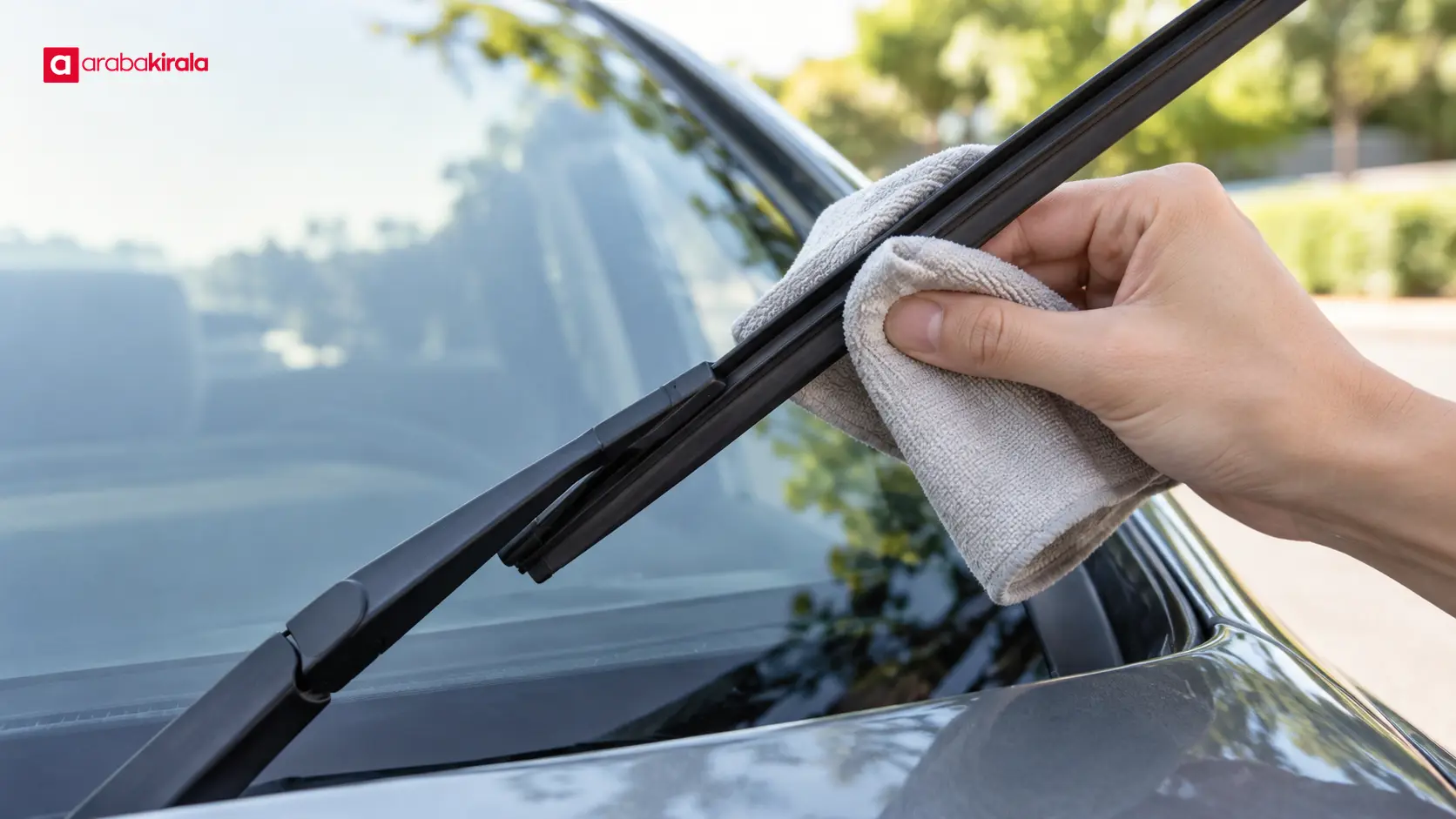
With the vehicle parked, gently wiping the accessible blade edge with a clean, soft cloth can remove loose dust and grime. Do not scrape it with a hard object or use a method that could cut the rubber or scratch the windshield. If streaking or skipping remains, the blade or mechanism may need inspection. The way to raise a wiper arm varies by vehicle, so follow the manual; on some cars, lifting an arm while the hood is open can cause damage.
Frequently asked questions
How often should wiper blades be replaced?
There is no single replacement interval that suits every car. Use conditions, exposure to sun and heat, glass cleanliness, and blade condition all affect performance. If a blade leaves streaks, skips, or shows visible damage, have it checked. Use the owner's manual or a qualified service provider to identify the right part and replacement method.
Can I use water instead of washer fluid?
That depends on the climate and the fluid specifications required for the vehicle. Water may not contain cleaning additives or protection against freezing. Follow the vehicle manufacturer's guidance and the fluid label. In conditions where freezing is possible, an unsuitable fluid can affect the washer system.
Why do the wipers leave marks?
Dirt on the blade, blade wear, or residue on the glass can leave marks. First, gently clean the windshield and accessible blade edge. If the problem persists, inspect the blades and mechanism; marks cannot always be traced to one component.
What should I do if no washer fluid sprays?
Park safely, then check the fluid level as described in the owner's manual and look for visible signs of a leak or obstruction. If the issue remains, have the pump, hoses, and nozzles inspected. Do not troubleshoot the system while driving.
Summary: a useful next step
The wiper motor drives a linkage and arms that move the blades, while the washer system wets the glass to help remove grime. Before driving, check the glass, visible blade condition, and washer spray. If visibility is seriously impaired, stop safely and do not drive on until the problem is resolved. In a rental car, ask where the wiper and washer controls are during handover; report a fault or missing washer fluid to the branch you are renting from before setting out.
Legal Disclaimer: All content, articles and information on the Araba Kirala website are provided solely to inform users. No information shared on this website constitutes definitive advice or guidance. Araba Kirala Teknoloji A.Ş. and its authors cannot be held responsible for any direct or indirect damages arising from the application of information on the website. For all questions and requests regarding car rental, please contact the office from which you will rent your vehicle.