
How Does the Formula 1 Halo Protect the Driver?
Published: October 9, 2026 • Reading Time: 7 min • Last Updated: October 9, 2026
The Halo is a structural safety feature above a Formula 1 cockpit. This guide explains its design, the hazards it helps address, its limits, and how it fits into wider racing safety measures.
Contents
- What is the Halo and where does it sit?
- How does the Halo help protect the driver?
- It can keep some objects away from the cockpit
- It is built to carry substantial loads
- How does the Halo affect visibility and movement?
- The Halo’s limits and the other layers of safety
- How to interpret the Halo in race footage
- Summary and a useful next step
- Frequently Asked Questions
The Formula 1 Halo system is a structural feature attached around the upper part of the cockpit, forming an additional physical barrier around the driver’s head. This guide explains how the Halo is positioned, the kinds of hazards it is designed to help address, how its design relates to visibility and driver extraction, and why it cannot remove every racing risk by itself. These details make it easier to understand the part as one element in a broader safety arrangement rather than as a guarantee against injury.
What is the Halo and where does it sit?
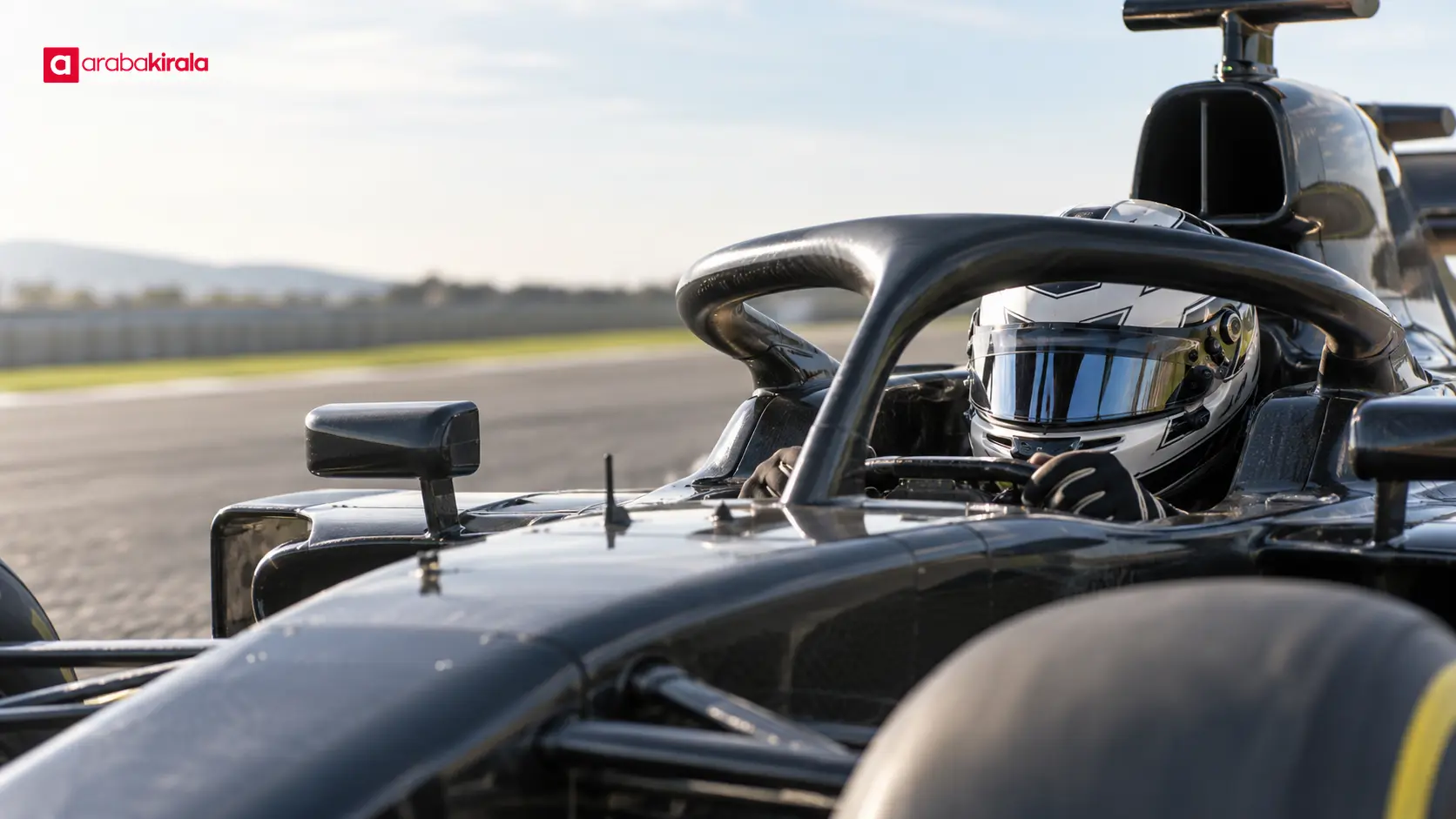
The Halo is a protective frame mounted to the car’s chassis around the cockpit. Its familiar shape has a central forward support and curved sections that extend around either side of the driver’s head. The geometry is intended to create a barrier against some objects approaching the cockpit from above or from the front. It is not a closed canopy or a windscreen covering the driver’s face. The car retains an open cockpit while adding a strong structure around the head area.
The component is integrated with the car’s load-bearing structure and attachment points, so it should not be thought of as a simple accessory placed on top of the car. It is assessed as part of the vehicle’s safety design. The helmet, seat, harness, cockpit opening, chassis and track barriers all contribute different forms of protection. The Halo is one layer in that system; it does not stand for the safety of the whole car.
How does the Halo help protect the driver?
It can keep some objects away from the cockpit
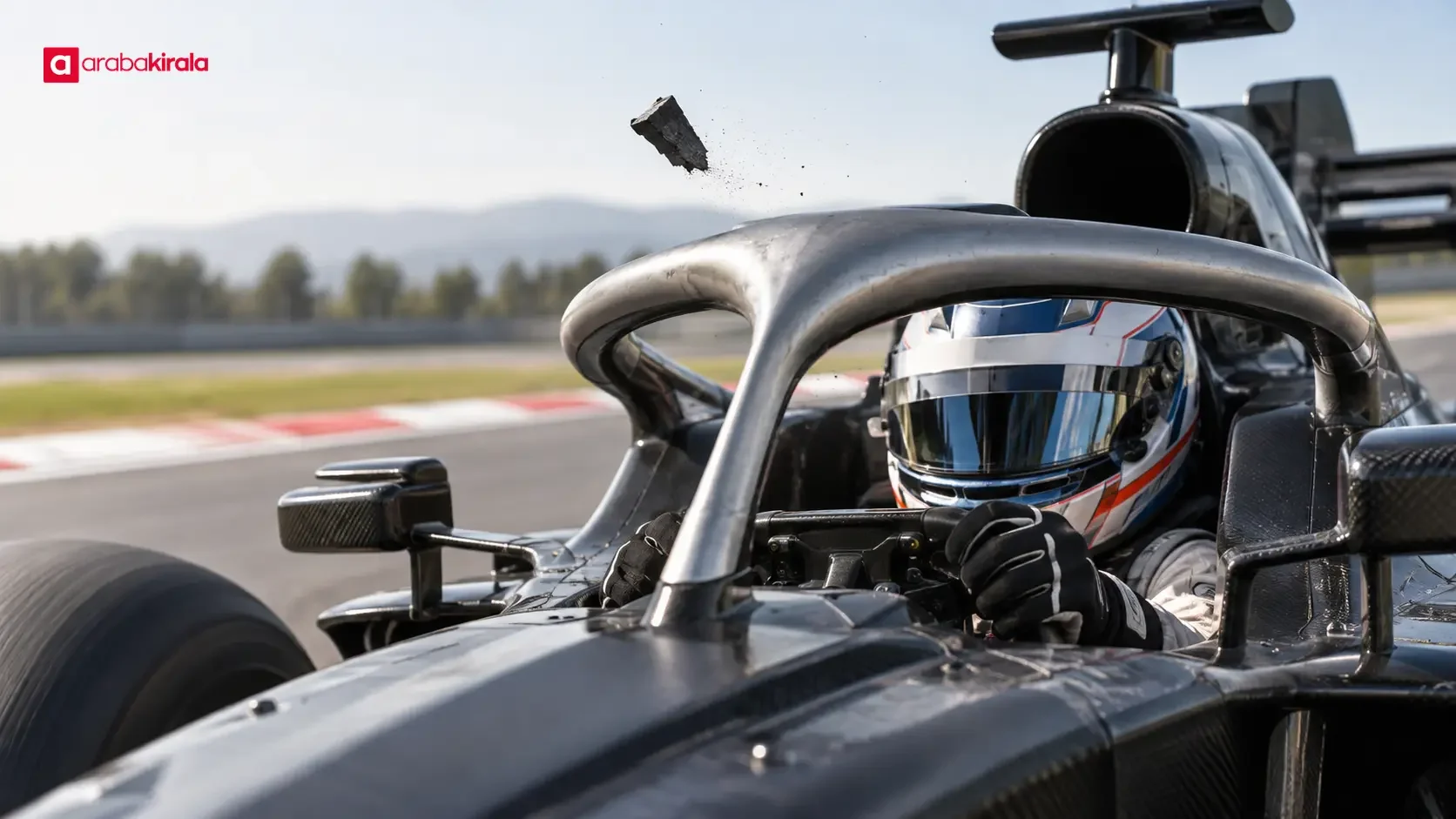
During a race, a wheel, suspension component or other large part can become detached and move toward a cockpit. One main purpose of the Halo is to help prevent such an object from reaching the driver’s head directly or to alter its path on contact. The frame is not designed to catch every object. It creates a physical obstacle that aims to reduce the risk of direct impact to an exposed area.
This protection should not be understood as a shield that produces the same outcome in every crash. Objects vary in size, shape, speed and approach angle. The Halo may stop some from entering the cockpit or deflect them, but smaller parts, unusual angles and other types of collision present different challenges. Its value lies in adding a structural barrier for a particular group of hazards, not in promising complete protection.
It is built to carry substantial loads
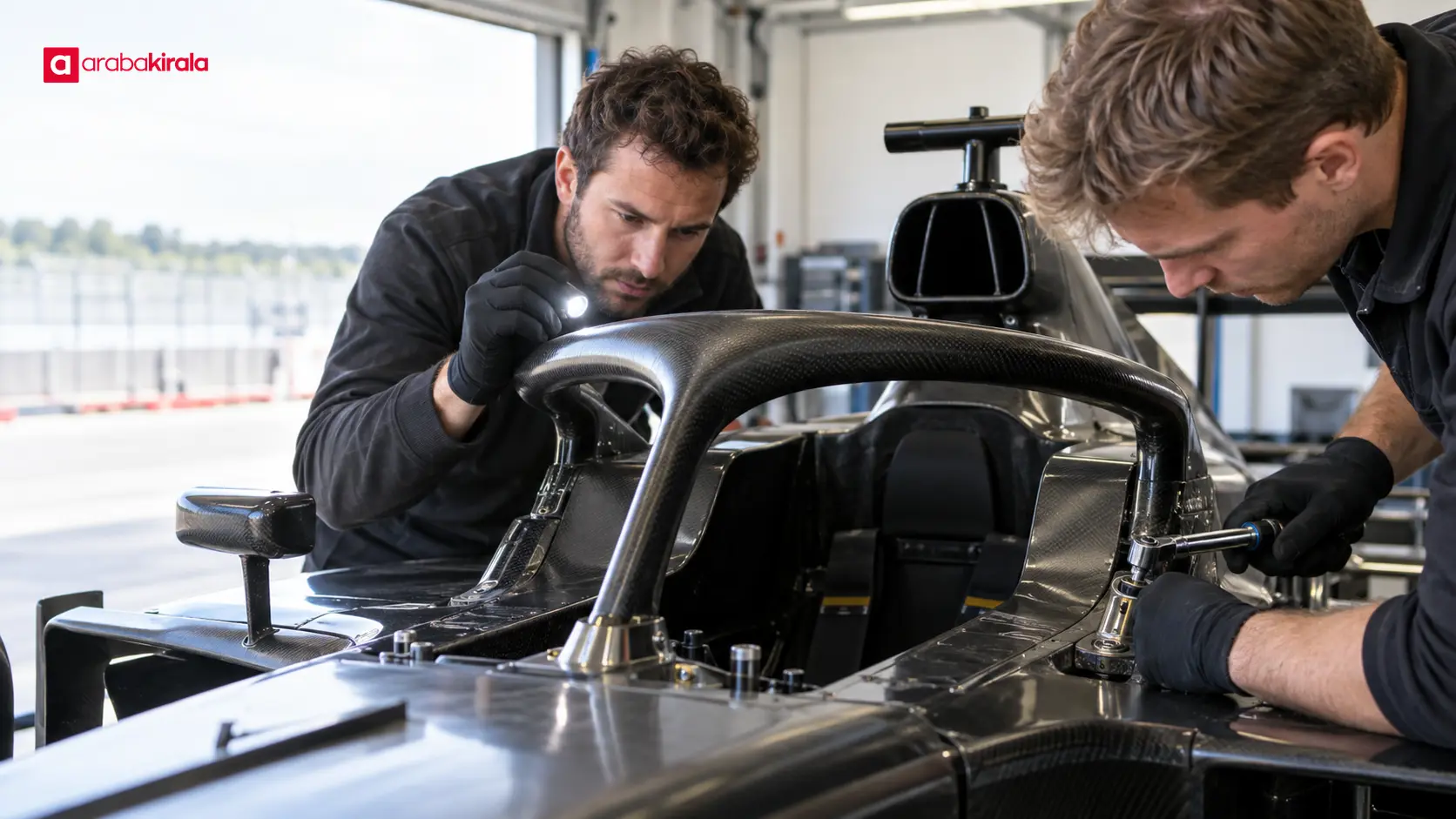
Although its arms may look slim, the Halo is a high-strength component. Its purpose is to withstand specified safety loads, not merely to remain intact in a minor contact. Technical regulations and approval processes set performance requirements for racing components, and current details can change with the rules and season. A particular load figure or test threshold should therefore not be generalized without checking the applicable technical document.
Strength also depends on how the component connects to the chassis and works with the structure around it. The material matters, but so do the attachment points and the surrounding design. The Halo does not eliminate all energy in a crash. Other safety components manage energy, help preserve the protected space around the driver, and reduce injury risk in different ways.
How does the Halo affect visibility and movement?
The Halo sits within the driver’s field of view, and its central forward support can be visible from the cockpit. Its design seeks to provide protection while retaining a usable view of the track. Drivers do not look at only one fixed point; they move their eyes and head to follow corner entries, other cars, signals and the track surface. The central support may cross a sightline, but that does not mean the driver’s entire view is blocked.
Visibility depends on several aspects of a race car, including cockpit opening and seating position. Drivers must keep monitoring track conditions and other cars rather than relying on the protective structure to manage what is around them. How the Halo appears to a driver can vary with seating position and individual perception, so a single cockpit photograph cannot establish the driver’s full practical field of view.
The open cockpit also matters for driver extraction and emergency response. The Halo leaves the upper cockpit open while adding structure around the head. Extraction still depends on the car’s position and damage, as well as safety conditions at the scene. It is not possible to assume that every driver will be removed in the same way or within the same time after a collision.
The Halo’s limits and the other layers of safety
The Halo adds a barrier against certain collision hazards; it does not prevent every crash or every injury. Car-to-car impacts, high-energy side or frontal collisions, leaving the track and fire can create different risks. The chassis, energy-absorbing structures, harness, helmet, driver equipment, track barriers, run-off areas and response teams all have roles in addressing them.
Racing safety relies on multiple layers working together. A helmet protects the head, a harness restrains the driver in the seat, the chassis helps preserve a survival space, and track design helps manage crash consequences. The Halo is the physical protection layer around the head area. The success of one component does not make the others unnecessary; different hazards call for different measures working in combination.
These limits do not make the Halo unimportant. Safety equipment is often designed to improve the outcome of a specific hazard scenario. Instead of asking whether a part protects in every crash, it is more useful to ask which exposure it aims to reduce and how other systems complement it. That is the clearest way to assess the Halo.
How to interpret the Halo in race footage
- Look at its position: Notice how the frame surrounds the driver’s head area and where the forward central support runs.
- Distinguish the hazard: An object approaching from above or the front is a different risk from a car striking a barrier, so the Halo’s role is not identical in both.
- Avoid conclusions from one frame: Contact angle, object direction, car movement and what happens next all matter. A still image cannot replace a technical review.
- Consider safety layers together: The helmet, harness, chassis, track infrastructure and response crews may also affect the outcome.
This approach helps explain the design purpose without turning an accident into a sensational claim. The visible presence of the Halo does not mean an injury cannot occur, and visible damage alone does not prove that the system made no contribution. An assessment should consider the full incident and verified technical findings.
Summary and a useful next step
The Formula 1 Halo forms a strong structure around the driver’s head and helps prevent some objects from reaching the cockpit or changes their path. It adds a barrier while preserving an open-cockpit layout, but it does not eliminate all collision types or injuries. The most accurate way to understand it is alongside the helmet, harness, chassis, track safety and emergency response. When watching a race incident, first identify the type of hazard, then consider which safety layers may have been involved.
Frequently Asked Questions
What exactly is the Halo system?
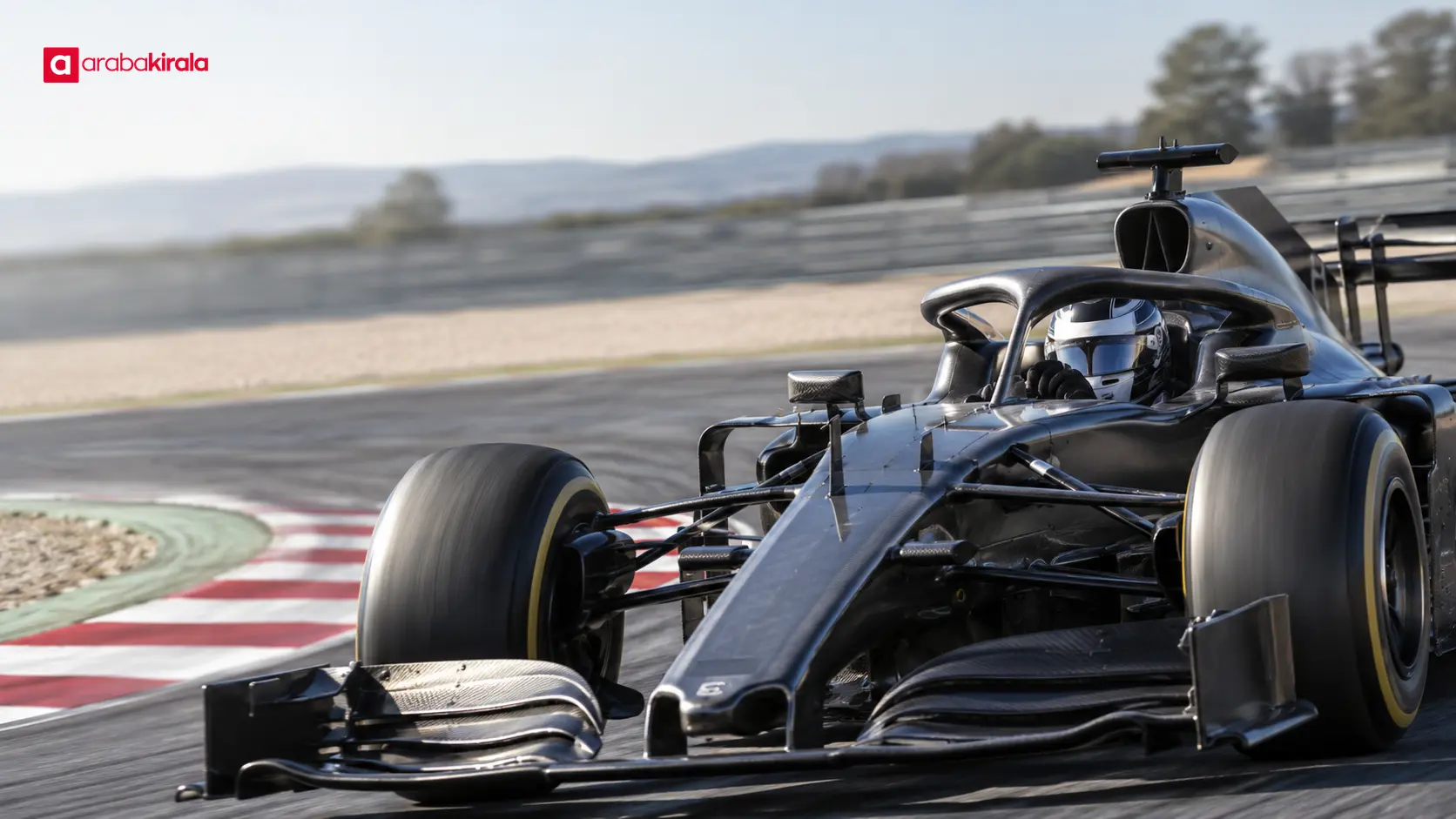
The Halo is a structural frame attached to a single-seat race car around the cockpit. It forms a barrier above and beside the driver’s head. It is not a closed canopy or a windscreen; it adds physical protection while keeping the cockpit open.
Does the Halo protect against every kind of object?
No. It is intended to reduce certain risks from objects and impacts directed toward the head area. Objects differ in size and approach angle, so the Halo cannot guarantee that every object will be kept out of the cockpit.
Does the Halo block the driver’s view?
The forward central support can sit within the driver’s line of sight, but the structure is designed with usable visibility in mind. Drivers scan the track using eye and head movement, and a single photograph cannot show the full view from the cockpit.
Can the Halo make it harder to get out of the car after a crash?
The design keeps the cockpit open, and extraction depends on the car’s condition and the circumstances at the scene. Damage, vehicle position and response safety vary, so one extraction time or method cannot be assumed for every incident.
Does the Halo replace a helmet or harness?
No. The Halo creates an external barrier against some hazards around the head, while a helmet and harness perform different protective roles. Racing safety depends on these components and the car and track measures working together.
Legal Disclaimer: All content, articles and information on the Araba Kirala website are provided solely to inform users. No information shared on this website constitutes definitive advice or guidance. Araba Kirala Teknoloji A.Ş. and its authors cannot be held responsible for any direct or indirect damages arising from the application of information on the website. For all questions and requests regarding car rental, please contact the office from which you will rent your vehicle.