
How Supply Chain Disruptions Affect Automotive Parts Availability
Published: October 7, 2026 • Reading Time: 7 min • Last Updated: October 7, 2026
Learn how automotive supply chain disruptions affect vehicle production and replacement part availability, why delays occur, and what vehicle owners can do while a part is on order.
Contents
- What makes up an automotive supply chain?
- Why do disruptions change parts availability?
- Production and material bottlenecks
- Transport and logistics
- Quality checks and production priorities
- New vehicle production and replacement parts are different
- How can a delay affect an owner and a repair shop?
- Practical steps while waiting for a part
- How can automotive supply chains become more resilient?
- Frequently asked questions
- Does a supply chain disruption always delay vehicle delivery?
- Is the estimated date certain once a part is ordered?
- Does a part showing as in stock mean it will fit my vehicle?
- Summary: Track the information stage by stage
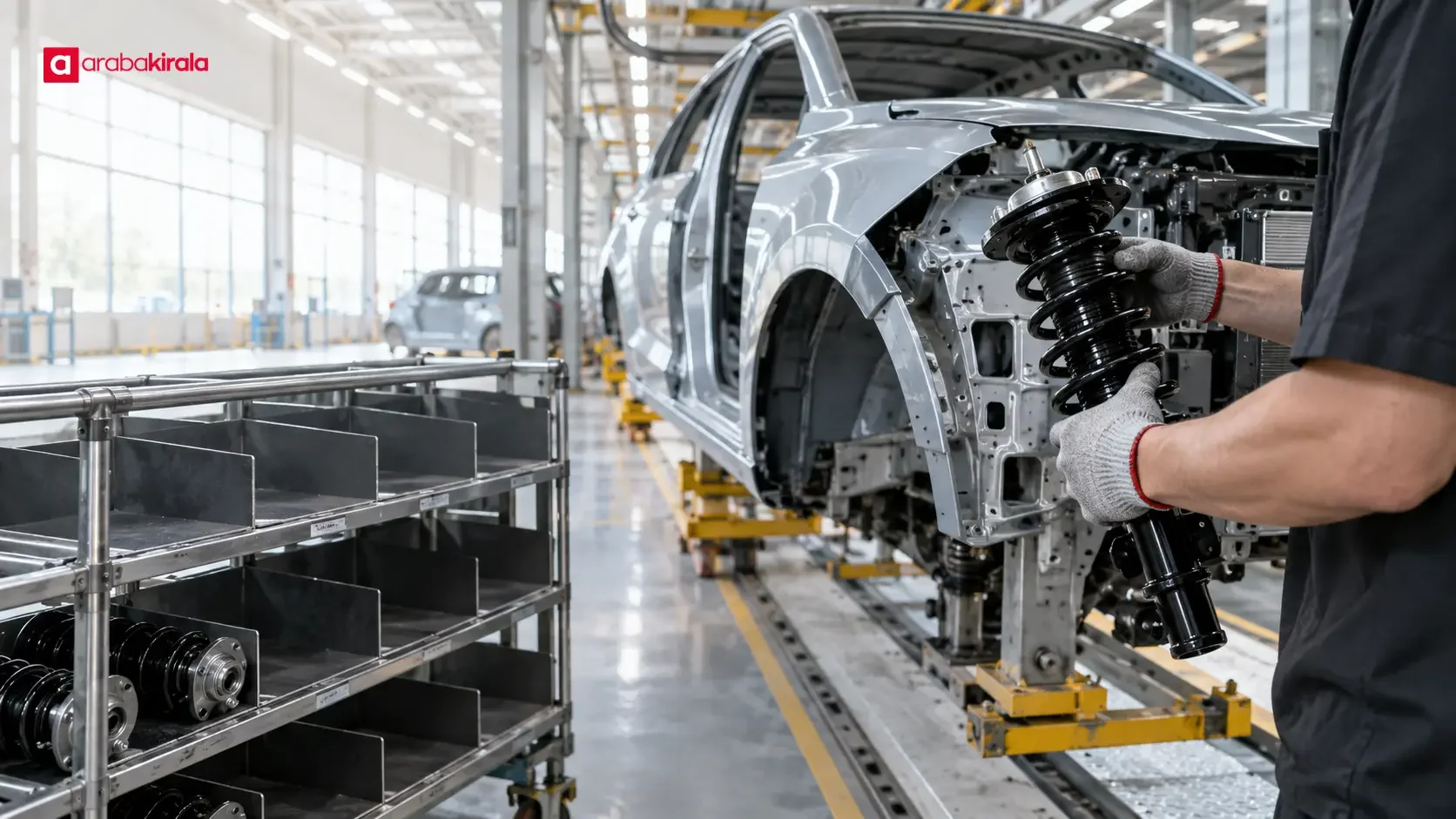
The automotive supply chain is the network that moves raw materials, electronic components, and other parts to manufacturers, assembly plants, and service channels. A disruption in that network can affect the pace of new vehicle production and extend the wait for a component needed for a repair. This guide explains where interruptions can occur, why new vehicle assembly and replacement parts do not always face the same constraints, and what information owners can track when a part is delayed.
What makes up an automotive supply chain?
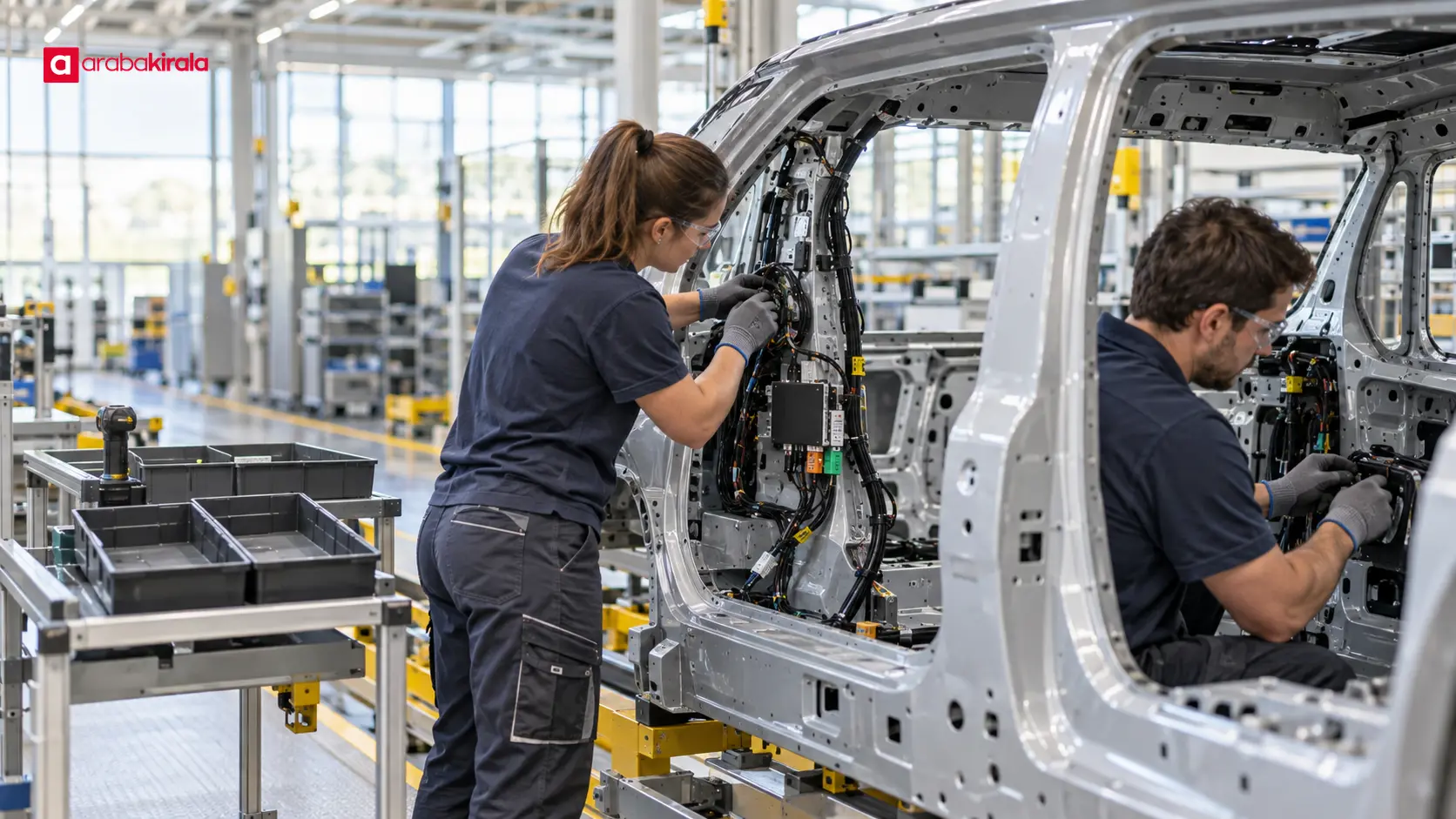
A vehicle’s components are not all made in one factory. The chain can include extracting and processing materials; manufacturing chips, wiring, glass, tires, control units, and mechanical components; transporting them to vehicle plants; final assembly; and distribution. A component may pass through several production tiers. Even when an automaker buys directly from an assembly supplier, that supplier may rely on subcomponents made by other companies or in other countries.
That is why a seemingly small shortage can become a production bottleneck. A factory may have most of the components needed for a model, but if one required electronic module is unavailable, it may be unable to complete the vehicle. The supply network also includes inventory planning, transport, quality checks, and production scheduling; it is more than the factory where a part is made.
Why do disruptions change parts availability?
Production and material bottlenecks
Making a component depends on energy, specialized materials, manufacturing capacity, and functioning equipment. A plant outage, workforce shortage, natural disaster, or difficulty obtaining materials can reduce output. When a component is shared across several vehicles, a shortage may affect more than one model. Still, it would be inaccurate to assume that every disruption affects every manufacturer or part to the same degree.
Transport and logistics
Parts may travel by road, sea, air, or rail before reaching an assembly plant. Port congestion, route changes, weather, or operational problems at border crossings can alter delivery schedules. A part can be finished at its factory yet still be unavailable to the assembly line when planned because it is in transit. Faster transport may reduce delays in some cases, but it is not suitable for every shipment and depends on capacity and cost.
Quality checks and production priorities
A delivered component may need technical and quality checks before it can be used in a vehicle. If an inspection finds a problem, the items may need to be separated, investigated, or remade. Manufacturers may also revise priorities when allocating limited parts across models and production lines. These decisions can affect the wait for a particular model or equipment option. A delay described simply as “the part is unavailable” may involve several stages of production, transport, and approval.
New vehicle production and replacement parts are different
New vehicle assembly is planned around production schedules and the needs of the line. A repair requires identifying a component based on details such as vehicle identity, model year, engine, and equipment, then locating a compatible part through a distribution channel. The fact that a component is used on a new vehicle line does not mean it is ready at every service center or warehouse. Likewise, a change to a vehicle’s production schedule does not mean that all replacement parts are unavailable.
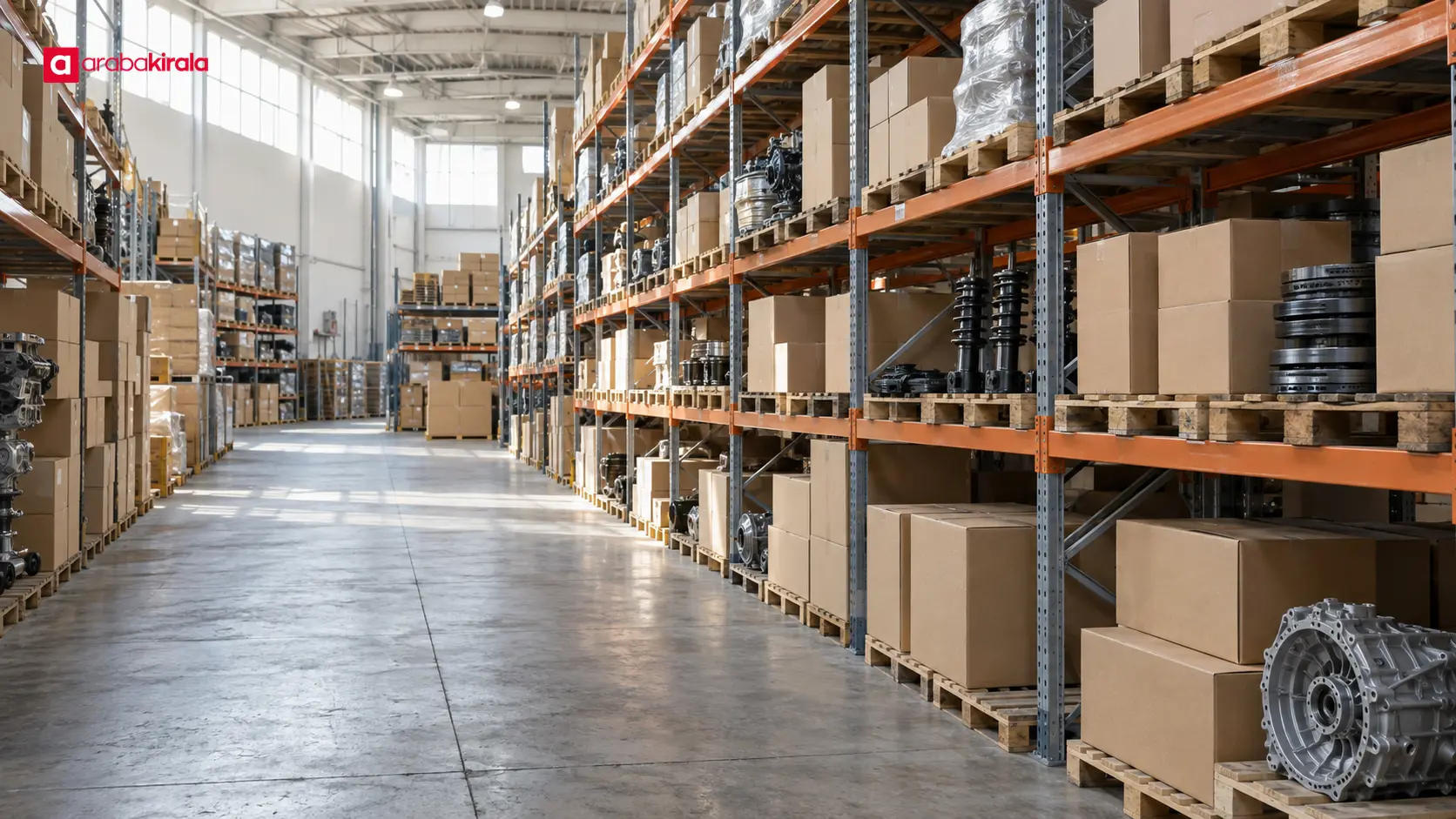
Replacement part lead time can depend on stock, production schedules, distribution networks, correct part identification, and any required quality review. Placing an order alone does not establish that the part will arrive on a particular day. Asking the repair shop for its current estimate and what stage the estimate is based on can make the uncertainty easier to manage.
How can a delay affect an owner and a repair shop?
Waiting for a component can change the expected repair completion date. If the vehicle cannot be used, that can also affect everyday travel plans. Some parts are more critical than others to safe operation, so whether the vehicle should continue to be driven needs to be assessed by a qualified repair professional using the symptoms and manufacturer guidance. If there is a problem with a safety system, steering, brakes, or tires, stop in a safe place and seek professional help rather than continuing to drive.
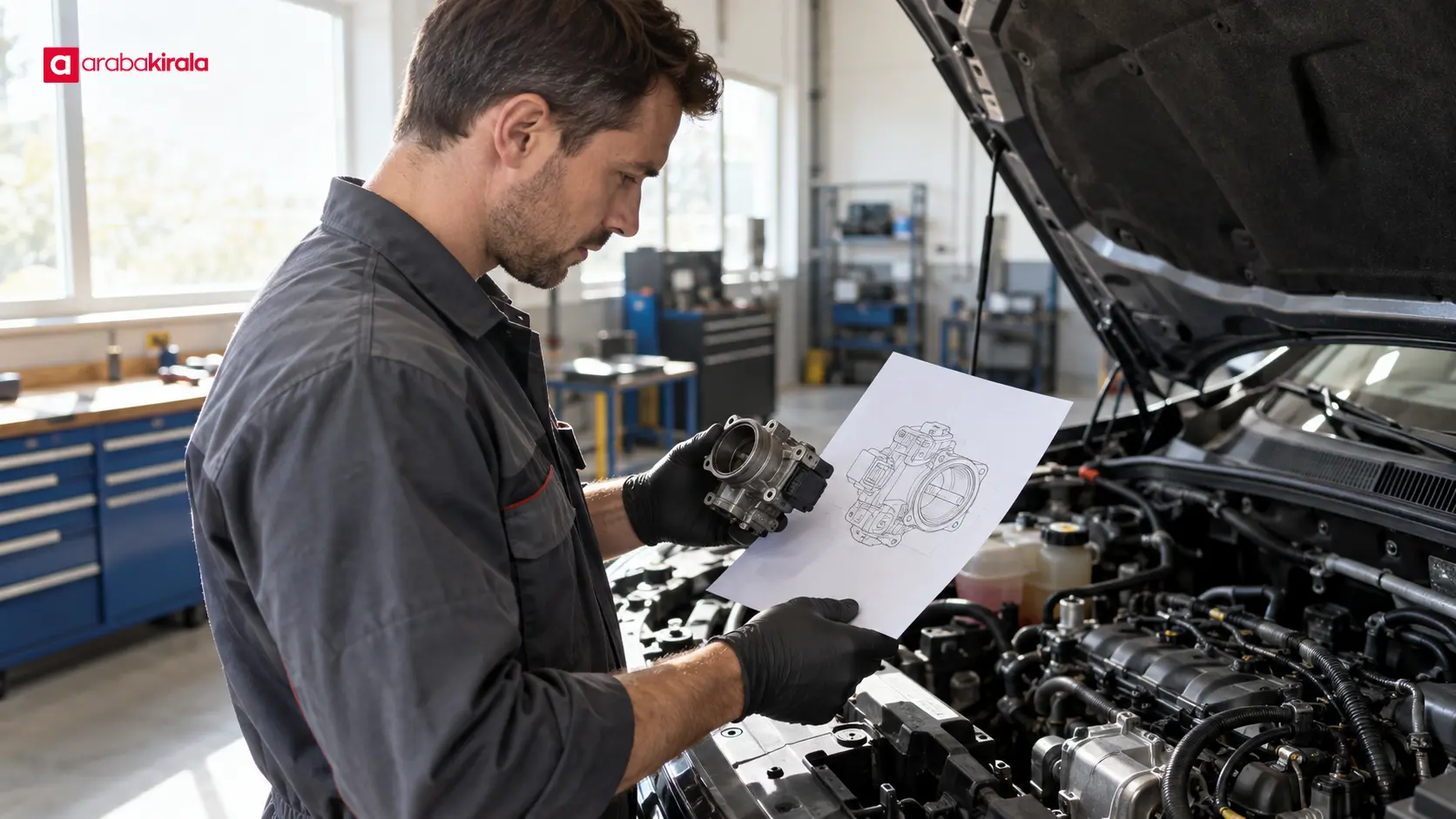
The shop may review vehicle information and fault symptoms to identify the correct component. When it arrives, checking its condition and compatibility before installation also matters. For an owner, a clear work order that records the part, repair scope, estimated timing, and contact plan makes the process easier to follow. Clarify whether a date on the work order is an estimate or a confirmed delivery date.
Practical steps while waiting for a part
- Confirm the part description. Ask for the part name or number and how its compatibility with your vehicle was established. Similar names can refer to different parts for different engines, equipment, or production periods.
- Ask which stage it has reached. Is the part waiting to be made, in transit, or delivered and awaiting inspection? Knowing the stage helps explain why an estimated date could change.
- Clarify the estimate and update process. Do not treat an unconfirmed date as a guaranteed delivery. Find out what would trigger another update and whom to contact.
- Check whether the vehicle is safe to use. Follow the repair shop’s safety guidance. Share any warning light, unusual noise, fluid leak, or change in driving behavior promptly.
- Verify any alternative part. If another option is proposed, ask about compatibility, manufacturer approval, warranty, and the work involved. Do not accept an unverified part solely because it is available sooner.
- Keep the records. Work orders, service updates, and records of completed work help you track the repair and future maintenance needs.
How can automotive supply chains become more resilient?
Manufacturers and suppliers can review sourcing and production plans to reduce reliance on a single component source or route. Planning inventory, identifying at-risk components early, considering alternative logistics, and improving visibility between suppliers are ways to prepare for interruptions. Inventory also takes space and money, so keeping unlimited quantities of every part is not practical. Planning balances a component’s importance with its availability and production lead time.
Technical design matters too. Sharing components across several models can improve production efficiency, but a bottleneck in a shared component may affect a broader group of products. Flexible designs and alternative sources can help manage those dependencies. These are industry-level approaches; they do not mean that a particular manufacturer has an alternative for every part.
Frequently asked questions
Does a supply chain disruption always delay vehicle delivery?
No. The effect depends on the missing component, the production plan, available inventory, and how quickly supply recovers. In some cases, schedules can be rearranged; in others, completion of certain vehicles or equipment options may wait. For a specific vehicle, ask the seller or the manufacturer’s official contact channel for current information.
Is the estimated date certain once a part is ordered?
No. An estimate may depend on production and transport stages that can change. Ask the repair shop what information the date is based on, whether it is confirmed, and how it will share updates if the schedule changes.
Does a part showing as in stock mean it will fit my vehicle?
Not by itself. The part number must match the vehicle configuration. The repair shop or parts specialist should verify compatibility using the correct vehicle details.
Summary: Track the information stage by stage
Automotive supply chain disruptions can arise in materials, production, quality checks, or logistics, and their effects on new vehicle assembly can differ from their effects on repair parts. As an owner, track whether the part has been correctly identified, where it is in the supply process, whether the date is only an estimate, and whether the vehicle is safe to use. As a next step, ask your repair shop to confirm compatibility and the current supply stage in writing. If you need a rental vehicle, check availability and service details with the branch where you plan to book.
Legal Disclaimer: All content, articles and information on the Araba Kirala website are provided solely to inform users. No information shared on this website constitutes definitive advice or guidance. Araba Kirala Teknoloji A.Ş. and its authors cannot be held responsible for any direct or indirect damages arising from the application of information on the website. For all questions and requests regarding car rental, please contact the office from which you will rent your vehicle.