How Does a Tire Pressure Monitoring System Work?
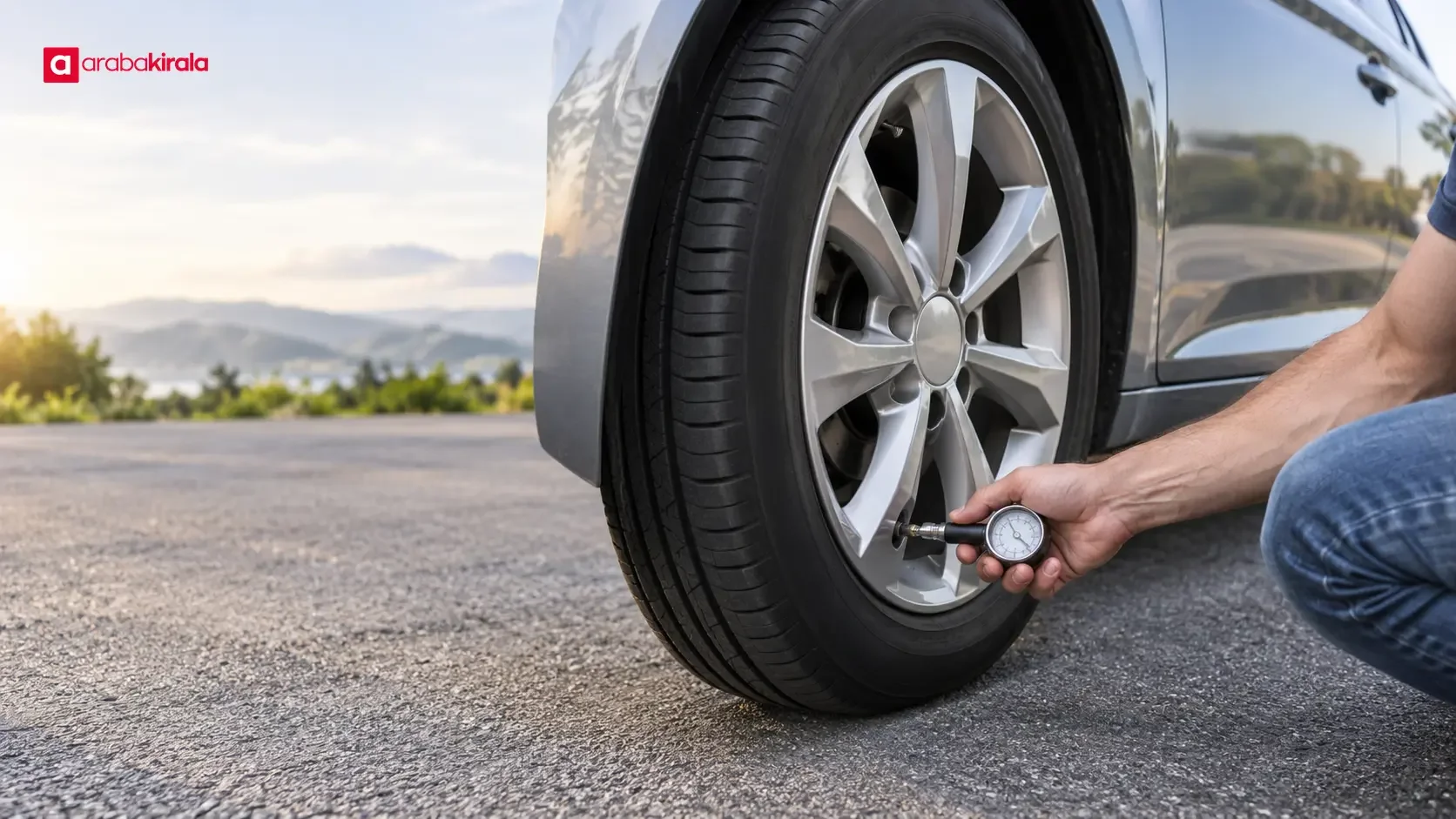
A tire pressure monitoring system, commonly called TPMS, helps alert the driver when a tire may have lost pressure. It can measure pressure with sensors inside the wheels or infer a change from how the wheels rotate. A warning is a prompt to check the tires, not proof that they are now at the right pressure. Stop somewhere safe, inspect them, and use the pressure recommended by the vehicle maker.
Why monitor tire pressure?
Tires are the vehicle’s contact with the road, so pressure affects how they flex, wear, and respond to steering. An underinflated tire can flex more and build heat; severe underinflation can damage it. Excessive pressure can also affect the contact patch and ride. The correct setting is vehicle specific. Find it in the owner’s manual or on the vehicle’s tire information label, often located on a door frame. The maximum pressure molded into a tire’s sidewall is not a substitute for the vehicle’s recommended setting.
Pressure can change gradually through small leaks, temperature variation, or issues involving a tire, wheel, or valve. Monitoring can help drivers notice a loss earlier, but it does not diagnose every problem. A cut, bulge, puncture, wheel damage, or uneven wear may need attention even when the TPMS lamp is off. Regular visual checks and measurements with a suitable gauge remain useful.
How direct TPMS works
A direct system uses pressure sensors fitted inside each wheel, often as part of or near the valve assembly. The sensors measure the air pressure and send readings wirelessly to the vehicle’s electronic control unit. The vehicle evaluates the incoming information and illuminates a warning when its monitoring criteria indicate low pressure. Some vehicles show an individual reading for each tire; others provide only a general warning.
Because these sensors rotate with the wheel, they contain electronic components and a battery. Sensor condition, replacement procedures, and whether the vehicle must learn a sensor’s position vary by model. After tire or wheel work, consult the owner’s manual and tell the tire service provider that the vehicle has TPMS. If a warning persists or a sensor fault appears, a qualified service facility can diagnose the system.
How indirect TPMS works
An indirect system does not measure the air pressure inside each tire with a dedicated pressure sensor. It commonly uses wheel speed information from the anti-lock braking system. When a tire loses pressure, its rolling circumference may become smaller, so it can rotate at a different rate from the other wheels. The system compares wheel behavior, and some designs may use additional vibration information, to identify a pattern consistent with pressure loss.
Indirect TPMS generally does not display a live pressure value for each tire. It gives a warning when it detects an abnormal pattern. After correcting pressures, the system may need to establish a new reference. Depending on the vehicle, the driver may initiate this through a menu or the system may relearn during specified driving. Follow the manual’s reset or calibration instructions. Resetting before checking and correcting pressures can teach the system an inappropriate reference.
What to do when the warning appears
A TPMS warning means the tires need attention, but it may not explain how much air is missing or why. If it appears while driving, reduce speed, avoid abrupt maneuvers, and stop at the first safe location. From a safe position, look for obvious deflation, a cut, a bulge, an embedded object, or wheel damage. Reaching a safe area takes priority over inspecting a tire beside moving traffic.
If a tire is visibly damaged, losing air quickly, or the vehicle’s handling has changed noticeably, do not continue driving; arrange roadside or service assistance. If there is no obvious damage, measure each tire with a gauge when the tires are cold. Set pressures to the vehicle maker’s recommendations for the vehicle’s load. A display that identifies one wheel can help narrow down the warning, but it does not replace a physical check.
If measured pressures are correct and the warning remains, check the manual for the appropriate reset procedure. A warning that returns can point to a leak, sensor, valve, or system communication issue and should be investigated. On some vehicles, a flashing lamp followed by a steady light indicates a system fault; the owner’s manual explains the specific behavior for that model.
How to check pressure accurately
For a useful comparison, measure before driving or after the vehicle has been parked long enough for the tires to cool. Driving warms tires and temporarily raises pressure. Releasing air from a warm tire to match a cold-tire recommendation can leave it underinflated after it cools. Use a functioning pressure gauge rather than judging by appearance or pressing the tire by hand.
- Find the vehicle’s recommended figures in the owner’s manual or on its tire information label.
- Check whether front and rear recommendations differ and whether the load changes the specified setting.
- Measure every tire individually; follow the manual for any spare tire that requires maintenance.
- Replace valve caps after adjustment and follow the manual if a warning remains.
A warning system cannot promise advance notice of every puncture or sudden tire failure. Sensor battery condition, radio communication, system faults, or abrupt damage may affect what it detects. Treat TPMS as an added driver aid, not a replacement for routine tire care.
Tire changes and seasonal checks
When changing between seasonal wheel sets, check whether sensors are fitted and compatible with the vehicle. The car may need to identify which sensor is at each wheel after the set is changed. Whether that happens automatically or requires a service tool or driver action depends on the model. Let the tire service provider know the vehicle has TPMS, then confirm that no warning is present after the work.
Ambient temperature can affect tire pressure, but a change of season is not a pressure setting by itself. Measure the tires cold and compare the result with the vehicle’s recommendations. Regular checks are especially useful before a long trip, after a change in load, and following tire work.
TPMS in a rental car
If a warning appears in a rental car, stop safely and check the display and tires. Refer to the vehicle manual and notify the branch from which you rented it; assistance and next steps depend on the rental and vehicle arrangements. If pressure needs adjustment, verify the correct figures on the vehicle label or in the manual. Do not reset the system at random to clear a warning, and do not continue on a visibly damaged tire.
Frequently asked questions
Does TPMS show the pressure on the dashboard?
Some direct systems display a separate pressure reading for each tire. Other direct systems and many indirect systems provide only a warning. Check the manual to see what information your vehicle displays.
Should I check the tire if the warning goes away?
Yes. A warning disappearing does not by itself prove that the tire is undamaged or correctly inflated. Measure pressure when the tire is cold and inspect it for visible damage.
Do I need to reset TPMS after adjusting pressure?
That depends on the system and vehicle. Some models need a new reference to be set; others relearn automatically. Correct all tire pressures first, then follow the manual’s procedure.
Should I use the pressure printed on the tire sidewall?
The sidewall marking generally describes a tire limit, not the vehicle’s everyday recommended pressure. Use the vehicle’s tire label or owner’s manual for the appropriate setting.
A tire pressure monitoring system helps identify possible pressure loss, while sound tire care still relies on measurement, visual inspection, and the vehicle maker’s guidance. Treat the warning as a reason to check, maintain pressure according to the vehicle information, and follow the manual for model-specific actions.
Legal Disclaimer: All content, articles and information on the Araba Kirala website are provided solely to inform users. No information shared on this website constitutes definitive advice or guidance. Araba Kirala Teknoloji A.Ş. and its authors cannot be held responsible for any direct or indirect damages arising from the application of information on the website. For all questions and requests regarding car rental, please contact the office from which you will rent your vehicle.