How to Read Car Fuel Consumption Data
Published: October 6, 2026 • Reading Time: 7 min • Last Updated: October 6, 2026
Learn what instant and average fuel economy readings mean, why test figures differ from everyday driving, and how traffic, weather, load and driving style affect consumption.
Contents
- What does a fuel consumption unit mean?
- What do the dashboard readings show?
- Instant consumption
- Average consumption
- Estimated remaining range
- Why do test figures differ from everyday use?
- How do driving conditions affect consumption?
- Traffic and route
- Speed and driving style
- Weather, climate control and load
- Tyres and vehicle condition
- A practical way to compare fuel use
- Frequently asked questions
- What is the difference between instant and average fuel consumption?
- Why does the dashboard average change from one trip to another?
- Can I rely on the remaining-range figure as an exact distance?
- How can I monitor consumption more consistently?
- Summary and next step
Knowing how to read car fuel consumption data helps you understand how much fuel a vehicle uses and compare trips on a more consistent basis. This guide explains the difference between instant and average readings, L/100 km, and published test figures, then describes how traffic, speed, weather, load and vehicle condition affect what you see. It also offers a practical way to record information before and after a rental journey.
What does a fuel consumption unit mean?
In many countries, fuel consumption is expressed as litres per 100 kilometres (L/100 km). A lower figure means the car used less fuel to cover the same distance under the conditions represented by that figure. For instance, 6 L/100 km means an average of six litres for every 100 kilometres in the measured period or test. It does not promise that every trip will use exactly that amount. Actual use changes with the route and driving conditions.
Some dashboards and sources use kilometres per litre (km/L) or miles per gallon (MPG). With km/L, a higher number means more distance travelled per litre. MPG also describes distance per unit of fuel, but US and UK gallons differ, so check which one applies before comparing figures. Confirm the unit shown on the dashboard or in the vehicle information. If the display can be changed, consult the owner’s manual for the relevant setting and explanation.
What do the dashboard readings show?
Instant consumption
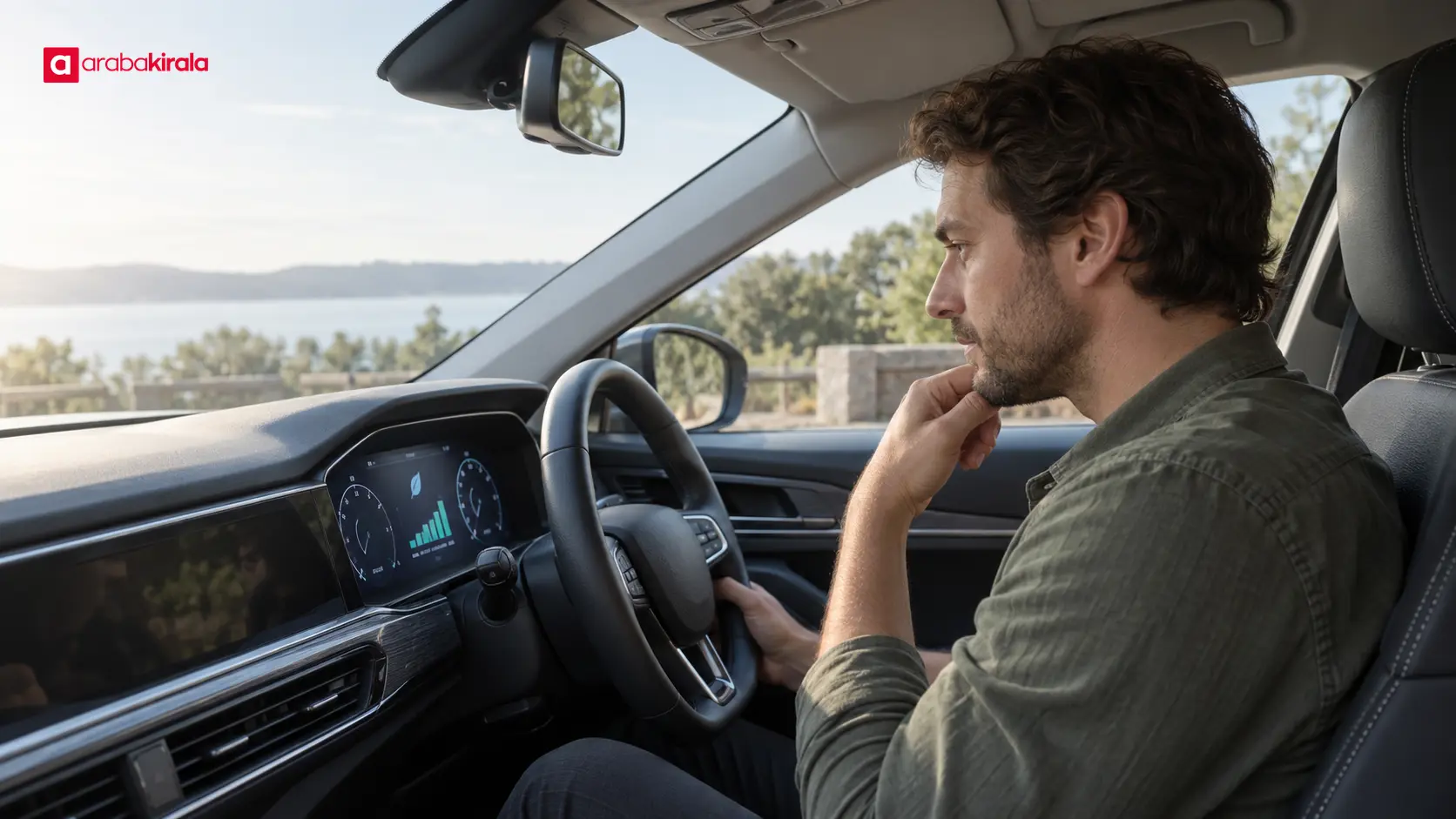
Instant consumption represents fuel use at that moment or over a very short interval. It may rise during acceleration, fall when you ease off, or approach zero in some vehicles under certain conditions. Slope, gear changes and engine management can make it fluctuate quickly. A momentary reading is therefore not a useful summary of an entire journey. For safety, do not watch the display while driving; review it after stopping in a safe place.
Average consumption
Average consumption combines fuel use and distance over a selected period. The starting point can vary by vehicle and display: it may be since the last reset, since the engine started, or since refuelling. The word “average” alone does not tell you which interval is being used. Check the menu or owner’s manual, and make sure you use the same measurement period when comparing trips.
A trip computer is a convenient indicator, but its calculation may not exactly match a longer calculation based on fuel purchases and distance records. Small differences in refuelling amounts, the car’s position on a slope, the measurement interval and the display’s method can affect the result. To get a more useful comparison, track the same vehicle across similar periods, define when the measurement begins and ends, and avoid drawing a firm conclusion from one short trip.
Estimated remaining range
Remaining range is an estimate of how far the fuel left in the tank may take the vehicle. It commonly uses recent or previous consumption. The estimate can change when the route, traffic or driving style changes, so it is not a guaranteed distance. Keep an eye on the fuel gauge and road conditions as well. On an unfamiliar route, do not postpone refuelling solely because the displayed estimate appears sufficient.
Why do test figures differ from everyday use?
Figures published by vehicle makers or official vehicle information sources are generally produced under defined, repeatable test conditions. A standard procedure makes it easier to compare vehicles within a consistent framework; it cannot predict the result an individual driver will see on every route. Everyday driving combines changing temperatures, traffic flow, gradients, speeds, passenger and luggage loads, climate control use and driving habits. Treat a test or catalogue figure as a reference point, not a precise forecast for your personal use.
When comparing more than one vehicle, check that the figures come from the same measurement standard and use the same unit. Petrol, diesel, hybrid and electric-assisted powertrains operate differently, so a number taken out of context can mislead. Vehicle class and equipment can also matter. The goal is not to calculate an exact future result, but to use comparable information as a reasonable starting point.
How do driving conditions affect consumption?
Traffic and route
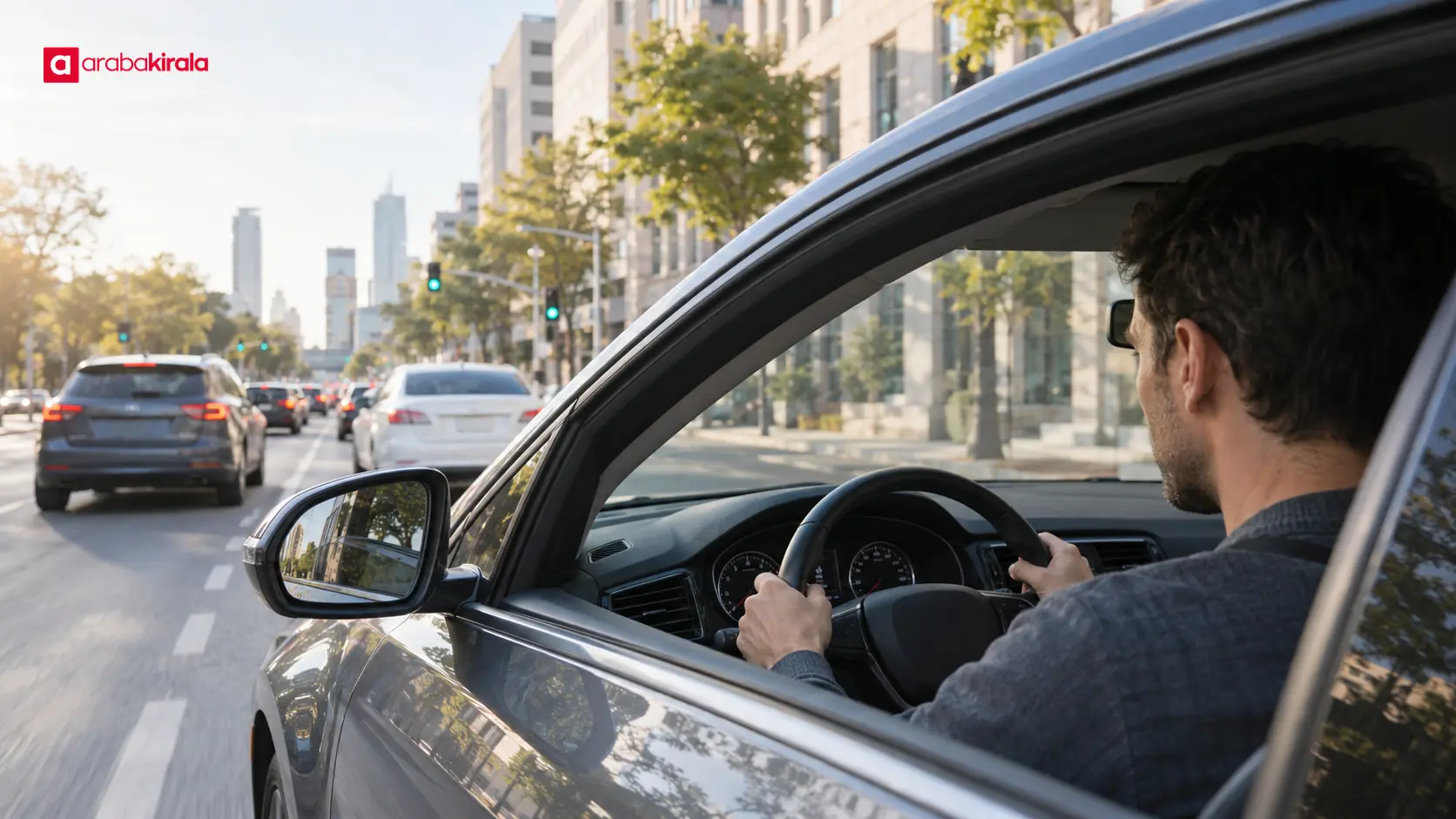
Frequent stops, repeated acceleration and long periods of slow progress can increase fuel use. A smoother traffic flow may make driving more consistent, but other factors such as speed, gradients and strong headwinds still matter. On short trips, consumption can appear higher while the engine and vehicle systems are reaching their operating conditions. Climbing a hill requires more energy, while an instantaneous reading may behave differently on a descent. Record the route and traffic conditions alongside distance instead of looking at kilometres alone.
Speed and driving style
Hard acceleration, late braking and unnecessary changes in speed use energy less efficiently. Looking ahead and adjusting speed gradually can make a trip smoother and make consumption easier to interpret. Follow speed limits and maintain a safe following distance; fuel-saving goals must never take priority over safe driving. Air resistance also becomes more significant as speed rises, so travelling faster can require more energy over the same distance.
Weather, climate control and load
Cold weather can affect fuel consumption through engine operating conditions and the need to heat the cabin. Air conditioning and other comfort systems also contribute to a vehicle’s energy demand. The effect varies with vehicle type, outside conditions and how the systems are used. Passengers and luggage add mass that the vehicle has to move. Removing heavy items that are not needed and setting cabin comfort systems to suit the conditions can make the factors behind a reading easier to understand.
Tyres and vehicle condition
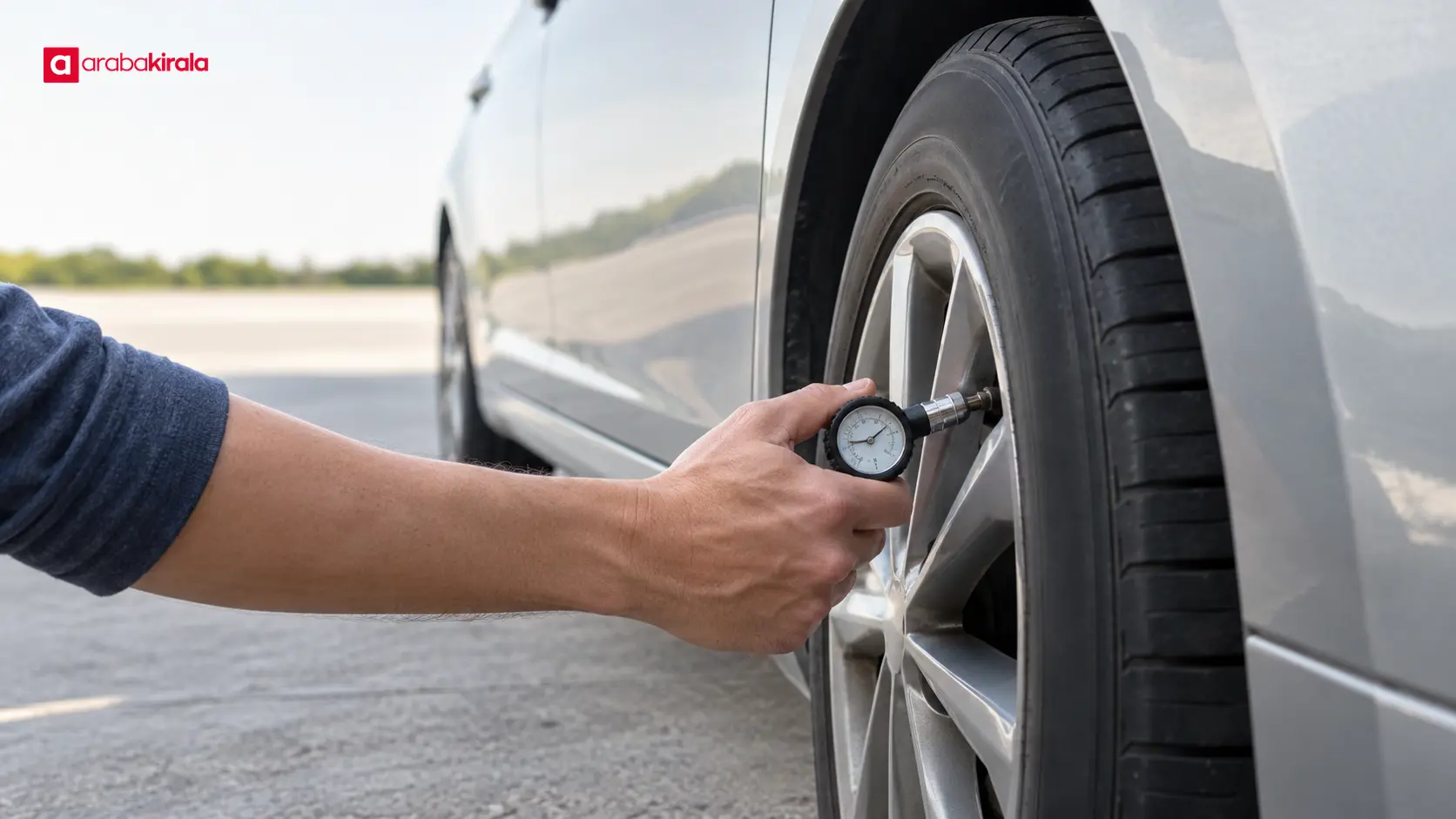
Tyres below the recommended pressure can increase rolling resistance and affect both fuel use and tyre operating conditions. Do not raise pressure arbitrarily. Check the vehicle maker’s recommended values, usually on a vehicle label or in the owner’s manual, and follow the manual’s guidance on measuring pressure when tyres are cold. If a warning light appears or something seems wrong, stop safely and seek appropriate assistance. Do not adjust tyres or vehicle settings while moving. The vehicle’s own manual is the reference for maintenance needs and the correct inspection method.
A practical way to compare fuel use
- Choose a measurement interval: Use a period with a clear start and finish rather than relying on a single short drive.
- Record the starting reading: Note which average the trip computer displays and when it was last reset.
- Log distance and conditions together: Briefly note urban or highway driving, stop-and-go traffic, gradients, weather and climate control use.
- Compare the same units: Do not place L/100 km, km/L and MPG side by side as if they were the same measure.
- Avoid overreading one result: A display can show a trend; repeated readings in similar conditions are more informative.
For a rental car, the odometer readings at collection and return help establish the distance travelled. You can also observe the fuel gauge at both points, but a needle or bar is not a precise litre measurement. Ask the branch where you will rent the vehicle how its fuel level and return record are handled, and what fuel policy applies. These details can depend on the reservation and vehicle. If you plan to reset the trip computer’s average, do so only while safely parked and in line with the owner’s manual.
Frequently asked questions
What is the difference between instant and average fuel consumption?
Instant consumption shows short-term use and can change quickly with acceleration or slope. Average consumption summarises a selected period or distance. One describes an immediate response; the other shows a broader trend.
Why does the dashboard average change from one trip to another?
The reading may start a new period after a reset, and routes, traffic, weather, load and driving style vary. Check the display’s starting point and compare trips with similar conditions to understand the difference.
Can I rely on the remaining-range figure as an exact distance?
No. It is an estimate based on consumption history and can update as conditions change. Keep track of the fuel level and plan the journey independently.
How can I monitor consumption more consistently?
Drive smoothly and safely, check the recommended tyre pressure in the vehicle manual, and compare more than one reading from similar conditions. If you are renting, ask the branch about the fuel record and return details that apply to your booking before collecting the car.
Summary and next step
In L/100 km, a lower figure indicates less fuel used. Instant consumption, average consumption and remaining range are different kinds of readings, each with a different purpose. Test figures provide a useful comparison reference, not a guaranteed everyday result. Traffic, route, speed, weather, climate control, load and tyre condition all affect consumption. On your next trip, check the display unit and the period covered by its average, then record distance and conditions together. For a rental vehicle, ask the branch where you will collect it about the fuel gauge and return record details that apply to your booking.
Legal Disclaimer: All content, articles and information on the Araba Kirala website are provided solely to inform users. No information shared on this website constitutes definitive advice or guidance. Araba Kirala Teknoloji A.Ş. and its authors cannot be held responsible for any direct or indirect damages arising from the application of information on the website. For all questions and requests regarding car rental, please contact the office from which you will rent your vehicle.