How to Read Tire Size, Load Index and Speed Rating
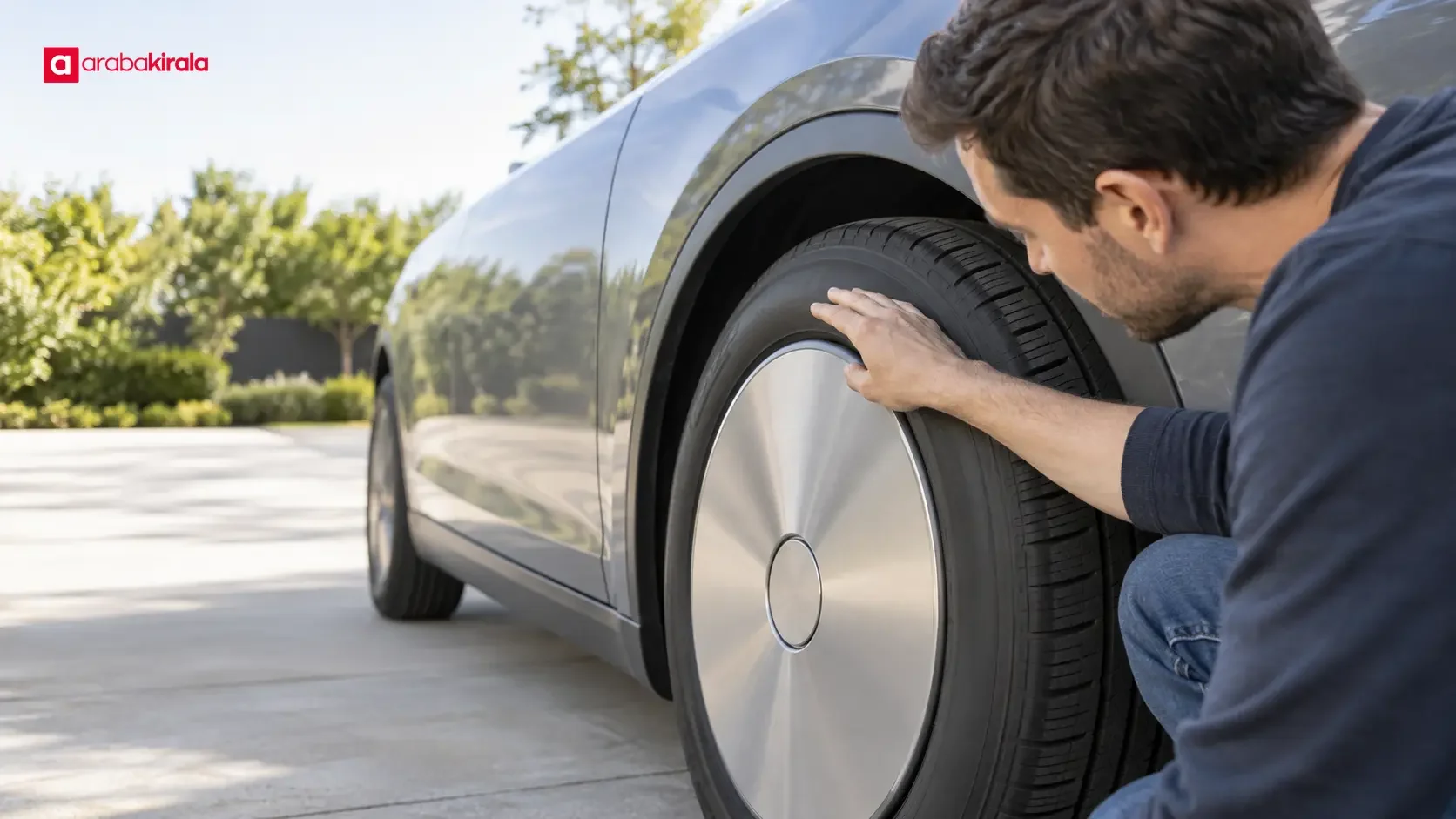
A sidewall code such as 205/55 R16 91V describes a tire’s dimensions and certain operating limits. The size, load index and speed symbol each convey different information. Reading one part as if it meant another can lead to a mistaken specification check. Knowing how the code works helps you identify the tire fitted to a vehicle and compare it with the vehicle maker’s technical information when a replacement is needed.
What are tire size and service description?
In a common tire marking, the first group gives the size, while the number and letter that follow form the service description. In our example, 205/55 R16 is the size and 91V combines the load index with the speed symbol. Two tires with the same size can have different load or speed ratings, so matching only the first group may not be enough.
How to read 205/55 R16
205: nominal section width
The first number is the nominal section width in millimetres. It describes the tire’s width across its sidewalls at the widest point. It is a standardized size designation, not a complete fitment decision: compatibility with the wheel, vehicle and manufacturer’s specifications still needs to be checked.
55: aspect ratio
The number after the slash is the sidewall height expressed as a percentage of the nominal section width. In 205/55, the nominal sidewall height is 55 percent of the nominal width. The number is not the sidewall height in millimetres. Two tires with the same width but different aspect ratios have different nominal sidewall heights.
R and 16: construction and rim diameter
R identifies radial construction. The following 16 is the diameter of the wheel rim the tire is designed to fit, in inches. The rim diameter is one part of wheel fitment, so the tire and wheel dimensions must be compatible. R does not indicate the speed rating: the speed symbol appears after the load index in the service description.
What does the load index mean?
91 is the load index in this example. It is a code for the tire’s load carrying capacity under the prescribed inflation and operating conditions. The index itself is not a weight in kilograms; its corresponding load value is found in a standardized load index table. It is therefore not reliable to treat the number as a kilogram figure without consulting the table.
A tire’s load index is not the vehicle’s total payload, luggage allowance or permitted number of occupants. It describes a tire rating; the vehicle’s gross and axle load limits are separate technical specifications. Load capacity must also be understood alongside correct inflation and operating conditions. Markings elsewhere on the sidewall, such as “MAX LOAD” or “MAX PRESS,” should not automatically be treated as the vehicle’s permitted payload or recommended everyday pressure.
What does the speed symbol mean?
V is the speed symbol. The letter identifies a speed category for which the tire is designed to carry its specified load under conditions defined by the tire maker. It does not mean that a vehicle can or should always be driven at that speed. Road and weather conditions, tire condition, inflation and the vehicle maker’s instructions all matter. Posted speed limits still apply.
Speed categories use letters, with corresponding values set out in standardized tables. It can be misleading to assume that the alphabet alone tells you the exact speed or that every next letter simply represents a fixed increase. Check the symbol against the relevant table and read it together with the load index rather than in isolation.
How to check the right tire specification for a vehicle
Start with the vehicle owner’s manual, the tire information placard on the vehicle and the manufacturer’s technical documents. The placard location varies by vehicle. Front and rear axles may have different specified sizes, so do not rely on the marking from one wheel alone. The size currently fitted is not necessarily the only size approved for that vehicle; verify the manufacturer’s information first.
When choosing a replacement, check the size, load index and speed symbol against the vehicle specification. Whether an alternative size is suitable can depend on technical details such as wheel width, vehicle trim and manufacturer approval. Do not decide based only on appearance, the old tire’s code or the assumption that a higher rating is always better. If uncertain, consult the vehicle maker’s documentation or ask a qualified tire professional to review the exact vehicle model and configuration.
Why tire markings can help with a rental car
When collecting a rental car, recognizing the sidewall code helps you understand the size and service description fitted to that vehicle. This can be useful if a tire warning appears, damage is noticed, or you need to describe the tire in a technical question. The markings alone do not prove that a tire is undamaged or correctly inflated; its visible condition and vehicle warnings should be considered separately.
If there is uncertainty about a tire replacement, a different size or the spare tire, ask the branch you are renting from for information specific to that vehicle and reservation. Sizes, ratings, inflation guidance and spare tire arrangements can vary by vehicle, so avoid assuming a universal company condition. If you need to check pressure, use the recommendation in the vehicle manual or placard; do not use the tire sidewall’s maximum pressure as the target.
Frequently asked questions
What do 91 and V mean in 91V?
91 is the load index, a code for the tire’s load capacity category. V is the speed symbol, which identifies a speed category tied to carrying the specified load under defined conditions. They are separate parts of the service description.
Is tire size the same as load index?
No. In 205/55 R16, the size section describes width, aspect ratio, construction and rim diameter. The following 91 is the load index, and V is the speed symbol. Read the parts together to understand the full marking.
Can I fit a tire with a higher load index to any car?
A higher index by itself does not establish that a tire is suitable. Check the size, wheel compatibility, speed symbol and the vehicle maker’s technical requirements together. Refer to the manufacturer’s information or a qualified professional for vehicle-specific guidance.
Is the pressure on the tire sidewall the recommended pressure for the car?
No. A sidewall pressure marking can refer to a tire limit; it may not be the pressure recommended for everyday use on that vehicle. Use the vehicle manual or tire information placard for the vehicle’s pressure guidance.
Legal Disclaimer: All content, articles and information on the Araba Kirala website are provided solely to inform users. No information shared on this website constitutes definitive advice or guidance. Araba Kirala Teknoloji A.Ş. and its authors cannot be held responsible for any direct or indirect damages arising from the application of information on the website. For all questions and requests regarding car rental, please contact the office from which you will rent your vehicle.