How Does V2L Work in Electric Cars?
Published: October 5, 2026 • Reading Time: 7 min • Last Updated: October 5, 2026
Vehicle-to-load technology sends power from an electric car’s high-voltage battery to compatible devices. Learn how the energy flows, how V2L differs from charging, and what to check for safe use.
Contents
- What does V2L mean?
- How does power travel from the car to a device?
- Interior outlet versus external adapter
- Which devices can you use?
- What to check before use
- Safe use and battery management
- Using V2L in a rental electric car
- Frequently asked questions
- Does V2L charge the car?
- Can V2L power a house?
- Does V2L affect driving range?
- Do all electric cars have the same V2L equipment?
- In summary: consider the device, output and battery reserve
Electric car V2L lets a vehicle supply energy from its battery to compatible electrical devices. This guide explains how power moves from the car to a device, how an interior outlet differs from an external adapter, what the feature means for battery use, and what to check before connecting anything. V2L is not fitted to every electric vehicle, and its output and operating steps vary by vehicle.
What does V2L mean?
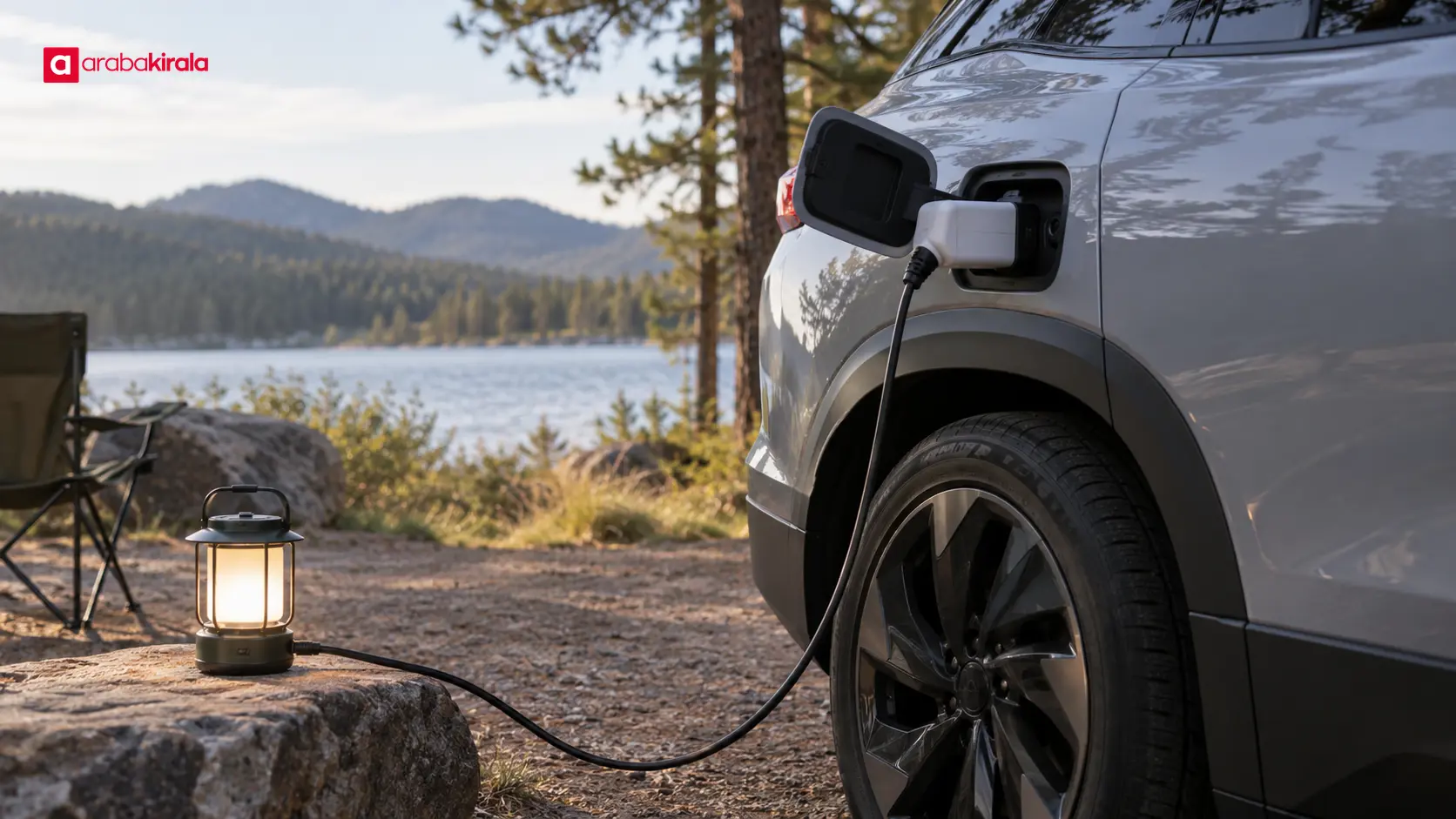
V2L is short for “Vehicle to Load.” The load is the appliance or equipment receiving power. A compatible vehicle uses power electronics to convert energy from its high-voltage battery into a form that the supported outlet or adapter can provide to devices. Depending on the vehicle, the connection may be an AC outlet in the cabin or an adapter attached to the charging inlet.
It can be useful as a source of portable power, but it is not the same as a separate generator and should not be treated as an unlimited supply. The battery also stores energy for driving. Power sent to external devices reduces the energy available for the trip, while the amount of range affected depends on the load, duration, vehicle settings and conditions. There is no single range penalty that applies to every V2L session.
How does power travel from the car to a device?
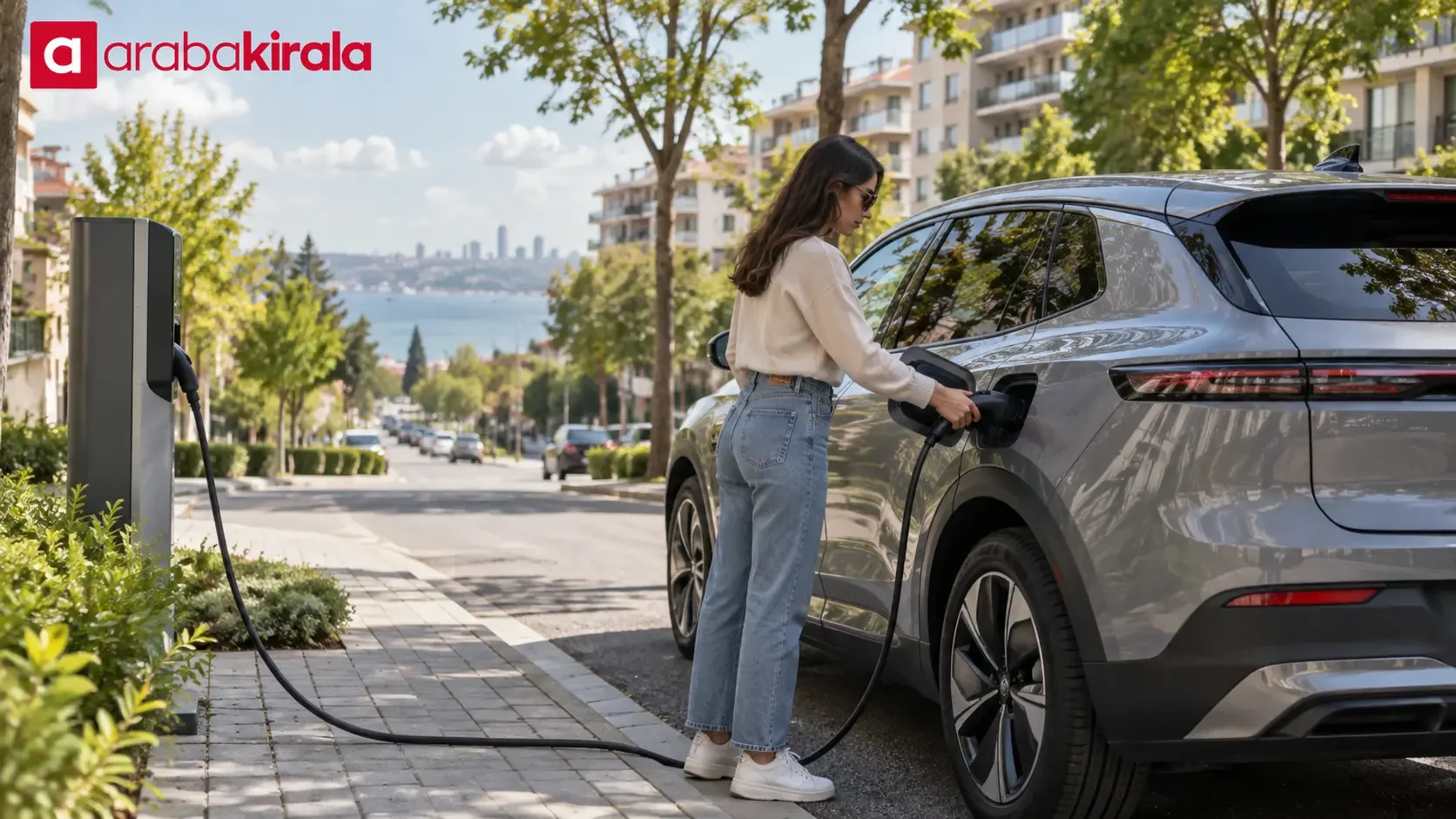
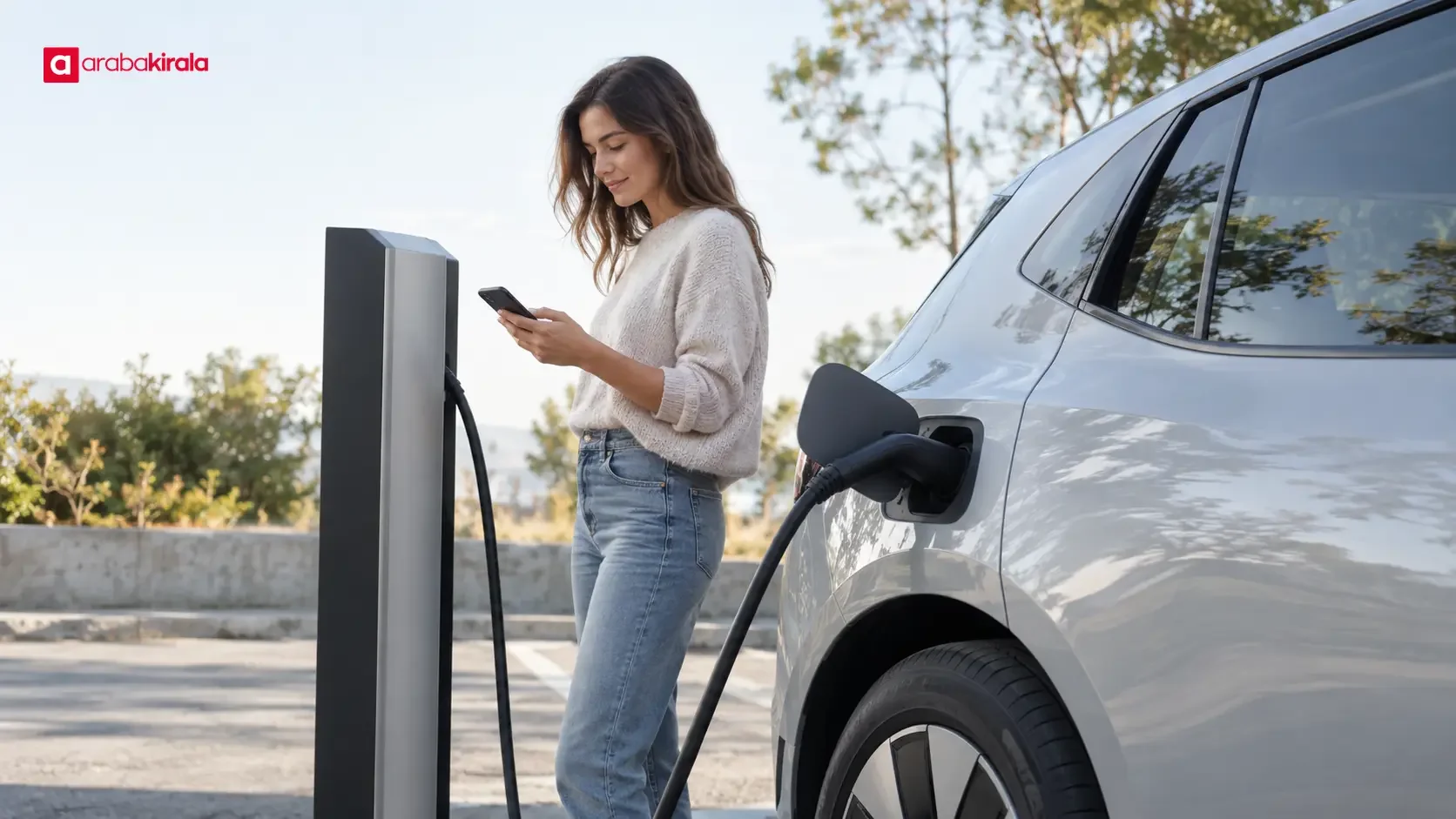
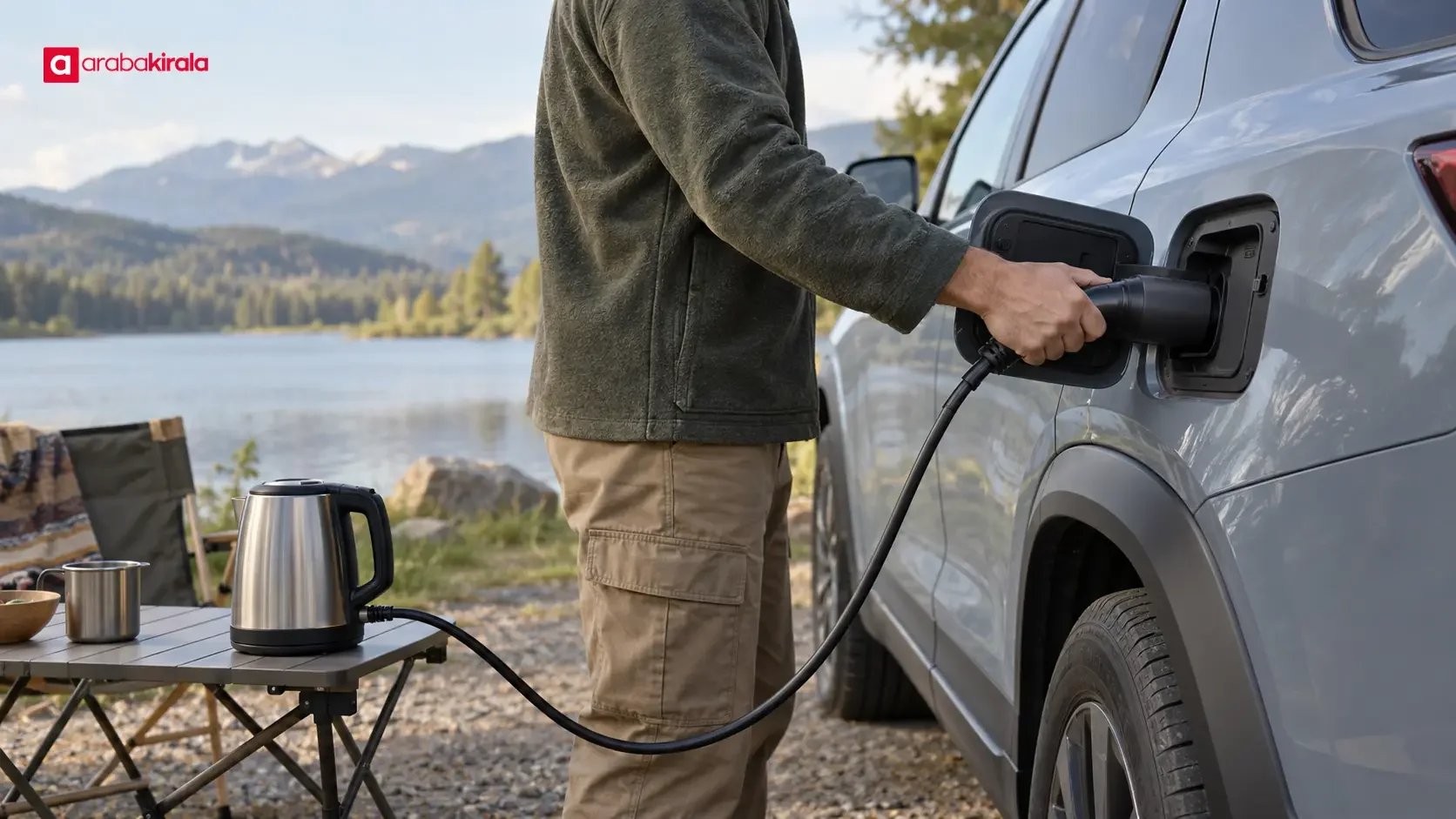
The high-voltage battery, the vehicle’s power electronics and its V2L hardware work together. Conversion and protective controls make the battery’s energy available through a supported connection. The user plugs a compatible device into the vehicle’s built-in outlet or uses the vehicle-specific adapter connected to the charging inlet. Both methods require a vehicle equipped for that particular function.
Interior outlet versus external adapter
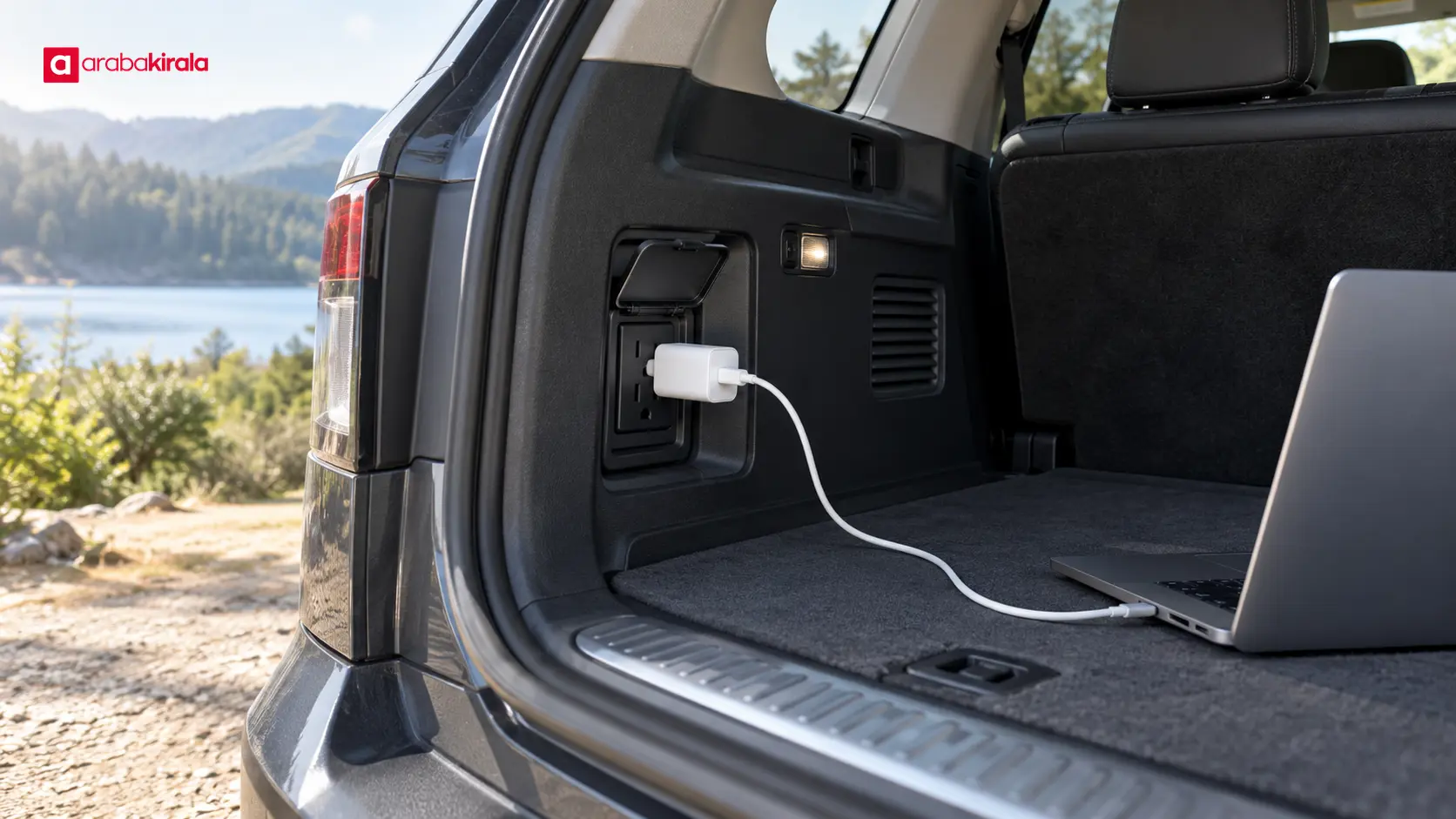
An interior AC outlet accepts a compatible plug directly inside the cabin. An external V2L adapter provides an outlet outside the vehicle by drawing power through the charging port. The adapter design and operating sequence are vehicle-specific. A car with an interior outlet does not necessarily support power through its charging inlet, and an external adapter may have different output limits from an interior socket.
V2L is also distinct from V2H and V2G. V2L is intended to supply individual devices or equipment. V2H refers to supplying a home through suitable equipment, while V2G refers to two-way energy exchange with the electricity grid. Those uses can require different hardware, controls and installation. A V2L feature alone does not mean a vehicle can feed power into a home or grid.
Which devices can you use?
Suitability depends on the device’s power demand, its start-up needs and the vehicle’s output rating. Lower-power uses, such as lighting or charging a phone or computer, may fit some systems. Heaters, kitchen appliances, compressors, or several devices at once can exceed the available output. The wattage label is a useful starting point, but motors and electronically controlled equipment can draw extra power when starting.
Check the voltage, maximum power and any current limit stated in the vehicle manual or on the outlet and adapter. Compare those values with the device requirements; do not assume that different vehicles have the same rating. A device that exceeds the limit or is unsuitable for the output may not work correctly or may cause the outlet to shut off. For sensitive electronics, check the device maker’s guidance about the stability of its power supply. Do not connect multiple loads through an extension or multi-outlet block unless the vehicle manual permits it.
What to check before use
- Feature availability: Confirm in the vehicle documentation that V2L is fitted, and whether power comes from an interior outlet or an external adapter.
- Output rating: Compare the voltage, maximum power and any current limit with the device’s requirements. Ratings vary by vehicle.
- Battery reserve: Keep enough charge for driving and reaching a charging point. If the vehicle has a minimum battery setting for power transfer, learn how it works.
- Connection method: Use only compatible equipment and follow the vehicle’s connection sequence. Do not force a connector or use a damaged cable, plug or adapter.
- Surroundings: Protect electrical connections from water, heavy moisture, crushing and trip hazards. Keep covers and protective parts in the positions specified by the manual.
Safe use and battery management
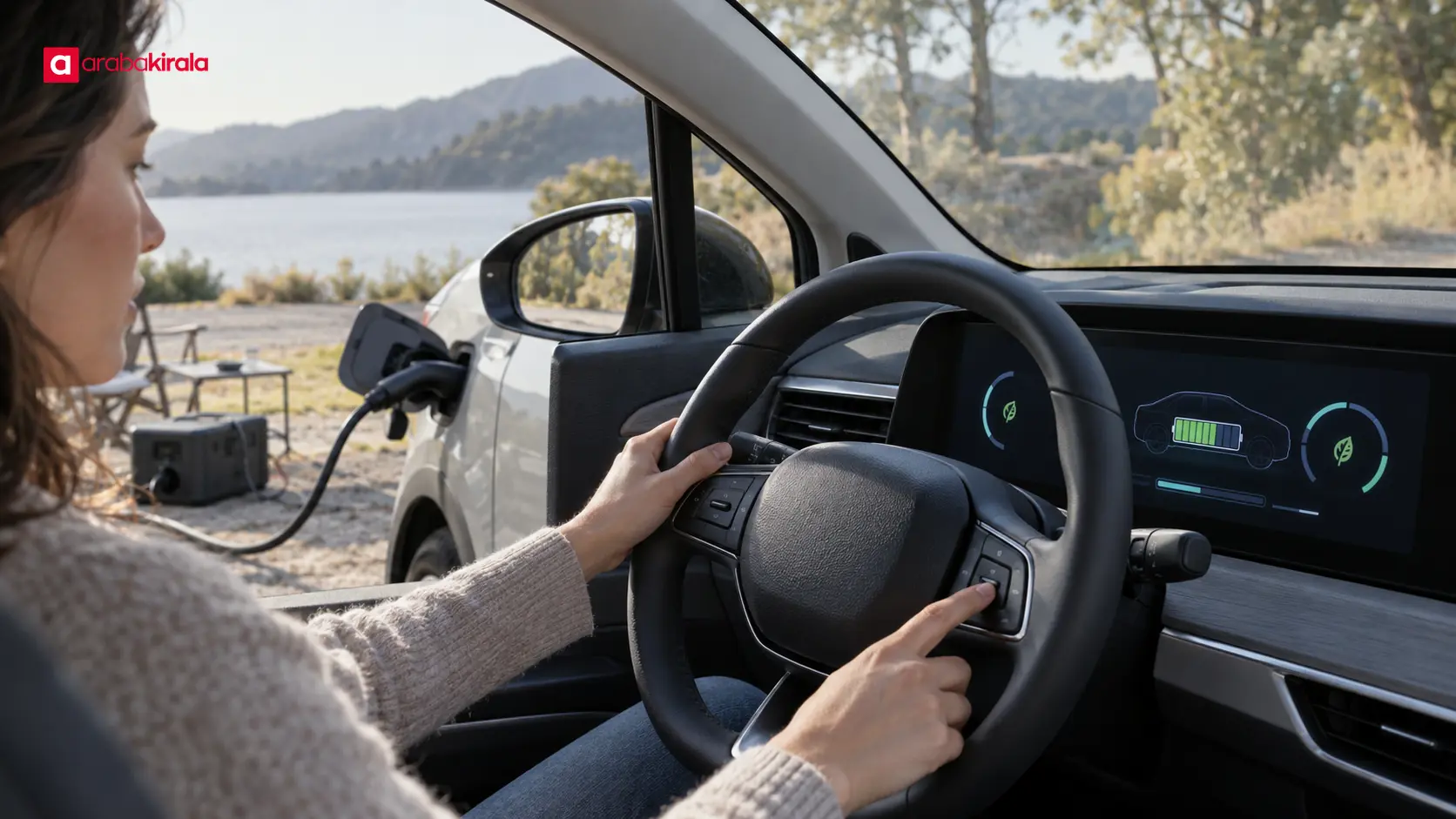
Use V2L only under the conditions described in the vehicle manual. Depending on the model, the car may need to be in a particular operating mode, power transfer may need to be enabled through a screen, or a minimum battery level may be configurable. Controls and labels differ, so instructions for one vehicle should not be assumed to apply to another. Monitoring the battery and energy display helps you keep track of the remaining reserve.
Do not connect electrical equipment with wet hands. Keep cables away from hot surfaces, moving parts and places where wheels may pass over them. Do not force open an outlet or adapter or attempt to modify the electrical system. If you notice unusual heat, an abnormal smell, visible damage or repeated interruptions, stop using the outlet and follow the vehicle manual. Do not assume a stationary vehicle is safe to occupy in every environment; pay attention to the operating area and vehicle alerts.
Operating time depends on the connected load and vehicle settings. Extended use lowers the battery level, and some vehicles may stop output when a set threshold is reached. The conditions for that feature are model-specific. If output stops, disconnect the device and follow the manual’s checks; do not try to bypass protective controls.
Using V2L in a rental electric car
Ask the branch you will rent from whether the vehicle you will receive has V2L. A model name alone may not settle the question because equipment can differ across versions and markets. Also ask whether the required adapter is supplied with that vehicle, what device connections are supported, and where to find the operating instructions. This lets you plan around confirmed equipment instead of assuming it is present.
At pickup, it can help to identify the outlet or adapter, inspect the adapter components if provided, and review the vehicle-specific instructions. Account for the fact that powering devices draws on the battery when planning your route. Since output, operating mode and adapter availability depend on the particular vehicle, base your plan on the documents for the car you receive.
Frequently asked questions
Does V2L charge the car?
No. V2L sends energy from the vehicle battery to an external device. Charging the vehicle supplies energy in the other direction. Vehicle-to-vehicle power transfer involves separate compatibility and equipment questions; the presence of V2L does not establish that it is supported.
Can V2L power a house?
A V2L outlet is intended for compatible devices and should not be connected casually to household wiring. Supplying part of a home may require compatible equipment designed for that purpose and professional installation. Do not connect a V2L outlet or adapter directly to a home circuit.
Does V2L affect driving range?
Yes. Energy supplied to devices is no longer available for driving. The effect depends on device consumption and run time, so there is no universal distance figure. Check the vehicle’s battery display and consider charging options along the route before setting off.
Do all electric cars have the same V2L equipment?
No. V2L may be unavailable on some vehicles or equipment versions. Output, connection point, adapter requirements and controls can also differ. Use the manual and equipment of the specific vehicle as your reference.
In summary: consider the device, output and battery reserve
Electric car V2L uses the vehicle’s conversion hardware and connections to send battery energy to compatible devices. For practical and safe use, confirm that the vehicle supports V2L, compare its output rating with the device, follow the connection instructions and preserve enough battery for your trip. For a rental, confirm the specific equipment and adapter with the branch you will rent from, then follow the instructions for that vehicle.
Legal Disclaimer: All content, articles and information on the Araba Kirala website are provided solely to inform users. No information shared on this website constitutes definitive advice or guidance. Araba Kirala Teknoloji A.Ş. and its authors cannot be held responsible for any direct or indirect damages arising from the application of information on the website. For all questions and requests regarding car rental, please contact the office from which you will rent your vehicle.