
How Are WRC Car Chassis Designed to Withstand Impacts?
Published: October 19, 2026 • Reading Time: 6 min • Last Updated: October 19, 2026
Learn how a WRC car’s safety cell, reinforcement cage, impact management zones, and post-stage inspections work together.
Contents
- Chassis, body, and safety cell
- How impact loads are managed
- Protecting the crew’s space
- Managing damage outside the cockpit
- The chassis is one part of a safety system
- Technical rules and design limits
- Why post-stage structural inspections matter
- How readers can use this information
- Frequently Asked Questions
A WRC car chassis is designed to create a protected space around the crew and manage crash loads across the structure, rather than relying on one part to absorb every impact. This guide explains the roles of the safety cell, reinforcement cage, body structure, and suspension mounts, along with the checks that matter after a hard hit.
Chassis, body, and safety cell
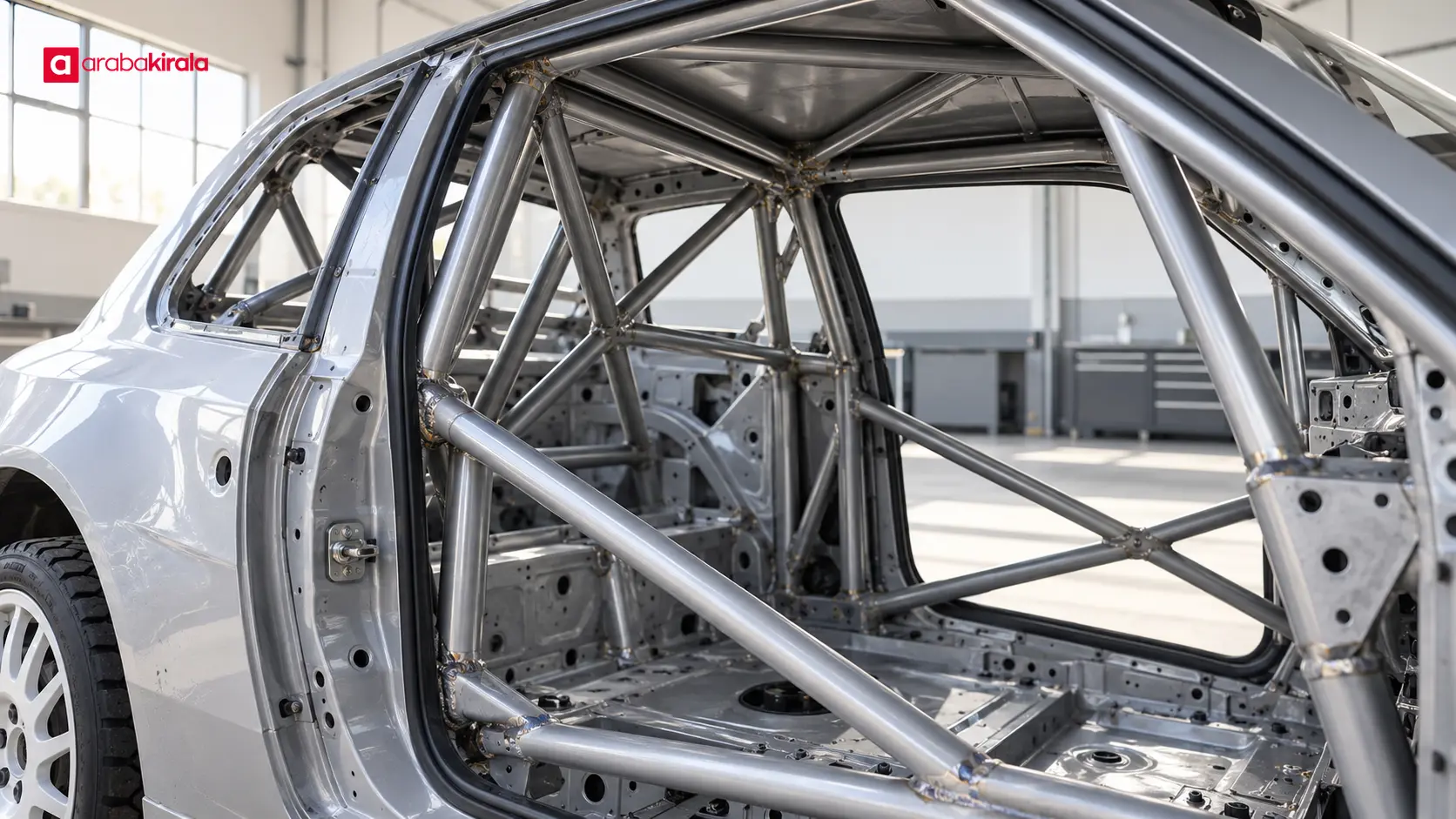
In everyday language, “chassis” often means a vehicle’s main supporting structure. In a competition car, the supporting floor, body shell, and structure surrounding the crew are considered together. A WRC car combines a load-bearing body section derived from a road-car architecture with competition-specific safety and mounting reinforcements. The details depend on the vehicle, its construction, and the technical rules that apply.
The safety cell is the body area around the cockpit. A reinforcement cage consists of tubes that strengthen this area and create additional paths for loads through the roof, sides, and front and rear connections. The cage does not mean that the whole car will remain undamaged in a crash. Its role is to help preserve the crew’s space and manage forces through the structure.
How impact loads are managed
Protecting the crew’s space
The strong structure around the cockpit is intended to resist excessive deformation of the crew compartment during a collision. Cage placement and joints are therefore carefully designed. The structure surrounds the driver and co-driver while working with their seating position, visibility, harnesses, and other safety equipment. Adding tubes alone does not make a car safer: material, geometry, joints, and installation all matter.
Managing damage outside the cockpit
Different parts of a car do not need to respond to an impact in the same way. Some structures outside the cockpit can be designed to absorb energy, deform, or separate in a controlled manner. This can help reduce direct load transfer into the crew cell. The actual outcome still depends on the direction and speed of impact, the surface involved, and the condition of the car; a design cannot guarantee the same result in every crash.
Structural elements around the doors, roof, front, and rear serve different functions within this system. Door-area reinforcement can support the cell in a side impact. Front and rear structures can distribute loads into the chassis and other mounts. The way damage progresses is specific to the car’s engineering and the applicable technical rules.
The chassis is one part of a safety system
The chassis and cage are only part of crew protection. The competition seat, harness, head and neck protection, fire safety equipment, helmet, and correct seating position all work together. How the seat and harness are attached to the structure affects how forces reach the body during an impact. Teams therefore consider changes to one component alongside the positions and condition of related parts.
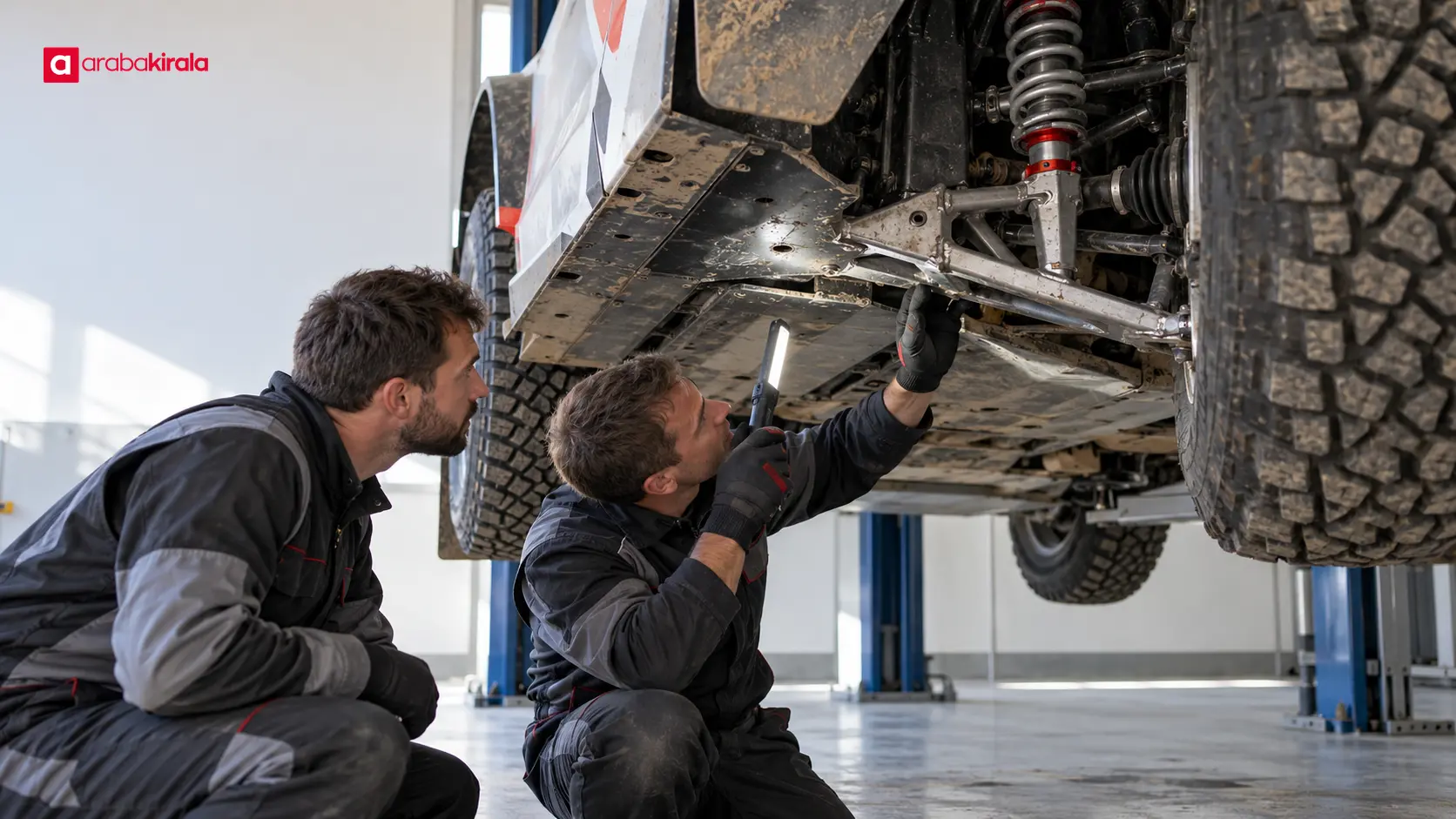
Suspension and wheel mounts matter too. Loads from the stage pass through the wheels to their attachment points; a hard hit can alter geometry or damage components. These parts do not have the same role as the cockpit cage, but they affect structural integrity and the car’s ability to be controlled. That is one reason a contact that looks minor from the outside may still require inspection.

Technical rules and design limits
Rally cars are prepared and checked under the technical regulations that apply to their competition. Cage construction, materials, installation, and class requirements are subject to a technical framework. For a current event, the applicable requirements should be verified in the official FIA regulations and technical documents for that season; rules from different periods or classes should not be treated as interchangeable.
A chassis cannot be assessed by counting its tubes. Their placement, joint quality, attachment to the body, and manufacturing tolerances all affect the result. Repairing or replacing a damaged cage is not ordinary bodywork. It calls for an assessment by a qualified competition-car team using the relevant rules and technical requirements.
Why post-stage structural inspections matter
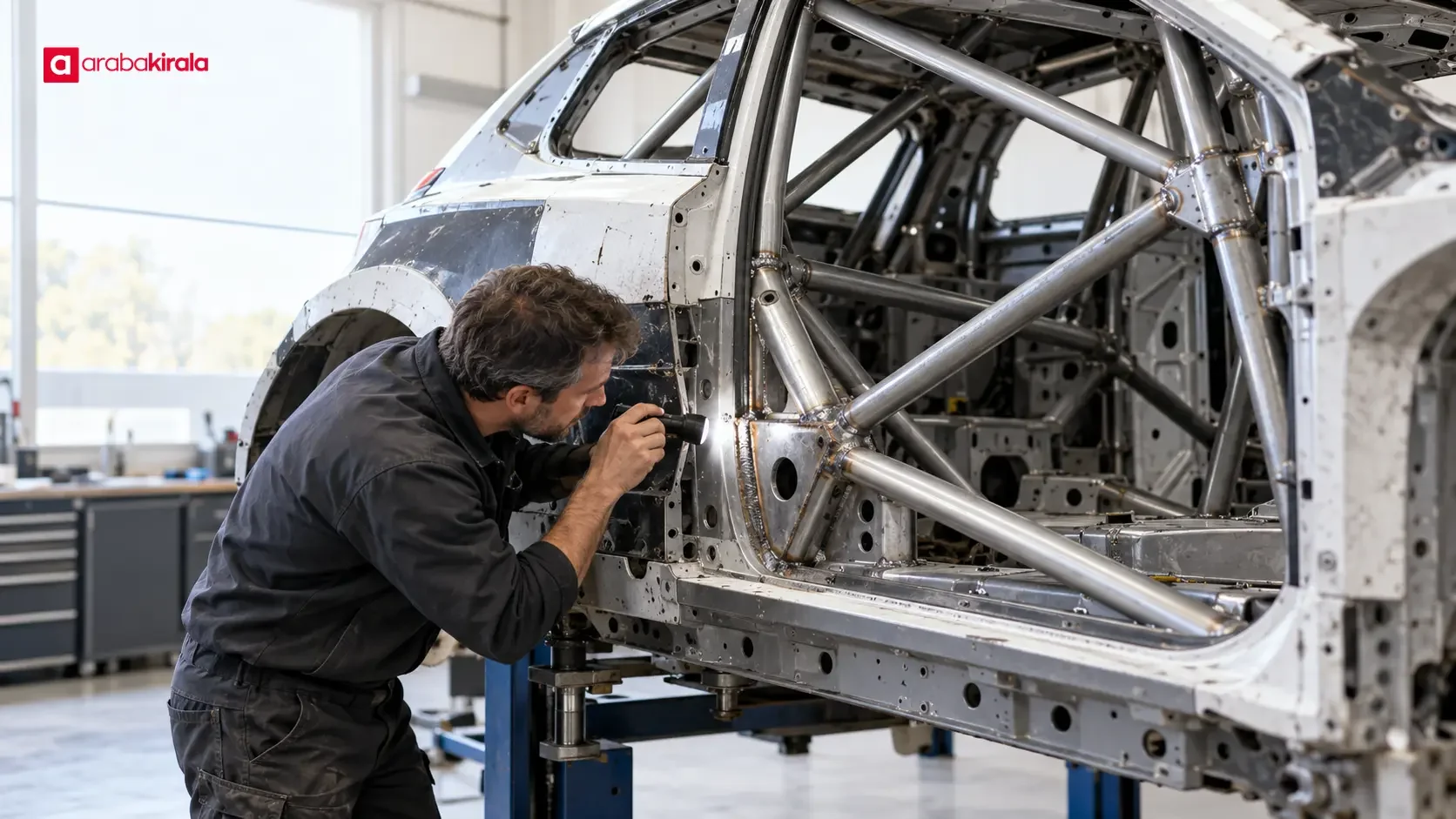
Rally stages expose a car to loads from stones, ruts, jumps, slides, and contact. After a stage, a visual check can identify obvious damage or deformation around the body, mounts, wheel areas, suspension components, and safety cage. A crack, crushed section, loose mount, or suspected change in wheel alignment calls for expert inspection before a decision is made to use the car again.
Inspection can go beyond the outer panels. The underside, attachment points, welds, and cockpit structure may also need attention. After an impact, safety equipment and seat and harness mounts should be assessed as well. The absence of visible marks does not by itself prove that hidden components are undamaged.
How readers can use this information
A WRC chassis should not be assessed using exactly the same criteria as an ordinary road car. Understanding the rally structure helps explain how competition safety engineering works and why professional checks after an impact matter for road vehicles too. If a vehicle has been hit and develops unusual noise, unstable handling, or a change in wheel alignment, stop somewhere safe and have a qualified service professional assess it before continuing.
- Distinguish the protective role of the safety cell from the energy-management role of surrounding structures.
- Do not assess a cage by appearance or tube count alone.
- Consider structural, suspension, and mounting checks together after an impact.
- Verify current competition requirements in official FIA technical documents.
In short, think of a WRC car chassis as a system: a crew cell, a cage that reinforces it, and surrounding structures that help manage impact loads. As a next step, check the technical regulations for the competition class and season you are interested in; for damage assessment, consult qualified technical specialists.
Frequently Asked Questions
What does a safety cage do in a WRC car?
It strengthens the structure around the cockpit, helping protect the crew’s space and providing paths through which loads can be transferred. It does not prevent all crash damage and works alongside other safety components.
Are the safety cell and an impact-absorbing section the same thing?
No. The safety cell is focused on preserving the area occupied by the crew. Some structures outside it can help absorb energy or transfer loads elsewhere. The design considers these functions together.
Is a car safe if there is no visible chassis damage?
A visual check alone cannot provide a definite answer. There may be hidden damage at mounts, beneath the body, or in the suspension. If an impact is suspected, the car should be inspected by a qualified professional before it is used again.
Does every WRC car use the same cage design?
No. Design varies with the vehicle, competition class, applicable technical regulations, and period of construction. Official technical documents are the reference for a particular car or season.
What parts are checked after a rally stage?
Checks may include the body and cage area, underside, suspension, wheel mounts, and seat and harness attachments. The scope depends on the impact and the technical team’s assessment.
Legal Disclaimer: All content, articles and information on the Araba Kirala website are provided solely to inform users. No information shared on this website constitutes definitive advice or guidance. Araba Kirala Teknoloji A.Ş. and its authors cannot be held responsible for any direct or indirect damages arising from the application of information on the website. For all questions and requests regarding car rental, please contact the office from which you will rent your vehicle.












