How to Identify a Rental Car’s Fuel Type and Choose the Right Fuel
How to identify a rental car’s fuel type
Identifying a rental car’s fuel type before setting off is a small check that can prevent a major disruption. Petrol and diesel engines require different fuels, and putting the wrong one in the tank can damage vehicle systems. A hybrid or electric vehicle calls for a different kind of planning: you need to understand whether it takes liquid fuel, external charging, or both. A car’s appearance or model name alone may not reveal the answer. Check the vehicle itself and the information provided at handover.
This guide explains the main powertrain types, where to look for reliable clues, and how to approach refuelling or charging safely. If a vehicle-specific detail is missing or unclear, confirm it with the branch where you will collect the car before adding fuel or connecting a charger.
Petrol, diesel, hybrid and electric: what differs?
Petrol cars
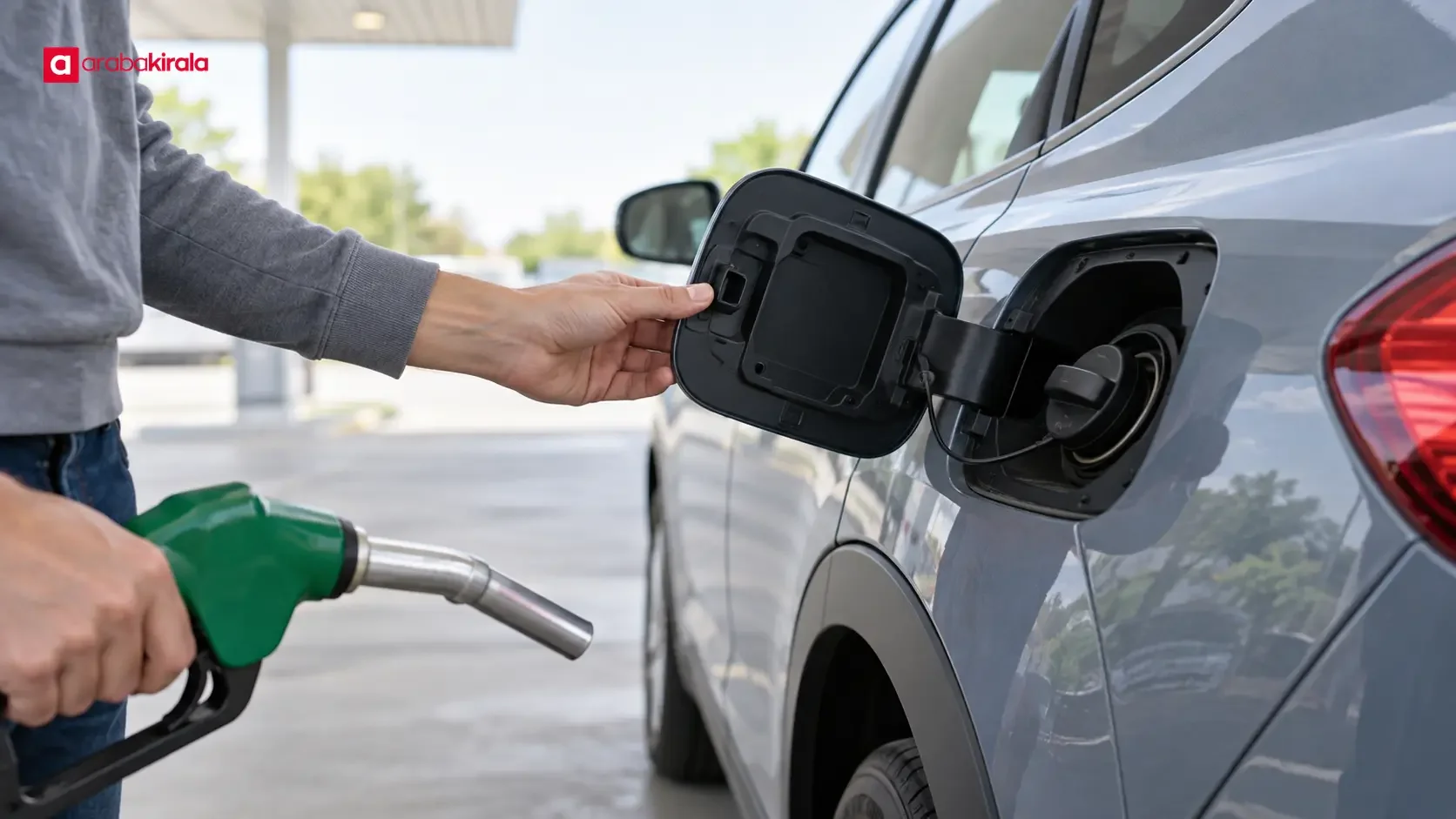
A petrol car uses an internal-combustion engine designed to run on petrol. The required fuel may be identified on a label inside the fuel flap, around the filler area, or in the owner’s manual. The label’s wording and location can vary by vehicle, so do not rely on one universal position. Read the marking on the car you have collected and check its vehicle information if you need to confirm the exact fuel specification.
Diesel cars
A diesel engine is designed for diesel fuel and has a different operating system from a petrol engine. Some forecourts use diesel pump nozzles that are physically different from petrol nozzles, but nozzle shape is not a dependable way to identify what the car needs. Check the vehicle’s fuel label and read the product name on the pump. When different fuels are offered side by side, pause to verify the label before inserting the nozzle.
Hybrid and plug-in hybrid cars
A hybrid combines an internal-combustion engine with an electric motor. A conventional hybrid generally takes liquid fuel and manages electrical energy as part of the vehicle’s operation. A plug-in hybrid also has a battery that can be charged from an external power source. These terms describe different ways of using the electric system; the word “hybrid” by itself does not tell you whether a charging cable is needed. Check the fuel flap, any charging inlet and the vehicle’s own operating information.
A hybrid does not automatically mean that the car has no fuel tank. A plug-in hybrid may still use petrol or diesel, depending on the vehicle. Confirm the required fuel from the label or owner’s manual rather than assuming that a charging inlet replaces the fuel filler.
Fully electric cars
A fully electric car uses a rechargeable battery to drive its motor and does not take petrol or diesel. Instead of a fuel filler, it has a charging inlet. The inlet’s position, connector and charging process depend on the vehicle. Dashboard or infotainment screens typically show battery charge and energy use. Before travelling, learn how to identify the compatible connector and how the car begins and ends a charging session using the information supplied with that vehicle.
What to check at vehicle handover
Use more than one clue when the fuel type is not immediately clear. Open the fuel flap and read the label on its inner surface. Look for a clear fuel name or other vehicle-specific instruction. Then inspect the dashboard and any vehicle information screen for fuel or battery information. The owner’s manual or a vehicle information card may also identify the engine and the fuel it requires.
- Fuel flap: Read the label inside the flap and note any fuel specification.
- Dashboard: Identify the fuel gauge, battery display and any relevant warning symbols.
- Vehicle information: Check the owner’s manual or information card provided with the car.
- Branch confirmation: If a label is missing, unreadable or inconsistent with the other information, ask the collecting branch before refuelling.
An arrow beside a fuel gauge commonly indicates which side of the car has the filler flap. It does not identify petrol or diesel. Likewise, a model name or body style is not enough to establish the fuel type because a model range can include different engines. The markings on the specific vehicle are the useful reference.
A safe sequence before refuelling
At the station, verify the fuel type again before picking up a nozzle. Read the words on the pump and nozzle label; do not decide based only on nozzle colour, which can vary between stations and equipment. If you are uncertain, pause and ask station staff before putting the nozzle into the filler. Follow the station’s safety instructions and the vehicle guidance during refuelling, and do not begin refuelling while the vehicle is running.
Keep the nozzle positioned correctly and stay attentive during the fill. If the pump stops automatically, do not force additional fuel into the tank. If fuel spills, notify station staff and follow their directions before moving the car. After filling, check that the cap is closed securely. This routine helps avoid rushed selection and leaves the vehicle ready for the next leg of the trip.
What to do if the wrong fuel goes in
If you notice that the wrong fuel has been added, do not start the engine or move the car. If the engine is already running, stop in a safe place, turn it off and do not restart it. The potential effects depend on the vehicle and on whether it has been started, so trying to diagnose the problem by driving is not a safe way to find out. Adding more of the correct fuel is also not a substitute for professional guidance.
Ask station staff for help managing the situation safely and contact the branch that supplied the vehicle. Follow the branch’s instructions about the next step, which may include arranging a technical inspection or vehicle transport. If you are uncertain about the correct fuel before filling, resolve the uncertainty first rather than relying on a guess.
Reading the fuel gauge and planning range
The fuel gauge gives an indication of the fuel remaining in the tank. The estimated range is a calculation that can change with recent consumption and driving conditions; it is not a guaranteed distance. Traffic, speed, hills, vehicle load, air conditioning and driving style can all affect consumption. For a longer journey, plan suitable fuel stops in advance instead of relying only on the displayed range.
At collection, note the displayed fuel level and odometer reading. Keeping a record can help you compare the vehicle’s condition at collection and return. Ask the collecting branch how fuel level is recorded for your reservation and what return procedure applies. Do not assume a particular tank level, charge level or fee without checking the details for your rental.
Planning energy use in hybrid and electric cars
A hybrid may show separate fuel and battery information. The battery display and fuel gauge serve different purposes; the correct fuel, where the car has a fuel tank, is identified by the label and vehicle documentation. In a plug-in hybrid, external charging can be part of a trip plan, but it does not by itself confirm that the vehicle has no need for liquid fuel. Use the vehicle’s instructions to learn which energy sources it uses and how its displays work.
For a fully electric car, plan around the indicated battery charge and charging points along the route. Charging stations can differ in connector, access method and operating process. Learn the car’s compatible connector and the basic start and stop steps at handover. Check current information about charging locations before departure, and consider alternatives along the route rather than depending on a single point.
Frequently asked questions
Can I identify the fuel type from the registration document?
Vehicle documents may include engine or fuel information, but their layout and level of detail vary. The fuel label and owner’s manual are practical places to verify what the specific vehicle takes. If the information conflicts, do not guess; ask the branch before filling.
Does the arrow by the fuel gauge show which fuel to use?
It commonly points to the side of the car where the filler flap is located. It does not indicate petrol or diesel. Use the label in the fuel flap or the vehicle information to identify the fuel.
Does every hybrid need to be plugged in?
No. Some hybrids do not have an external charging inlet, while plug-in hybrids can be charged from an external source. The term alone is not enough to determine the vehicle’s charging needs. Check the vehicle’s equipment and handover information.
Does an empty-looking gauge mean the tank is completely empty?
The gauge is an indicator, not a precise measurement of every drop remaining. Do not wait for the tank to run out; plan refuelling around the route and respond to the vehicle’s warnings according to its manual.
Can I drive after noticing that I used the wrong fuel?
Do not start or continue driving. If the engine is running, stop safely, switch it off and do not restart it. Tell station staff and contact the rental branch for instructions on what to do next.
A quick pre-drive check
Confirming the rental car’s fuel type before departure helps prevent a wrong-fuel incident and makes route planning easier. Read the fuel flap label, locate the relevant dashboard displays, understand whether a hybrid has external charging, and check the pump label before each fill. For an electric vehicle, learn its charging connection and plan compatible charging stops. If the vehicle’s information is unclear, contact the collecting branch before taking action. A few minutes spent identifying the car’s actual energy system can make the trip more predictable and help you use the vehicle as intended.
Legal Disclaimer: All content, articles and information on the Araba Kirala website are provided solely to inform users. No information shared on this website constitutes definitive advice or guidance. Araba Kirala Teknoloji A.Ş. and its authors cannot be held responsible for any direct or indirect damages arising from the application of information on the website. For all questions and requests regarding car rental, please contact the office from which you will rent your vehicle.