
Ihlara Valley in Spring: Weather, Walking and a Day Plan
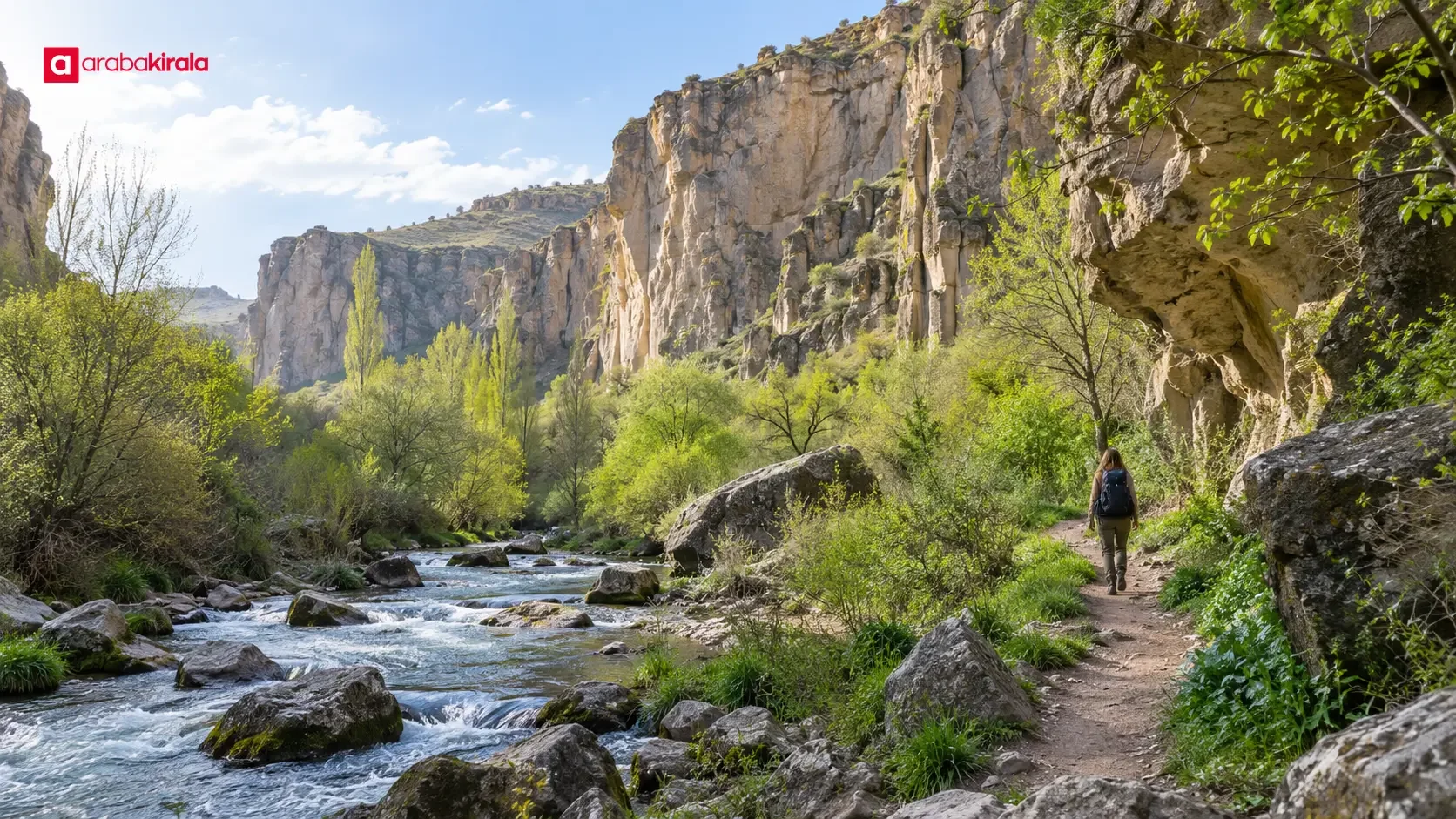
A useful Ihlara Valley trip plan for spring accounts for more than the drive and the time spent on the trail. Temperatures can shift over the course of the day, shaded sections may feel cooler, and descents, climbs and stops can make a walk take longer than its map distance suggests. Check the forecast, choose a realistic section to explore and build your return journey into the schedule.
Preparing for spring weather
Spring weather can alternate between chilly mornings and milder stretches. Direct sun, shade and the time of day all affect how warm a walk feels. Look at the hourly forecast for the whole visit instead of relying on a single daily temperature. This helps you decide when to start and what layers to carry.
The valley’s slopes create shaded areas, while places near the stream can feel different from exposed viewpoints. Rain may also affect visibility and footing. If showers are forecast, pack a light waterproof outer layer and shoes with a grippy sole. If conditions are severe or an official warning applies, reconsider the walk. These are general preparation tips; access and trail conditions on a particular day can change.
Clothing and a day bag
Layering makes it easier to adapt: wear a comfortable base layer, add a removable warm layer and bring an outer layer that blocks wind or light rain. For a longer walk, choose shoes that fit securely and provide traction on uneven or damp ground. Untried shoes can cause rubbing and discomfort, so avoid making a long outing their first test.
Carry drinking water, sun protection appropriate to the season, any personal essentials and a small first-aid kit. A hat and sunscreen can be useful even under cloud, since open areas still receive daylight. Do not assume that every facility, water point or shop will be open or accessible. Bring what you need before starting the route.
Choosing a walking route and estimating time
A visit to Ihlara can combine viewpoints with a walk along the valley floor. The time required depends on where you enter and leave, the group’s pace, breaks and trail conditions. A map distance alone does not capture steps, stairs, climbs, photo stops or rest periods. Include these in your estimate rather than calculating the day at a steady walking speed.
Mark your planned points on a map and check how the start and finish connect. A route that returns to the same point has different transport needs from one that ends elsewhere. If you drive, allow time to return to where you parked. If you use public transport or another ride, check the return service, waiting time and connection from the walking exit. A tight final connection can turn a relaxed walk into a rushed one.
Set the pace for your group
When travelling with children, older adults or people who do not walk regularly, plan around the slowest comfortable pace in the group. Short, regular pauses may be easier than pushing on until everyone is tired. Remember that climbing back out takes effort; an easy descent does not mean the return will feel equally easy. Shorten the route if anyone feels pain, marked fatigue or unsure footing.
Stay on the marked path, slow down on wet or loose ground and take care near edges. Avoid scrambling on rock faces or using unmarked shortcuts. If weather deteriorates, reduce time in exposed places and follow official directions for the area. For an emergency, use local emergency services.
A practical outline for a day visit
Use the first part of the day for travel and reaching the valley. Before setting out, check the forecast again, review your water and clothing, and confirm through reliable local notices that your intended entry and route are accessible that day. Allow some time at the first viewpoints, but keep an eye on the overall walking time so that one long stop does not squeeze the rest of the visit.
Plan a calm break around midday and bring food or other essentials if you need them; do not count on a particular refreshment point being open. Carry your rubbish out. In the afternoon, finish the remaining walk with enough daylight and time for the return connection. The walk does not end when you reach the exit: getting back to a vehicle or meeting a ride also takes time.
If you are adding other stops
If you want to combine the valley with nearby places, verify the opening hours and travel time for each separately. Map proximity does not guarantee a quick journey. Fitting too many stops into one day can leave little time for walking. If the valley walk and views are your priority, keep the extra stops limited. If visiting several places matters more, choose a shorter and realistic valley route.
Getting there and preparing for a drive
If you travel by car, check the route and parking arrangements before departure; parking location and availability can change. Follow road signs as well as navigation, and park only where permitted. If the drive is long, include breaks in your schedule before starting the walk.
For a rental car, ask the branch you will rent from about pick-up and return times, mileage terms for your planned journey, whether another driver can be added and any applicable charge. These details can depend on the booking and branch, so they should not be treated as universal rules. At pick-up, check that the fuel level, recorded existing damage, odometer reading and documents you receive are consistent. That makes it easier to compare the car’s condition at return.
Respecting the valley and its heritage
Ihlara Valley is valued for its natural and cultural features. Keep to marked routes, avoid damaging plants, carry out your rubbish and do not write on rock surfaces. Follow entry and photography instructions at any religious or historic buildings you visit. At busy viewpoints, leave room for others to pass.
Be considerate of other visitors’ privacy when taking photos, and do not enter closed or protected areas without permission. Feeding wildlife can disturb the natural balance; observe animals from a distance. Keeping noise low helps preserve a quieter experience for visitors and the environment.
Frequently asked questions
What time of day is best for a spring visit?
The best time depends on that day’s weather, your route and your transport. An early start may mean cooler conditions, while a later start can leave less time for the return journey. Consider the hourly forecast, daylight and return connections together.
Do I need special equipment for the walk?
For a typical day walk, secure shoes with good grip, clothing you can layer, water and personal essentials are a sensible starting point. Whether anything more is needed depends on the route and conditions. Do not assume that specialist or heavy equipment is required.
Can I visit when it rains?
The amount of rain, wind and condition of the ground all matter. Wet or loose surfaces may be slippery, so put safety first. Check official warnings and current access information. If conditions are unsuitable, postpone the walk or choose a shorter, safer plan.
How long does it take to explore the valley?
There is no single duration that fits every visit. Entry and exit points, pace, stairs and breaks all affect the time. Select a route in advance and allow a buffer for transport connections and the return to your starting point.
What is easy to overlook when planning a spring visit?
People often count only the time on the trail. Reaching the entrance, connecting from the exit to a car or public transport, taking breaks and adapting to changing weather also take time. Putting these parts into one schedule can make the day calmer and safer.
Legal Disclaimer: All content, articles and information on the Araba Kirala website are provided solely to inform users. No information shared on this website constitutes definitive advice or guidance. Araba Kirala Teknoloji A.Ş. and its authors cannot be held responsible for any direct or indirect damages arising from the application of information on the website. For all questions and requests regarding car rental, please contact the office from which you will rent your vehicle.