What Is an Insurance Vehicle Inspection? Key Steps in Damage Assessment
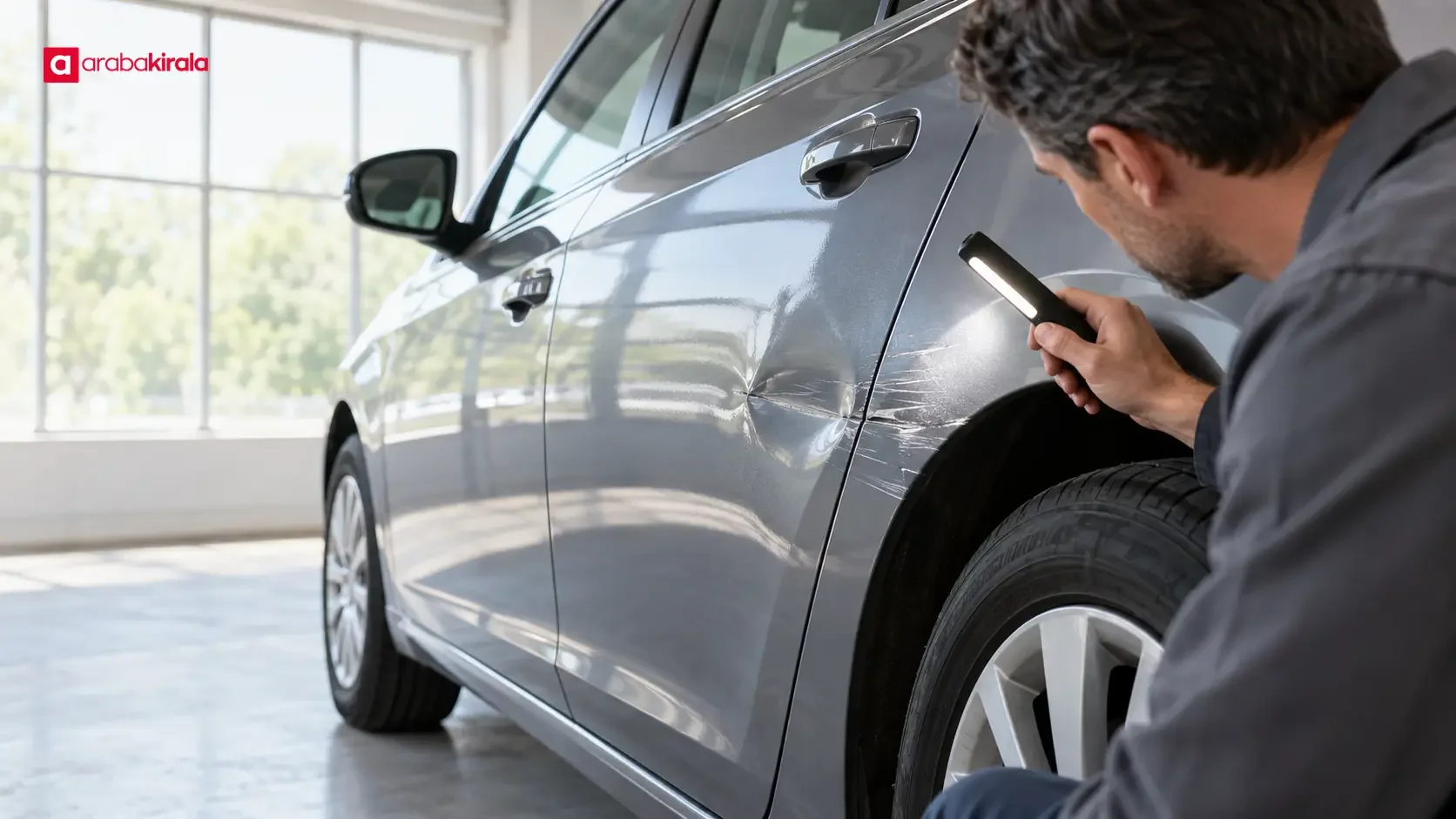
An insurance vehicle inspection is a technical assessment of damage to a vehicle and the work that may be needed to repair it. The assessor records observable damage, considers the affected areas and reviews relevant information in the claim file. The resulting report helps document technical findings; it does not, by itself, guarantee a particular repair or payment decision. The process can vary with the type of incident, the available evidence, and the terms that apply to the policy.
What does an assessor do?
An assessor examines damage for the purpose of describing what is present and evaluating possible repair needs. The review may draw on photographs, inspection of the vehicle, information about the incident, and documents in the file. When a closer physical check is needed, the vehicle or relevant parts may be examined in person.
The assessor’s technical report and the insurer’s decision on a claim are related but distinct steps. The report records findings and an assessment. The insurer reviews the claim under the relevant policy terms and the information available in the file. A report should therefore not be treated as an automatic approval of every listed item or as a final payment calculation on its own.
Main stages of damage assessment
1. Recording the incident and opening the file
After a damage report is made, the file gathers information about the incident and vehicle. The date and location, how the event occurred, which areas appear affected, and what records are available can provide a starting point for assessment. Clear, factual descriptions make the record easier to understand. If a detail is unknown, mark it as unknown rather than filling the gap with a guess.
Documents that may be requested depend on the circumstances and the process being followed. Ask the insurer or the team handling the file which information is needed for your case. Do not assume that one checklist applies to every incident; confirm current requirements through the appropriate claim channel.
2. Examining the vehicle and visible damage
The assessor records where the damage is, how it appears, and which vehicle areas or parts may be affected. An assessment can consider more than the most obvious scratch or dent when related components matter to the repair. Photographs and other records may support an initial review, while the circumstances of a file can make a physical inspection necessary.
If a sign of damage becomes apparent after the first record is made, note when it was noticed and what changed. Do not continue driving if the vehicle may be unsafe. When possible, document the vehicle’s condition before work is done; this helps distinguish the initial damage from later changes or repair activity.
3. Considering repair needs
The assessment may consider whether a damaged part appears repairable or whether replacement should be considered, along with related labor and parts. This is a technical judgment based on the findings available during the inspection. It does not necessarily mean that every item must be replaced or that one repair method is certain to be used.
Before arranging work, find out what step the claim file requires and how repairs should be coordinated. Starting work too early can make it harder to record the original condition or complete an inspection. If there is an urgent safety concern, do not drive the vehicle; ask the claim team or an appropriate roadside assistance provider how to proceed safely.
4. Reporting findings and reviewing the file
Inspection findings are recorded in a report and added to the claim file. The report may describe the damage, the parts considered, and technical information about a repair approach. It is considered alongside other material in the file. The way updates are provided, how additional records are submitted, and what happens next depend on the process handling the claim.
If a report or file note is unclear, ask what the relevant entry means and identify any information you believe is missing. The absence of a particular item from one section does not, by itself, establish the reason or the final outcome. Ask whether more documentation or a further inspection is appropriate, and confirm that anything you submit has been linked to the correct file.
How to prepare for an inspection
- Write down the incident facts: Record the date, time, location, known sequence of events, and the damage you observed in concise language.
- Take useful photographs: Capture the vehicle as a whole and the affected area from more than one distance, with enough light to show details. Note when the photographs were taken and what each one shows.
- Keep relevant records together: Organize photographs, correspondence, and documents already sent to the claim team. Share documents containing personal information only through the appropriate claim channel.
- Explain changes to the vehicle: If the vehicle was moved, made safe, or altered before inspection, describe what was done and when.
- Keep the file reference: If you receive a claim or file number, save it so later communications can be matched to the right record.
Photographs can help document the condition, but they do not replace an inspection whenever one is needed. If a part must be removed, a repair must begin, or the vehicle’s condition must otherwise change, first ask the claim team how to handle the inspection and record keeping. Do not drive if there are signs of a problem with the brakes, steering, fuel system, electrical system, or airbags.
Common questions about vehicle damage inspections
Is the assessor’s report the payment decision?
No. The report documents technical findings. The claim is separately reviewed under the applicable policy terms and the information in the file. Ask the team handling the claim to explain how a report item is being considered if the connection is not clear.
Does every damaged vehicle need an in-person inspection?
The method depends on the file and the evidence available. Some initial reviews may use records, while other cases require the vehicle or a relevant part to be seen. The claim team can tell you which method applies to your file.
Do I need to be present?
Attendance and access arrangements can vary. Check when and where the vehicle needs to be available and whether anyone must be present. Confirm these details with the team coordinating the inspection.
What if the report seems incomplete or hard to understand?
Ask for an explanation of the entry first. If you believe an area was not considered, send the supporting photographs or records and identify the location clearly. Report a newly discovered sign of damage promptly and ask whether another review is needed.
Keeping the assessment clear and useful
Consistent records make a damage file easier to follow. When the incident description, photographs, and visible condition align, the assessor has a clearer basis for understanding the reported damage. Do not present uncertain details as facts; distinguish what you observed at the time from what you noticed later.
An insurance inspection is a technical step for recording damage and considering repair needs. The claim outcome is reviewed separately under the relevant policy terms and file information. Document the vehicle, provide requested records in an organized way, ask for plain explanations of report entries, and obtain current guidance from the team handling the file before the next step.
Legal Disclaimer: All content, articles and information on the Araba Kirala website are provided solely to inform users. No information shared on this website constitutes definitive advice or guidance. Araba Kirala Teknoloji A.Ş. and its authors cannot be held responsible for any direct or indirect damages arising from the application of information on the website. For all questions and requests regarding car rental, please contact the office from which you will rent your vehicle.