Crossing the Bosphorus by Car in Istanbul: Routes, Bridges and Tunnels
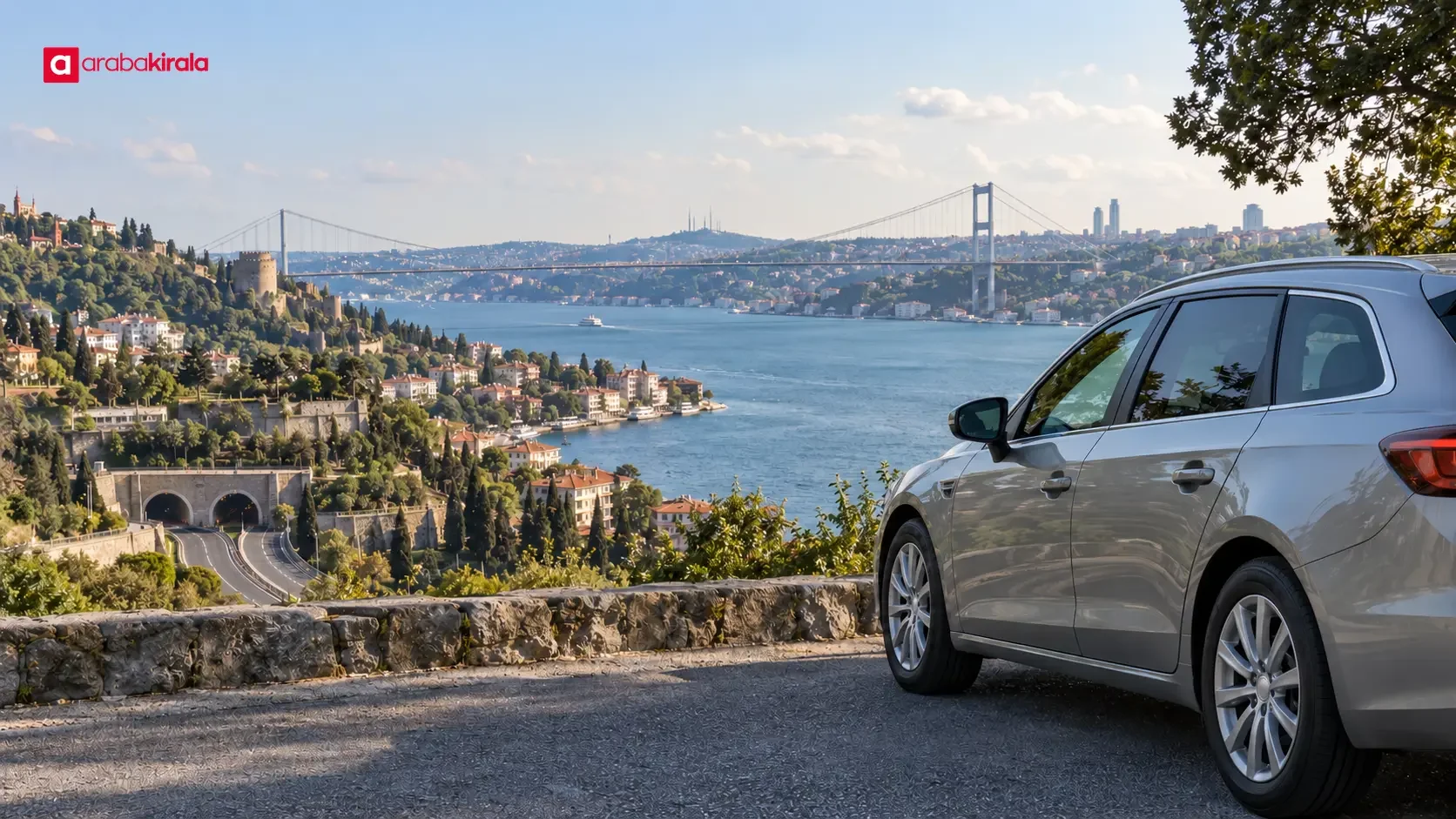
Planning an Istanbul Bosphorus crossing by car means choosing more than a bridge or tunnel. The best route depends on where the trip begins and ends, traffic at departure time, the vehicle type and any road arrangements in force that day. Istanbul has road crossings between the European and Asian sides via bridges and the Eurasia Tunnel. Their usefulness varies with the connecting roads and your actual destination.
This guide explains how to compare routes, what to check close to travel time, and which rental-car details to clarify before setting off. Tolls, vehicle classes, restrictions and works can change, so confirm current information through the relevant official channels near your travel date.
Road options for crossing the Bosphorus
Istanbul’s road connections across the Bosphorus include the 15 July Martyrs Bridge, also known as the Bosphorus Bridge, the Fatih Sultan Mehmet Bridge and Yavuz Sultan Selim Bridge. The Eurasia Tunnel provides an additional road connection beneath the strait. These options serve different parts of the city, and a crossing that looks close on a map may still require a long approach or take you away from the destination.
Choosing a bridge route
The 15 July Martyrs Bridge and Fatih Sultan Mehmet Bridge connect the two shores through different urban road networks. To compare them, enter precise starting and ending points rather than only district names. The direction of travel and access roads can affect the total journey just as much as the crossing itself. Check current traffic conditions before departure because a route that is usually convenient may be slow at a particular time.
Yavuz Sultan Selim Bridge is another road crossing. Its approach roads and overall distance should be considered, especially when the trip is between central areas. A map’s estimate for time does not by itself show the full distance, toll implications or suitability for every vehicle. Larger vehicles and certain vehicle categories may be subject to restrictions, so confirm current official information before choosing the route.
Considering the Eurasia Tunnel
The Eurasia Tunnel links the Asian and European sides by road beneath the Bosphorus. It may suit a trip when its connecting roads line up with the start and destination. Check the tunnel operator’s official information for current vehicle categories, use conditions, tolls and traffic arrangements. The presence of the tunnel in a navigation app does not establish that every vehicle can use it.
Compare the whole journey, not just the crossing
Navigation apps help compare alternatives and estimate arrival times, but their predictions depend on traffic information that can change. Consider the urban drive to the crossing, connection roads after it, and access or parking near the destination. A shorter route on the map may take longer in heavy traffic, while a smoother route may add distance.
- Enter specific start and destination points; broad district searches can miss the final part of the trip.
- Take likely congestion into account when choosing a departure time, especially around common commuting periods.
- Review the suggested crossing and an alternative before driving, and check whether the route includes a toll road or tunnel.
- Verify that the planned route is permitted for the vehicle category, such as a motorcycle, minibus or commercial vehicle.
- Check current notices for road works, temporary closures, event traffic arrangements or unusual congestion.
A navigation app may reroute during the trip. The driver should not handle route settings while moving; make changes only after stopping safely or have a passenger check them. Use navigation alongside road signs and temporary directions from the relevant authorities.
How to check tolls and vehicle eligibility
A toll may vary by crossing point and vehicle class, and tariffs or payment processes may be updated. Use information published close to the travel date by the relevant crossing operator or an authorised official source. An old screenshot, an undated web post or another driver’s recollection may not reflect current terms. This guide does not state a particular toll amount.
Vehicle category matters particularly for commercial vehicles, minibuses, motorcycles and vehicles with different dimensions or axle configurations. Check the vehicle registration details and type. If there is any doubt about eligibility, contact the official operator. A route appearing in a navigation app does not guarantee that the app has accounted for every vehicle restriction.
If you are driving a rental car, ask the branch supplying the vehicle how tolls are handled and how the vehicle’s crossing system works. Any billing, registration or notification process is specific to the vehicle and reservation, so get the details from that office instead of assuming a general rental-car rule. Mentioning that your planned trip may use a particular bridge or tunnel can help you get relevant information before collection.
Before setting off in a rental car
At collection, review the fuel or charge level, existing damage records and any dashboard warnings. Check basic lighting and visibility features, especially for dense city traffic or night driving. If you notice a problem or prior damage, confirm with the staff member that the vehicle record accurately reflects it.
The odometer reading helps compare the vehicle’s recorded use at collection and return. Note the reading and vehicle condition at handover using the process provided. If a mileage limit or usage term applies, it should be set out in the documents for that vehicle and reservation; ask the branch to explain anything unclear before you drive. This lets you rely on the terms supplied for your booking rather than a general assumption.
If another person will drive, clarify with the supplying office how that driver must be recorded and what conditions apply. Decide on the navigation and crossing preference before the journey so the driver can keep attention on the road. Review the vehicle handbook and the contact steps for an emergency. If a warning light or fault appears, stop somewhere safe and follow the procedure provided by the branch.
Prepare for traffic and changing conditions
Traffic in Istanbul can vary substantially by time and along different parts of a route. Choose a primary route before leaving and understand the connections used by a reasonable alternative. When comparing alternatives, consider the crossing and access near your destination, not only the estimated travel time. Frequent route changes can distract the driver; do not adjust navigation without a safe opportunity to stop.
Rain, reduced visibility, an incident or planned road works can affect driving conditions. Leave a safe following distance, adjust speed to road and weather conditions, and obey traffic signs. Choosing a lane early near a bridge or tunnel approach and following direction signs can reduce the need for sudden manoeuvres. Missing an exit does not justify a dangerous turn or reversing; continue to the next safe and permitted connection.
If your schedule depends on arriving at a particular time, leave some flexibility for uncertainty in the traffic estimate. This is not a promise of a fixed travel duration; it is a practical way to account for changing congestion and incidents. Check your phone charge and navigation access before departure as well.
Frequently asked questions about driving across the Bosphorus
Which bridge or tunnel should I choose?
That depends on your location, destination, vehicle category and current traffic. Compare routes using exact start and end points, then verify tolls, eligibility and temporary restrictions with official sources. No single crossing is necessarily the shortest or most convenient for every trip.
Is the toll the same for every vehicle?
Tolls can vary by vehicle class and crossing. Confirm the current amount and payment information with an authorised source near your travel date. For a rental car, ask the branch supplying it how toll charges are handled.
Can I rely entirely on the route chosen by navigation?
Navigation is useful for comparing traffic and travel times, but it should not be treated as the definitive source for temporary road arrangements, vehicle restrictions or every toll term. Follow signs and verify important crossing details through official channels.
What should I clarify before using a tunnel or bridge in a rental car?
Ask the supplying branch whether the vehicle is suitable for the planned crossing, how tolls are handled and whether any vehicle or reservation procedure applies. Review the vehicle condition and odometer information at collection too.
A short checklist before you leave
- Compare bridge and tunnel routes on a current map using your actual start and destination.
- Check vehicle eligibility, toll information and announced restrictions through official channels.
- If renting, ask the supplying branch about toll handling and reservation-specific details.
- Review traffic and road-work notices; if you need to change route, stop safely before doing so.
- Follow road signs, drive attentively and leave time for changing conditions.
A well-planned Istanbul Bosphorus crossing combines a route that fits the actual journey with up-to-date checks and a prepared driver. Compare bridges, the tunnel and their approach roads against your start and destination, and clarify vehicle or reservation details with the branch supplying the car.
Legal Disclaimer: All content, articles and information on the Araba Kirala website are provided solely to inform users. No information shared on this website constitutes definitive advice or guidance. Araba Kirala Teknoloji A.Ş. and its authors cannot be held responsible for any direct or indirect damages arising from the application of information on the website. For all questions and requests regarding car rental, please contact the office from which you will rent your vehicle.