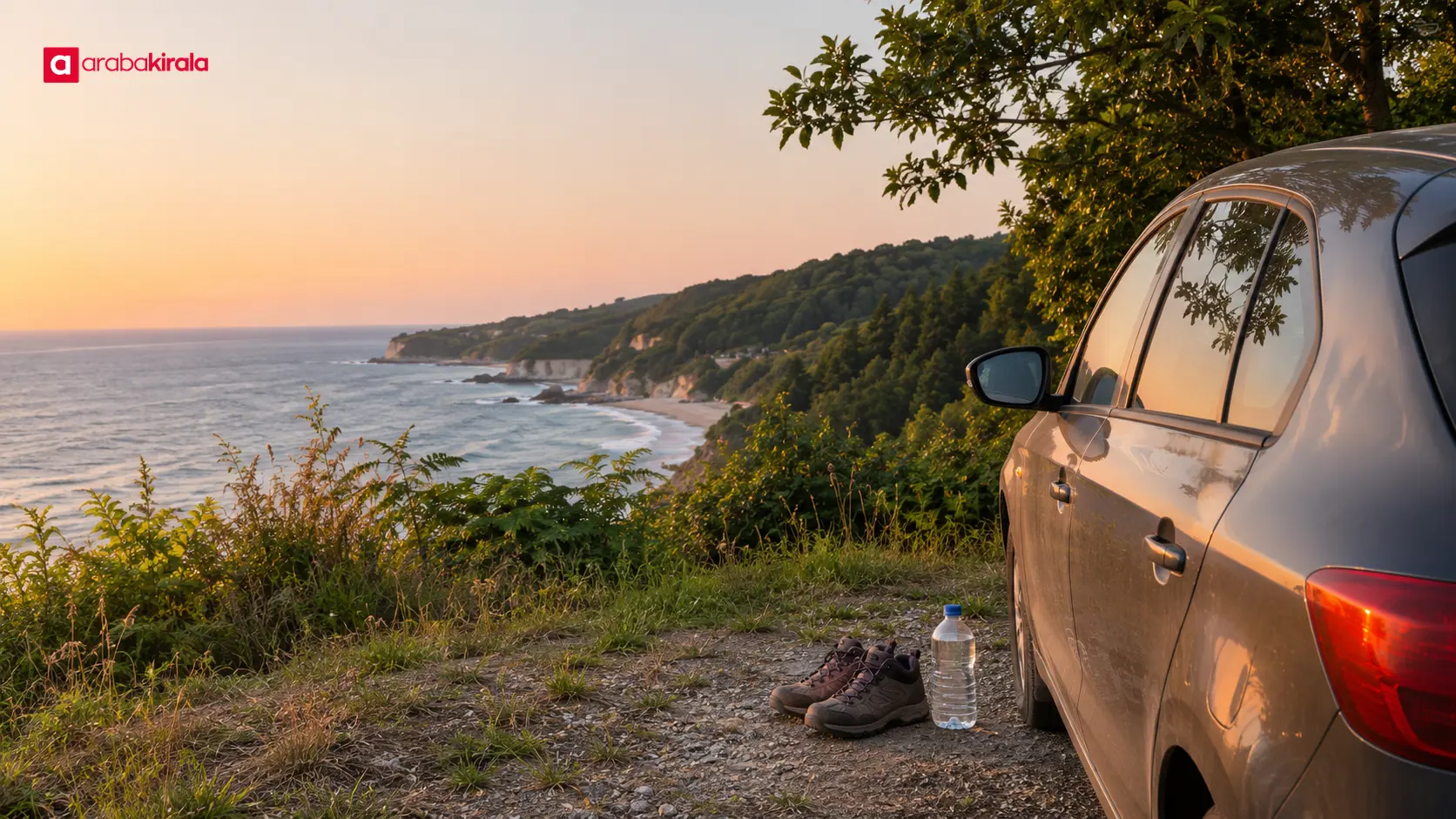
Kıyıköy Summer Trip: Coast and Forest Stops
Published: November 28, 2026 • Reading Time: 6 min • Last Updated: November 28, 2026 • Author: Merve B.
Contents
A Kıyıköy summer trip that includes both the coast and forest surroundings works best when you plan around priorities, driving time and breaks. This guide explains how to order stops, what to check before driving, and how to leave enough room for a relaxed day outdoors. The aim is not to race through every point, but to build a route that fits your pace and the conditions on the day.
Set a simple route framework
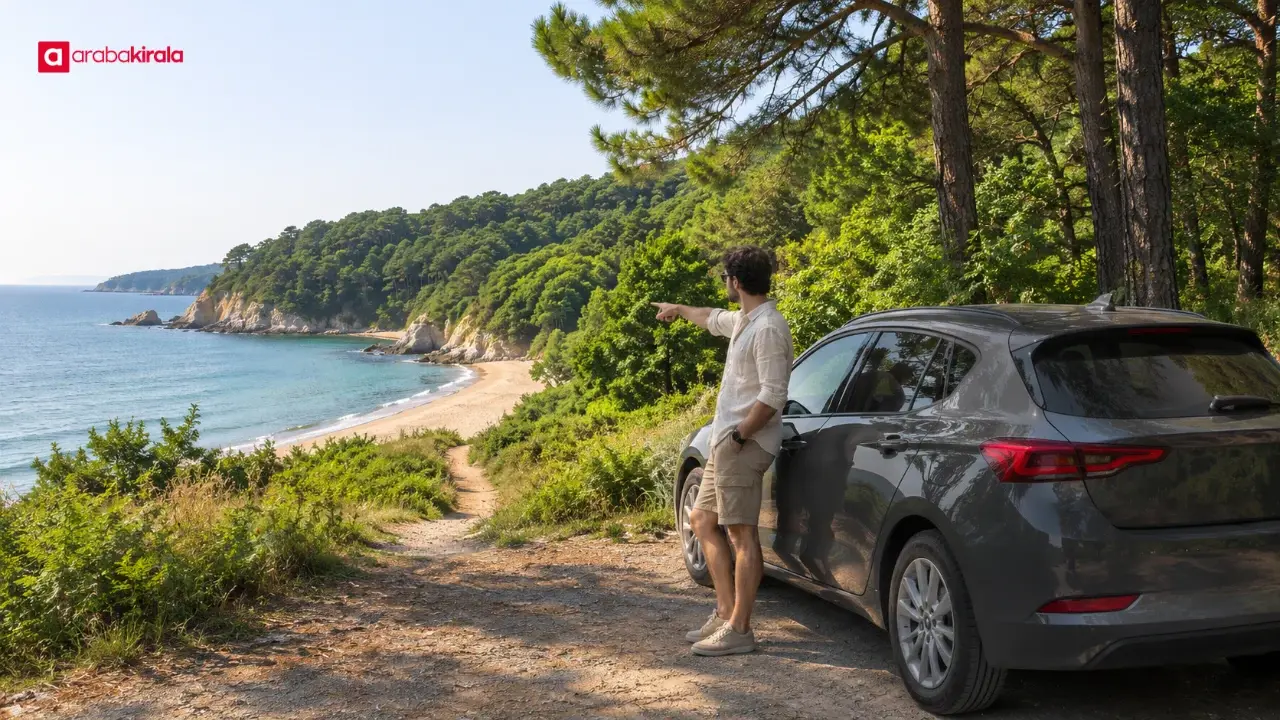
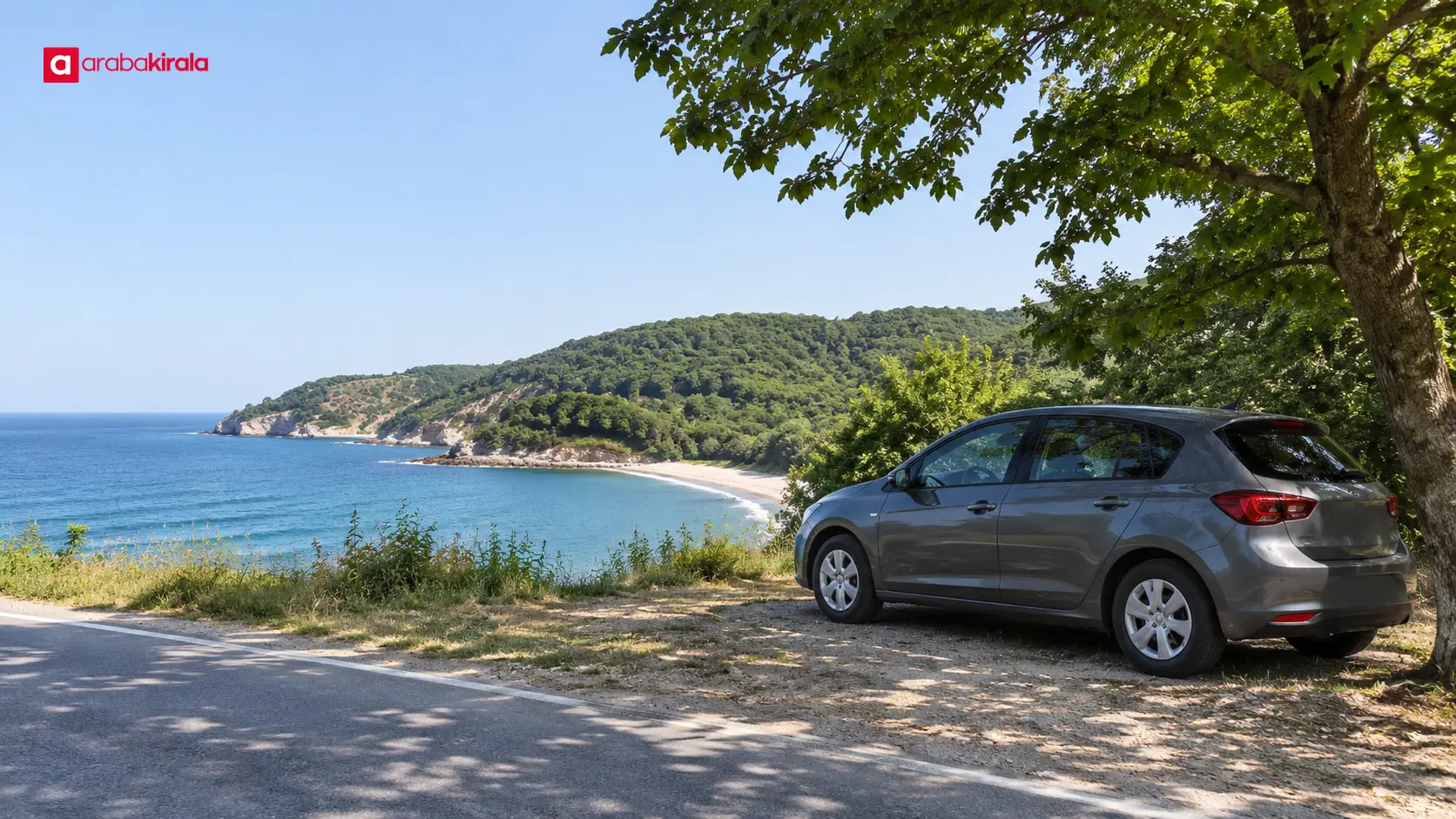
Kıyıköy’s coastal and natural surroundings offer different kinds of stops. The coast can be a place for a short walk, a view and a rest. Forest surroundings may involve different road and ground conditions, and you may need to park somewhere suitable and continue on foot. A point shown on a map is not necessarily accessible directly by car.
Choose the main focus of the day first: more time by the sea, or a balance of coastal and nature stops. This decision helps determine when to set out and which stop should come first. One main stop and one or two shorter breaks usually make a more manageable day than splitting the schedule across many locations.
Map distance is not the whole journey
Distance on a map does not account for all the time a journey takes. Road conditions, traffic, junctions, finding parking and walking after leaving the car all affect the schedule. Review the route before departure, then check again on the day for current disruptions such as roadworks or closures.
Include the walk after parking when estimating travel between stops. Reaching an area near a forest road does not necessarily mean you have reached the start of a walking route. Avoid narrow tracks or paths unsuitable for vehicles, and leave the car somewhere safe and permitted.
Build a sensible sequence of coast and forest stops
Give the first part of the day to the stop where you want to spend the most time. Long periods in open sun can be tiring in summer, so spread shaded rests through the day. Set your time by the coast around walking, looking at the scenery and resting, rather than only around plans to swim.
If you plan a short walk in forest surroundings, wear suitable shoes and carry drinking water. Assess distance and ground conditions using current signs and local guidance. Avoid starting an unfamiliar trail close to dusk, and leave enough daylight for the return walk.
A flexible outline for the day
- Before leaving: Check the route and current road conditions; bring water, sun protection and comfortable shoes.
- First stop: Choose the coastal or nature stop where you want to spend longer, allowing time for parking and walking.
- Midday break: Plan a shaded rest to step away from the heat and driving fatigue.
- Second stop: Add a shorter coastal or forest break depending on your remaining time and energy.
- Return: Aim to set off before dark, and stop somewhere safe if you feel tired while driving.
This sequence is a flexible outline, not a fixed itinerary. Weather, road conditions, crowds and your own pace can change the plan. Dropping one stop can be a better choice than squeezing the entire day. If you have a particular beach or walking start point in mind, check current access and parking information using up-to-date maps and local directions.
Prepare for summer driving
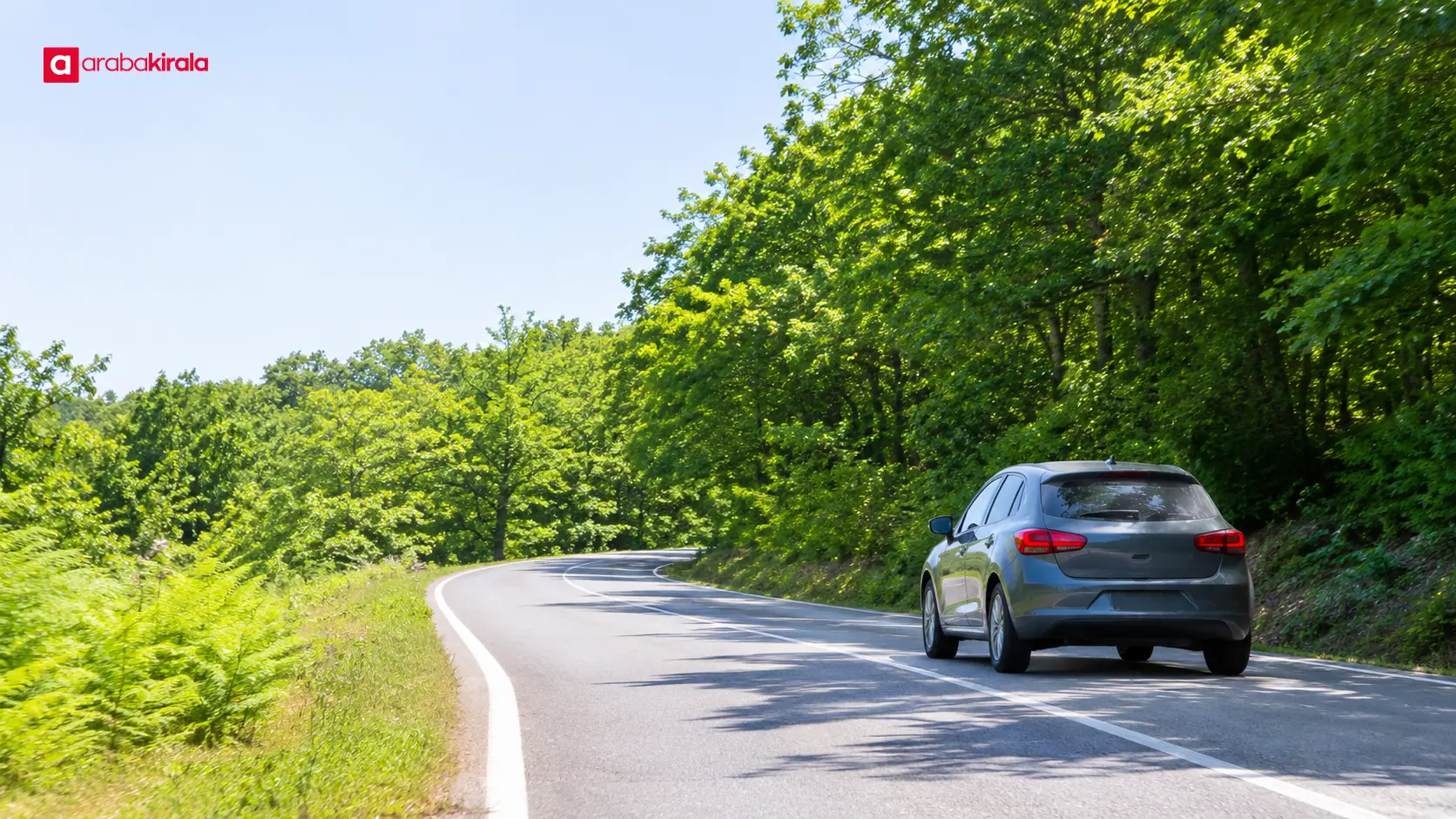
Before setting off, check that the tyres, lights and basic displays appear to be in normal condition. Do not ignore a warning light; if you are unsure what it means, get help before continuing. Air conditioning can make the cabin more comfortable, but it does not remove driver fatigue. Breaks matter on longer or demanding drives.
Bright sun can affect visibility. Keep the windscreen clean, use sunglasses only if they do not interfere with your vision, and adjust speed to the visibility and road conditions. Set your navigation before moving or pull over somewhere safe; do not handle route settings while driving.
When parking near forest or coastal areas, avoid blocking access, emergency routes or local use. It is good practice not to leave a vehicle on dry grass or damage the surrounding area. Take your rubbish with you, and follow current local notices about activities such as lighting fires or barbecuing.
Rental checks before the trip
Rental terms and handover procedures can vary by branch and reservation. Contact the branch you will collect from to clarify details that could affect your plan. Explain that your route includes rural or forest surroundings, and ask about any relevant vehicle-use restrictions and what to do if you need assistance.
At pickup, inspect the bodywork, windows, tyres and fuel or charge indicator. Make sure existing damage is recorded and document it with photos. Understanding how the odometer reading is used in pickup and return records can help you track distance during the rental; ask the branch about any mileage arrangement and related charges.
Return time, fuel or charge level, additional drivers and roadside assistance can depend on the reservation, so do not treat them as universal industry rules. Read the agreement for fees, responsibilities, damage reporting and pickup or return steps. Ask the staff member handling the handover to clarify anything you do not understand.
A short checklist for a relaxed day
- Check the current route and road conditions; do not include places that are inaccessible by car.
- Keep the number of stops manageable and allow time to park and walk at each one.
- Bring drinking water, sun protection, comfortable shoes and personal essentials.
- Park without blocking access and take rubbish away with you.
- Record the vehicle’s condition at pickup and clarify branch-specific rental details.
- Assess whether you need a rest before returning, and account for daylight.
In short, plan a Kıyıköy summer trip by considering time, access and energy as well as the distance between coastal and forest stops. Recheck the route before departure, discuss vehicle and agreement details with your pickup branch, and simplify the plan if conditions call for it. That leaves space to enjoy a coastal break and a walk without rushing.
Frequently Asked Questions
Can I visit both the coast and forest areas in Kıyıköy in one day?
It can be manageable if you limit the number of stops and the time spent at each one. Include parking and walking time in addition to map distances. Prioritize the places that matter most instead of trying to fit in every point.
Can I drive right up to forest walking spots?
Not every trailhead or coastal point is accessible by car. Check access information on the day, avoid narrow, closed or vehicle-unsuitable roads, and follow local directions when parking.
What should I bring in the car for a summer outing?
Drinking water, sun protection, comfortable walking shoes and a way to charge your phone can be useful. Confirm any required vehicle equipment or specific needs with your pickup branch; do not treat a general packing list as a company requirement.
What should I ask before taking a rental car onto a forest road?
Ask the branch whether your planned road is suitable for the vehicle, whether any rental-use restrictions apply, and what steps to follow if the car needs assistance. Do not assume that a particular vehicle or agreement permits every road.
Is it okay to change my plans during the day?
Skipping a stop can be sensible if weather, traffic, crowds or fatigue change the day. Pull over somewhere safe to review the route, avoid adjusting your phone while driving, and leave enough time for the return journey.