A Summer Road Trip Around the Küre Mountains: Weather, Hiking and Daylight
Published: October 7, 2026 • Reading Time: 7 min • Last Updated: October 7, 2026
Plan a summer drive around the Küre Mountains with practical guidance on changing weather, hiking time, daylight, safe driving and rental car details to check.
Contents
- How to think about summer weather in the Küre Mountains
- Climate averages and a daily forecast are different
- Plan daylight and driving together
- Match the walk to the route and your fitness
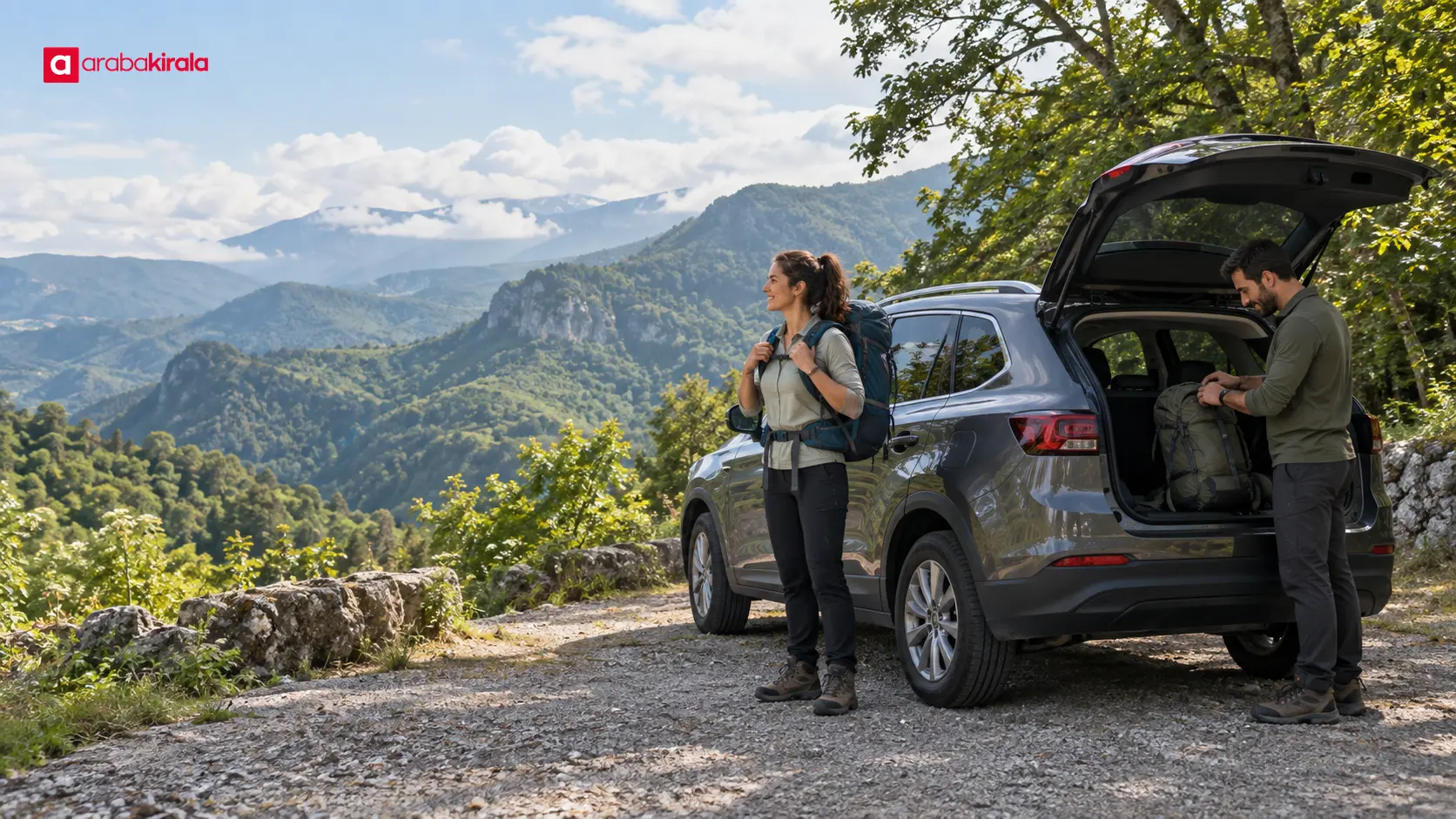
- What to bring
- Prepare the car route and rental details
- Safe driving and rest stops
- Frequently asked questions
- What is the best time to visit the Küre Mountains in summer?
- Should I cancel if rain is forecast?
- Can I visit several places in one day?
- What should I do before the trip?
A summer trip around the Küre Mountains calls for more than a list of viewpoints. Weather, trail time and the daylight left for the return drive all shape a realistic day. This guide explains how to organize a route by car from the Bartın or Kastamonu side, place a walk at a sensible time and simplify the plan when conditions change. Distances and road conditions vary between nature sites, so a flexible itinerary with one main objective is often more useful than trying to fit many stops into a single day.
How to think about summer weather in the Küre Mountains
Long summer days provide more daylight, but they do not guarantee clear, dry weather. The Turkish State Meteorological Service publishes separate summer temperature and rainfall figures for Bartın and Kastamonu. These long-term records help set a broad seasonal expectation; they are not a forecast for a particular day. Conditions at a forested site or at a different elevation can also differ from those in a provincial center. Check the current forecast again on the morning of the trip and before setting off.
Read more than a single “sunny” or “rainy” label. Consider temperature, precipitation, wind and how conditions may change by hour. Rain can make a trail slippery and reduce visibility; waiting at an exposed viewpoint may also become uncomfortable. If thunder or lightning is forecast, postponing a walk in an open or elevated area is the safer choice. The Turkish State Meteorological Service advises people who hear thunder to seek a substantial building or an enclosed car. If you need to wait in the car, stop in a safe place rather than on the road.
Climate averages and a daily forecast are different
Climate normals describe averages over a long period. A forecast gives an indication of expected near-term conditions. Normals can help with general seasonal packing, while the decision about when to hike or whether to set out should use the current forecast. Instead of relying on one fixed checklist for June, July and August, check conditions close to your travel date.
Plan daylight and driving together
On a nature trip by car, the driving time shown on a map is only one part of the day. Finding a place to park, walking from the car to a trailhead, taking breaks, stopping for photographs and checking the route on the way back also take time. Curving or narrow local roads may demand more attention than a fast, straight route. A manageable rhythm is to use the morning for the drive and an initial short stop, reserve a cooler part of the day for the walk, and leave the late afternoon for the return.
Do not leave a hike until dusk simply to reach a viewpoint at sunset. Trail duration, walking pace and the need for rests vary from person to person. Leave a buffer for the return instead of relying on a phone light or an optimistic time estimate. Sunrise and sunset vary by date and location, so check the times for your travel day. Location sharing and offline maps can help, but they do not replace route preparation. Save route details in advance, preserve your phone battery and agree on a meeting point with everyone in the group.
Match the walk to the route and your fitness
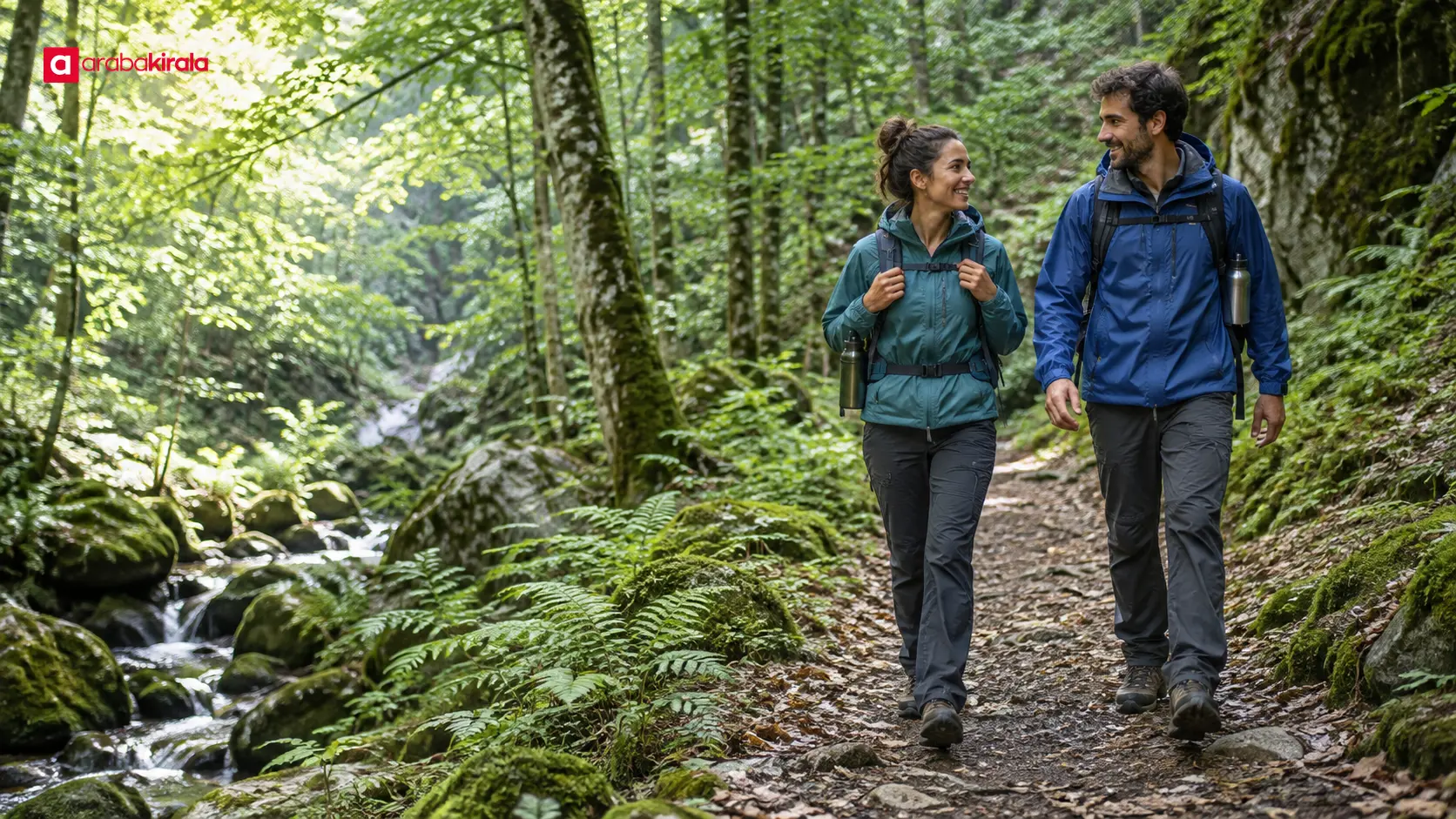
The Küre Mountains National Park includes different visitor settings, such as walking routes and viewpoints. Access, difficulty and current conditions are not identical at every site. For up-to-date information, consult official park notices or the relevant local authority rather than relying on an old trip report. Official park information also notes that some locations can involve challenging terrain and wildlife. Do not add a canyon or viewpoint to the itinerary just because it looks close on a map.
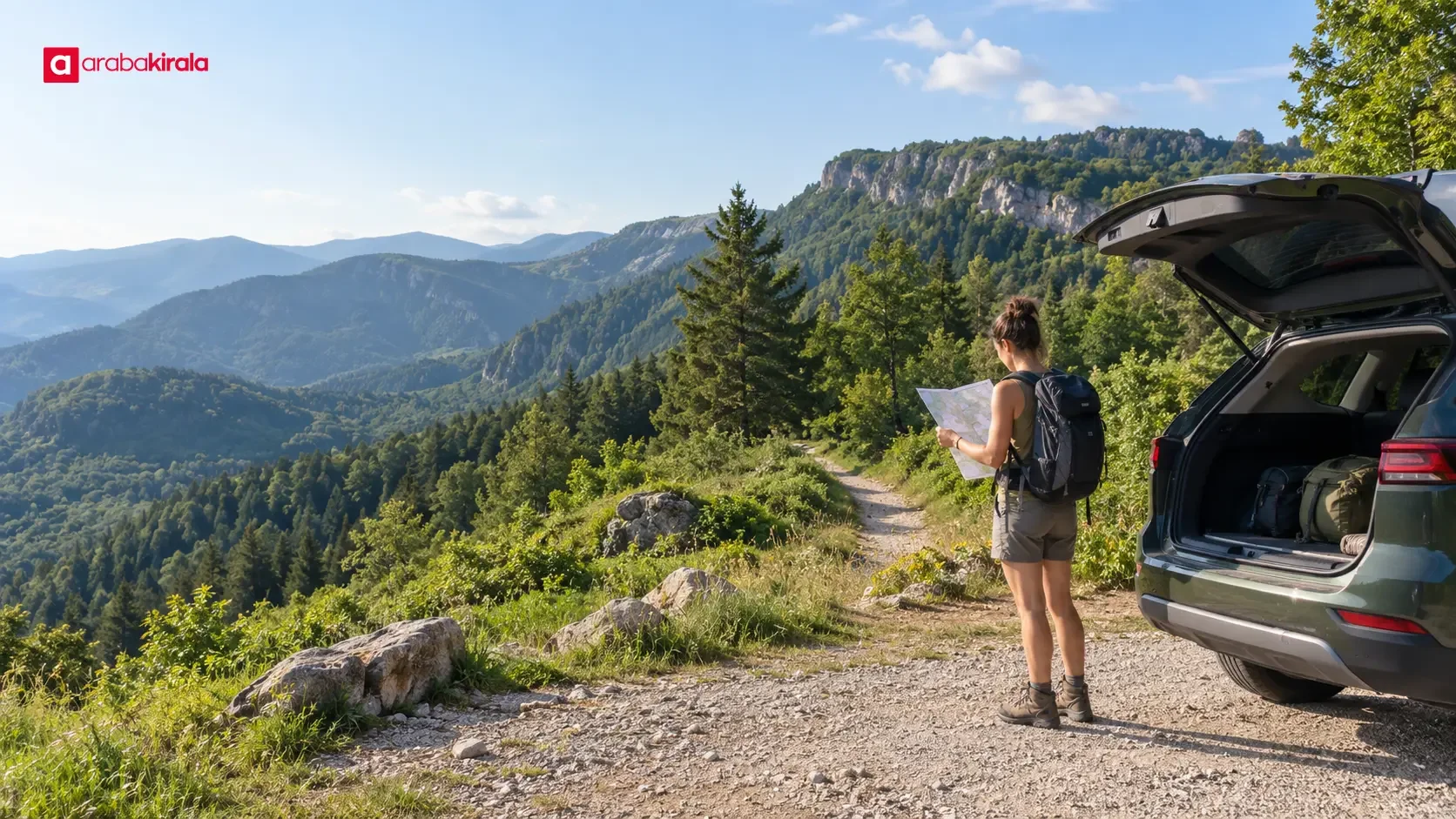
When choosing a walk, consider elevation gain and surface as well as distance. Also account for shade, access by car to the starting point and how you will return. For a day trip, one main walk and a nearby short stop may be more realistic than a string of destinations. Estimate time at the pace of the slowest member of the group. Make sure everyone knows the planned turn-around time. Shortening the route when weather deteriorates or fatigue builds is part of a safe plan.
What to bring
- Footwear: Choose walking shoes with grip suited to the surface; avoid making a long trail the first outing in a new pair.
- Water and food: Carry enough drinking water for the walk and your personal needs, plus a portable snack. Regular breaks in hot weather are useful; do not wait until you are very thirsty.
- Sun and rain protection: Pack a hat, sunscreen, a light rain layer and clothing that can be adjusted to conditions. Forest shade does not provide complete protection from sun or rain.
- Navigation and communication: Keep route information available offline, check your phone battery and carry a small first-aid kit for basic needs.
- Respect for nature: Take rubbish back with you, avoid disturbing plants and wildlife, stay out of restricted areas and follow current local rules about fires.
Prepare the car route and rental details
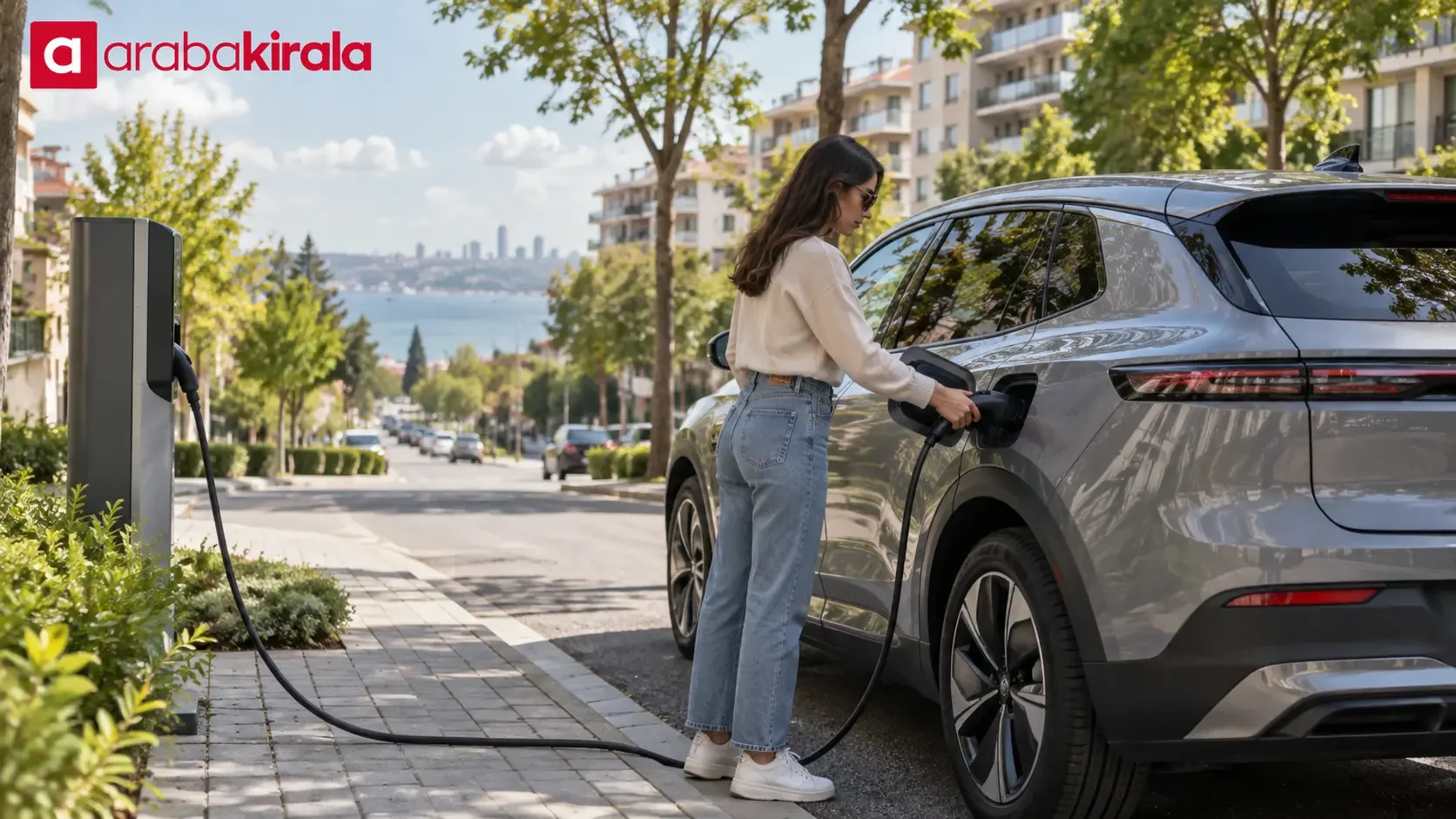
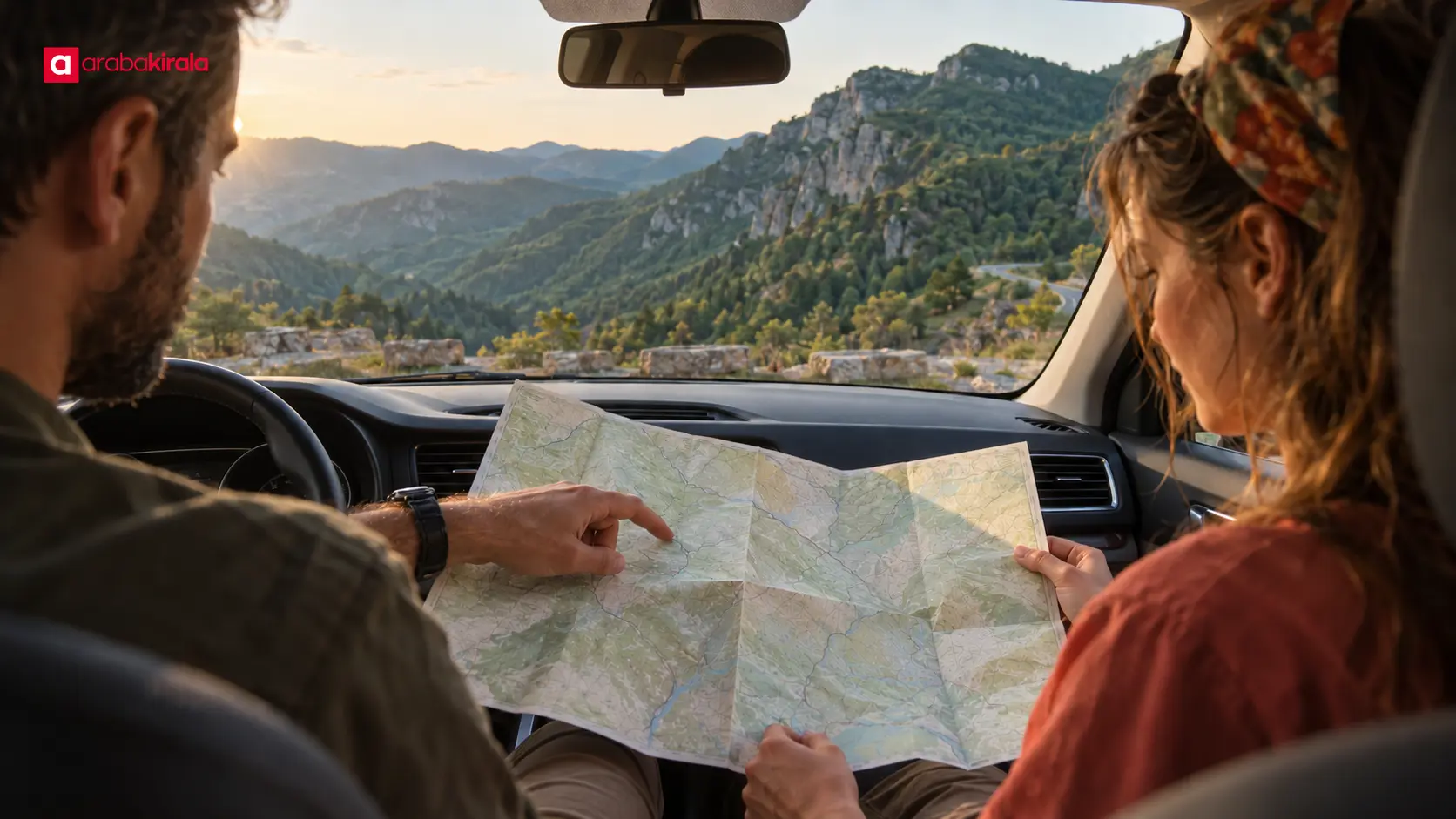
Before setting out, consider your start and end points, fuel or charging plan, rest stops and walking time as parts of one route. A shortcut suggested by a navigation app may not suit every vehicle or driving condition. If you are unsure about road closures, surfaces or local access, consult official local updates. Do not attempt an unsafe road simply to continue toward a place that cannot be reached by car. At a parking area, keep valuables out of sight and leave the vehicle where it does not obstruct traffic or local access.
If you are using a rental car, clarify the route you intend to drive, the mileage conditions, the fuel or charging policy and the breakdown procedure with the branch you will rent from. These details may depend on the reservation and pickup location; they should not be assumed as universal industry rules. At pickup, check the vehicle’s existing condition, fuel or charge level and odometer with the staff member. That makes it easier to compare the return record. Ask whether the vehicle has equipment such as a spare wheel or repair kit, jack and warning triangle, and where to find its instructions. Do not attempt to repair a fault on the road if you do not know how to do so safely.
Safe driving and rest stops
Fatigue after a hike can affect driving attention. Avoid compressing the return drive into the period immediately after the longest or hardest part of the walk. The driver should be rested. If drowsiness, dizziness or the effects of excessive heat arise, stop driving and rest in a safe place. On winding roads, choose a speed suited to visibility, leave a safe following distance and do not check the route on a phone while the vehicle is moving. If conditions worsen, choose a safe stopping point instead of pressing on with the original schedule.
Spending a long time outdoors in hot weather can be difficult for anyone. Children, older adults and people with chronic conditions may need more careful planning. General precautions include walking in cooler hours, resting in shade, drinking water and wearing light clothing. If someone develops a headache, heavy sweating, nausea, dizziness or confusion, stop the walk and move to a cooler place. Seek medical assistance if symptoms are severe. Anyone affected by heat should not drive.
Frequently asked questions
What is the best time to visit the Küre Mountains in summer?
There is no single best time for every route and weather pattern. Check the current forecast and plan the walk for cooler hours, leaving enough daylight for the start, breaks and return. Also check any official information about site access or opening times.
Should I cancel if rain is forecast?
Base the decision on timing and intensity of rain, thunderstorm risk and the terrain of the selected route. If you hear thunder, leave exposed areas. If conditions are unsuitable for a walk, choose a shorter, accessible alternative or move the hike to another day.
Can I visit several places in one day?
That depends on the distance between places, road conditions, walking time and daylight. Choosing one main objective first and considering another stop only after checking the remaining time and energy makes for a more realistic plan.
What should I do before the trip?
The day before, check the forecast and official site updates; save the route, parking area and trail start for offline use. If you are renting, confirm the route and vehicle-specific details with the branch. If the weather or your energy changes the plan in the morning, choose a shorter walk. A good Küre Mountains summer trip gives priority to safe driving and time outdoors rather than rushing to complete a long list of stops.
Legal Disclaimer: All content, articles and information on the Araba Kirala website are provided solely to inform users. No information shared on this website constitutes definitive advice or guidance. Araba Kirala Teknoloji A.Ş. and its authors cannot be held responsible for any direct or indirect damages arising from the application of information on the website. For all questions and requests regarding car rental, please contact the office from which you will rent your vehicle.