LFP vs NMC Batteries: A Guide to Electric Vehicle Cell Chemistry

Published: October 9, 2026 • Reading Time: 7 min • Last Updated: October 9, 2026
LFP and NMC are different cathode chemistries used in lithium-ion batteries. Learn what their cell structures mean for energy, vehicle design, charging plans, and everyday use.
Contents
- What does chemistry mean in a lithium-ion cell?
- What LFP and NMC stand for
- LFP: lithium iron phosphate
- NMC: nickel manganese cobalt
- What the LFP vs NMC battery difference means in use
- Energy density and vehicle design
- Lifetime and durability
- Safety and temperature
- What to consider when planning a charge
- How to use chemistry information when renting an EV
- Summary: connect chemistry to the way you will use the car
- Frequently Asked Questions
An electric vehicle battery's chemistry describes the materials in its cells and helps shape how the pack is designed. This guide explains the LFP vs NMC battery difference, from the role of the cathode to the practical questions around energy density, lifespan, safety, and charging. The aim is to help you interpret chemistry labels without treating them as a guarantee of range, quality, or suitability for every trip.
What does chemistry mean in a lithium-ion cell?
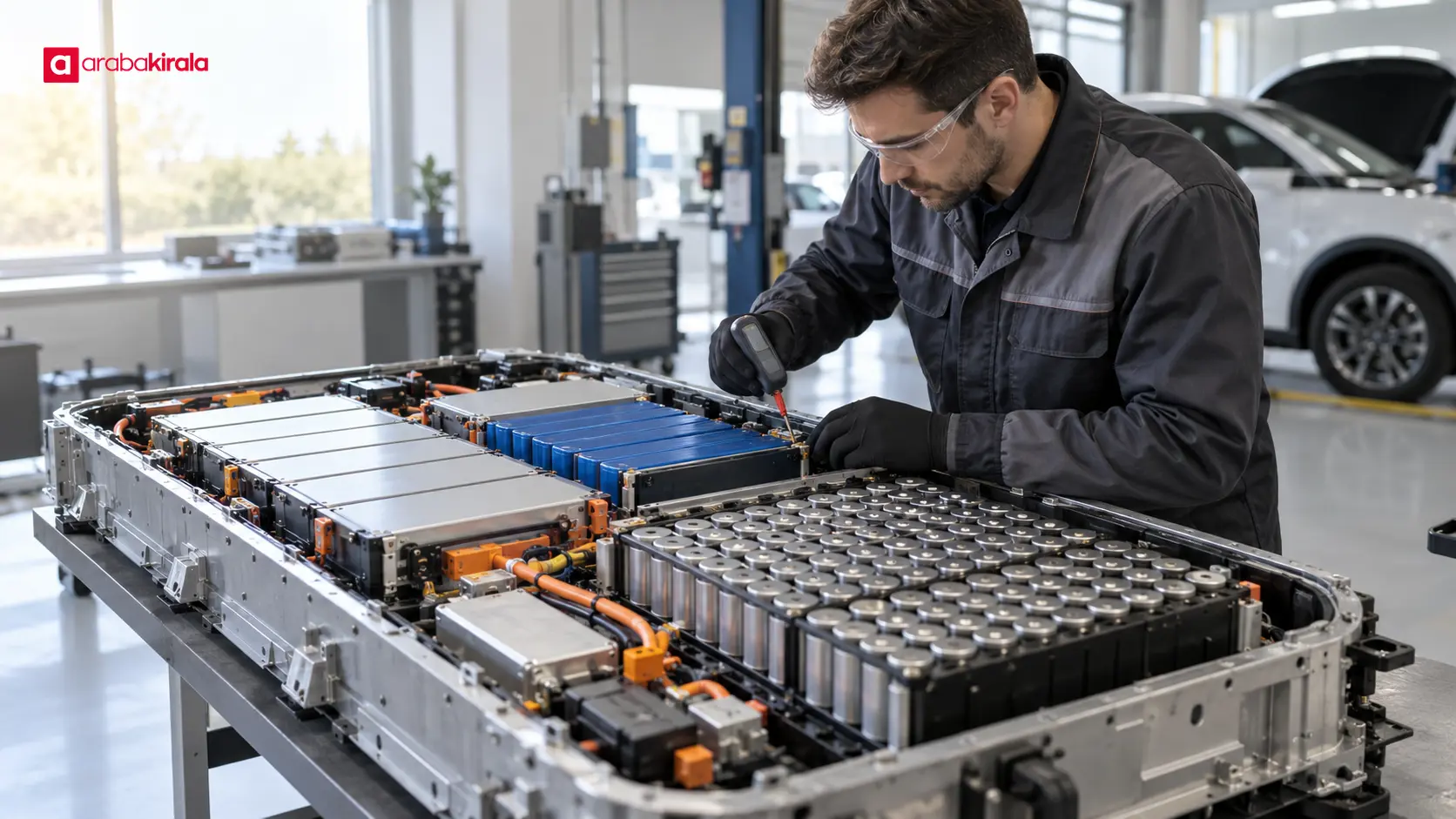
A lithium-ion cell moves lithium ions between its electrodes during charging and discharging. As the ions travel within the cell, electrons flow through an external circuit and provide electrical power to the vehicle's motor and other systems. A cell contains an anode, cathode, electrolyte, and separator. Charging reverses the direction of ion movement.
LFP and NMC names primarily identify cathode active materials. Many automotive lithium-ion cells use a graphite-based anode, but the cathode is only one part of the whole system. Electrolyte, electrode coatings, cell format, cooling, battery management, and vehicle software also shape performance. Two vehicles with the same chemistry label can therefore behave differently.
What LFP and NMC stand for
LFP: lithium iron phosphate
LFP is short for lithium iron phosphate. Its cathode material includes iron and phosphate, and nickel and cobalt are not part of the LFP cathode composition. Its crystal structure and the way the cell is engineered contribute to its operating characteristics. The material label alone does not determine every safety or lifespan outcome for a complete battery pack.
NMC: nickel manganese cobalt
NMC refers to a family of cathode materials containing nickel, manganese, and cobalt. Labels such as NMC111, NMC532, NMC622, and NMC811 describe the relative proportions of those metals. The sequence is nickel, manganese, then cobalt. As proportions change, material properties and engineering choices may also change. NMC is therefore not a single, fixed recipe.
Both families are lithium-ion batteries. Their difference is not that they use entirely different operating principles; it is the chemical composition, especially the cathode material, that informs cell design. The number and arrangement of cells, structural supports, and thermal management also affect the complete vehicle.
What the LFP vs NMC battery difference means in use
Energy density and vehicle design
Energy density describes how much energy can be stored for a given mass or volume. Some NMC compositions can support cell designs with high energy density, giving vehicle engineers options when setting battery weight and package size. Depending on the design, an LFP cell may need more mass or volume to store an equivalent amount of energy. These are broad tendencies, not a rule that every NMC cell has higher energy density than every LFP cell.
Cell-level energy density is not the same as vehicle range. Usable battery capacity, aerodynamics, vehicle mass, motor efficiency, tires, temperature, and driving conditions all contribute to range. The chemistry label alone cannot establish which of two cars will travel farther. Consult the vehicle maker's published usable capacity and range information.
Lifetime and durability
Battery life is affected by both charge and discharge cycling and calendar ageing over time. Cell design, temperature, charging level, intensity of use, and battery management can all influence capacity changes. LFP is often associated with long cycle life, but chemistry alone cannot say how many years or miles a specific vehicle battery will last. NMC types also vary with composition, pack design, and use.
For a particular vehicle, review the manufacturer's battery capacity information, warranty coverage, and use instructions. Warranty terms can vary by model, market, and date, so use the official documents that apply to that vehicle. For a rental EV, ask the branch handling your booking about operational details such as the battery's charge level at handover and the expected charge state at return.
Safety and temperature
Safety is not a property of cathode chemistry alone. Cell quality, pack protection, temperature monitoring, impact protection, electrical safeguards, and battery management all play a role. LFP chemistry is associated with favorable thermal stability characteristics, but that does not mean risk is absent in all circumstances. NMC cells are also managed through engineering and protection systems. If a battery is damaged, overheating, or displaying a warning, follow the vehicle manual instead of attempting a repair.
Cold temperatures can affect battery power and charging behavior. The extent depends on the cell, the pack's heating and cooling system, and vehicle controls. Thermal management matters in hot weather too. Rather than inferring a precise range or charging time from chemistry alone, use the vehicle maker's information and the guidance shown in the car.

What to consider when planning a charge
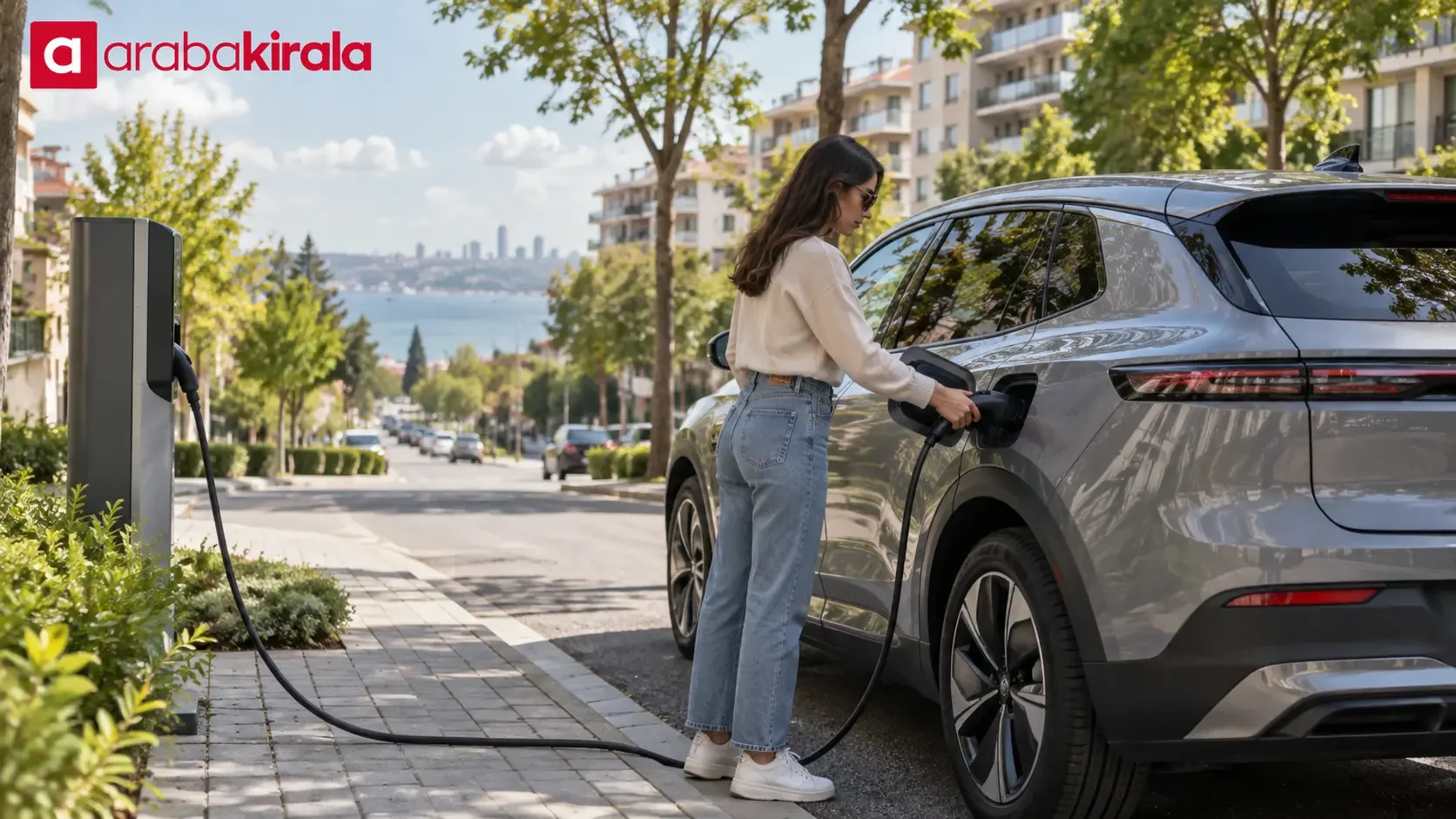
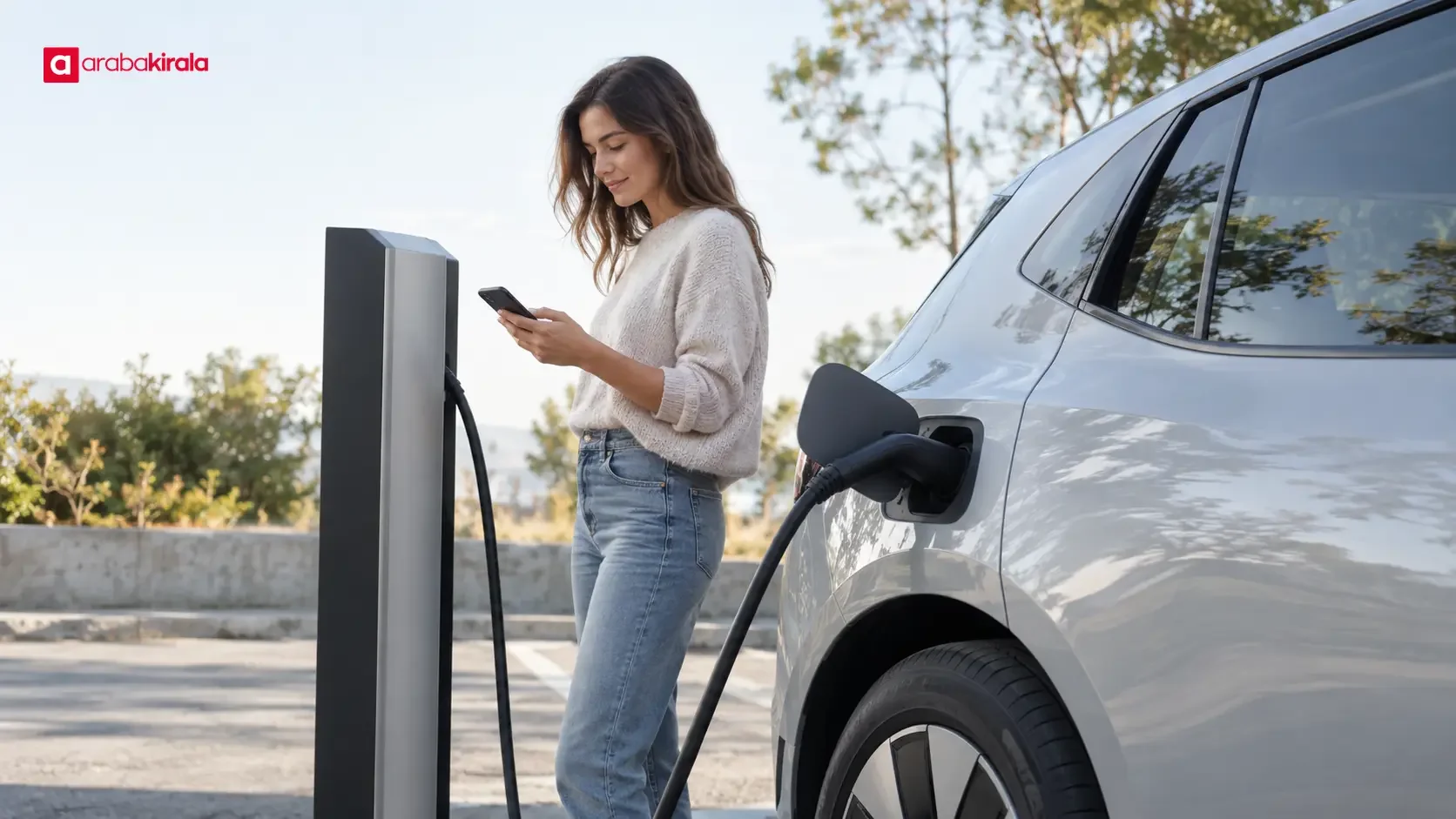
Charging speed does not depend only on whether a battery is LFP or NMC. The vehicle's battery management system, charger output, battery temperature and state of charge, connection conditions, and charging curve determine the time. Charging power may not remain at its peak throughout a session; it can drop as the battery fills. A published peak-power figure should not be read as a constant rate from empty to full.
Before a longer trip, check charging points along the route and consider the vehicle's estimated energy use. On-screen estimates can change with road conditions, speed, weather, and accessories. In a rental car, check the charge level at pickup. Ask the branch how the charge level is recorded, what state of charge is expected at return, and what nearby charging options are available. These operational details may vary by location and vehicle.
How to use chemistry information when renting an EV
For a short rental, knowing the cell chemistry is not enough to choose a vehicle. Your daily route, trip distance, available charging, passenger and luggage load, and pickup and return locations are more direct planning factors. When you review a vehicle's class and specifications, consider the following:
- Range expectations: Treat the manufacturer's figure as a reference that depends on conditions. Highway speed, temperature, and cabin heating can change energy use.
- Charging connector and power: Check the connector type and the vehicle's AC and DC charging information in its manual or display.
- Route planning: Verify charging-point access and operating information before travelling, and avoid relying on a single stop.
- Handover details: Ask the rental branch how charge level is recorded, what charge state is expected at return, and whether charging cables are included with that vehicle.
- Vehicle alerts: If a battery or charging-system warning appears, follow the manual and contact the branch. Do not handle high-voltage components yourself.
For city driving and shorter routes, charging access may matter more than the chemistry label. Longer journeys make usable capacity, charging availability, and time for stops more relevant. When browsing ArabaKirala city or location pages for rental options, verify electric vehicle availability and handover details for the relevant location; these can vary by place.
Summary: connect chemistry to the way you will use the car
LFP uses a lithium iron phosphate cathode, while NMC is a family of cathodes containing nickel, manganese, and cobalt, with several possible ratios. The chemistries offer different material and design choices, but real-world range, charging time, safety, and battery life depend on the full pack, vehicle design, and conditions of use.
When choosing an electric vehicle, start with your route and charging access, then review the manufacturer's data for the specific model. During a rental, clarify branch-specific expectations for charge at pickup and return. This turns knowledge of the LFP vs NMC battery difference into useful trip planning.
Frequently Asked Questions
What is the main difference between LFP and NMC?
The main difference is the cathode material: LFP uses lithium iron phosphate, while NMC uses a combination of nickel, manganese, and cobalt. This affects cell properties and design choices, but does not determine the performance of the entire vehicle on its own.
Does an LFP battery always last longer?
No. Chemistry alone cannot rank the lifespan of every vehicle battery. Cell design, temperature, use, charging patterns, and battery management affect capacity over time. The manufacturer's information for the specific model is more useful.
Does an NMC vehicle definitely have more range?
No universal conclusion follows from the chemistry label. Some NMC designs can support high cell energy density, but range also depends on usable capacity, vehicle efficiency, aerodynamics, weather, and driving conditions. Check the published range for the specific model.
Does LFP or NMC determine how quickly the battery charges?
Neither chemistry determines charging time by itself. Vehicle and charger power, temperature, state of charge, and the battery's charging curve all matter. The car's technical documents and charging display are the best references.
What should I check when picking up a rented electric car?
Check the displayed charge level, the condition of any charging cable or connector equipment, and whether there are battery warnings. Ask the rental branch how pickup and return charge expectations are recorded; the details may vary by location and vehicle.
Legal Disclaimer: All content, articles and information on the Araba Kirala website are provided solely to inform users. No information shared on this website constitutes definitive advice or guidance. Araba Kirala Teknoloji A.Ş. and its authors cannot be held responsible for any direct or indirect damages arising from the application of information on the website. For all questions and requests regarding car rental, please contact the office from which you will rent your vehicle.