Mount Nemrut in Winter: Seasonal Access and Daylight Planning
Published: October 10, 2026 • Reading Time: 6 min • Last Updated: October 10, 2026
A practical guide to winter access, daylight, weather, and preparation for a visit to Mount Nemrut.
Contents
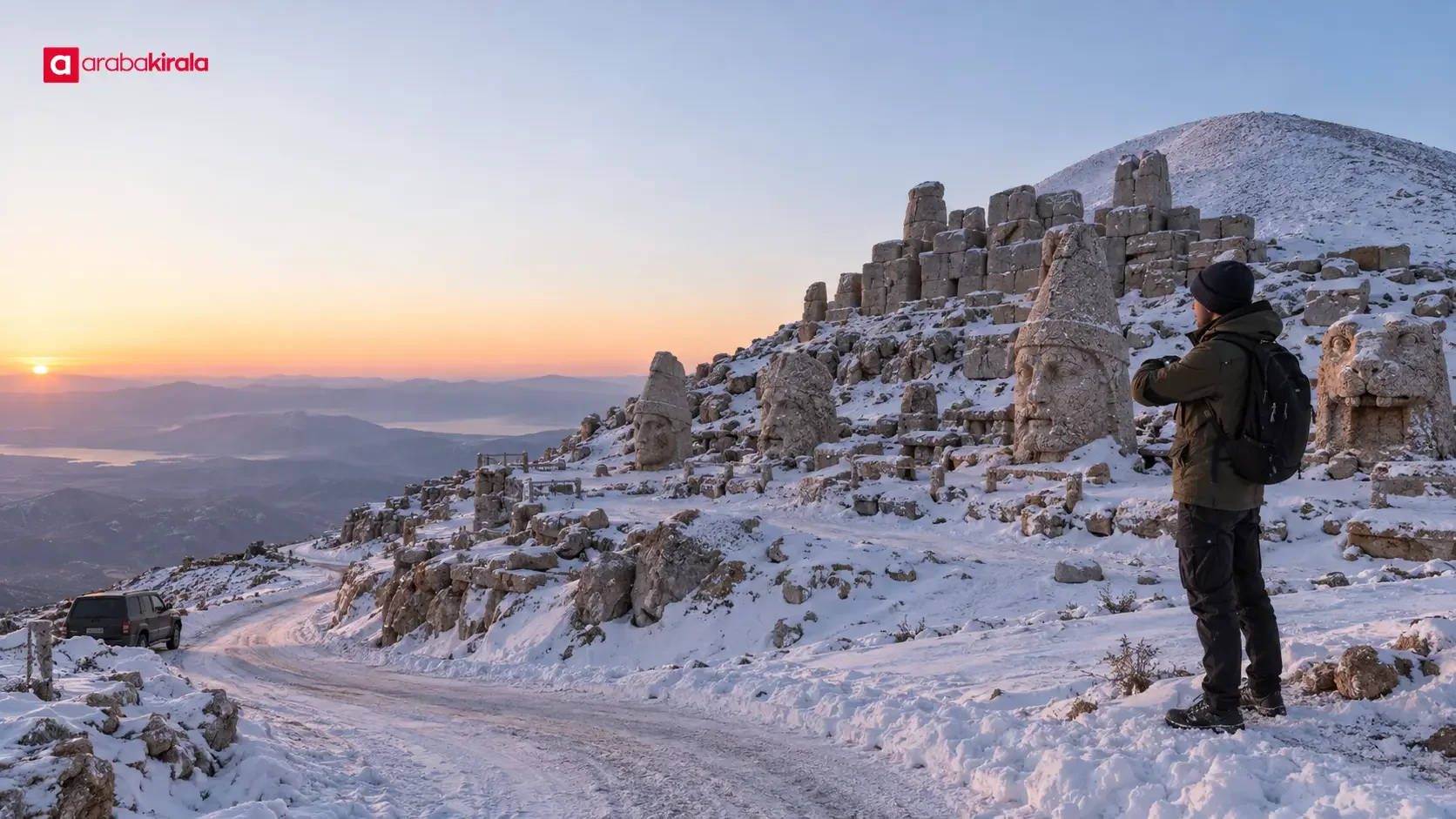
For a winter visit to Mount Nemrut, assess road access, weather, and available daylight together. This guide explains why seasonal access can change, what to check before setting out, and how to build a realistic schedule for a short winter day.
Why winter access changes
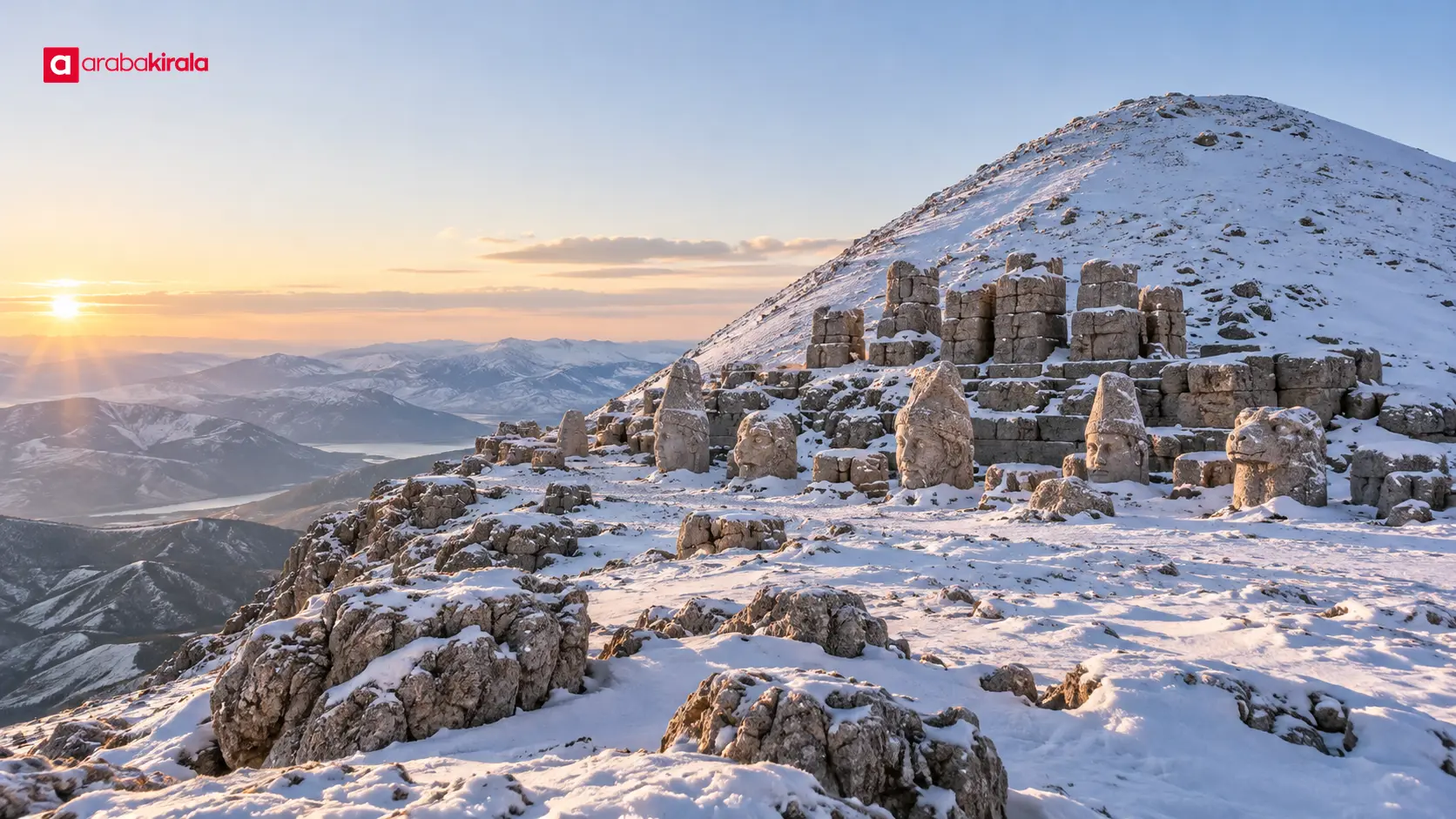
Mount Nemrut is at high elevation. Snow, ice, fog, strong winds, and reduced visibility can affect the roads leading to the mountain as well as the time visitors can comfortably spend outdoors. A route or visiting schedule used in summer should not be assumed to work the same way in winter. Access can also change during the season, so information gathered on one day may not apply to a later travel date.
A report that a road is open does not by itself mean the whole journey will be easy or safe. The main route, the final road up the mountain, vehicle passage, and access to the visitor area all matter. Do not rely on a general guess about when winter tires or chains are needed, or which vehicles can pass. Check current official road and weather updates close to your travel date.
Plan around daylight
Winter days are shorter, limiting the time available for the drive, the visit, and the return. Build your schedule around the complete journey from your starting point, rather than only the time you hope to spend at the monument. Allow extra time for mountain roads, where conditions may slow progress, and leave enough daylight for a safe return.
Sunrise and sunset views can be appealing, but reaching the site or returning at those times may involve driving in darkness. Do not put a scenic goal ahead of road conditions and daylight. For a sunrise visit, consider the demands of an early departure, waiting in the cold, and limited visibility. For sunset, decide when the return must begin and consider what the road will be like after dark. If conditions are unsuitable, missing the view is a better decision than forcing an unsafe schedule.
Checks before you leave
- Current road access: Check official road and weather notices close to the travel date. Confirm whether regional access or visitor arrangements have changed.
- Route and return: Review your starting point, the final approach to the mountain, and the return route. Add time beyond a normal estimate for winter conditions.
- Vehicle suitability: If you are travelling in a rental car, ask the branch you will rent from whether the vehicle and its equipment suit your planned route and conditions. A vehicle type alone cannot guarantee that a road is open or safe.
- Daylight: Compare the hours of daylight with your expected arrival and return times. Avoid a schedule with no room for delays.
- Weather: Consider wind, precipitation, fog, and wind chill as well as air temperature. Recheck the forecast before travelling.
- Communication and personal gear: Charge your phone and bring layers, gloves, and shoes with good grip. Account for possible changes in mobile coverage.
Visiting outdoors in winter
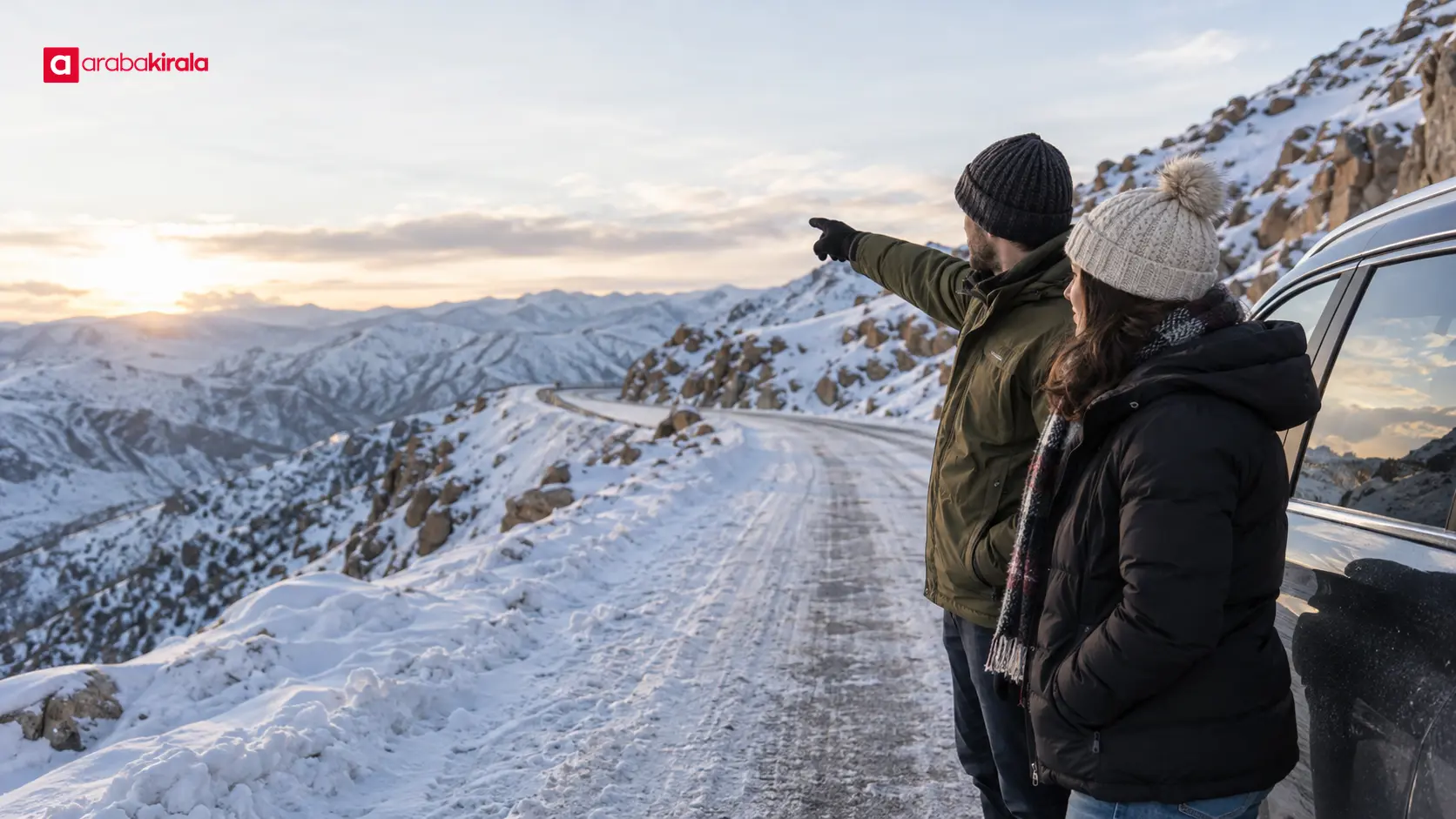
A visit to Mount Nemrut takes place largely outdoors. Wind and cold can make time outside more demanding than expected. Layered clothing, protection for your head and hands, and careful steps on slippery ground help with comfort and safety. Do not climb on the stone structures, leave designated visitor areas, or touch protected features.
You may need to wait in the cold for suitable light for photographs. Take short breaks to move and stay warm. If snow or ice has closed an access area, do not try to get around barriers. Follow staff directions and on-site notices; information that the site is open does not necessarily mean every section is accessible in every condition.
Practical planning for a rental car trip
For a winter journey, the vehicle itself matters, as do its pickup location, your route, and its suitability for conditions on the day. Before booking, ask the branch you will rent from whether the vehicle is appropriate for your planned route, what winter equipment is available, and what steps apply if conditions change. These details can vary by vehicle and branch, so do not treat them as a universal industry rule.
At pickup, look over the vehicle’s condition. Ask about its fuel or charge level, dashboard warnings, and the location of required equipment. Read the rental agreement for details that may affect your plan, such as mileage, permitted use, roadside assistance, and return time; ask the branch where you collect the vehicle about anything unclear. These checks cannot prevent winter conditions from changing, but they can reduce the chance of being caught unprepared.
When to change your plan
Heavy snow, ice, fog, strong winds, a road closure notice, or insufficient daylight are sound reasons to postpone the visit or stay in a lower area with easier access. If conditions worsen significantly during the drive, do not press on simply to reach a viewpoint. Stop somewhere safe and check current notices; do not handle your phone while driving.
If your trip includes several stops, do not leave Mount Nemrut until the end of the day with no time to spare. Consider in advance whether a delay could push your return into darkness. Flexibility in a winter itinerary is more than a convenience: it lets you respond to changes in weather and access.
Summary and next step
For a winter visit to Mount Nemrut, current road access, weather, daylight, and vehicle suitability belong in the same plan. Check official notices close to the travel date, prepare for cold weather outdoors, and reserve daylight for the return. If you use a rental car, confirm route-specific vehicle and equipment details with the branch you will rent from. Treat changing your schedule when conditions are poor as a normal part of the plan.
Frequently Asked Questions
Can you drive to Mount Nemrut in winter?
That depends on road, weather, and access conditions on your travel date. There is no single answer that applies to every winter day. Check current official notices before leaving, and if you plan to use a rental car, ask the branch whether the route suits the vehicle.
Is an early drive for sunrise a good idea in winter?
Arriving for sunrise can mean an early departure, waiting in the cold, and driving in darkness. Do not pursue the timing if road conditions or the time needed for a safe return make it unsuitable. Plan for safe access and adequate daylight first.
What clothing and footwear should I bring?
Choose layers suitable for cold and wind, gloves, and something to protect your head. Since the ground may be slippery, wear comfortable shoes with good grip. Check the latest forecast and adjust your clothing accordingly.
How much time should I allow for the visit?
No fixed duration suits every visit; access, walking distance, weather, and light all affect how long you spend there. Plan for the drive and the return as well as time at the site, and allow a buffer for delays.
What should I ask the rental branch before going?
Ask whether the planned route is suitable for the vehicle, what winter equipment is available, which areas of use apply, and what contact or roadside assistance steps apply if conditions change. Confirm mileage, return time, and other agreement details relevant to your own booking.
Legal Disclaimer: All content, articles and information on the Araba Kirala website are provided solely to inform users. No information shared on this website constitutes definitive advice or guidance. Araba Kirala Teknoloji A.Ş. and its authors cannot be held responsible for any direct or indirect damages arising from the application of information on the website. For all questions and requests regarding car rental, please contact the office from which you will rent your vehicle.