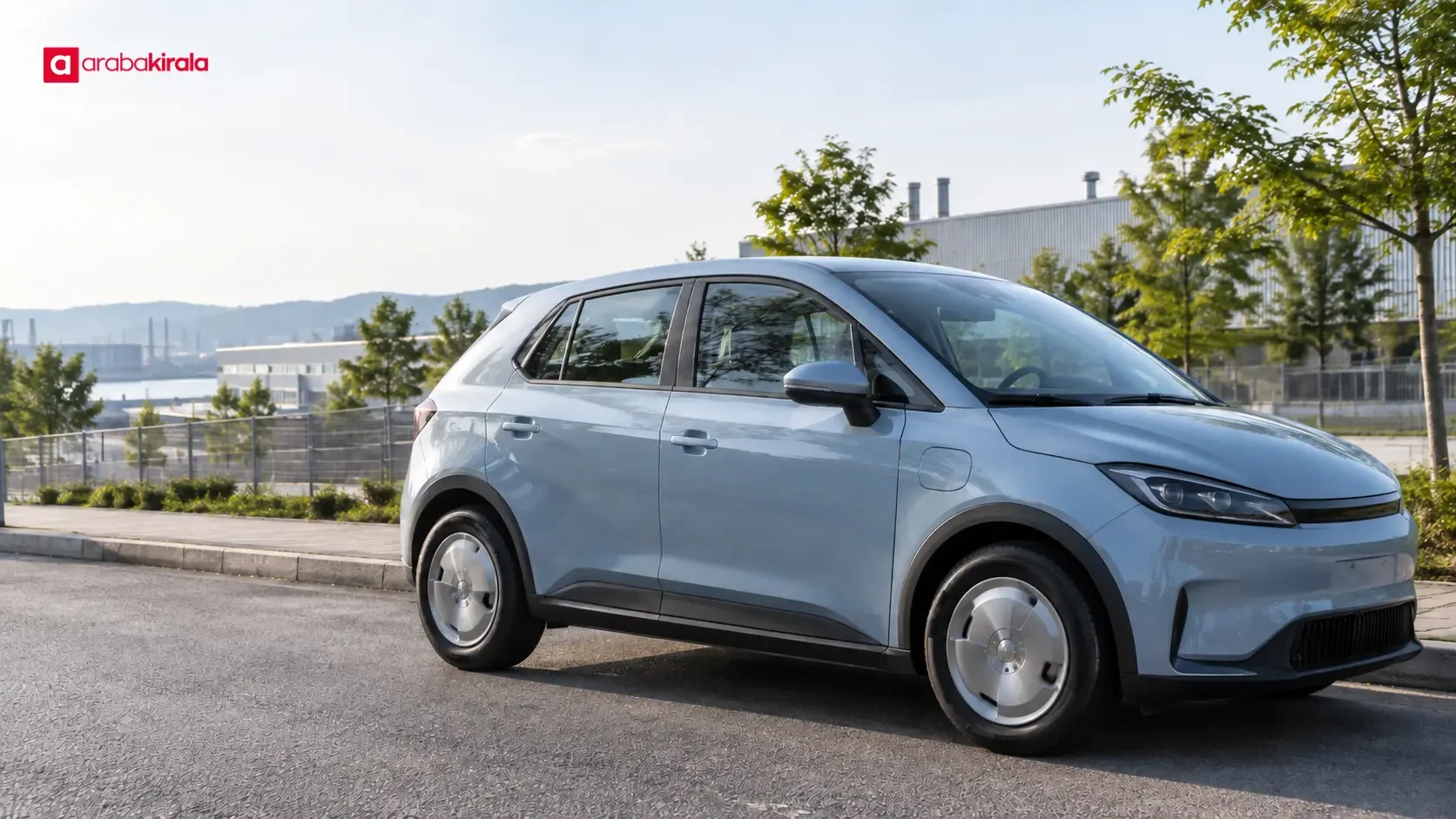
What Does Onboard Charger Power Mean for AC Charging?
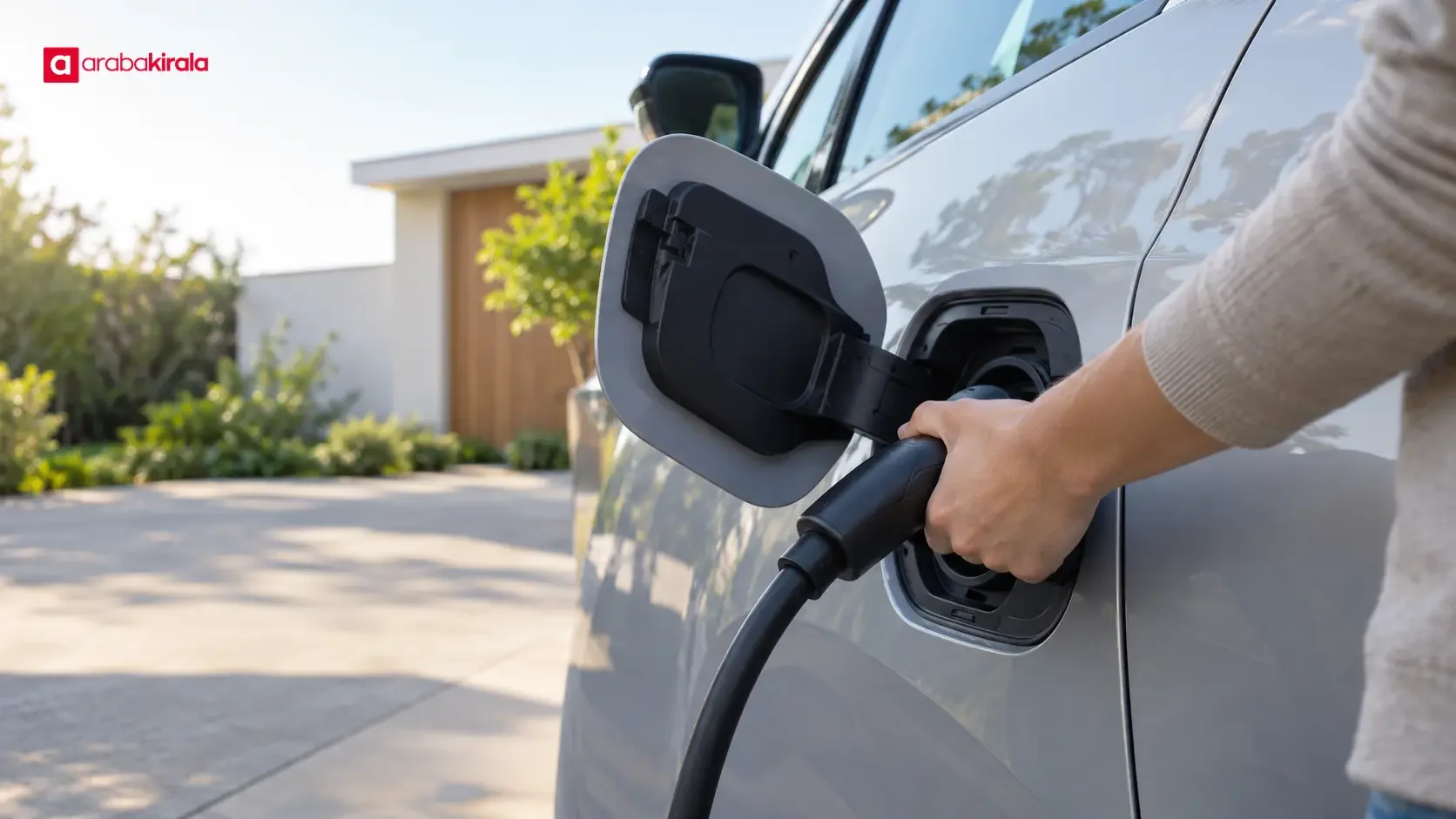
Published: October 8, 2026 • Reading Time: 6 min • Last Updated: October 8, 2026
An electric vehicle’s onboard charger power affects how quickly it can take energy from an AC source. Learn how vehicle capacity, charging equipment, battery conditions, and charging time relate.
Contents
- What is an onboard charger?
- Which power limit determines AC charging speed?
- How AC charging differs from DC fast charging
- How does power affect charging time?
- Why onboard charger power matters in everyday use
- A practical check before charging
- Summary: one kW figure is not the whole picture
- Frequently Asked Questions
Onboard charger power describes how much AC electricity an electric vehicle can convert into the DC electricity its battery uses. The power rating printed on an AC charging point does not, on its own, tell you how quickly a particular car will charge. The car’s onboard charger, the supply available at the charging point, the connection, and the battery’s current conditions all matter. This guide explains how those pieces fit together, how to think about charging time, and what to check when collecting a rental EV.
What is an onboard charger?
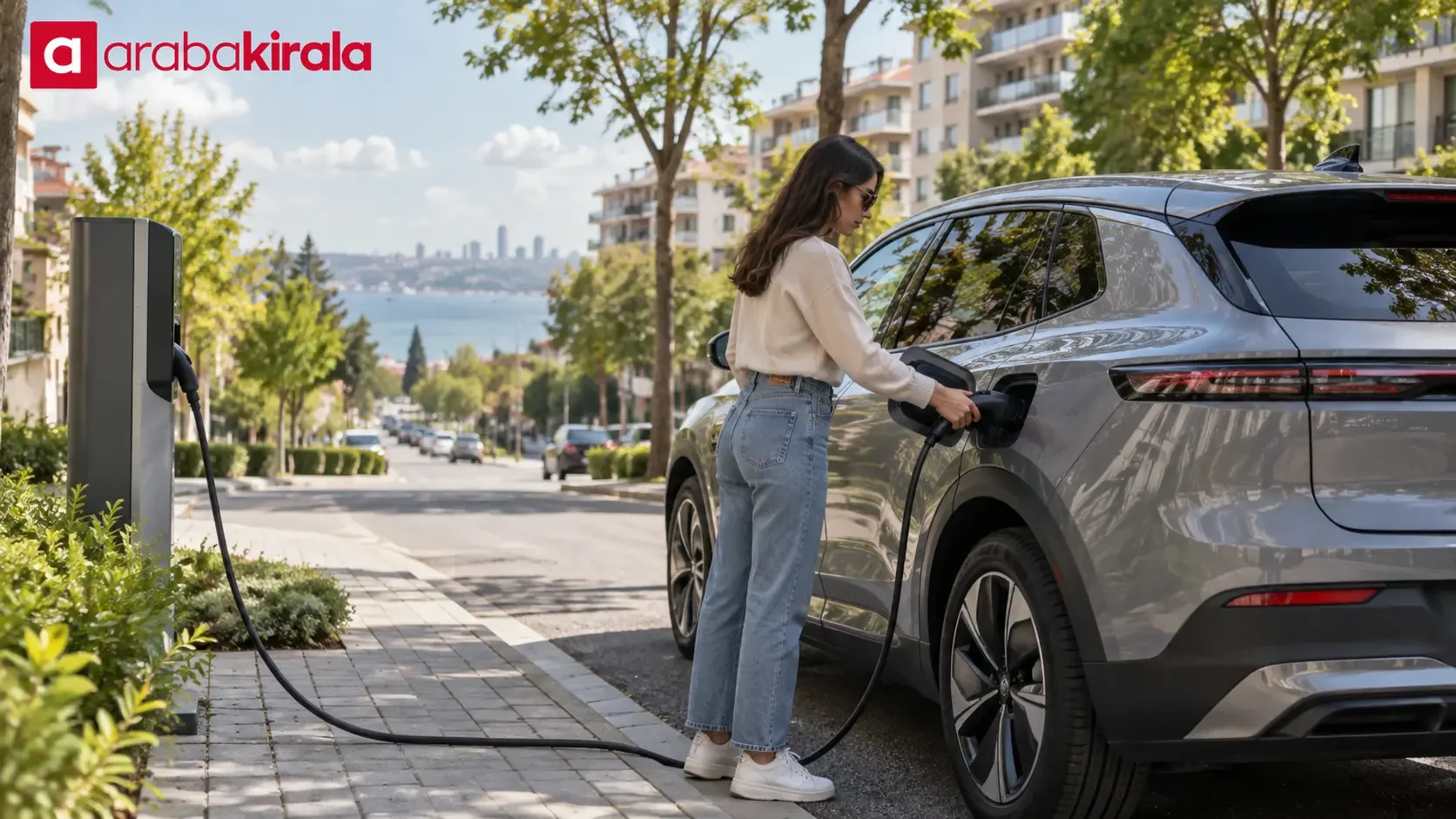
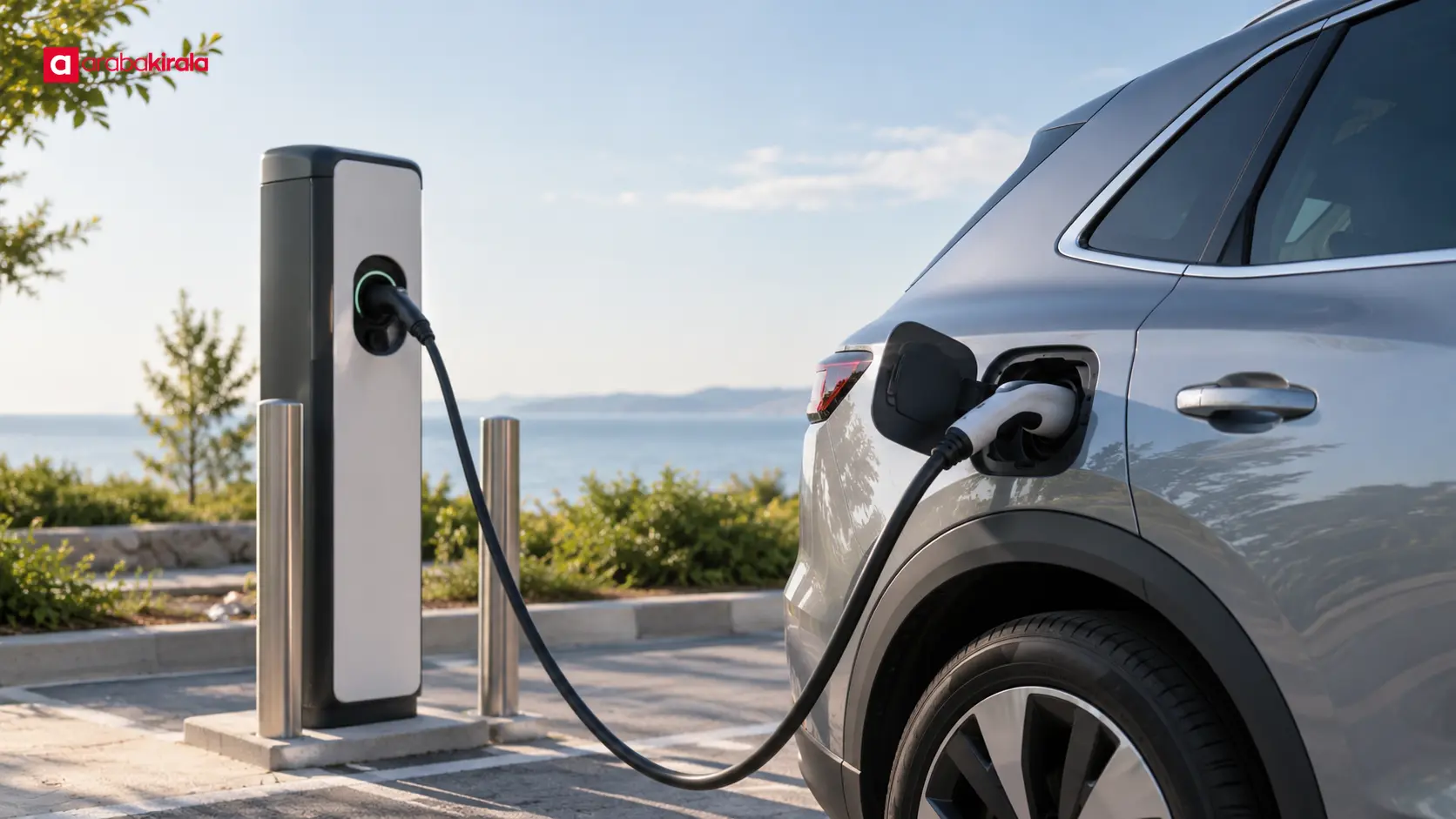
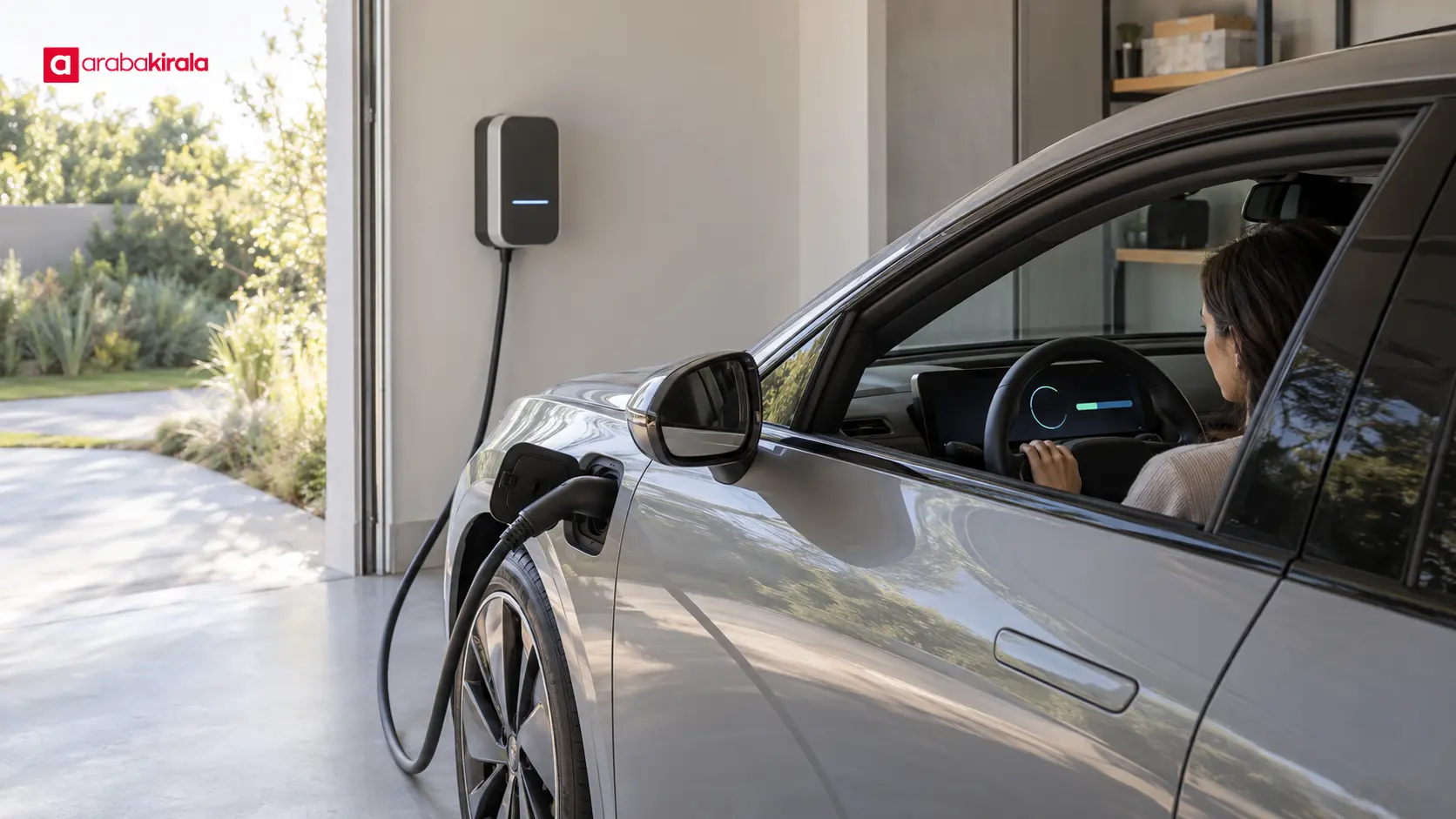
A charging station or wall unit provides electricity to the car and supports the charging connection. With AC charging, the electricity must be converted before it can be stored in the battery. That conversion takes place inside the vehicle’s onboard charger, often shortened to OBC. Its power rating is one of the limits on how much AC energy the car can accept and pass on to the battery.
The charging point and the onboard charger have different jobs. The point supplies electricity; the onboard equipment converts AC power into a form the battery can use. A higher rated AC point therefore cannot make a car charge above its own technical capacity. To understand the likely rate, compare the vehicle’s stated AC acceptance with the charging point’s available output.
Which power limit determines AC charging speed?
As a simple starting point, the car’s AC charging rate is constrained by the lower of its onboard charger capacity and the power the charging point can provide. If a car accepts AC at up to 7 kW and the connected point can supply more, the car will not charge at 11 kW just because the point has that rating. If the car can accept more than a lower powered point can supply, the point limits the transfer instead.
This is a useful model, not a promise that the power will remain constant throughout a session. The electrical supply, single or three phase connection, cable suitability, and the vehicle’s charging controls can affect the result. A display shows an instantaneous reading, which may change. A household socket, a wall-mounted unit, and a public AC point should not be assumed to have identical equipment or output.
How AC charging differs from DC fast charging
During AC charging, conversion happens in the car. With DC fast charging, the station’s conversion equipment prepares the electricity for the battery, and the car accepts it as DC. This explains why onboard charger power is central to AC charging. For DC charging, other limits matter, including the car’s DC acceptance capability and the charging station’s capacity.
A vehicle’s AC and DC ratings are not interchangeable. Looking at a DC fast charging figure when planning an AC stop can create the wrong expectation. Specifications may vary by model year or equipment version, so the owner’s manual and the manufacturer’s technical information are the best places to check the particular vehicle.
How does power affect charging time?
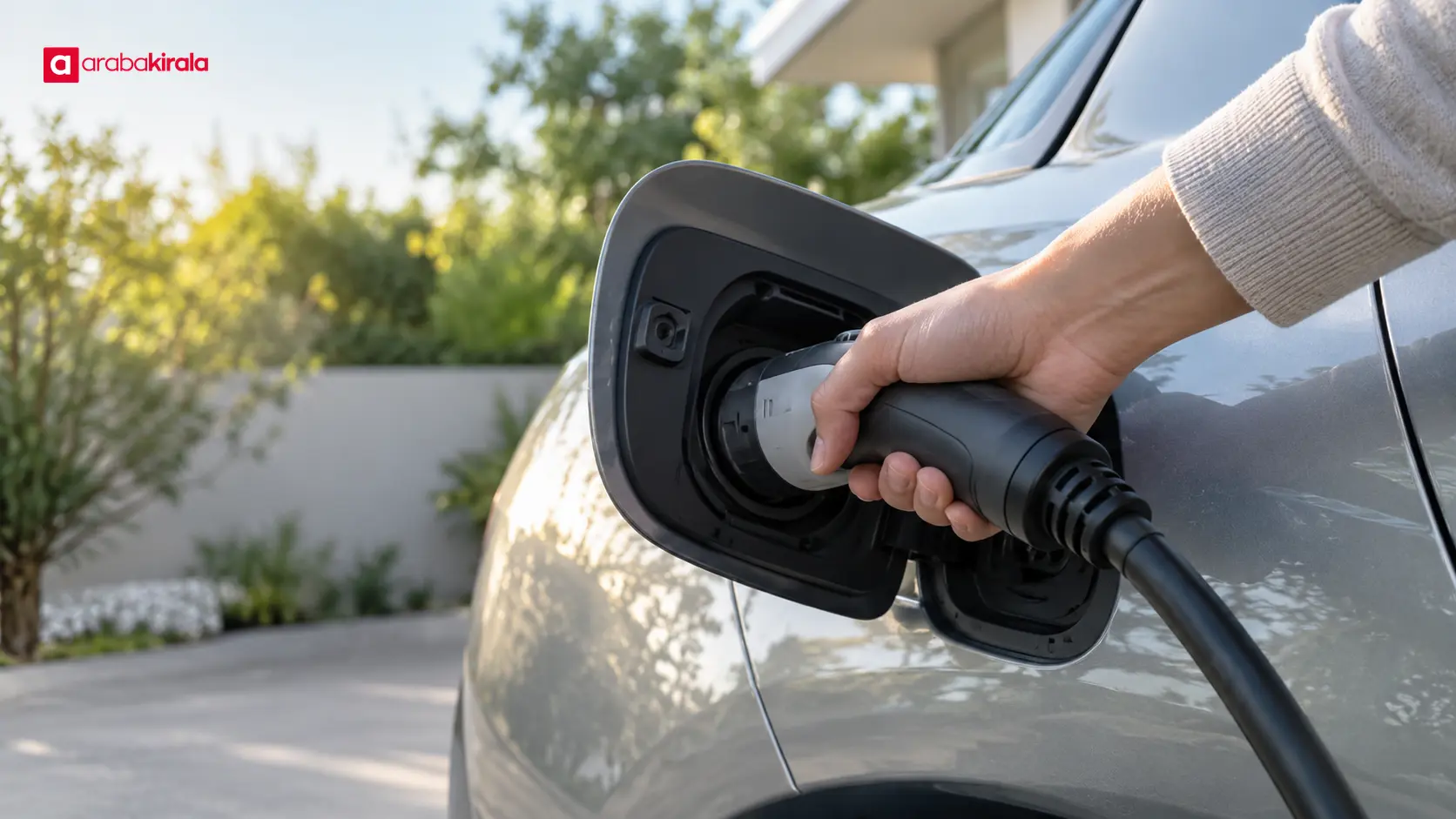
A basic estimate divides the amount of energy to be added to the battery by the power available for charging. For instance, if 20 kWh needs to be added and power could remain at 10 kW throughout, the arithmetic gives about two hours. This is a simplified estimate. Actual time can differ because of conversion losses, changes in power, and the vehicle’s charging management. A single power figure cannot provide an exact session duration.
The battery’s capacity and starting charge level also matter. Adding more energy at the same AC rate generally takes longer. The vehicle may also adjust the rate as the battery’s state of charge changes. Battery and ambient temperature, battery condition, and the supply or sharing arrangement at the charging point can add variation. For route planning, consider the time available and the energy needed for the trip, not just the maximum figure in a specification sheet.
Why onboard charger power matters in everyday use
AC charging is often useful where a car is parked for a longer period. In that setting, a higher onboard capacity can allow more energy to be added during the available time when the AC supply supports it. The benefit depends on the charging point and electrical installation being able to provide that power. A car’s technical ability to accept a higher rate does not mean every location will offer it.
For practical planning, the useful question is not only “How many kilowatts?” Consider the car’s AC capacity, the connection at the destination, the parking duration, and the energy needed for the journey together. If you are renting an EV, ask the branch where you will collect it for the specific model’s AC and DC charging figures, connector type, and information about any supplied cable. These details can vary by vehicle and equipment, so one general figure should not be applied to every rental car.
A practical check before charging
- Check the vehicle: Find its maximum AC charging power in the owner’s manual or manufacturer’s technical information. Keep the AC figure separate from the DC figure.
- Check the charging point: Confirm whether it is AC or DC and note its stated output. Power sharing or supply limits may reduce the power actually available.
- Check the connection: Make sure the vehicle inlet, cable, and charging point are compatible. Do not use damaged equipment.
- Plan around your needs: Combine the time the car will be parked, the energy needed for the trip, and available charging locations. Do not assume the maximum rating is delivered continuously.
- For a rental EV: Ask the collection branch about the specific car’s connector and charging instructions. Follow the in-car guidance and the manufacturer’s manual.
Summary: one kW figure is not the whole picture
Onboard charger power helps explain how quickly a car can take electricity from an AC source and transfer it to the battery. The actual rate also depends on the charging point, connection, and battery conditions at the time. Check the car’s AC rating in its technical information, compare it with the charging point, and use it for an approximate plan. When renting, confirm model and equipment details with the branch where you will collect the car so your charging plan matches the vehicle.
Frequently Asked Questions
What does onboard charger power mean?
It describes the vehicle’s maximum power for converting incoming AC electricity and transferring it to the battery. It is not necessarily the same as the rating shown for a charging point.
What if the AC charging point is more powerful than the car?
The point’s rating does not raise the car’s technical acceptance limit. Subject to the connection and charging conditions, the vehicle remains constrained by its own capacity.
Is AC onboard charger power the same as DC fast charging power?
No. AC conversion happens in the vehicle, while DC fast charging conversion happens at the station. Read the vehicle’s AC and DC specifications separately.
Can I calculate charging time from the kW rating alone?
The rating can help produce a rough estimate when compared with the amount of energy to add, but power may vary during a session. Battery state, charging controls, and connection conditions affect the actual duration.
Where should I check AC charging details for a rental EV?
Ask the branch where you will collect the car about that vehicle’s AC and DC capacities, connector type, and any charging equipment supplied. Review the vehicle-specific instructions as well.
Legal Disclaimer: All content, articles and information on the Araba Kirala website are provided solely to inform users. No information shared on this website constitutes definitive advice or guidance. Araba Kirala Teknoloji A.Ş. and its authors cannot be held responsible for any direct or indirect damages arising from the application of information on the website. For all questions and requests regarding car rental, please contact the office from which you will rent your vehicle.