One-Pedal Driving in Electric Cars: How It Differs from Regenerative Braking
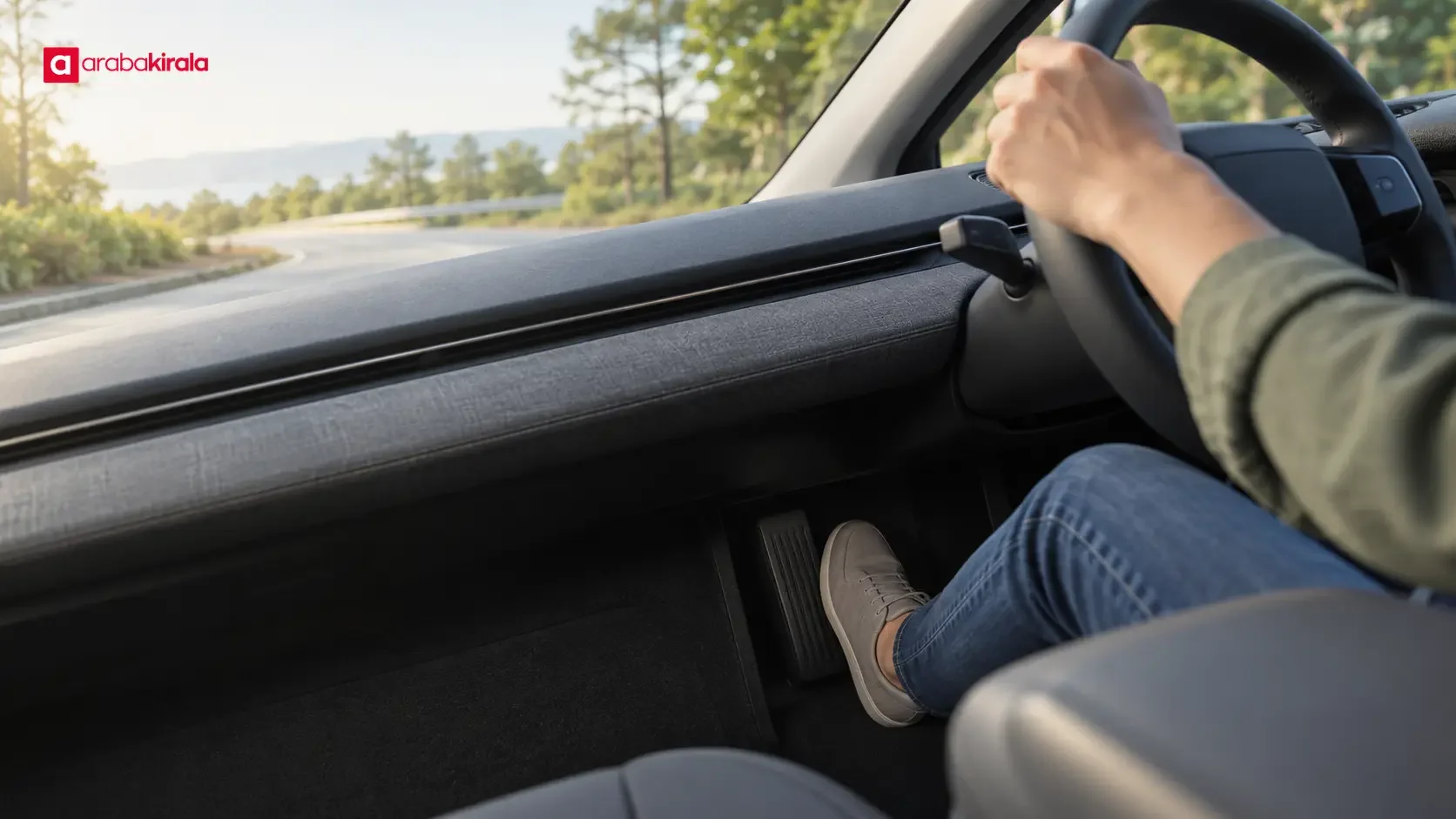
One-pedal driving is a driving mode in which the accelerator pedal controls much of both acceleration and slowing in an electric car. When the driver eases off the pedal, the car may slow noticeably; depending on the vehicle and setting, it may also come to a stop at low speed. Regenerative braking often creates that slowing effect, but the two terms describe different things. Regenerative braking is a way to recover some energy while slowing down. One-pedal driving describes how the driver uses the pedals to control the car’s speed.
How regenerative braking works
In an electric vehicle, energy from the battery powers an electric motor, which turns the wheels. When the driver lifts off the accelerator or applies the brakes, the system may use the motor as a generator. Some of the vehicle’s motion is converted into electricity and sent back to the high-voltage battery. This process is called regenerative braking or energy recuperation.
Regenerative braking does not return all of the car’s kinetic energy to the battery. Energy is lost during conversion, and the amount recovered varies with the vehicle and driving conditions. The driver mainly notices the result as a change in how quickly the car slows after the accelerator is released. Some settings allow the car to coast with only mild deceleration; others create a stronger slowing effect. If the vehicle offers adjustable levels, its owner’s manual explains how those settings work.
What does one-pedal driving mean?
In one-pedal driving, the accelerator is used for more than acceleration. Pressing it adds speed; easing pressure or lifting off can increase regenerative deceleration. The driver can therefore manage a broad range of ordinary speed changes by adjusting the accelerator pedal. Depending on the vehicle’s setup, the car may slow substantially or come to a stop as it approaches a low speed.
The name does not mean that the brake pedal is disabled or should be ignored. The driver may keep a foot on the accelerator through routine acceleration and deceleration, but the brake pedal remains available and is needed when stronger or quicker braking is required. The way the car stops and stays stationary can also differ by model. Check the owner’s manual for instructions about stopping, parking, and using the feature on a slope.
The key difference between the two
Regenerative braking is a braking and energy-management method. One-pedal driving is a driving function or setting that uses accelerator movement to manage both acceleration and deceleration. Regenerative braking can operate when the driver lifts off the accelerator or presses the brake pedal. In some vehicles, applying the brake pedal can still involve energy recovery; exactly how the system combines regenerative and friction braking depends on the vehicle.
The presence of regenerative braking does not establish that a vehicle has one-pedal driving. An electric car may recover energy while slowing but still coast when the accelerator is released, requiring the driver to brake to stop. Conversely, the name and stopping behavior of a one-pedal feature depend on the manufacturer’s design. Do not assume that every electric car responds in the same way because it uses similar terminology.
What drivers may find useful
One-pedal driving can reduce how often a driver moves between the accelerator and brake during traffic with frequent changes in speed. Smooth, measured accelerator movements can help make ordinary slowing and acceleration feel more gradual. Regenerative braking also allows some energy to be recovered during deceleration. These features take time to get used to, and they do not guarantee lower energy use or a shorter stopping distance.
The amount of energy recovered is not fixed. Battery charge and temperature, vehicle speed, road gradient, selected settings, and system limits can all affect it. An energy-flow display or regeneration indicator therefore does not promise the same result on every trip. On a long descent, do not rely on regenerative deceleration alone: monitor your speed, use the brake pedal when needed, and adjust your driving to the road.
How to get used to the feature
- Read the vehicle’s instructions first. Check how to turn the feature on or off, what deceleration to expect, and how the car behaves as it slows to a stop. Controls and default settings can vary between vehicles.
- Move the accelerator gradually. Lifting off suddenly may cause pronounced deceleration. Adjust pedal pressure early and smoothly to match traffic.
- Keep the brake pedal available. Use it when you need stronger or quicker deceleration. One-pedal driving does not remove the need to brake.
- Leave space ahead. The amount of deceleration can change with speed and road conditions. Do not reduce a safe following distance because the vehicle has regenerative braking.
- Pay attention to the surface and slope. A slippery road, steep grade, damaged surface, or poor visibility can affect how the vehicle responds. Follow the vehicle’s warnings and use the brakes to maintain control.
Does lifting off always bring the car to a stop?
No. Regenerative deceleration does not bring every vehicle to a complete stop at every setting or in all conditions. Even where one-pedal driving is available, the low-speed stopping behavior and the way the vehicle remains stationary vary by model. A slope, available grip, or system limits may mean that you need to apply the brake pedal to stop. Check the vehicle’s display and surroundings to confirm that it has stopped, and use the brake when necessary.
What to check in a rental electric car
The one-pedal and regenerative braking controls in a rental electric car may differ from what you have used before. Before setting off, read the relevant section of the owner’s manual and ask the branch where you collect the car how its feature is activated, how the vehicle comes to a stop, and which dashboard indicators to watch. Controls and functions can depend on the vehicle’s equipment, so use the instructions for the specific car you will drive.
One-pedal driving is related to regenerative braking, but it is not another name for it. Regenerative braking can return some energy to the battery as the car slows; one-pedal driving makes that slowing part of how the driver controls speed with the accelerator. Learning the vehicle’s limits, moving the pedal smoothly, and using the brake when needed are good foundations for safe use.
Legal Disclaimer: All content, articles and information on the Araba Kirala website are provided solely to inform users. No information shared on this website constitutes definitive advice or guidance. Araba Kirala Teknoloji A.Ş. and its authors cannot be held responsible for any direct or indirect damages arising from the application of information on the website. For all questions and requests regarding car rental, please contact the office from which you will rent your vehicle.