Parking a Rental Car: Check Size and Surroundings
Published: October 6, 2026 • Reading Time: 6 min • Last Updated: October 6, 2026
Learn how to assess a rental car’s dimensions, parking access, maneuvering room, surface, and surroundings before choosing a space.
Contents
- Parking a rental car: assess the vehicle and the space together
- How vehicle dimensions affect a parking choice
- Inspect the surroundings before entering a space
- Access, turning, and exit route
- Surface, slope, and weather
- Pedestrians and vehicle movement
- Different checks for open and covered parking
- A practical parking-space checklist
- Leave the vehicle safely after parking
- Frequently asked questions
- What should I check before entering a tight space in a rental car?
- How do I check the height clearance of a covered car park?
- What matters besides vehicle size when choosing a space?
- In brief: know the dimensions, inspect the space, maneuver calmly
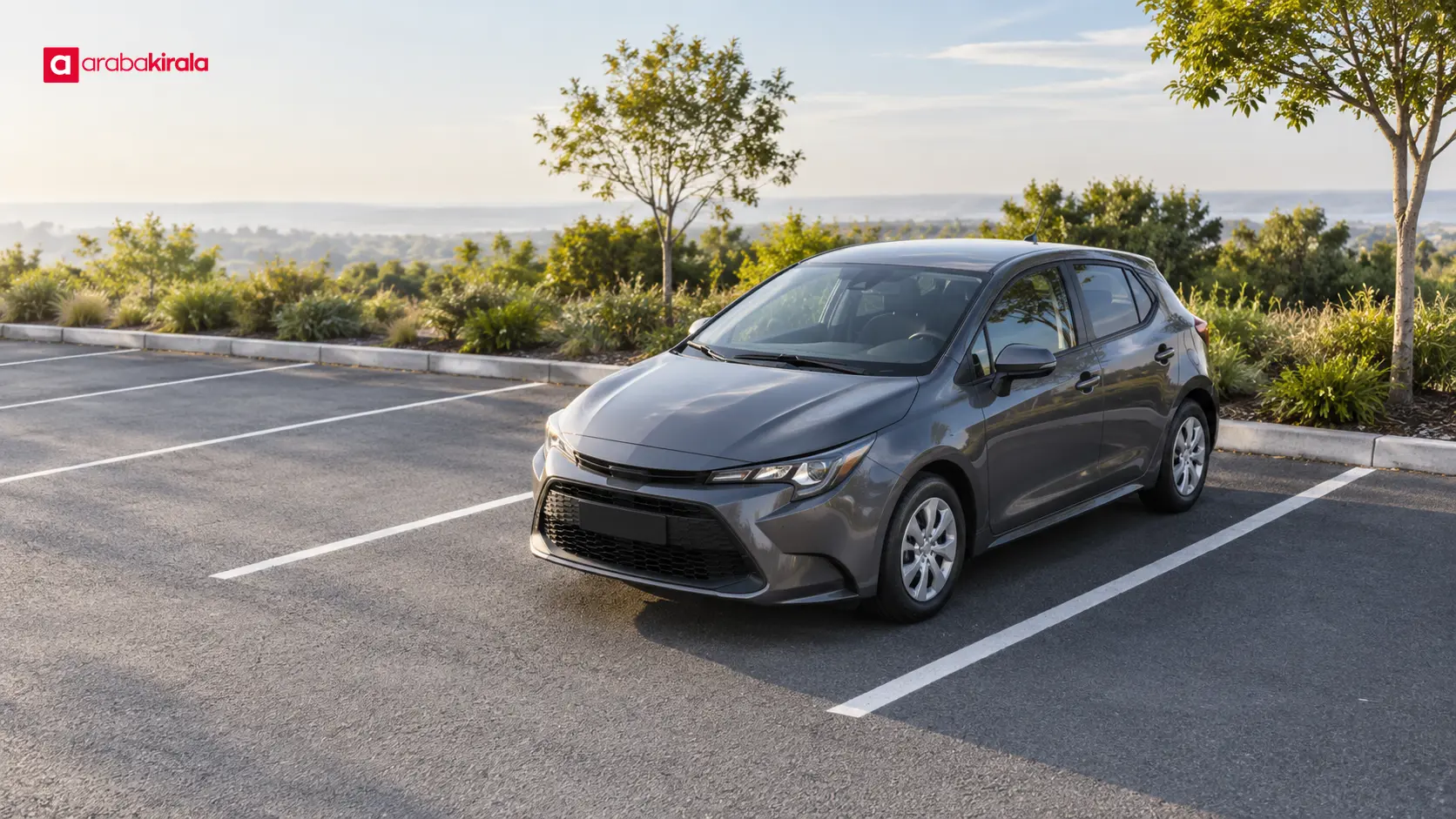
Parking a rental car: assess the vehicle and the space together
Choosing a parking space for a rental car means more than finding an empty marked bay. The car’s length, width, and height matter alongside the entrance, turning room, surface, slope, weather, and nearby movement. This guide explains how to check those factors, what to look for in open and covered parking, and how to leave the vehicle safely once parked. Learning the rental car’s model or dimensions at pickup helps you plan for narrow streets, ramps, and garages with limited clearance.
How vehicle dimensions affect a parking choice
Length affects the depth of the space and how close the front and rear of the car come to vehicles, walls, or traffic while turning. If the marked bay is short or other vehicles extend beyond their spaces, keeping the wheels inside the lines may not leave enough room at either end. Check that the car will not obstruct a walkway or project into a driving lane.
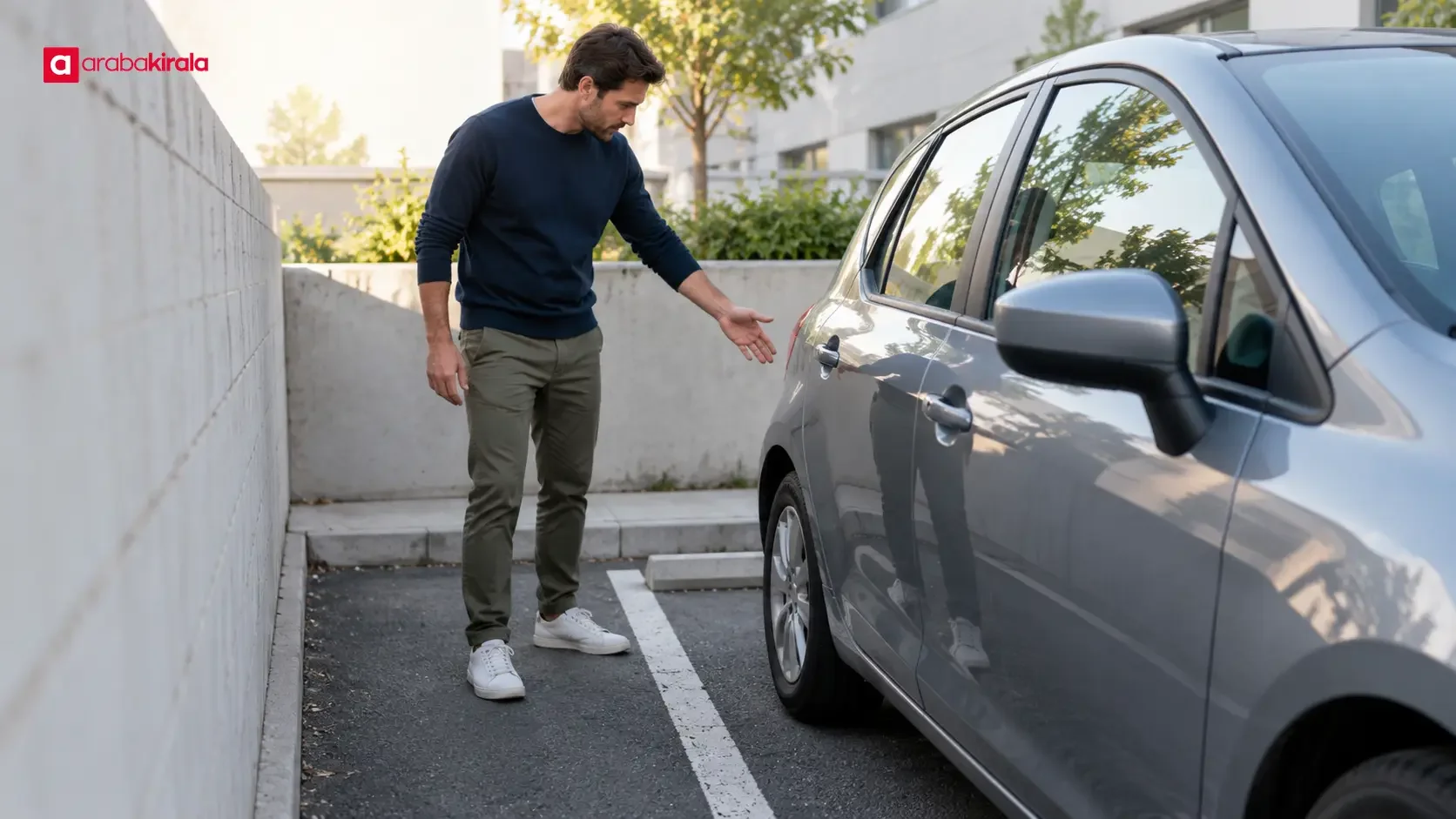
Width matters for door opening and clearance from neighboring cars. A vehicle may fit between the markings while a column, wall, motorcycle, or adjacent car makes it difficult to open a door. Consider which side passengers need to use, especially when loading luggage or securing a child seat. Leave enough space for people to get in and out without forcing a door against another object.
Height is especially important at covered parking entrances, low ceilings, pipes, beams, and sloping ramps. Compare the posted clearance with the vehicle’s total height. If roof cargo or equipment is fitted, include it in that total. If you do not know the car’s dimensions, ask the rental branch before entering a space with a height restriction. Do not try to test clearance by driving under a barrier or beam.
Inspect the surroundings before entering a space
Access, turning, and exit route
A parking spot is not suitable just because the final bay looks wide enough; the route to it must also accommodate the vehicle. A narrow ramp, sharp turn, columns, blind corner, or oncoming traffic can make access difficult. Before reversing, check for pedestrians, cyclists, low obstacles, and moving vehicles. A reversing camera or parking sensor can help, but it does not replace looking around the vehicle.
Surface, slope, and weather
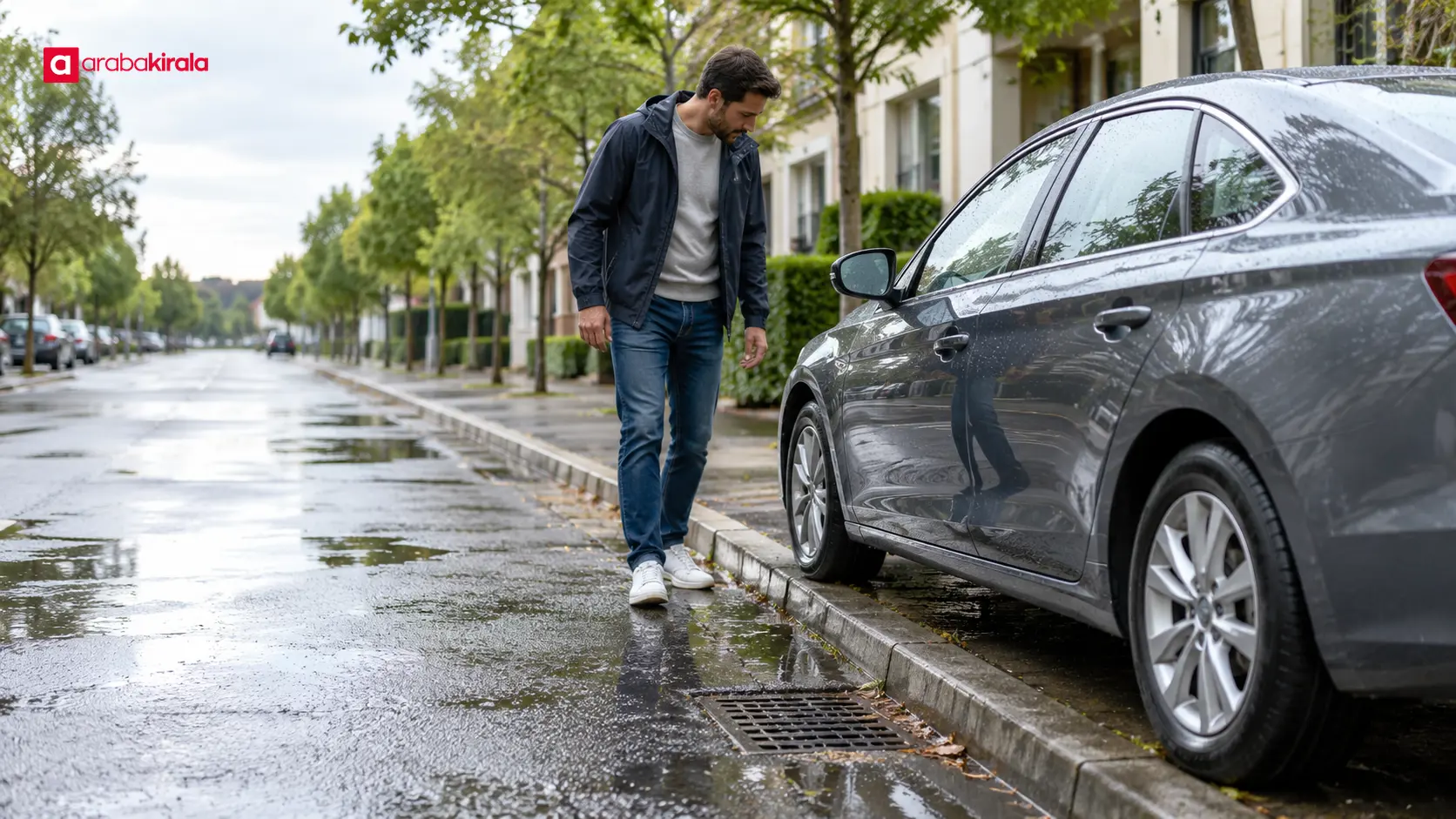
Look for uneven ground, loose gravel, potholes, puddles, and surfaces that may be slippery. After rain, water can collect where drainage is poor. If you cannot safely judge how deep it is or what lies beneath, do not drive through it. On a slope, the car must remain secure when parked. Follow the vehicle’s manual for the correct use of the parking brake and gear position, which can depend on the vehicle’s transmission. In winter, snow, ice, and reduced visibility affect both maneuvering distance and the ability to see pedestrians.
Pedestrians and vehicle movement
People can emerge between parked cars, and children or low objects may be difficult to see from the driver’s seat. Avoid spaces that block entrances, loading areas, pedestrian routes, or other vehicles’ turning paths. If visibility is restricted during a reversing maneuver, stop and check the area again. If a space feels too tight or would obstruct others, find another one instead of forcing the car into it.
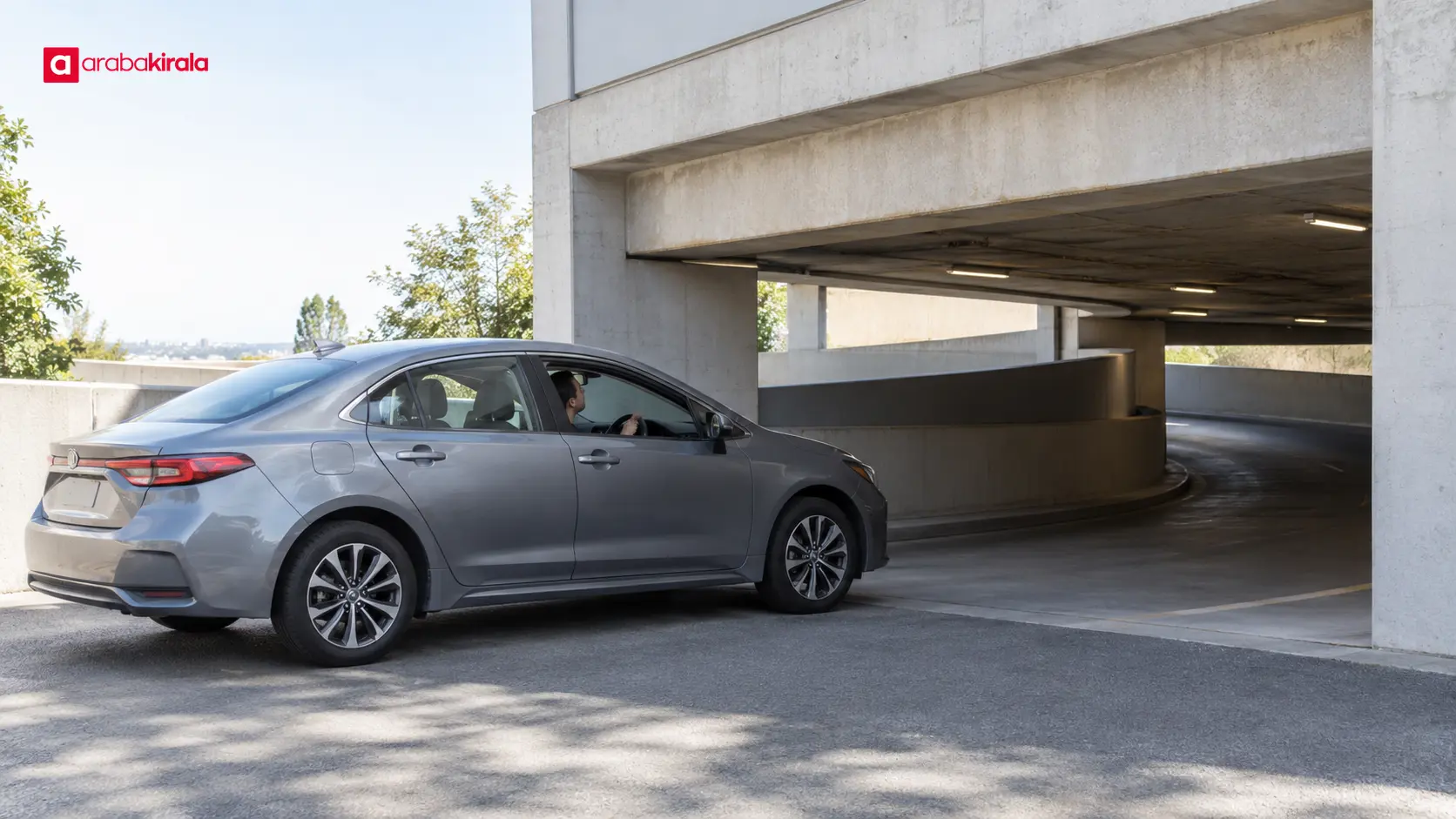
Different checks for open and covered parking
Open parking may have fewer height restrictions, but sun, rain, wind, tree branches, bird droppings, and neighboring doors still matter. Choose level ground where the vehicle does not interfere with traffic. If you park under a tree for shade, look for broken branches or objects that could fall. For a longer stop, pay attention to the surroundings and make sure the car is locked securely.
In a covered garage, assess the entrance height, ramp slope, column spacing, turning points, and route between levels together. Poor lighting, a wet surface, or narrow bays can make it harder to judge clearance. If the height limit or the vehicle’s total height is unknown, confirm it before proceeding. Include roof equipment or cargo. Once parked, check the route out and make sure there is enough free space in front of and behind the vehicle.
A practical parking-space checklist
- Find out the vehicle model and, when available, its length, width, and height.
- For covered parking, check entrance clearance, the ramp, and turning room in advance.
- Look beyond the painted lines for columns, walls, curbs, neighboring vehicles, and door-opening space.
- Assess the surface, slope, puddles, loose material, and visibility.
- Watch for pedestrians and moving vehicles; stop and recheck if your view is restricted.
- After parking, look around the vehicle to confirm it does not block a route or another vehicle.
Leave the vehicle safely after parking
Once positioned, check that the vehicle is within the bay and does not extend into a road or pedestrian area. Make sure there is enough room to open the doors without hitting a wall or neighboring car. Follow the vehicle manual’s instructions for lights, windows, and locking. Keeping valuables out of sight does not guarantee that a parking place is secure; when practical, put items in the trunk before leaving the vehicle.
If you notice a scratch, dent, or other visible condition at pickup, follow the rental process for recording it and report it at the time of handover. If you notice new contact or damage while parking, stop and promptly tell the branch where you rented the car, then follow its guidance. Concealing damage or continuing to use the vehicle in an unsafe condition can make the problem worse.
Frequently asked questions
What should I check before entering a tight space in a rental car?
Assess the approach, turn, and exit against the vehicle’s size. Check for clearance at both sides and ends, room to open doors, and a clear pedestrian path. If your view is blocked, pause and inspect the surroundings. Choose another space if the available room is insufficient.
How do I check the height clearance of a covered car park?
Compare the posted entrance clearance with the vehicle’s total height, including roof racks or cargo. If you are unsure of the dimensions, ask the rental branch for the vehicle information and verify the entrance before driving in.
What matters besides vehicle size when choosing a space?
Maneuvering room, visibility, surface, slope, weather, lighting, and pedestrian movement all matter. They affect both the likelihood of contact damage and the ability to enter and leave safely.
In brief: know the dimensions, inspect the space, maneuver calmly
Parking a rental car calls for judging the vehicle’s dimensions alongside the conditions around the space. Check clearance, the maneuvering route, ground and weather, and pedestrian movement; then look around the car before leaving it. For the model or dimensions, the suitability of a particular garage, or a detail specific to your rental location, contact the branch handling your reservation or pickup. A careful choice based on visible conditions makes parking more manageable.
Legal Disclaimer: All content, articles and information on the Araba Kirala website are provided solely to inform users. No information shared on this website constitutes definitive advice or guidance. Araba Kirala Teknoloji A.Ş. and its authors cannot be held responsible for any direct or indirect damages arising from the application of information on the website. For all questions and requests regarding car rental, please contact the office from which you will rent your vehicle.