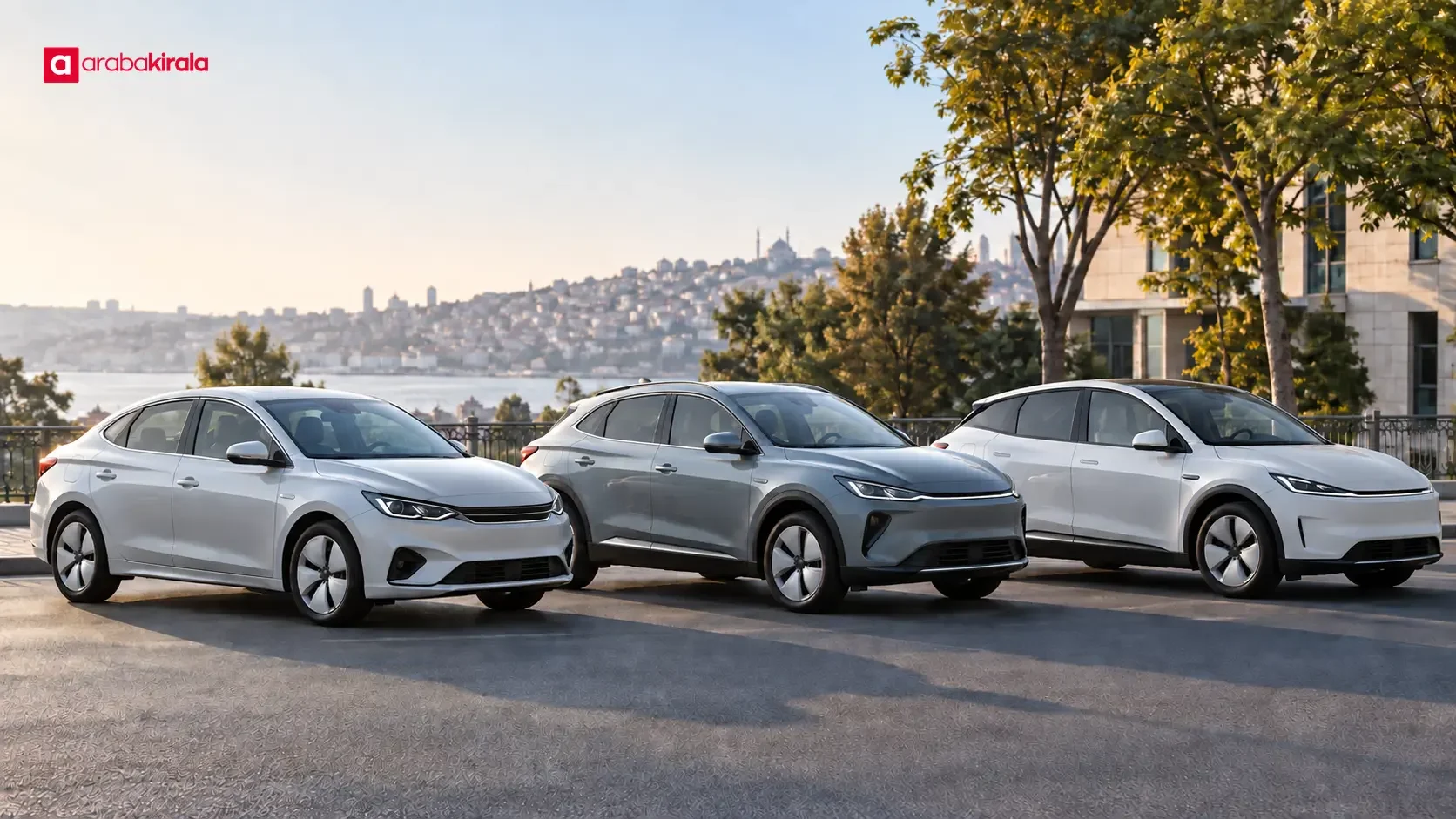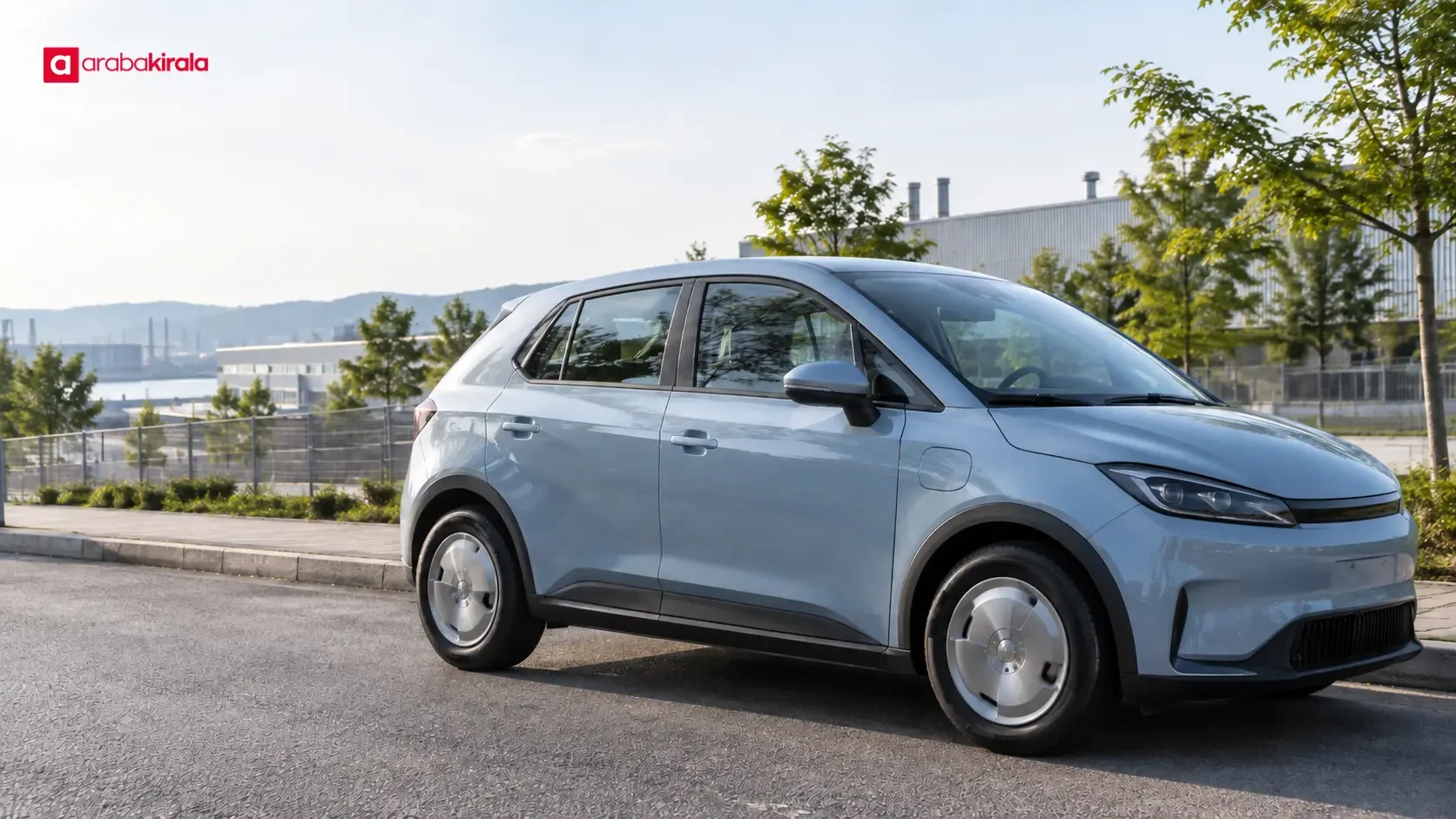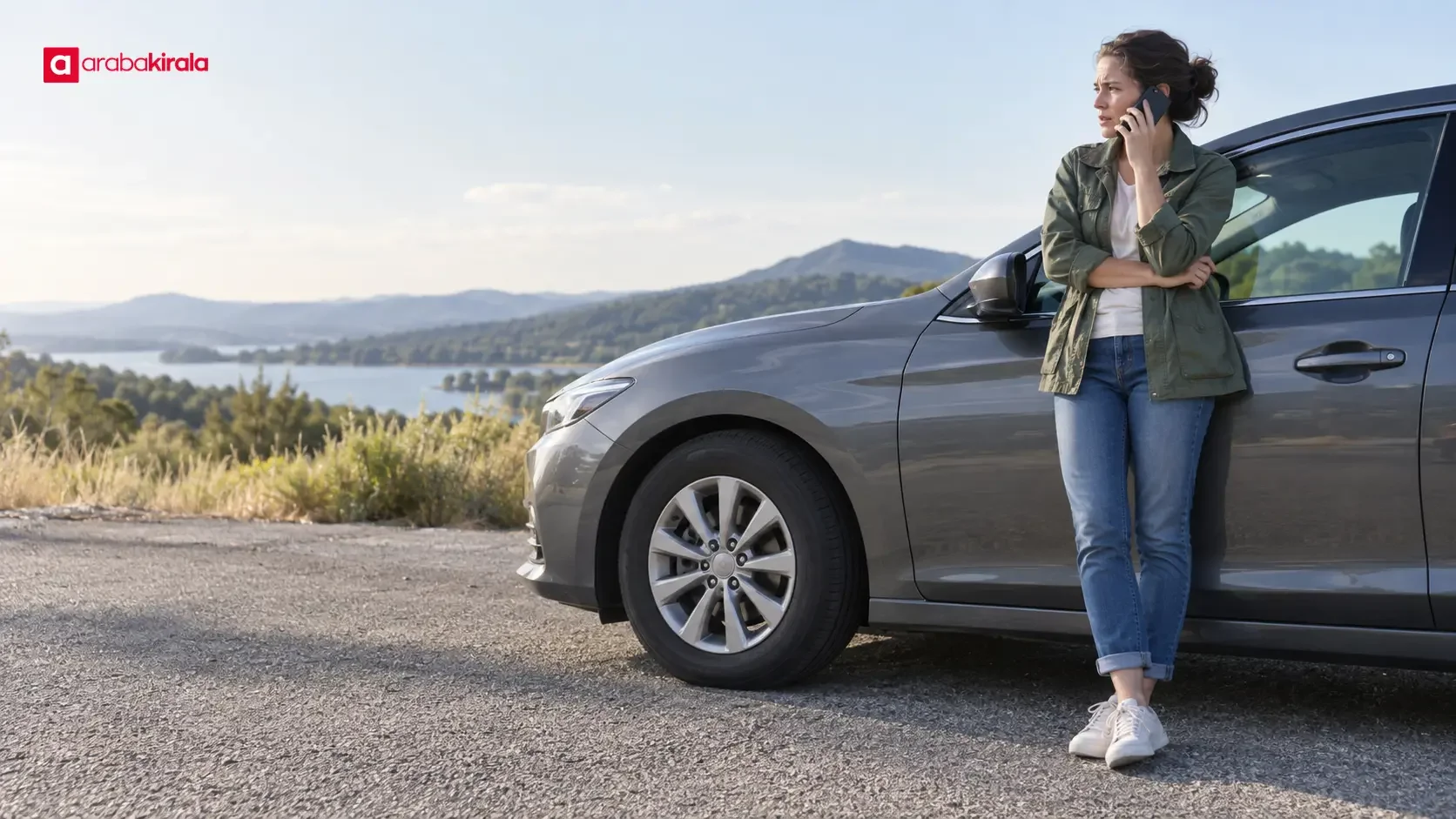
Planning Visibility and Parking When Renting a Car in Beylikdüzü
Published: October 5, 2026 • Reading Time: 6 min • Last Updated: October 5, 2026
Learn how to plan for visibility, parking space and vehicle size when renting a car in Beylikdüzü, with practical preparation and safe driving tips.
Contents
- Why visibility belongs in your travel plan
- Plan parking around your destination in Beylikdüzü
- Match vehicle size to the parking space
- Get familiar with the car before setting off
- Adapt driving when visibility is reduced
- A practical checklist before booking and travelling
- Frequently asked questions
- Should I arrange parking in advance when renting a car in Beylikdüzü?
- Are parking sensors or a camera enough to park safely?
- Which type of car is easiest to park?
- Next step: plan the route and parking together
When renting a car in Beylikdüzü, plan for more than the destination. Visibility along the route and the space where you will park can shape which vehicle is practical and how much time you need. This guide explains how visibility affects driving decisions, how to assess parking before you set off, and what to check when matching a vehicle to your route. Use it to make a concrete plan before booking and to get familiar with the car before driving away.
Why visibility belongs in your travel plan
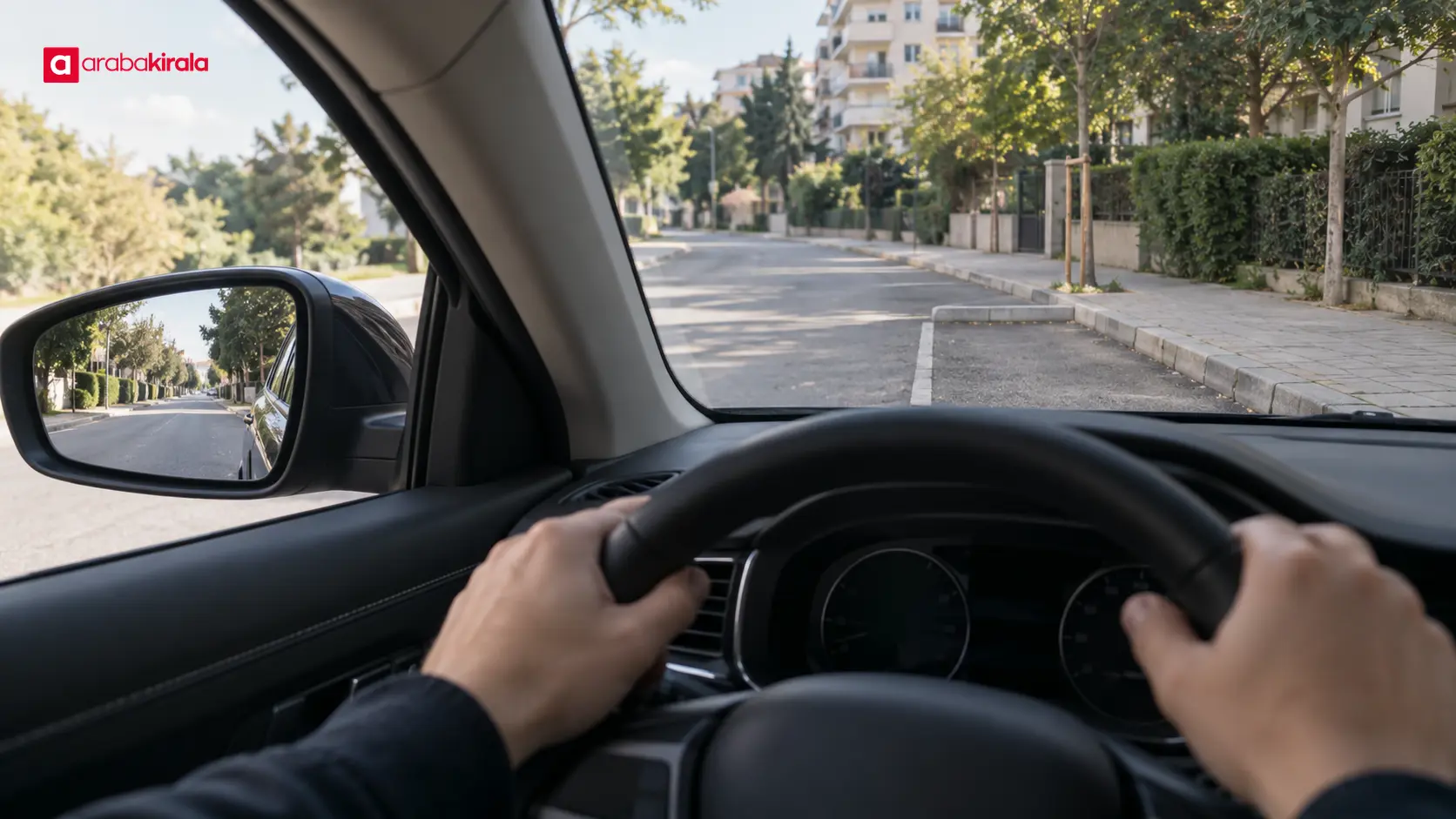
Visibility is the distance at which a driver can see the road, signs and surrounding movement well enough to make decisions. Rain, fog, darkness, glare from oncoming headlights, dirty glass and condensation can all reduce it. When visibility drops, it takes more attention to spot a hazard and decide whether to slow down or change course. Consider the time of day, expected weather, street lighting and traffic when planning a route.
Visibility also matters when looking for a parking space. Searching for an opening in a narrow or busy street can prompt rushed decisions. Checking parking options near your destination in advance can leave more attention for observing the road. Maps and venue information may help, but live availability can change, so check current details before arrival when possible.
Plan parking around your destination in Beylikdüzü
Parking conditions may differ between residential areas, workplaces, shopping destinations and places near the coast. The presence of an open or indoor car park nearby does not mean there will be space at every hour or that every vehicle will fit. Identify your precise destination and look into lawful parking choices in the surrounding area. If a car park has restrictions on entrance width, turning room or vehicle height, check them in advance, especially when considering a taller or wider vehicle.
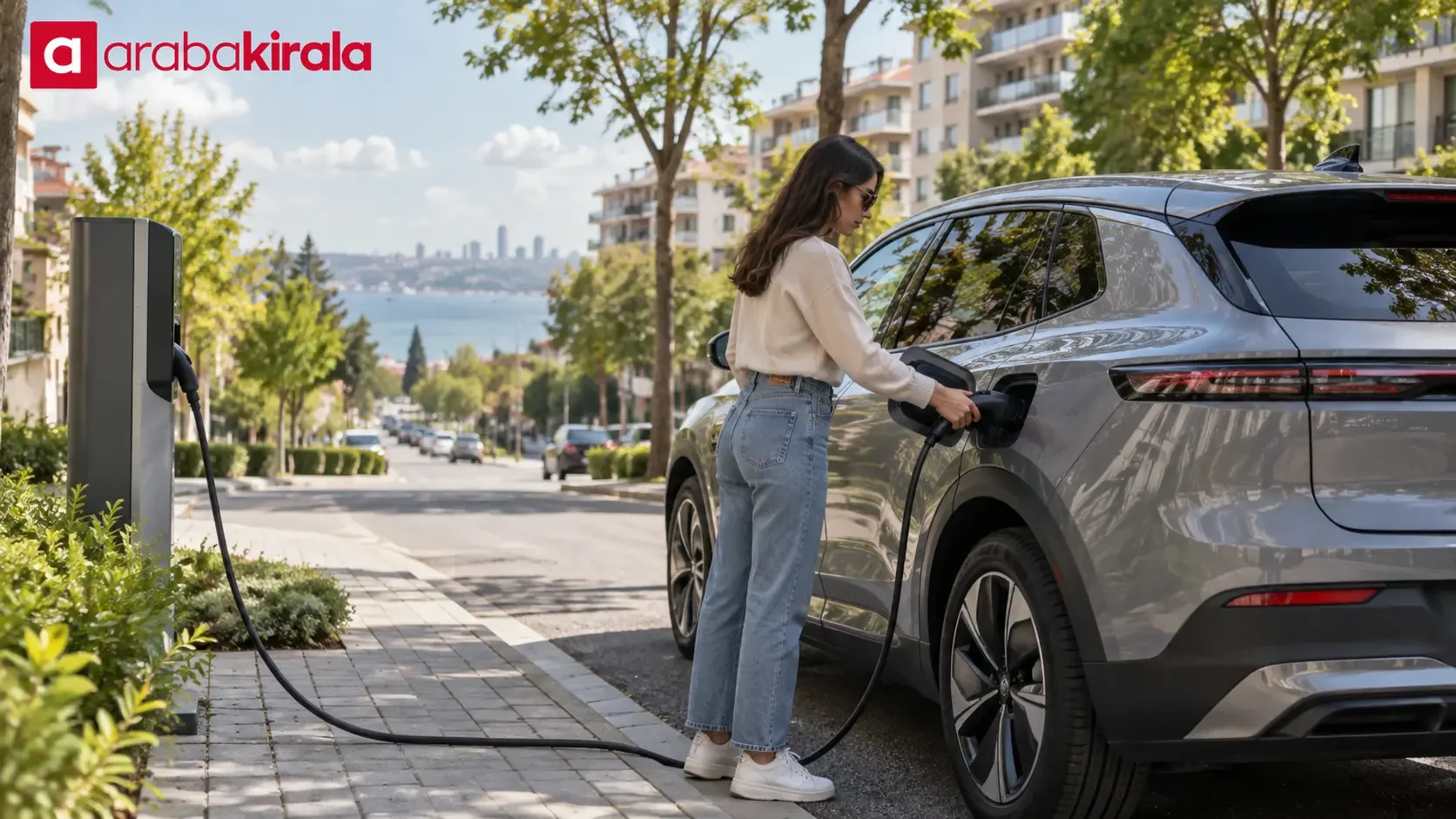
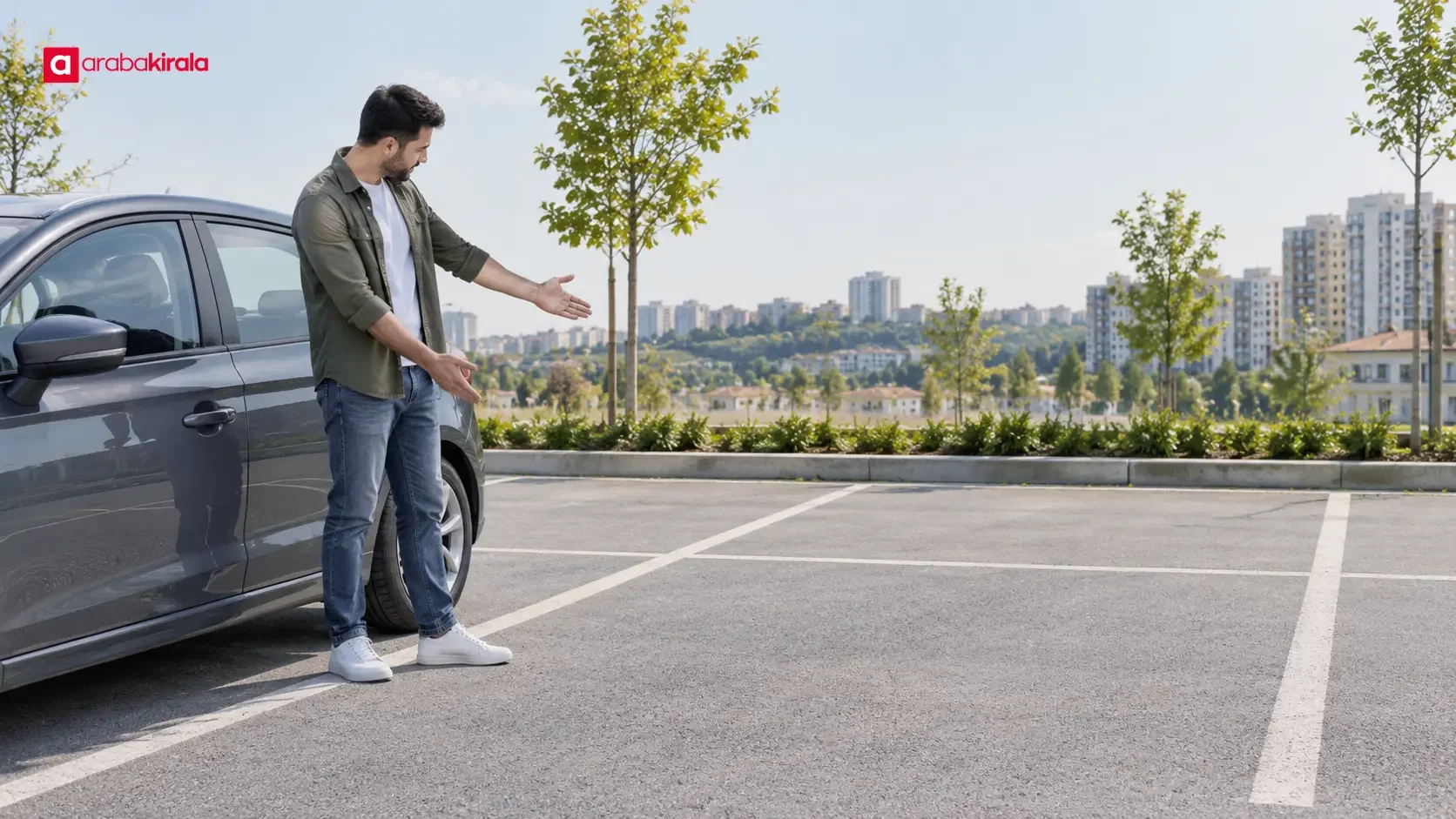
Choosing a parking place involves more than finding an empty bay. Look for a place where the car can be left safely, access is manageable and the walk to your destination is reasonable. If you plan to park on a street, follow local signs and restrictions; do not obstruct sightlines, pedestrian access or traffic. In an indoor car park, noting the level and the route to the exit can make it easier to find the vehicle and leave later.
Match vehicle size to the parking space
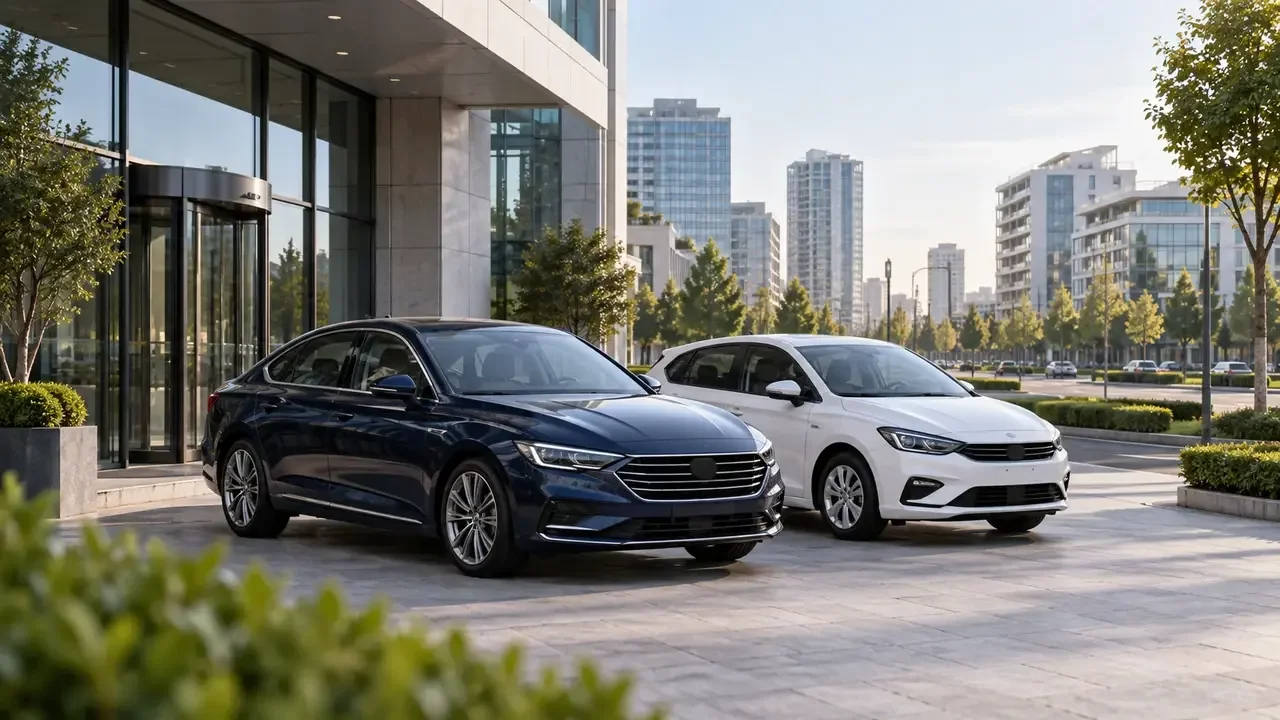
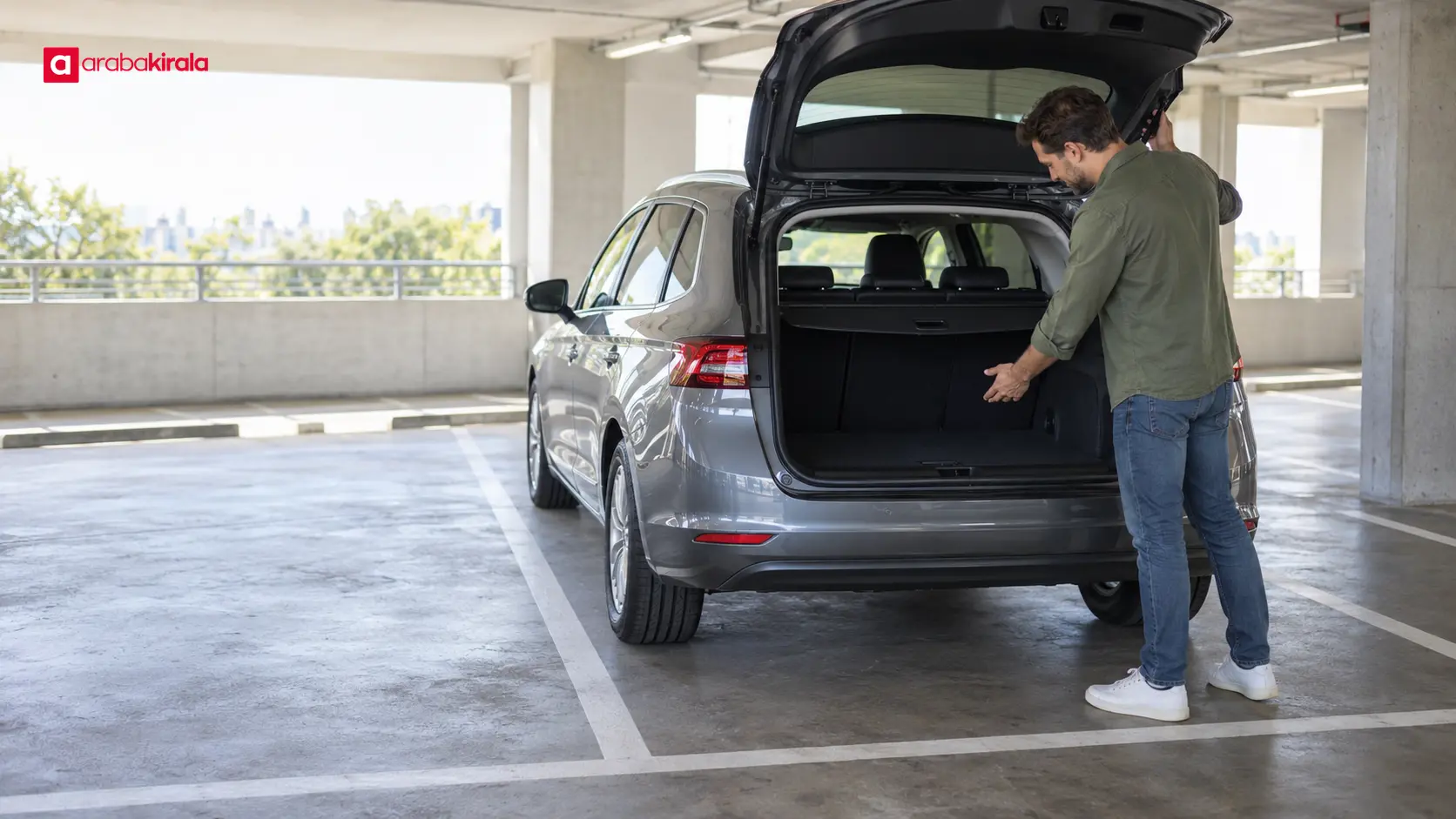
Alongside passenger and luggage capacity, consider the spaces you expect to use. A longer or wider vehicle can leave less room to manoeuvre or open doors in a tight bay. A tall vehicle may also be unsuitable for a car park with a low entrance clearance. On the other hand, a small car may not meet your passenger or luggage needs. Weigh passenger count, the shape of your luggage, your route and parking conditions together instead of choosing on a single measurement.
Before booking, ask about the vehicle category and the car that will be supplied. Do not assume that a particular model is guaranteed; dimensions and equipment can vary within a category. If your parking space has a height, length or width limit, discuss vehicle suitability with the branch you plan to rent from. This is general planning guidance, not a promise that a particular car will fit every car park.
Get familiar with the car before setting off
Adjust the seat, steering position and mirrors to suit your posture before driving. Check the forward, side and rear views, and make sure the windows are clean and clear of condensation. If the car has a reversing camera or parking sensors, treat them as extra aids rather than replacements for mirrors and direct observation. The display may show only part of the area, and sensors may not detect every obstacle. In a calm, safe place, take a moment to learn the turning circle, braking response and overall dimensions.
At pickup, review visible scratches, dents and other marks with the staff member and ask how the handover record is made. Comparing the odometer and fuel level with the pickup and return records can help document the car’s use. Report any damage or fault that could affect visibility before setting off. For pickup-specific matters, such as how the inspection is recorded or whether a particular arrangement is available, ask the branch.
Adapt driving when visibility is reduced
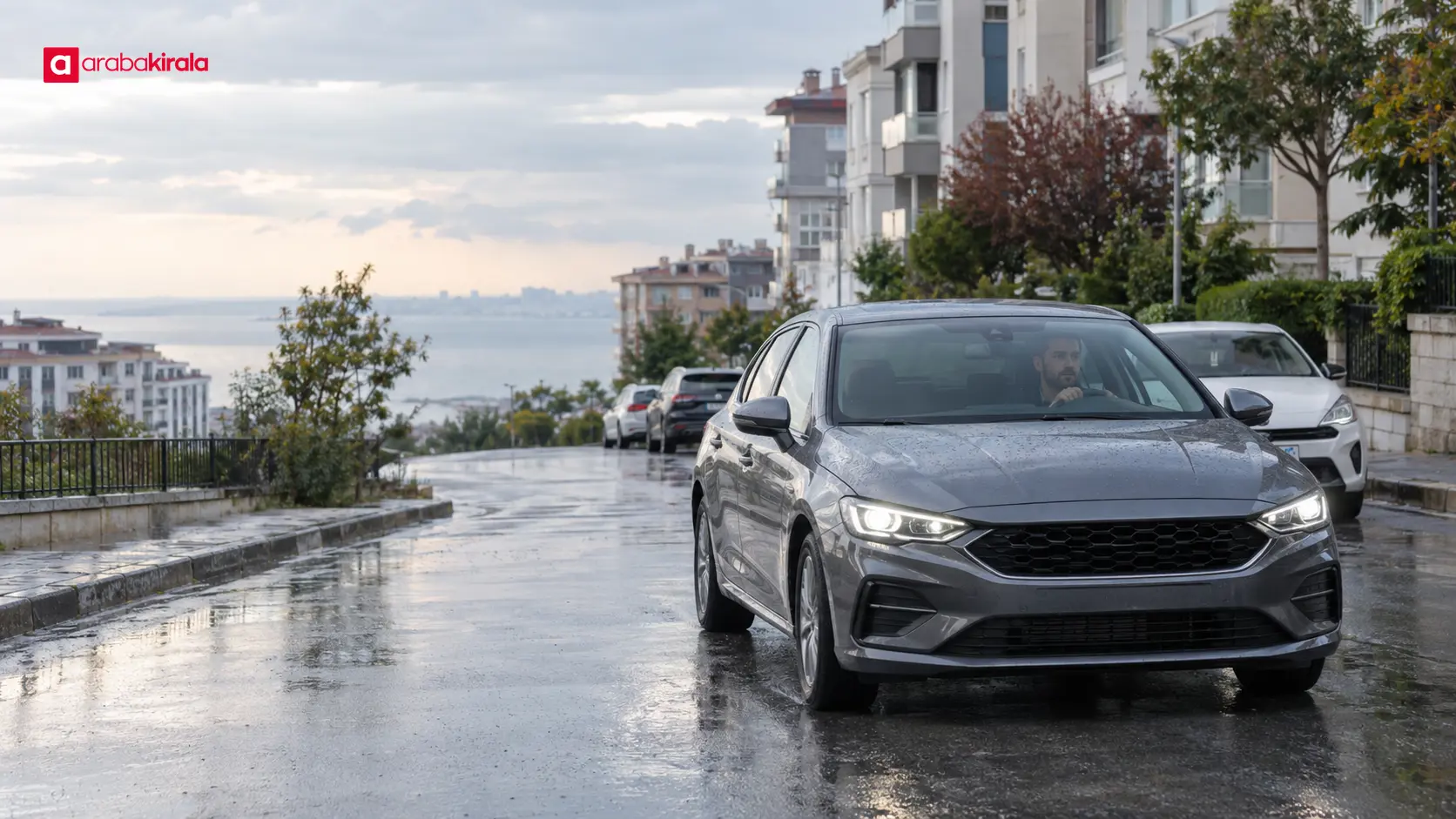
If rain or fog begins, reduce speed to suit visibility and road grip, leave more distance from the vehicle ahead and avoid sudden manoeuvres. Use the ventilation and demisting controls as described in the vehicle’s manual. If the wipers cannot clear the view or lighting is inadequate, stop in a safe place and assess the situation. When visibility is seriously restricted, wait for conditions to improve instead of continuing. Use headlights and other lights as intended for the vehicle; do not use hazard lights indiscriminately while moving.
Maintain visibility while parking, too. Before reversing, check around the vehicle, use the mirrors and, if needed, get out to inspect the space safely. A camera may not show every low obstacle, pedestrian or approaching vehicle. Move slowly, check the surroundings again when changing direction, and look for another space if there is not enough room to manoeuvre.
A practical checklist before booking and travelling
- Identify key stops along your route and nearby parking choices; confirm current access and availability separately.
- If using an indoor car park, check restrictions such as entrance clearance and space dimensions.
- When choosing a vehicle category, balance passenger and luggage needs with bay width, turning space and walking distance.
- Confirm branch-specific details, such as vehicle dimensions, pickup timing or parking suitability, directly with the place where you will rent.
- At pickup, check mirrors, windows, lights, visible tyre condition and dashboard warnings; report concerns before moving off.
- If rain, darkness or heavy traffic is expected, allow extra time and prepare the route in advance so you do not need to study a screen while driving.
Frequently asked questions
Should I arrange parking in advance when renting a car in Beylikdüzü?
That depends on your destination, travel time and the parking facility. If you need to use a specific car park, check its access, capacity and operating information using current sources. Do not assume advance reservations are available everywhere.
Are parking sensors or a camera enough to park safely?
They can help with manoeuvring, but they do not replace the driver’s checks. Their view can be limited, so use the mirrors and look directly around the car to spot small, low or moving obstacles.
Which type of car is easiest to park?
Ease of parking depends on vehicle dimensions, visibility, manoeuvrability and the size of the space. Choose a category that meets your passenger and luggage needs and suits the places you expect to park. Ask your rental branch for specific dimensions or information about the car to be supplied.
Next step: plan the route and parking together
For a Beylikdüzü car rental parking plan, first identify parking options along your route and any physical access limits. Then choose a vehicle category for your passengers and luggage, allow time for visibility conditions, and learn the car’s visibility aids at pickup. City or location pages can be a starting point for route research; confirm current parking details and rental arrangements with up-to-date information and the branch you plan to rent from.
Legal Disclaimer: All content, articles and information on the Araba Kirala website are provided solely to inform users. No information shared on this website constitutes definitive advice or guidance. Araba Kirala Teknoloji A.Ş. and its authors cannot be held responsible for any direct or indirect damages arising from the application of information on the website. For all questions and requests regarding car rental, please contact the office from which you will rent your vehicle.