Preparing for Coastal Winds When Renting a Car in Beylikdüzü

Published: October 8, 2026 • Reading Time: 6 min • Last Updated: October 8, 2026
Learn how wind can affect driving on exposed coastal roads in Beylikdüzü, what to check at pickup, and how to make safer route and driving decisions.
Contents
- How coastal wind can affect driving in Beylikdüzü
- Prepare the car and route before departure
- Make a visual check at pickup
- Consider the forecast and route together
- Drive steadily on exposed roads
- What to do if the wind strengthens
- What to confirm with the rental branch
- A short checklist and next step
- Frequently Asked Questions
If you are searching for Beylikdüzü car rental in coastal wind conditions, it helps to plan for both exposed roads and the vehicle’s condition at pickup. This guide explains how wind may influence a car, what to check before setting off, how to drive more predictably, and which vehicle or reservation details to confirm with the branch you will rent from.
How coastal wind can affect driving in Beylikdüzü
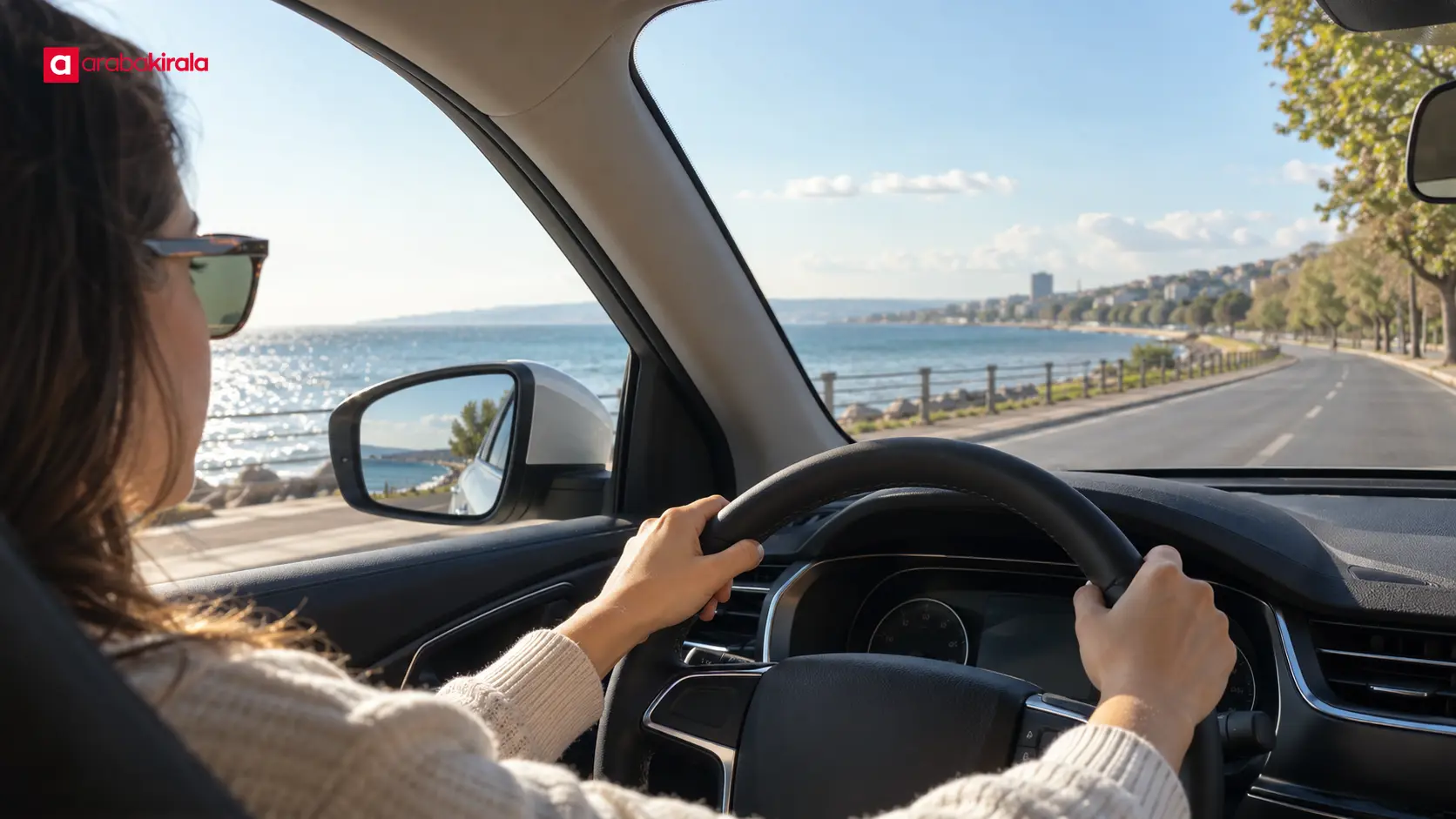
Wind’s effect depends on more than how strong it feels. Its direction relative to the vehicle and the layout around the road also matter. A headwind can make progress feel slower, while a tailwind may affect how quickly speed seems to build. A crosswind can nudge the vehicle from its intended line. The effect may feel different when moving from an open stretch into an area sheltered by buildings, so make small, smooth steering corrections and avoid abrupt inputs.
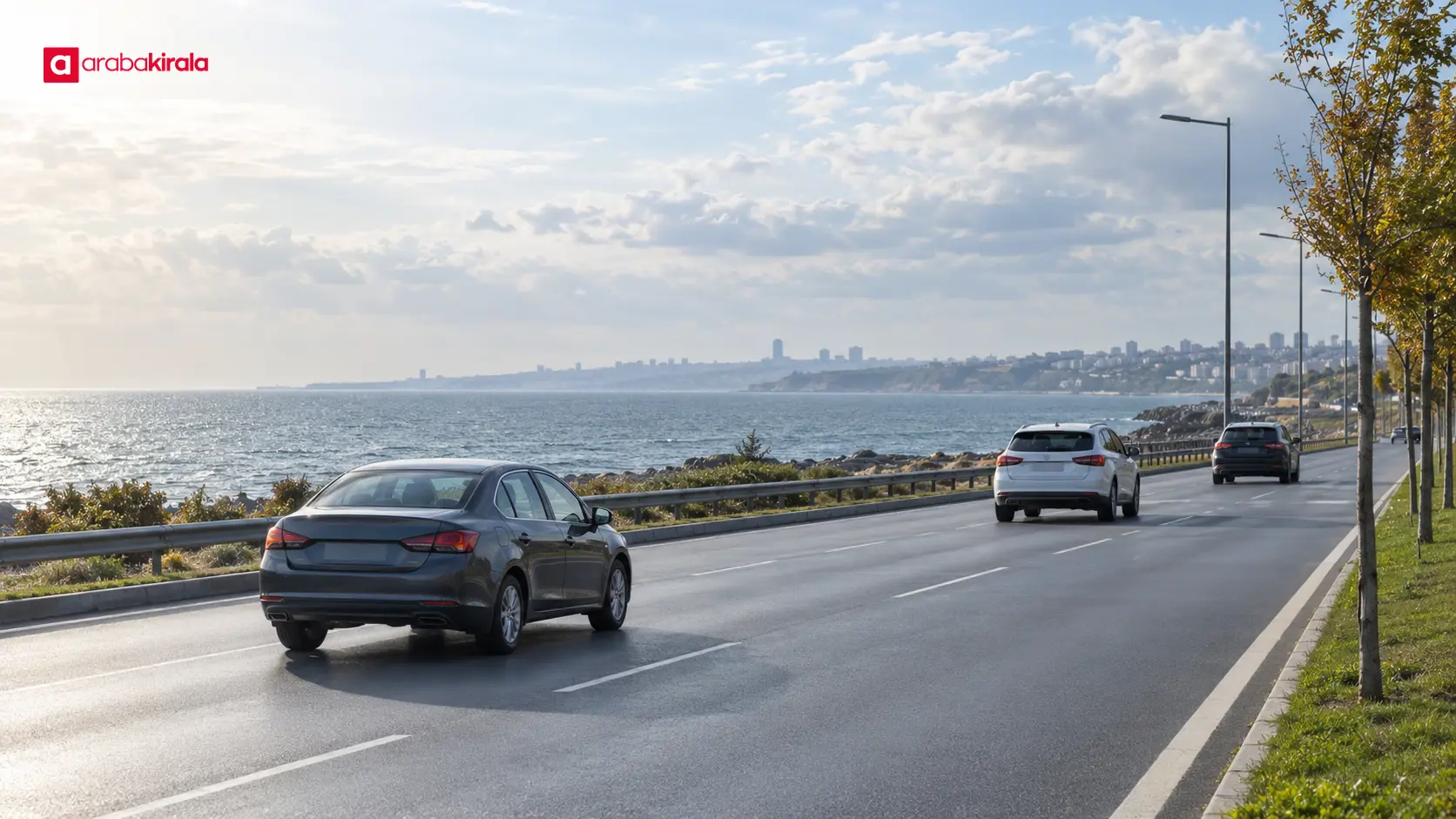
Coastal roads, broad junctions, bridges, and stretches with little vegetation or construction to block the wind can feel more exposed. That does not mean the same road will always be windy. Direction and strength change over time, which is why checking a current forecast before departure is useful. If you see a crosswind warning sign, reduce speed and take extra care when considering an overtake.
Prepare the car and route before departure
Make a visual check at pickup
When collecting the car, inspect the exterior with the staff member and make sure the pickup record reflects any visible scratches, dents, or broken parts. Look at the visible condition of the tires, confirm the doors close properly, and check the windows and wipers. Before driving in windy weather, stow loose items inside the cabin and make sure the doors and trunk are fully closed.
Learning the controls during handover helps keep your attention on the road later. Ask how to use the lights, demisting, wipers, indicators, and dashboard warnings. If a warning light is on or a tire has an obvious issue, tell the branch before driving and clarify what to do next.
Consider the forecast and route together
Check the wind direction and expected changes, not only the temperature. Forecasts can differ across short distances; for a longer journey, check again close to your departure time. If you do not need to follow the coast, you may be able to choose a more sheltered, familiar route. Reviewing whether the suggested route includes open, exposed sections can reduce the need for sudden changes while driving.
Allow enough time for the trip. Windy conditions may call for a lower speed or a short wait in a safe place. Pressure to arrive quickly can undermine safe spacing and careful decisions. If conditions become significantly worse, postponing the drive or waiting somewhere safe can be wiser than pressing on.
Drive steadily on exposed roads
- Hold the wheel with both hands: A crosswind may cause small changes in direction. Make gentle corrections while watching the road instead of reacting with sharp steering movements.
- Adjust speed to conditions: Follow road warnings and account for visibility, surface, traffic, and wind. The posted limit is not a target speed when conditions call for slower travel.
- Keep a safe following gap: Leave enough room to react if the wind shifts or traffic slows suddenly.
- Be cautious when passing: Airflow may change when you pass a large or tall vehicle, or when one passes you. Do not begin an overtake unless visibility and space are adequate.
- Keep your hands on driving: Set navigation before moving and do not adjust a phone or loose item while driving. If you need to change something, stop somewhere safe.
A crosswind warning sign tells drivers to reduce speed and avoid overtaking the vehicle ahead. Such signs may be used on exposed sections, including high bridges and embankments. When you see one, observe the surroundings, slow down gradually, and keep the vehicle steady in its lane.

What to do if the wind strengthens
If keeping the vehicle in its lane becomes noticeably difficult, visibility falls, or you see objects that could enter the roadway, do not force yourself to continue. Follow traffic and road signs to reach a suitable safe stopping place; avoid narrow shoulders or locations with poor visibility. Once parked safely, check the forecast again and contact the branch you rented from if you need guidance about the vehicle.
Branches, lightweight materials, or other obstacles may be close to the road in windy conditions. A sudden swerve to avoid them can create a greater hazard. Scan well ahead, reduce speed, and wait at an appropriate place if there is no safe way through. If the car is damaged or a mechanical warning appears, report it through the contact channel provided in your rental paperwork.
What to confirm with the rental branch
Vehicle classes and handover arrangements can vary by branch or reservation, so ask the office you will rent from about details that matter to your plan. Confirm the basic equipment you need for the intended route and how vehicle condition is recorded at pickup and return. When choosing a class, consider not only passenger and luggage capacity but also whether you can comfortably manage the vehicle.
At pickup, check that the odometer and fuel level match the recorded starting condition. These readings help document the vehicle at the beginning and make a later comparison possible. Photos taken at pickup and return, with the date and time, can also help document the condition. Point out any pre-existing damage and make sure it appears in the handover record.
A short checklist and next step
- Check the forecast and any official warnings close to departure.
- Inspect the exterior, tires, doors, windows, and dashboard indicators at pickup.
- Review the route for open, wind-exposed sections.
- On the road, reduce speed to suit conditions, leave space, and avoid abrupt maneuvers.
- Confirm reservation- and vehicle-specific details with the branch you will rent from.
Preparing for coastal wind when renting a car in Beylikdüzü is mainly about monitoring conditions, checking the car carefully, and adapting decisions to the road. Set your route before departure, confirm relevant vehicle and handover details with the branch, and update your speed and plan as wind and traffic conditions change.
Frequently Asked Questions
Where is coastal wind most noticeable while driving?
Wind can feel more pronounced on open stretches with few buildings or trees to shelter the road. A crosswind may affect the vehicle’s direction, and airflow can change between buildings. Watch road signs and how the car responds, then adjust your speed.
What should I consider when choosing a rental car for windy weather?
Choose a vehicle class that you can manage comfortably and that suits your passenger and luggage needs. Classes and equipment can vary by reservation, so ask the branch about available options and features relevant to your planned use.
How should I respond to a crosswind warning sign?
Reduce speed gradually, keep a controlled grip on the wheel, and avoid overtaking the vehicle ahead. Follow traffic flow and avoid abrupt braking or sharp lane changes.
Should I continue driving if the wind is very strong?
If it becomes hard to keep the car in its lane, visibility drops, or hazards are present on the road, stop at a safe place and reassess. Check current weather warnings and contact the branch if you need support related to the car.
Which records should I check at pickup?
Compare the car’s visible condition and any existing damage, odometer reading, and fuel level with the handover record. Tell the staff about any mismatch before setting off and ask for the record to be corrected.
Legal Disclaimer: All content, articles and information on the Araba Kirala website are provided solely to inform users. No information shared on this website constitutes definitive advice or guidance. Araba Kirala Teknoloji A.Ş. and its authors cannot be held responsible for any direct or indirect damages arising from the application of information on the website. For all questions and requests regarding car rental, please contact the office from which you will rent your vehicle.