How Recycled Materials Are Used in Automotive Manufacturing
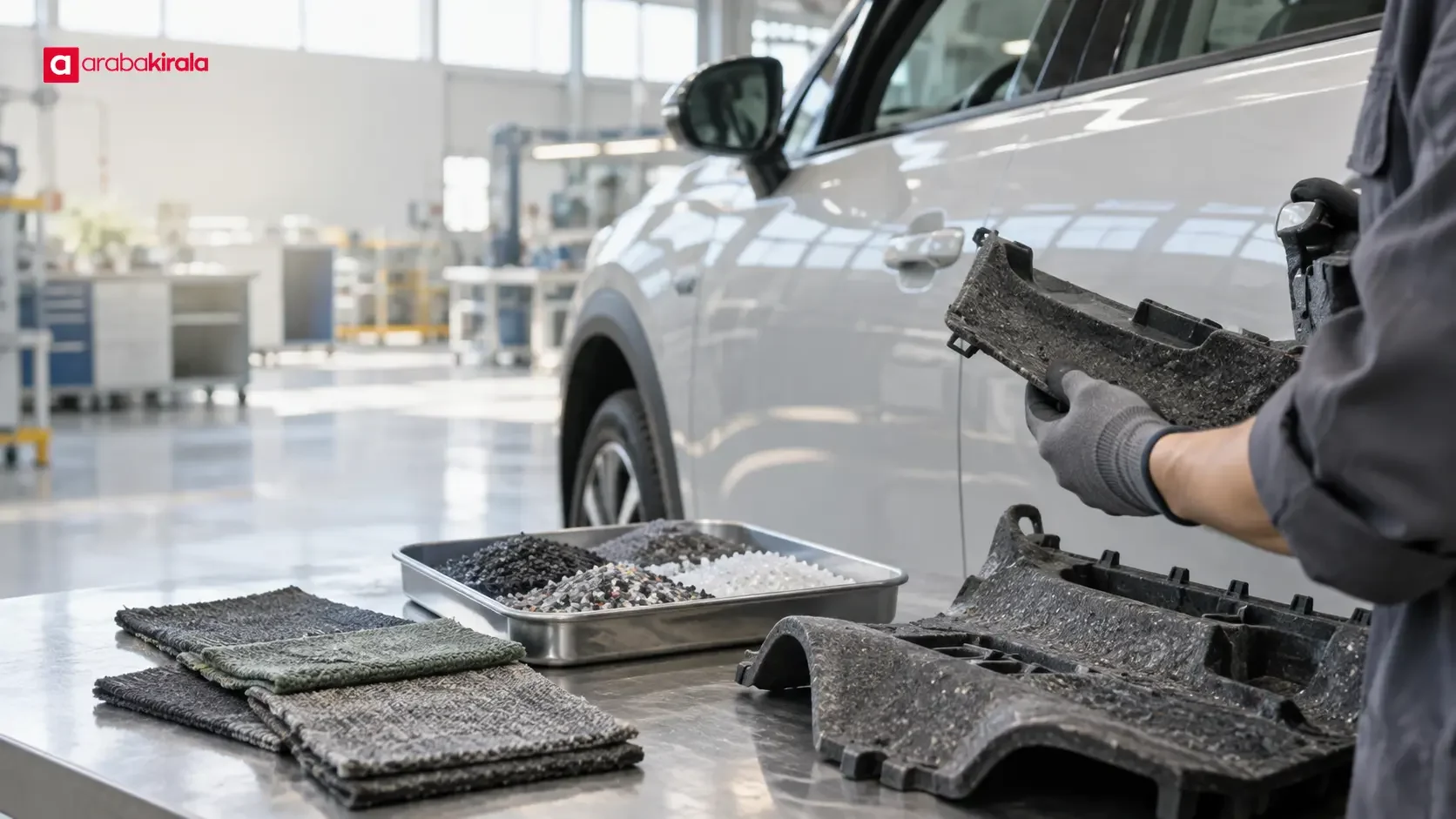
Recycled materials in automotive manufacturing are recovered resources processed for use in new vehicle parts. Metals such as steel and aluminium are familiar examples, while suitable plastics, textiles and manufacturing residues can also return to production after processing. Circular production is a broader idea: it considers how a vehicle and its parts are designed, made, maintained, repaired, reused and eventually separated so that useful materials can be recovered.
A vehicle combines many materials with different functions. A method that works for a clean metal offcut may not work for a mixed plastic part or a fabric bonded to foam. The source of a material, its properties and the way it can be separated at the end of its service life all matter. This guide explains where recycled content may fit in vehicle production, what circular design involves, and how drivers can interpret claims about materials without assuming that every vehicle or rental fleet has the same specification.
What does recycled material mean in a vehicle?
A recycled material comes from production scrap or from a product that has reached the end of its previous use. It is collected and processed so that it can serve as a raw material again. Examples include clean metal offcuts from manufacturing, plastic recovered from used products, or fibres reclaimed from textiles. The source and processing method affect the properties of the resulting material and the applications for which it may be suitable.
Recycled content is different from renewable content. Recycled content has been recovered from material that already existed as a product or production residue. Renewable content comes from a resource that can regrow or replenish under particular conditions. A plant-derived fibre is not automatically recycled: if it has not been recovered from a previous product or waste stream, it is renewable or bio-based rather than recycled. A component may use different types of content in combination when its design and technical requirements allow.
Production scrap and material recovered after use
Production scrap is created during manufacturing, such as offcuts left after a sheet is cut or shaped. When the material is clean and its type is known, it can be collected separately and returned to processing. If it is made into material for a similar product or the same production stream, the process is commonly described as closed-loop recycling. Keeping different material grades apart can help preserve the characteristics needed for a later application.
Post-consumer recovery begins with products that people have used and discarded. For vehicle materials, recovery may involve dismantling parts, identifying material types, separating them and removing contaminants. Plastics and textiles can be more difficult to sort when they are mixed with other substances or joined together. Recovered material does not always return to the same component. It may instead be used in another product, depending on its quality and the available processing route. The label recycled content alone does not explain where the material came from or where it will go next.
Which materials can be recovered for vehicle parts?
Steel and aluminium
Steel and aluminium are used in vehicle bodies and a range of mechanical and structural components. They can be recovered from scrap and processed into new metal products. The quality of this process depends in part on identifying material grades, separating different metals and limiting contamination. A part containing recycled metal still has to meet the technical requirements for its intended function; the origin of the raw material does not remove that need.
Clean manufacturing offcuts can be a useful feedstock when they are kept separate from incompatible grades. If materials with different compositions become mixed, it may be harder to produce metal with the desired characteristics. Circular production therefore begins before scrap reaches a recycler. Cutting layouts, collection systems and sorting procedures on a production line can influence how much material remains suitable for a new manufacturing cycle.
Plastics, textiles and composites
Vehicle plastics can serve in interior and exterior trim, housings and many smaller components. Different plastics have different chemical structures and additives, so they cannot all be processed in the same way. Identifying the polymer, sorting it from other materials and checking that the resulting feedstock suits its intended use are key steps. Manufacturers assess a material’s properties against the role of the component in which it may be used.
Reclaimed fibres may also be used in textiles such as seat fabrics, carpets, felts or insulation materials. Their suitability depends on qualities such as strength, wear behaviour and the conditions the finished part must withstand. Composites combine materials to provide particular performance characteristics, but their layers or fibres can be difficult to separate at end of life. Product design can therefore consider not just the function a component performs, but also whether it can be repaired, removed and sorted later.
How circular production considers a vehicle’s life
Circular production aims to keep resources useful for as long as practical. For a vehicle, it spans the sourcing of raw materials, design and manufacturing, maintenance and repair during use, possible reuse of parts, and recovery at end of life. These stages connect. A component designed for straightforward removal may be easier to repair, replace or sort into material streams later.
Design and manufacturing
Designers decide what a part must do, what conditions it will face and how it will be manufactured. Recycled content is an option only when the resulting material is appropriate for the component’s function and quality requirements. A design that avoids unnecessary permanent bonding between different materials, uses understandable connections and identifies material types can make later repair and separation more practical.
Manufacturers can also reduce material loss in production, collect clean scrap separately and assess whether suitable production residues can be used again. These measures are related to recycled content but are not the same thing. One puts recovered material into a new product; the other aims to use manufacturing resources more efficiently and prevent avoidable waste. Both can form part of a circular approach.
Use, maintenance and end of life
Keeping a vehicle in service includes following appropriate maintenance guidance and addressing problems before they lead to more extensive damage. A repair may extend the useful life of a component, but whether repair or replacement is appropriate depends on its condition and function. Safety-related parts should be assessed by qualified professionals using the vehicle manufacturer’s maintenance and repair information.
When a vehicle reaches the end of its useful life, parts and materials need to be assessed and separated through suitable handling processes. How easily components can be removed and identified is affected by their design and material markings. It is not safe to assume that every part can be reused or recycled: condition, material composition and available processing infrastructure all affect the outcome. Directing material into an appropriate recovery route helps prevent it from being lost in mixed waste.
What recycled content claims can and cannot tell you
A recycled-content figure can describe the share of a product or component that comes from recovered material. It does not, by itself, explain the full environmental impact of the vehicle. Collection, transport and processing also use resources, while durability, repairability, manufacturing methods and end-of-life treatment matter as well.
A vehicle that contains recycled material is not necessarily fully recyclable, and a recycled-content claim alone does not quantify a vehicle’s overall environmental benefit. The result depends on the material, production process, supply chain and the life cycle being assessed. To evaluate a specific environmental claim, look for information that explains what components are covered, how the figure was calculated and what evidence supports it. A general label or promotional phrase is not enough to establish a measurable outcome.
How drivers can assess material information
Decisions about recycled content are made in vehicle design and manufacturing. When researching a vehicle, the manufacturer’s information for the specific model can help clarify which materials or parts an environmental statement covers. Claims are easier to interpret when they identify the component, explain whether the source is production scrap or recovered material after use, and describe the basis of any stated proportion. Model specifications and reporting scopes can differ, so a broad brand statement is not a sound basis for ranking vehicles’ environmental impacts.
For a rental vehicle, the recycled-content ratio or exact material composition of its parts is not something that can generally be inferred from the rental service. Fleets may contain vehicles with different models, equipment and production years. If a particular material attribute matters, consult the manufacturer’s official technical or sustainability documents for the model, and ask the rental office whether the reservation identifies a specific vehicle or only a vehicle category. Do not assume that a sample model or class guarantees a particular material specification.
During everyday use, careful operation and attention to maintenance information are practical parts of preserving a vehicle and its components. If a rental vehicle displays a warning or has a problem that could affect safe operation, stop using it where appropriate and contact the rental office for instructions. Do not attempt an unapproved repair or make your own arrangements for work on the vehicle. This is general safe-use guidance; it does not establish any company-specific service procedure.
Circular use considerations for a rental car
Recycled content in a rental car should not be treated as a standard feature of a rental service. The actual vehicle may vary by model, trim and production year. If material composition is important to your choice, ask the rental office what vehicle information is available and whether the reservation confirms a particular model. For technical details about materials in a model, use the manufacturer’s official documents.
At handover and during the rental, observe the vehicle’s condition and report visible issues or warning indicators to the staff or office. This is not a way to verify recycled content; it helps establish the vehicle’s current condition and supports safe use. Ask the office how handover and return records are made, including how the odometer and fuel or charge level are recorded. These details can vary by location and reservation, so they should be confirmed with the office handling the rental.
Frequently asked questions
Are recycled materials safe in a new vehicle?
The safety of a component cannot be determined from the origin of its raw material alone. The material must be appropriate for its intended role and meet the manufacturer’s technical requirements and validation process. Material choice is assessed together with the design and function of the part.
Does recycled content mean the whole vehicle can be recycled?
No. Recycled content describes the recovered share used in a new product. Recovery at the end of a vehicle’s life is a separate process, influenced by design, material separation, part condition and the infrastructure available to handle it.
Why does closed-loop recycling matter?
In a closed-loop system, recovered material is directed back toward a similar product or manufacturing stream. Separating it near the source and processing it in a way that preserves useful properties may help retain its value. This approach is not suitable for every material or waste stream.
How can I find the recycled-content ratio of a rental car?
First identify the model and component you are asking about. Check the vehicle manufacturer’s official technical or sustainability information for the scope of the claim. Ask the rental office whether the reservation confirms a specific model and how vehicle details are provided. Do not assume that a statement about one model applies to every vehicle in a fleet.
Is circular production just recycling?
No. Recycling is one part of circular production. The approach can also include durable design, maintenance and repair that extend useful life, reuse of suitable parts, recovery of manufacturing residues and separation of materials after use.
Recycled materials can help return useful resources to automotive production, but they describe only one part of a vehicle’s material story. Circular production depends on connected decisions about design, manufacturing, maintenance, repair, separation and recovery. For readers, the practical approach is to assess technical claims by their stated scope and evidence, and to confirm rental-specific details with the office handling the reservation.
Legal Disclaimer: All content, articles and information on the Araba Kirala website are provided solely to inform users. No information shared on this website constitutes definitive advice or guidance. Araba Kirala Teknoloji A.Ş. and its authors cannot be held responsible for any direct or indirect damages arising from the application of information on the website. For all questions and requests regarding car rental, please contact the office from which you will rent your vehicle.