How to Read Vehicle Use Responsibilities in a Rental Agreement

Published: October 5, 2026 • Reading Time: 7 min • Last Updated: October 5, 2026
Learn how to review driver authorization, permitted use, damage reporting, and return records in a vehicle rental agreement, plus what to clarify with the branch.
Contents
- How to read responsibility clauses
- Who may drive the vehicle?
- Use restrictions and suitability
- Why the pickup record matters
- If damage, a fault, or a traffic incident occurs
- Clauses connected to costs and responsibility
- Return process and closing records
- Checklist before signing
- Frequently asked questions
- What does “authorized driver” mean in a rental agreement?
- Could a scratch that was already there become a responsibility issue?
- What should I do first after a collision or fault?
- Next step
Vehicle use responsibilities in a rental agreement explain who may drive, how the vehicle may be used, and what steps apply if damage or a fault occurs. This guide shows how to read those sections for driver authorization, use limits, pickup records, incident reporting, and return documentation. The aim is to identify what should be clear before signing, rather than to assume a particular rental company’s terms.

How to read responsibility clauses
For each clause, identify three things: who is responsible, which action or event the clause covers, and what process or record establishes what happened. A broad phrase such as “use the vehicle carefully” does not explain a procedure by itself. If the clause refers to a notice channel, a handover record, or a restriction on use, check where the document defines that detail.
Definitions, the main terms, and attachments may work together. If a word has a special meaning in the agreement, read its definition. A damage form, handover sheet, or equipment record may make a general clause more specific in practice. If two documents appear to conflict, do not fill the gap with your own interpretation. Ask for an explanation before signing and request that the answer be recorded in writing.
Who may drive the vehicle?
The driver section should make clear how the person named in the booking relates to everyone who will actually drive. The agreement may use terms such as listed driver, additional driver, or authorized user. Check which people those terms cover and what details are recorded at pickup. Do not assume another person can take the wheel; eligibility and recording steps may depend on the booking and branch. Confirm them directly with the branch where you will collect the vehicle.
This is more than paperwork. Correct driver records clarify who is collecting the vehicle and who the rental office should contact if an incident occurs. If the vehicle will be shared, confirm the authorized drivers before departure. Being a passenger does not, by itself, establish permission to drive.
Use restrictions and suitability
Use clauses can set boundaries on where, why, and under what conditions the vehicle may be driven. Look for clearly described restrictions or circumstances requiring prior approval. Check for topics that could affect your plan, such as geographic coverage, particular road conditions, cargo, or alterations to the vehicle. Do not treat an unmentioned use as automatically permitted. Confirm any planned use with the rental branch in advance.
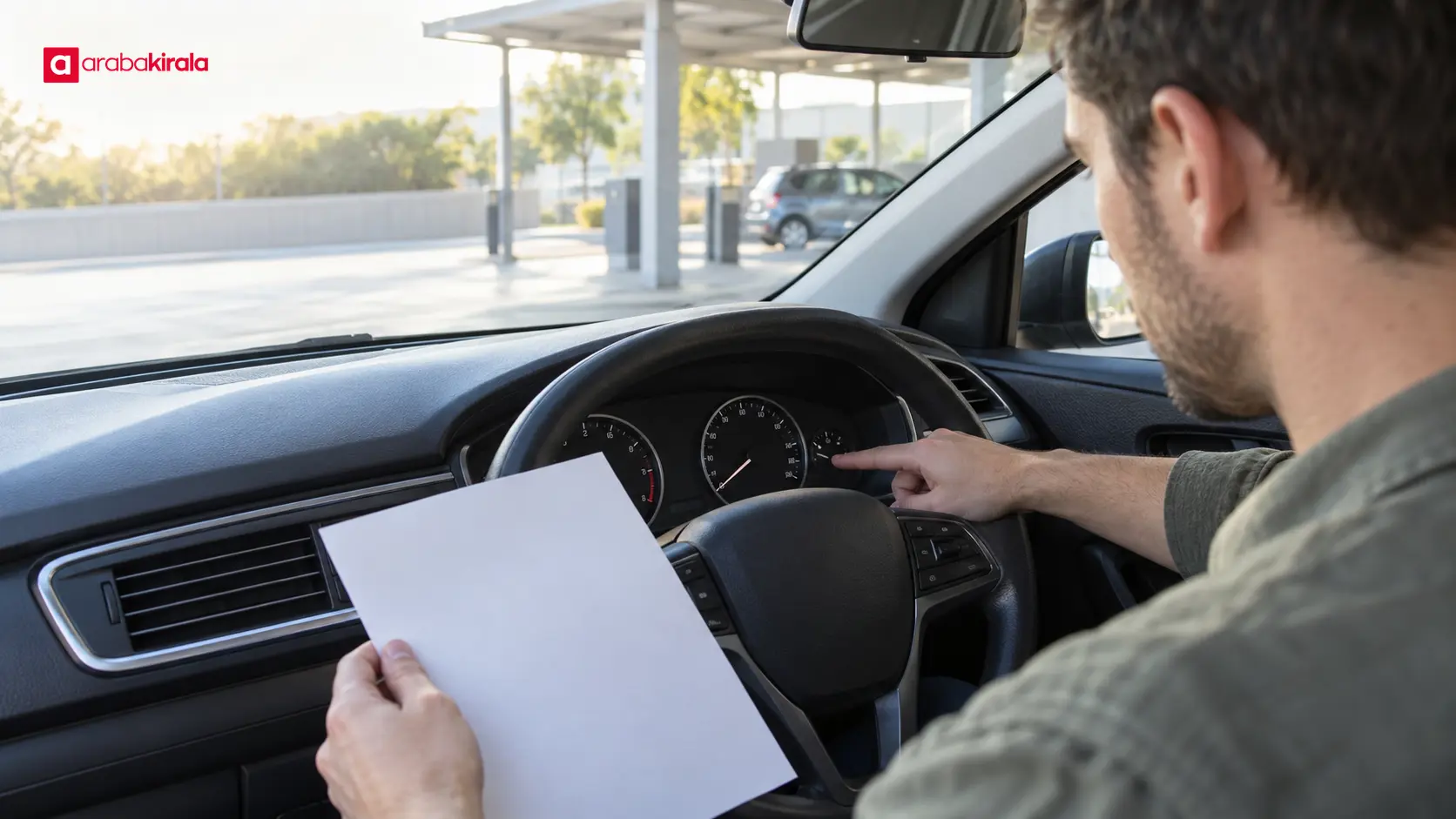
Knowing the vehicle’s controls is also part of responsible use. At pickup, learn the fuel type, transmission, parking brake, lights and wipers, dashboard warnings, and basic operation of any driver assistance features. Follow the owner’s manual and do not ignore a warning light you do not understand. In rain, snow, ice, or poor visibility, adapt speed and following distance to the road conditions. Safe driving matters on every trip, independently of the agreement’s financial terms.
Why the pickup record matters
Inspect the bodywork, windows, lights, wheels, and interior at pickup. Check how any visible scratch, dent, or missing equipment is described in the handover record. Photos can support the record, but they do not by themselves guarantee that existing damage was formally noted. If the document and vehicle differ, point it out before taking the vehicle and verify that the correction has been recorded.
The odometer and fuel level may also be part of the starting record. These readings help compare the documented condition at pickup and return; they do not establish a usage entitlement or charge on their own. Mileage limits, fuel arrangements, and related handling can vary by vehicle or booking. Read the relevant section and ask the branch how the terms and calculation apply to your reservation.

If damage, a fault, or a traffic incident occurs
Damage and breakdown clauses may cover different matters: who to notify, when to notify them, what documents may be requested, and how to keep the vehicle safe. If the agreement states a reporting time or contact method, make a note of it before departure. If an incident occurs, first protect people from immediate danger and use appropriate emergency services when necessary. Then follow the reporting steps in the agreement. Recording the vehicle’s condition and the time of the event can help make communication clearer.
Do not attempt a repair that could put you at risk or continue driving when the vehicle appears unsafe. Use the support channel stated in the agreement for guidance. Responsibility, damage assessment, and any associated costs depend on the circumstances and the actual terms. Do not infer coverage or an exemption from a general product name. Read the damage, insurance, and responsibility provisions together, and ask for unclear terms to be explained in writing.
Clauses connected to costs and responsibility
A responsibility section may link to charges or a damage assessment process. Check whether each potential charge explains the event that triggers it, the method of calculation, and the supporting record. A number printed without context may not tell you when it applies. Look for topics relevant to your trip, such as damage, fuel level, additional use, or a late return, and ask about any wording whose scope is unclear.
Read provisions that refer to protection or insurance with care. The document should distinguish covered risks, exclusions, conduct that may affect the outcome, and reporting duties. Do not assume that a product label means every type of damage is covered. Ask the branch what protection applies to your agreement and what steps are expected if an incident occurs.
Return process and closing records
Return the vehicle according to the location and method recorded in the agreement. If the return process is unclear, confirm it with the relevant branch. Inspecting the interior and exterior again helps you compare the vehicle with the pickup record and identify any new mark or missing equipment. Check that the odometer and fuel readings have been entered correctly in the return record. If you hand the vehicle to staff, keep the document or confirmation showing that the return was recorded.
Keep the documents sent after return with your booking materials. If a discrepancy needs explanation later, the pickup and return records, dated photos, and written messages can make the timeline easier to establish. These records do not automatically settle every disagreement; they help show what was documented and when.
Checklist before signing
- Is it clear who may drive and how authorized drivers are recorded?
- Does your planned route and use fit the agreement’s permitted-use wording?
- Are the reporting channel and records for damage or a fault described?
- Can you tell when damage, protection, exclusions, and possible charges apply?
- How will mileage, fuel, existing damage, and equipment be recorded at pickup and return?
- Have you obtained written clarification for any unresolved clause?
Frequently asked questions
What does “authorized driver” mean in a rental agreement?
It refers to the people the agreement or booking record permits to drive. Its scope depends on the document’s definitions and the recorded details. Ask the branch how to add or confirm anyone who will share the driving.
Could a scratch that was already there become a responsibility issue?
The pickup record matters because it documents the vehicle’s starting condition. Check that any mark you notice is shown in the handover document and request a correction before departure if needed. Keep photos as supporting evidence.
What should I do first after a collision or fault?
Protect people first. Then follow the agreement’s notification and support steps. Contact emergency services when the situation requires it, and do not continue using a vehicle that is unsafe.
Next step
Read the agreement under five headings: driver authorization, use restrictions, damage and fault reporting, cost-related terms, and return records. Note unclear language before pickup and ask the branch for a written explanation that applies to your booking. Checking the vehicle’s starting condition together and keeping the records makes responsibilities easier to track throughout the rental.
Legal Disclaimer: All content, articles and information on the Araba Kirala website are provided solely to inform users. No information shared on this website constitutes definitive advice or guidance. Araba Kirala Teknoloji A.Ş. and its authors cannot be held responsible for any direct or indirect damages arising from the application of information on the website. For all questions and requests regarding car rental, please contact the office from which you will rent your vehicle.