Choosing a Child Seat for a Rental Car: Age, Height and Fitting
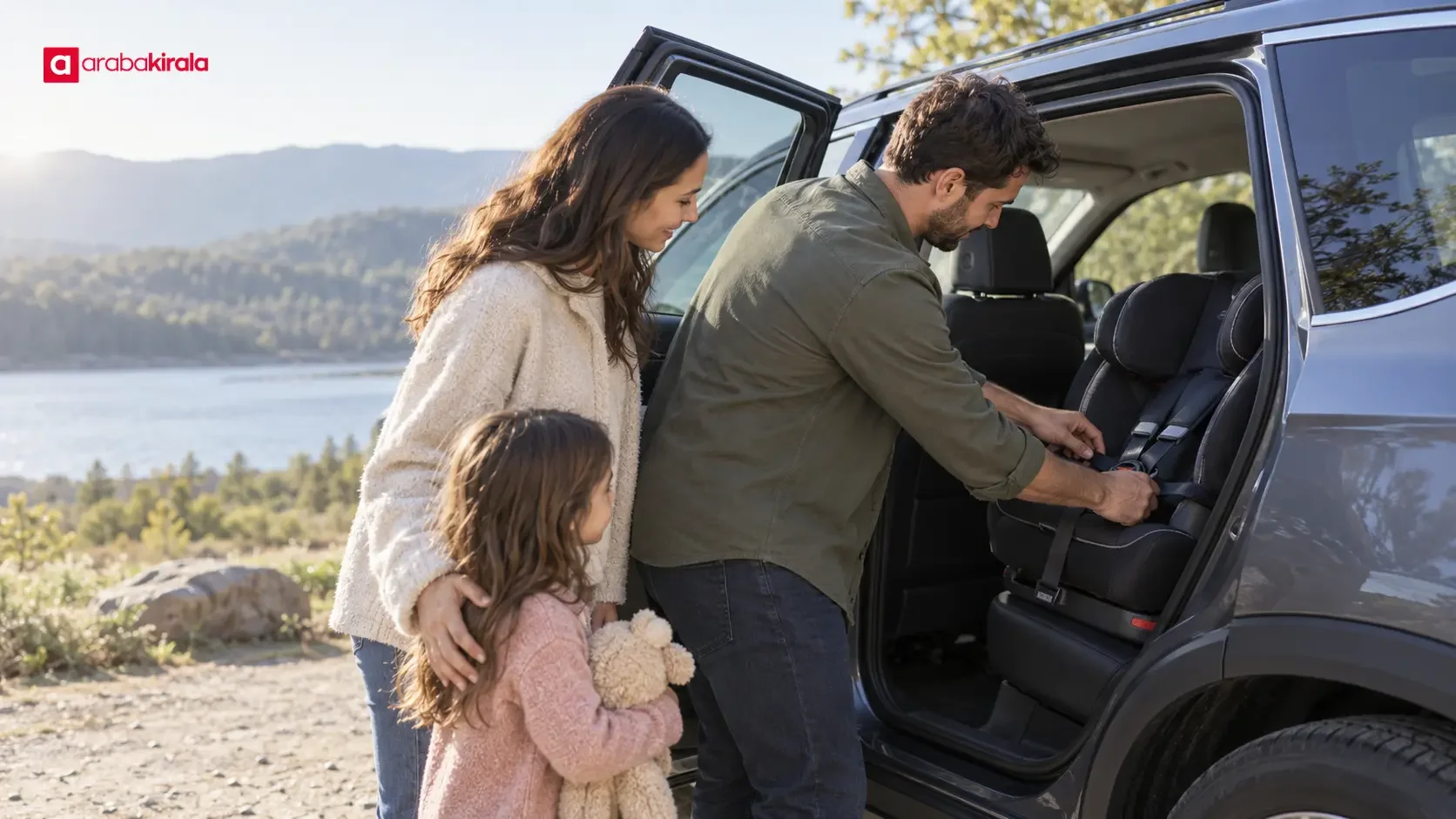
Choosing a child seat for a rental car takes more than knowing a child’s age. Height and weight, the seat’s approved size range, its attachment method and the layout of the particular car all matter. A suitable match helps the child sit as intended and lets the seat’s restraint system work according to its instructions. Before booking, ask the branch you will rent from which seat types are available and whether they can be fitted in the vehicle you will collect. Check the seat yourself at handover as well.
Why age, height and weight work together
Age gives useful context about a child’s development, but children of the same age can differ considerably in size. The height and weight range printed on the seat label or given in the manufacturer’s manual is therefore central to selection. If a child is outside the stated range, the seat’s position or the way its harness fits may no longer be appropriate. Asking only “what age is this seat for?” can leave out information needed to make a sound choice.
Read the seat’s approval markings and instructions. The manual explains the permitted size range, which direction the seat may face and how to adjust its harness. If the label is unreadable or the model and instructions are unclear, do not guess about fitting. Ask the rental branch for the product information and whether a clear manual is available.
Infant seats, child seats and booster seats
Infant seats are designed for the size and posture of very young babies; some models are installed rear-facing. Child seats may be installed rear-facing or forward-facing depending on the specific model and its instructions. A booster raises a child so that the vehicle’s three-point seat belt can lie across the body in the intended positions. These options are not interchangeable at will. Match the child’s measurements to the seat’s limits, then follow both the seat and vehicle manuals.
If a child is nearing the upper limit of their current seat, do not base a move to another type on age alone. Check all the limits in the manufacturer’s instructions and how the belt sits on the child. With a booster, the shoulder belt should not cross the neck or face, and the lap portion should not rest over the abdomen. Route the belt through the guides specified in the manual. If the fit is poor, reassess the seat and belt arrangement.
ISOFIX and seat-belt installation
ISOFIX connects a compatible child seat to dedicated anchor points in the vehicle. It can make attachment straightforward, but you should not assume that every vehicle has ISOFIX in every seating position. The presence of ISOFIX labels alone also does not confirm that a particular seat is compatible: the vehicle and seat manufacturers’ instructions must allow that installation. If the seat requires an additional top tether or support leg, check that the vehicle and seat have the required components and that their use is permitted.
For a seat installed with a vehicle belt, route the belt through the path marked on the seat and tighten it as directed. A belt routed through the wrong path, left loose or pressed against a hard part of the seat buckle does not indicate a correct fit. Neither method is universally better: use the method allowed by the instructions for the specific car and seat. Even the same seat model can fit differently across vehicle seating positions.
Check the fit on the rear seat
The seat must do more than connect to an anchor; it must be secured in the position intended by its manufacturer. The shape of the seat cushion, backrest angle, head restraint, belt buckle location and front-seat position can all affect the installation. For a model with a support leg, check whether there is an appropriate floor area for it. If the child seat moves beyond the limits in its manual, sits at the wrong angle or makes another seating position unusable, reassess the fit.
Knowing a vehicle category at booking does not by itself confirm compatibility: rear-seat layouts vary. Tell the branch the child’s height and weight, the direction the seat needs to face and the preferred attachment type. Ask what happens if the vehicle provided at handover changes and whether the selected seat can be fitted in it. Do not assume that a particular model or attachment will be available for every booking; confirm the suitable option with the branch you will collect from.
What to check when the seat is handed over
- Model and condition: Read the model label and instructions. Before use, tell the branch about any visible cracks, damage, worn straps, broken buckles or missing parts.
- Installation method: Confirm whether the seat uses ISOFIX, the vehicle belt or another attachment specified in its manual. Check that all required connectors and parts are present.
- Securing the seat: Install it according to the instructions, then check the attachments and movement. Use the movement limit stated by the manufacturer; do not apply a single “must not move at all” rule to every model.
- Child’s fit: Seat the child and adjust the harness or vehicle belt according to the manual. Make sure straps are not twisted, the buckle closes and the restraint lies correctly against the child.
- Adjustments and access: Check whether the head support, recline and harness height are suitable. Not every seat offers every adjustment, so use the instructions for that model.
If you are unsure about the installation, do not experiment while the car is moving. Check the seat and its attachments before setting off. If the instructions are unclear, ask the branch to explain the fitting or provide assistance. Help with installation does not remove the need to check that the seat and vehicle are being used according to their manufacturers’ instructions.
Using the seat during the trip
Secure the child according to the instructions on every trip; a short drive is no reason to skip the check. With an internal harness, check its position and buckle. Bulky clothing can leave extra space between a child and the harness, making it harder to judge how snug it is. Make sure the harness lies close to the child as directed. Do not leave straps loose, travel with twisted webbing or add an accessory to the buckle unless the manual permits it.
Choose a rear-seat position by following the vehicle and child-seat manuals. For a rear-facing child seat in a front passenger position with an airbag, follow the vehicle manufacturer’s instructions carefully and do not guess about the airbag’s operating state. If you move the seat to a different position, check the installation again from the beginning. If the seat loosens or the harness setting changes during a journey, stop somewhere safe and inspect it.
Frequently asked questions
Should age or height matter more when choosing a child seat?
Do not use age on its own. Compare the child’s height and weight with the seat’s stated range, and follow the manufacturer’s instructions for seat direction and harness adjustment. Age provides context but does not replace the seat’s size limits.
Can a child seat be used in a car without ISOFIX?
Some seats can be installed with a vehicle belt if their instructions allow it. Not every seat is suitable for belt installation, and not every method is approved for every vehicle. Check both manuals and confirm with the rental branch which seat and fitting method can be used in the vehicle.
Will one child seat fit every rental car?
No. Anchor points, belt layout, seat shape and the child seat’s dimensions affect compatibility. Discuss the seat type and vehicle fit with the branch before booking, then check the installation at handover.
Who should check that the child seat is installed correctly?
If fitting assistance is available, you can use it, but check before departure that the installation follows the child-seat and vehicle instructions. If an attachment or adjustment is unclear, ask the branch to explain it rather than guessing.
A practical order for choosing and checking
First, measure the child’s height and weight and compare them with the current seat’s permitted range. Next, identify the necessary seat type and direction from the product manual. Confirm that the vehicle’s ISOFIX points, belt route and any required extra attachments are compatible. At handover, inspect the seat’s condition, installation and harness fit. This sequence makes rental car child seat selection a practical check based on the child’s measurements and the actual vehicle layout.
Legal Disclaimer: All content, articles and information on the Araba Kirala website are provided solely to inform users. No information shared on this website constitutes definitive advice or guidance. Araba Kirala Teknoloji A.Ş. and its authors cannot be held responsible for any direct or indirect damages arising from the application of information on the website. For all questions and requests regarding car rental, please contact the office from which you will rent your vehicle.