Where to Find and Check Emergency Equipment in a Rental Car
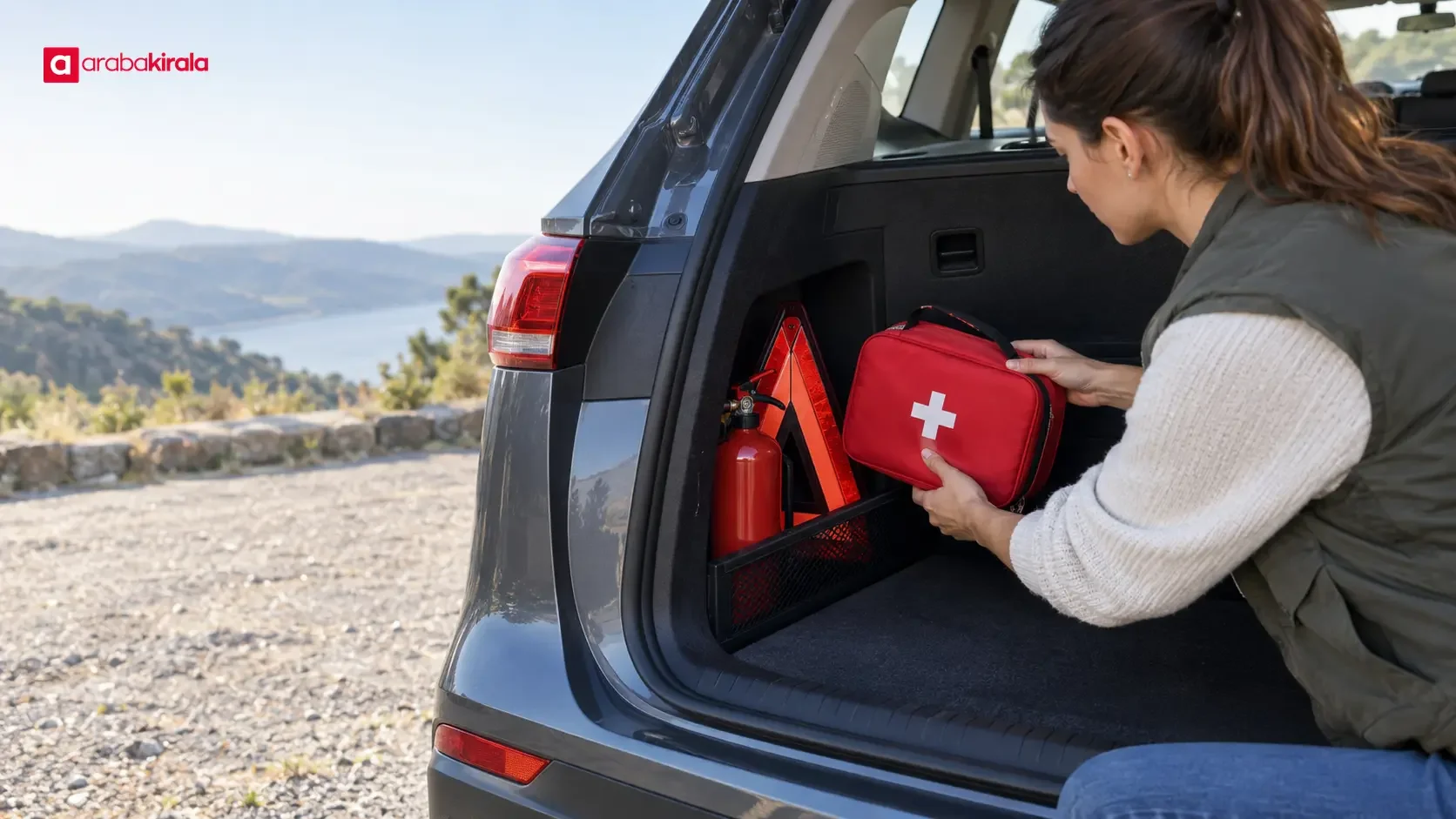
Rental car emergency equipment can be stored in different places depending on the vehicle, so learning its location before driving can save time when something goes wrong. A warning triangle, first aid kit, spare tire or tire repair kit may be among the items provided, but equipment varies by model and configuration. During pickup, look over accessible areas, ask the staff member to point out unfamiliar items, and confirm branch-specific details with the location where you are renting the car.
Why check emergency equipment before leaving?
Knowing what is in the car and where it is stored helps you respond more calmly to an unexpected stop. Simply having an item in the vehicle is not enough: you should know where to find it, what it is intended for and whether it is safe for you to use. Searching beneath luggage for a warning triangle while stopped beside moving traffic can create additional distraction and risk.
A check does not mean taking every item apart or trying it out. Start by looking through accessible areas of the cabin and trunk, identify visible equipment and tell the pickup staff if something appears missing or damaged. The equipment list and handover record can vary by location, so ask the rental branch how to have any concern noted.
Where might emergency items be stored?
The trunk and cargo area
A warning triangle, first aid kit, towing attachment or tire-related tools may be kept in the trunk or in compartments beneath the trunk floor. Before lifting a floor panel, make sure the cargo area is clear and stable. Do not force a compartment that will not open; ask the person handing over the car to show you the correct location.
If a spare tire is provided, it may be beneath the trunk floor or stored elsewhere on the vehicle. Some vehicles use a temporary tire repair kit or another arrangement instead. Not seeing a spare tire does not by itself establish that equipment is missing. Confirm what this specific vehicle has and what to do if a tire problem occurs.
Storage spaces in the cabin
The owner’s manual may be in the glove compartment, a door pocket or a center console. Vehicle documents or information cards may also be kept in the cabin, though locations differ. Open storage areas carefully, avoid disturbing personal belongings, and do not force closed compartments. If you notice an item that seems out of place, mention it to the pickup staff.
A first aid kit or smaller safety items may also be kept inside the cabin. Do not assume there is one standard location across all vehicles. Having the staff member point out the items during handover is more useful than relying on a vague verbal description.
What to check before setting off
- Learn the locations: Ask where the warning triangle, first aid kit and tire equipment are, or have the staff member show you.
- Look at visible condition: Check that accessible items are not visibly broken or missing parts and that packaging appears intact. Do not open or use medical supplies.
- Identify the tire solution: Find out whether this vehicle has a spare tire, a repair kit or another setup. Ask for an explanation before leaving if you do not know how to use the supplied kit.
- Find the owner’s manual: Know where to access manufacturer guidance about dashboard alerts, tire pressure and vehicle equipment.
- Report concerns: Tell the pickup staff about anything that appears damaged or missing and ask how it can be recorded.
- Clarify how to get help: Ask the rental branch for current instructions and the appropriate support contact in case of a breakdown or collision.
Warning triangles and stopping safely
A warning triangle is intended to help make a stopped vehicle more visible. Placing it can create a new hazard if it requires walking into traffic or standing somewhere unsafe. If possible, move the car away from traffic to a safe location, use the hazard lights and assess your surroundings. Use the triangle only when reaching a suitable position is safe and you can place it without putting yourself at risk.
The vehicle’s position, road layout, visibility and weather all affect what is safe. Do not make a move that could endanger you; contact emergency services or the roadside support channel provided during rental when needed. This guide does not specify a distance or a legal placement rule. Give priority to safety and follow applicable official instructions.
Choosing what to do about a tire problem
The appropriate response to tire damage depends on the vehicle’s equipment and the type of damage. A spare tire, temporary repair kit and roadside assistance are different solutions, and they are not interchangeable in every situation. Repair kits have limits and should be used according to the manufacturer’s directions. If you are unfamiliar with the kit, do not experiment with it beside the road.
If a tire pressure alert appears or a tire loses air suddenly, slow down with safety in mind and stop in a suitable place. If you cannot get away from traffic, do not get out or retrieve equipment in a dangerous spot. Check the owner’s manual and use the support details provided at pickup. Removing a wheel or lifting a vehicle with a jack requires suitable equipment and safe conditions. Get professional help if you lack experience.
How to check a first aid kit
Once you have located the kit, check that its exterior is intact and that it is accessible. Rather than opening it, using supplies or rearranging its contents, tell the staff member if the kit looks damaged or incomplete. Contents may vary with the vehicle and handover arrangements, so do not assume that every kit contains the same items.
First aid supplies do not replace professional medical care for a serious injury. Contact local emergency services when a medical emergency occurs. Until help arrives, provide only basic assistance you know how to give safely; moving an injured person or performing medical procedures requires training and careful assessment.
Using an equipment check during a breakdown or collision
Learning where equipment is before departure lets you focus on safety if a vehicle stops unexpectedly. First assess the people in the car and the surrounding area. If the car can be moved, stop somewhere safe and away from traffic. Use the hazard lights and consider whether it is safe to get out.
Then seek help appropriate to the situation. A mechanical breakdown, tire damage and a collision may require different responses. Keep the support contact information provided at handover somewhere easy to access. If the issue cannot be resolved safely with equipment you understand, get qualified assistance rather than risking further damage by using an unfamiliar tool.
What details should you confirm with the rental branch?
Equipment locations are not identical across vehicle models, and the supplied setup can vary. Ask the branch where each emergency item is stored in the vehicle you will be driving, which items are present and which support channel to use if there is a problem. If the car has a repair kit instead of a spare tire, ask whether you should consult the manual or contact support before using it.
If the vehicle’s actual equipment does not match what you were told, raise the issue with the pickup staff before leaving. Ask how missing or damaged items are recorded. This avoids assuming that a particular item or service is available in every vehicle or at every branch.
Frequently asked questions
Is the warning triangle always stored in the same place?
No. It may be in the trunk, beneath the trunk floor or in another storage area. Ask the pickup staff to show you where it is in the vehicle you have received.
Does a car without a spare tire have missing emergency equipment?
You cannot conclude that from the absence of a spare alone. The vehicle may have a tire repair kit or a different setup. Confirm the equipment and the response for a tire problem during handover.
Should I test every item before leaving?
There is no need to operate every item, and opening some supplies can make them unusable. Inspect accessible items visually and ask for guidance instead of experimenting with equipment you do not know.
What should I do if something is missing or damaged?
Tell the pickup staff before setting off and ask how the condition will be recorded. Also confirm with the branch which support channel to use if you later have a breakdown or emergency.
Legal Disclaimer: All content, articles and information on the Araba Kirala website are provided solely to inform users. No information shared on this website constitutes definitive advice or guidance. Araba Kirala Teknoloji A.Ş. and its authors cannot be held responsible for any direct or indirect damages arising from the application of information on the website. For all questions and requests regarding car rental, please contact the office from which you will rent your vehicle.