Checking Glass, Headlights and Exterior Lights on a Rental Car
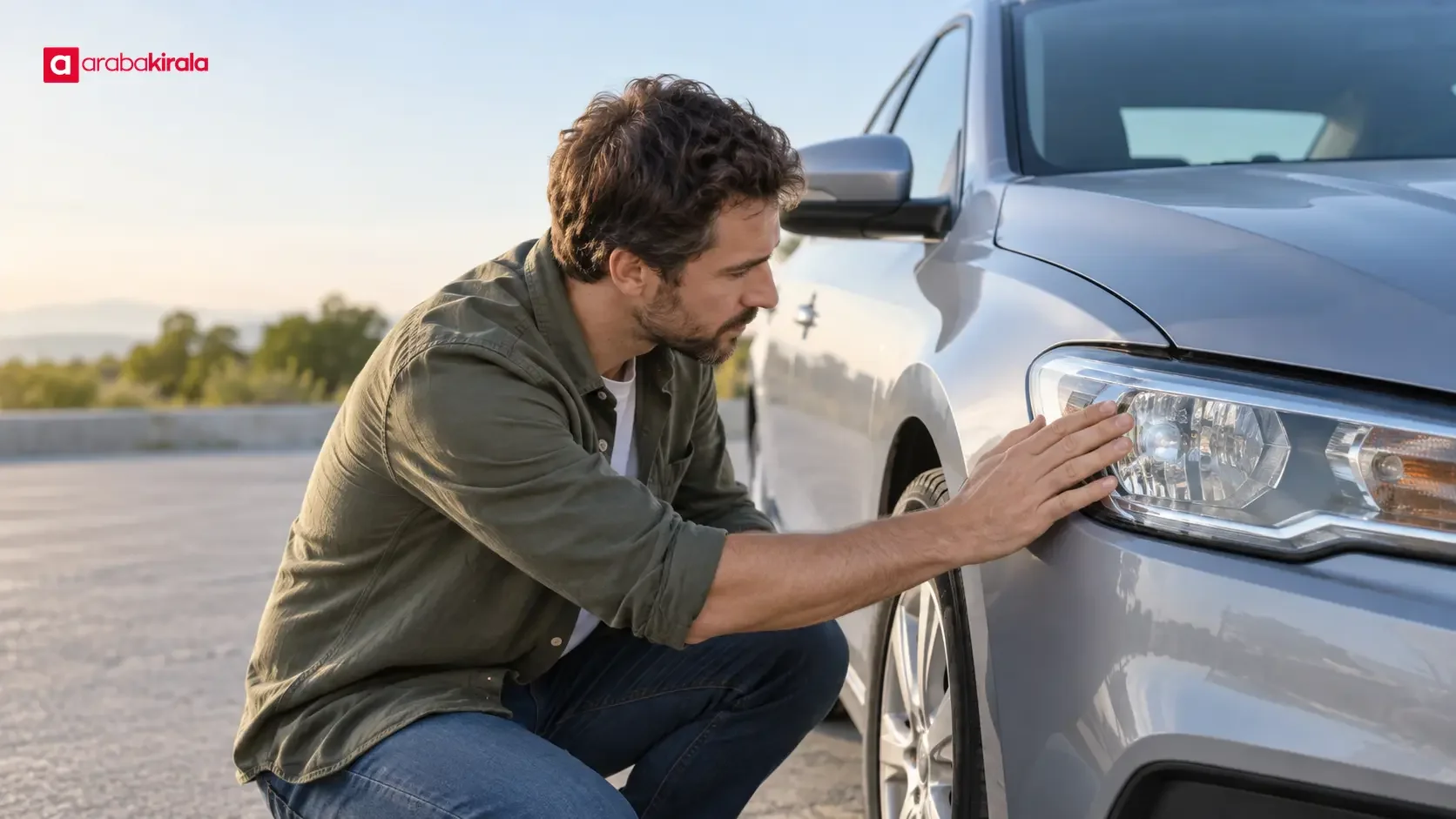
Before driving away in a rental car, check its windows, mirrors and exterior lights. This simple review helps preserve your view of the road, makes the vehicle easier for others to see and clarifies the car’s visible condition at handover. A rental car headlight check means more than switching a lamp on: look at whether the lights work, whether anything obstructs your view, and how any existing damage is recorded.
Why check the glass and lights?
The windscreen, side windows and mirrors help you monitor the road, nearby vehicles and people walking or cycling. Dirt, fogging, cracks or other obstructions can make it harder to judge what is around you, especially after dark or in wet weather. Headlights illuminate the road ahead. Rear lamps and brake lights help following traffic notice the car and recognize when it is slowing; indicators communicate an intended turn or lane change. A failed light or glass that significantly affects visibility can compromise safe driving.
This is a practical visual check, not a way to diagnose every technical fault. It can help you spot an obvious defect before departure, report it safely and make sure the handover record reflects the condition you observed.
Review the exterior lights before departure
Headlights and rear lamps
Use the lighting controls as shown by the vehicle’s handbook or dashboard symbols. Check whether the dipped headlights and rear position lamps illuminate. Daytime running lights and dipped headlights serve different purposes: a lamp designed to make a vehicle more noticeable in daylight may not illuminate the road in the way dipped headlights do. If the car has automatic lights, check the dashboard indicators; the system’s behavior can vary by model.
Look at the headlamp covers for cracks, breaks, heavy dirt, moisture inside the unit or anything that could block the light. A lamp may switch on while a damaged or dirty cover still affects illumination or how visible the car is to others. Do not try to adjust the beam or dismantle a lighting unit. If you see damage or a clear operating fault, show it to the handover staff and clarify whether the car is suitable to drive.
Indicators, brake lights and reversing lights
Switch on the turn indicators and, if fitted, hazard warning lights; check that they flash at the front and rear. For brake lights, ask someone to help or observe the reflected light from a safe position. There is no need to move the car to test them. If checking the reversing light, keep the vehicle stationary, make sure the surroundings are clear and follow the handbook. If you cannot verify a function safely, do not improvise; tell the branch what you could not check.
Rear lights do more than make a car visible. Brake lights communicate slowing, while indicators communicate a change of direction. A single failed lamp can make it harder for other road users to understand what you intend to do. If a light is not working, ask the branch you are renting from what to do before setting off.
Inspect windows, mirrors and your field of view
Look for cracks, impact marks, scratches or dirt on the windscreen, especially in the area through which you look at the road. Consider where damage is and how much it affects your view, rather than judging by size alone. Check the side and rear windows and the exterior mirrors. Make sure the mirrors can be adjusted and provide a clear enough view. If there is interior fogging or dirt, use the car’s ventilation and cleaning controls according to the handbook.
Also report torn or visibly deformed wiper blades, wipers that catch or fail to move properly, or a washer system that does not work. Avoid running wipers for a long time on a dry windscreen; they can scratch the glass or worsen visibility. If you do not know how a control works, ask for a safe explanation before driving.
How to record damage found at handover
Review the vehicle’s visible condition inside and out against the handover form or other record used at pickup. If you find a windscreen crack, a broken headlamp cover, a failed indicator or body damage, show it to staff before the car moves. Check that the record describes the issue accurately. Ask for unclear or incomplete wording to be corrected. If taking a photograph is appropriate, make sure it clearly shows both the damage and where it is on the vehicle.
A photo does not replace the handover record, but it can help document the condition you saw. Keep images organized so they can be associated with the date and vehicle area. How a defect is handled, how the record is kept and what steps apply if a fault is found are details that may depend on the branch and reservation. Discuss the specific issue with the branch you will rent from. Do not try to fix a defect yourself, replace a bulb or interfere with vehicle parts.
If a light or window problem appears while driving
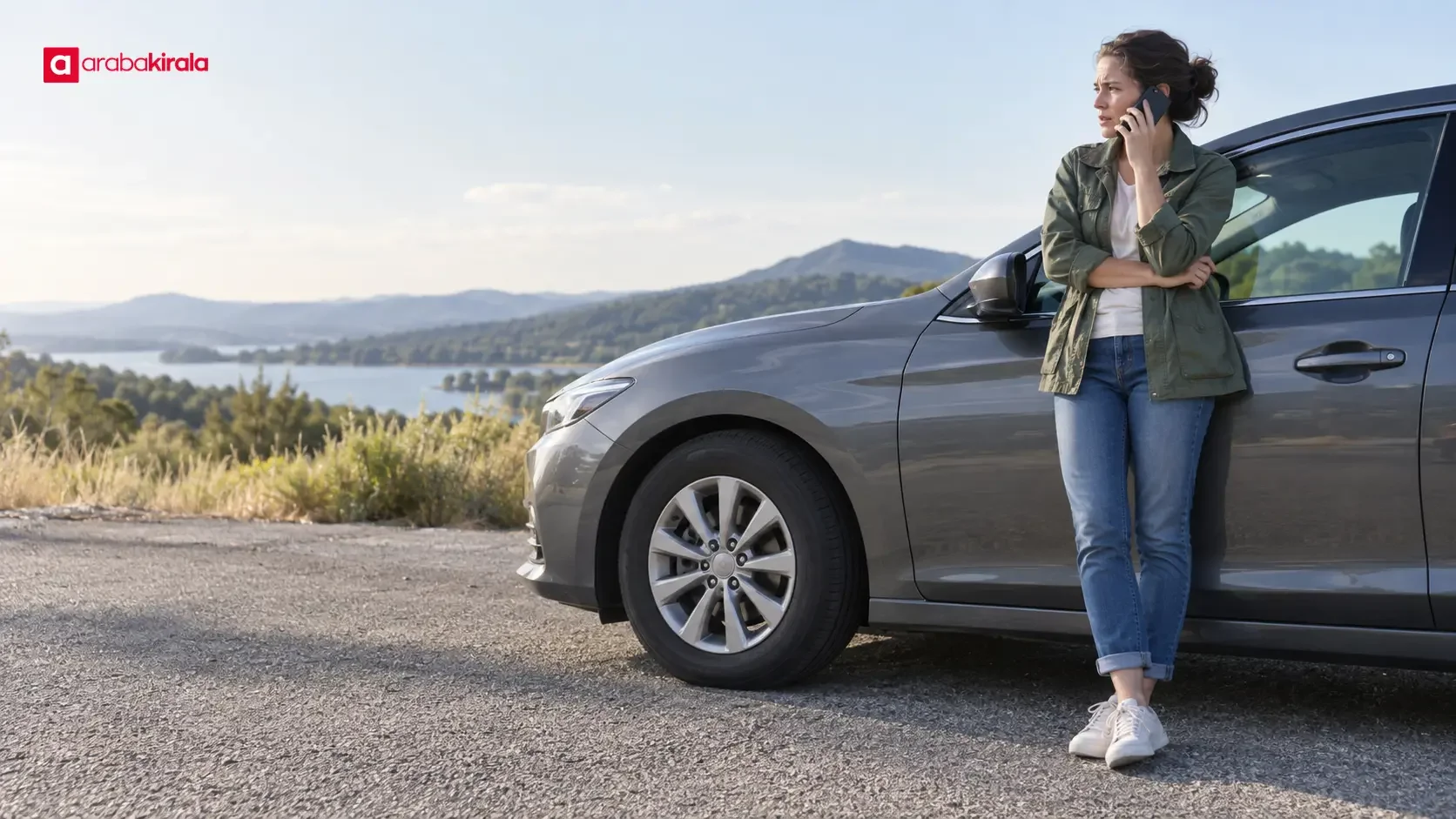
If you notice a headlight, indicator or brake-light fault on the road, first find a safe place to stop while taking traffic and your surroundings into account. Check any dashboard warning and the vehicle’s behavior using the handbook. If a crack, broken glass, fogging or failed wiper seriously restricts your view, do not assume it is safe to continue. Keep the car in a safe place, contact the branch you rented from and ask for instructions. Removing parts or touching electrical connections at the roadside can be dangerous.
Rain, fog, darkness and spray from the road can all reduce visibility. Clear glass, working wipers and washers, and appropriate exterior lighting work together. If you are unsure which control operates a particular light, get an explanation before setting off. Lighting controls and systems vary by vehicle, so use the handbook and dashboard indicators for the specific car.
What details should you ask the branch about?
Branch guidance is for clarifying car-specific or handover-record details; it does not replace a basic safety check. If you find a defect, could not complete a check or see an unclear entry, ask concise, specific questions:
- How will the visible glass or lamp damage be added to the handover record?
- What will happen if an exterior light is not working?
- Who can help you verify a function you could not check before accepting the car?
- Which contact and support steps should you follow if the same fault appears during the rental?
Answers can depend on the branch and reservation, so direct these questions to the office you will rent from. Do not assume every branch offers the same process or option. Keep any information you confirm with your rental documents.
Frequently asked questions about rental car headlight checks
Can I check every light by myself at pickup?
You can switch on many lights and review dashboard indicators, but it may be difficult to observe the front and rear of the vehicle at the same time. Ask for help or tell the branch about a function you could not verify safely. Do not take the car into traffic just to test a light.
If daytime running lights are on, are the headlights on too?
Not necessarily. Daytime running lights are designed to help a vehicle be seen during the day; dipped headlights illuminate the road. Check the lighting control and dashboard to confirm which lamps are active.
Can I take a car if there is a small mark on the windscreen?
Appearance alone may not tell you whether damage affects safe driving. If a mark is in your field of view, is growing or distorts what you see, show it to the branch before moving the car. Make sure its condition is accurately recorded and clarify the next step.
Can I fix a failed light myself?
Do not interfere with the vehicle’s electrical equipment or lighting parts. Report the fault and ask the branch for guidance. In particular, do not set off with an exterior light fault until you have confirmed how it will be handled.
A brief check of glass, mirrors and lights before pickup supports visibility and clear vehicle-condition records. Report any defect before moving the car, ask for help with functions you could not verify safely, and follow the renting branch’s guidance if a fault appears.
Legal Disclaimer: All content, articles and information on the Araba Kirala website are provided solely to inform users. No information shared on this website constitutes definitive advice or guidance. Araba Kirala Teknoloji A.Ş. and its authors cannot be held responsible for any direct or indirect damages arising from the application of information on the website. For all questions and requests regarding car rental, please contact the office from which you will rent your vehicle.