How to Adjust the Head Restraint and Seat Belt in a Rental Car
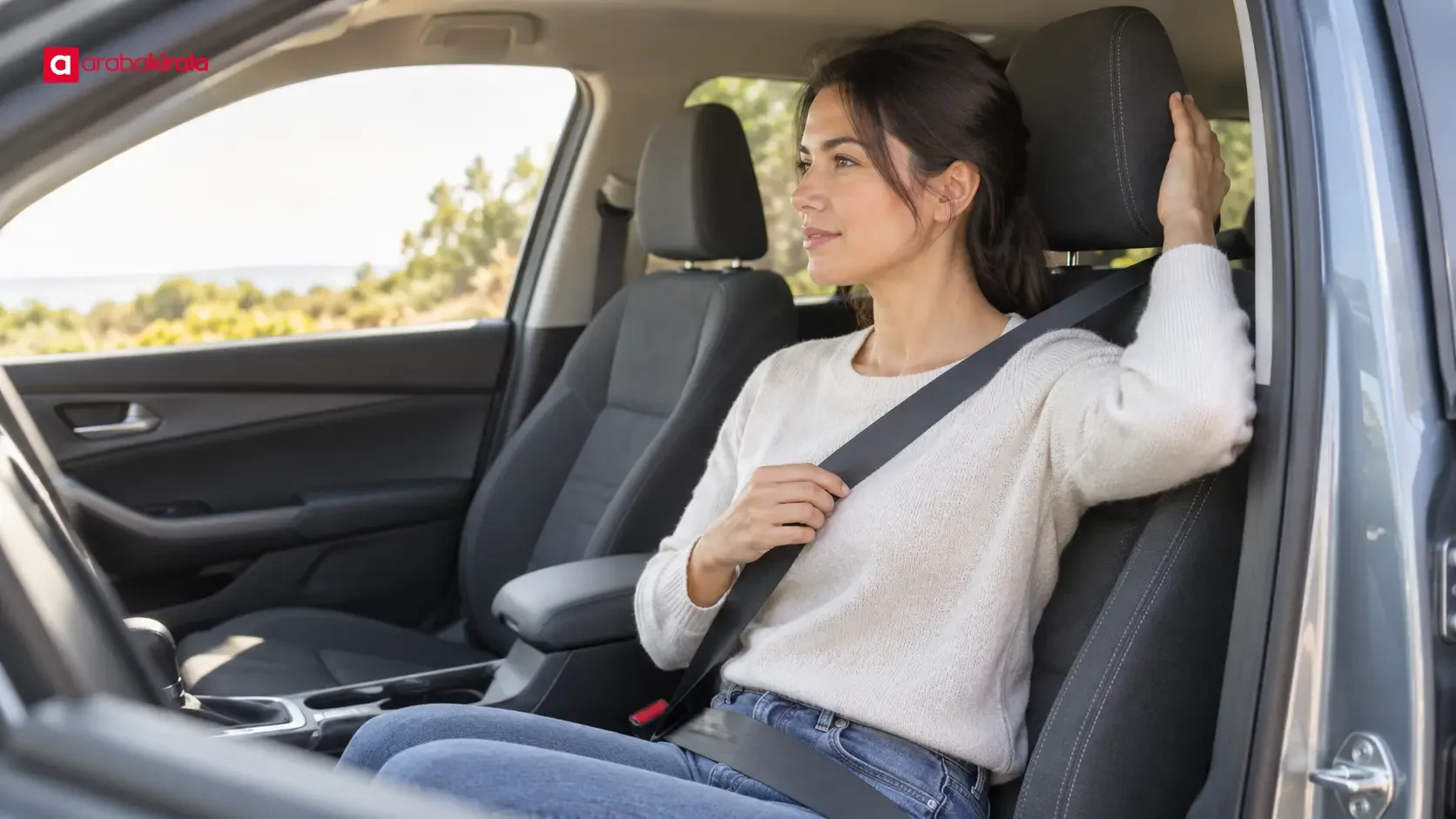
Rental car seat belt adjustment is one of the basic checks to complete before setting off. The seat, head restraint, and belt work together: a suitable driving position can also make it easier to see the road and reach the controls. The right position depends on your body and the vehicle’s design, so set up the seat you are using rather than copying another car’s settings.
Set the seat position first
The belt can sit correctly only when the seat is in a suitable position. Move the driver’s seat so you can press the pedals comfortably, with your knees slightly bent, and hold the steering wheel without stretching. Adjust the backrest so your shoulders can stay against it while you reach the wheel. If the seat height can be changed, choose a position that gives you a clear view of the road and instruments.
The front passenger should also adjust the seat distance and backrest for a stable, comfortable position. Reclining the seat too far can change the belt’s path across the body. Once you have settled the seat, check the belt fit again. Seat levers, buttons, and powered controls differ between vehicles. If a control is unclear, consult the vehicle manual or ask the branch where you collected the car for help.
Position the head restraint
A head restraint supports the head; it is not simply a cushion for the neck. Its upper edge should be close to the top of your head. Keep the back of your head as close to the restraint as practical, and avoid leaving it far below or behind your head. The adjustment method and any release button vary by vehicle.
Do not adjust the head restraint while driving. Park safely first, switch off the vehicle if needed, and make the adjustment while seated. If it will not move, do not force it. Check the locking mechanism and the instructions in the vehicle manual. Check the rear head restraints too, where fitted, and position one appropriately for each occupied seat. Do not remove or reinstall a folding or removable restraint unless you understand the vehicle’s instructions.
Fit the belt across your body
For a three-point seat belt, the shoulder section should cross the chest and sit near the middle of the shoulder. It should not cross the neck, slip off the outer edge of the shoulder, or pass under the arm. The lap section should lie low across the hips and pelvic area, not across the abdomen. Both sections should lie close to the body without twists, pinching, or excess slack.
After inserting the latch plate, check that it has engaged in the buckle. If the shoulder belt has a height adjuster, use it to position the belt near the centre of your shoulder. Some vehicles do not have this feature; check the manual to learn how the mechanism works when it is present. After buckling, pull the shoulder section gently to take up slack. A bulky coat or clothing caught beneath the belt can leave space between the belt and your body, so arrange the belt to sit close to you.
Do not try to make the belt more comfortable by routing it behind your back or under your arm. Avoid attaching clips, holders, or other accessories that change its position. These can affect how it lies across the body. If a belt is frayed, cut, jammed, or its buckle will not engage securely, do not travel in that seat. Report the problem to the branch and follow its guidance about the vehicle.
Children and passengers with different needs
An adult belt does not fit every child in the same way. A child may need an appropriate child restraint or booster if their size and seating position cause the shoulder belt to approach the face or neck, the lap section to sit across the abdomen, or the belt otherwise to fit poorly. The suitable restraint and installation depend on the child’s measurements, the restraint’s limits, and the anchorage points available in the vehicle. Follow both the restraint instructions and the vehicle manual. If you are unsure that it is installed correctly, get competent help before driving.
When choosing a front or rear seat for a child restraint, follow the restraint and vehicle manufacturers’ instructions. Check airbag warnings in particular: the restraint’s position and direction can affect safety requirements related to the airbag. Vehicles differ in the type and location of child-seat anchorages. Ask the branch you plan to rent from which anchorages the vehicle has and how to get information about child restraints at handover. Do not assume a particular seat or piece of equipment will be available.
During pregnancy, the shoulder section should cross the chest and the lap section should sit low under the abdomen, against the hips. Do not place the lap section across the abdomen. If the belt does not fit or feels uncomfortable, seek individual guidance from a health professional. Do not disable the belt or change its path.
Make a brief check each time you get in
If more than one person will drive the rental car, each driver should set their own seat, head restraint, and belt. Adjust the seat in relation to the pedals and steering wheel first, then check the head restraint and belt height. Set the mirrors for your seating position as well. The previous driver’s settings may not suit you. After changing a seat or belt setting, reassess your view and access to the controls.
Before moving off, check that the latch plate is fully engaged, the belt lies flat, and it is not caught in the door or seat mechanism. Everyone travelling in the car should use their own seat belt. Children should be secured in an appropriate restraint according to its instructions. Do not adjust the belt while driving. If it becomes loose or uncomfortable, stop somewhere safe and reposition it.
If you notice a problem with a buckle, height adjuster, or head restraint at collection, tell the branch before you set off. Usable seats, adjustment options, and child-seat anchorages vary by vehicle. Ask the branch where you are renting for details about the particular car and any arrangements available at handover.
Frequently asked questions
Where should the top of the head restraint sit?
Position its upper edge close to the top of your head and keep the gap between the back of your head and the restraint small. Adjust it after setting the seat in an upright, comfortable driving position.
What should I do if the belt rubs against my neck?
Check the seat and shoulder-belt height adjustments and position the belt near the middle of your shoulder. If it still crosses your neck or slips off your shoulder, do not route it under your arm or behind your back. Check the vehicle manual and ask the branch for an appropriate solution.
Can I assume a suitable child seat will be in the car?
No. Ask the branch you plan to rent from about your child-seat needs, the vehicle’s anchorages, and equipment availability before making arrangements. Check against the manufacturer’s instructions that the restraint fits both the child and the vehicle.
Can every driver use the same seat and belt settings?
No. Body size, seating position, and reach differ. Each person who drives should adjust the seat, head restraint, belt, and mirrors to fit before setting off.
Legal Disclaimer: All content, articles and information on the Araba Kirala website are provided solely to inform users. No information shared on this website constitutes definitive advice or guidance. Araba Kirala Teknoloji A.Ş. and its authors cannot be held responsible for any direct or indirect damages arising from the application of information on the website. For all questions and requests regarding car rental, please contact the office from which you will rent your vehicle.