How to Read a Rental Car Manual and Vehicle Labels
Published: October 10, 2026 • Reading Time: 7 min • Last Updated: October 10, 2026
Learn how a rental car manual, dashboard symbols, and vehicle labels can help you understand the car before driving. Find practical pickup checks for tires, fuel, and safety alerts.
Contents
- What the owner's manual explains
- Checks to make before moving off
- What vehicle labels tell you
- Tire pressure and tire markings
- Fuel and fluid information
- If a warning light or unfamiliar feature appears
- A practical pickup checklist
- How the manual, labels, and rental details differ
- A short preparation before your journey
- Frequently Asked Questions
A rental car manual is the best starting point for learning the controls and systems of a specific vehicle. This guide explains where to find the manual, what dashboard symbols and vehicle labels can tell you, and which checks are useful at pickup. Equipment and rental arrangements vary, so ask the branch where you will collect the car to confirm anything specific to that vehicle or reservation.

What the owner's manual explains
The manual describes how to operate the particular model. It may cover lights, wipers, climate controls, driver assistance features, media systems, and seat adjustments. It can also explain dashboard indicators, fluid checks, tire pressure, and fault warnings. It is a reference for a specific model and equipment level, rather than a universal set of instructions for every car.
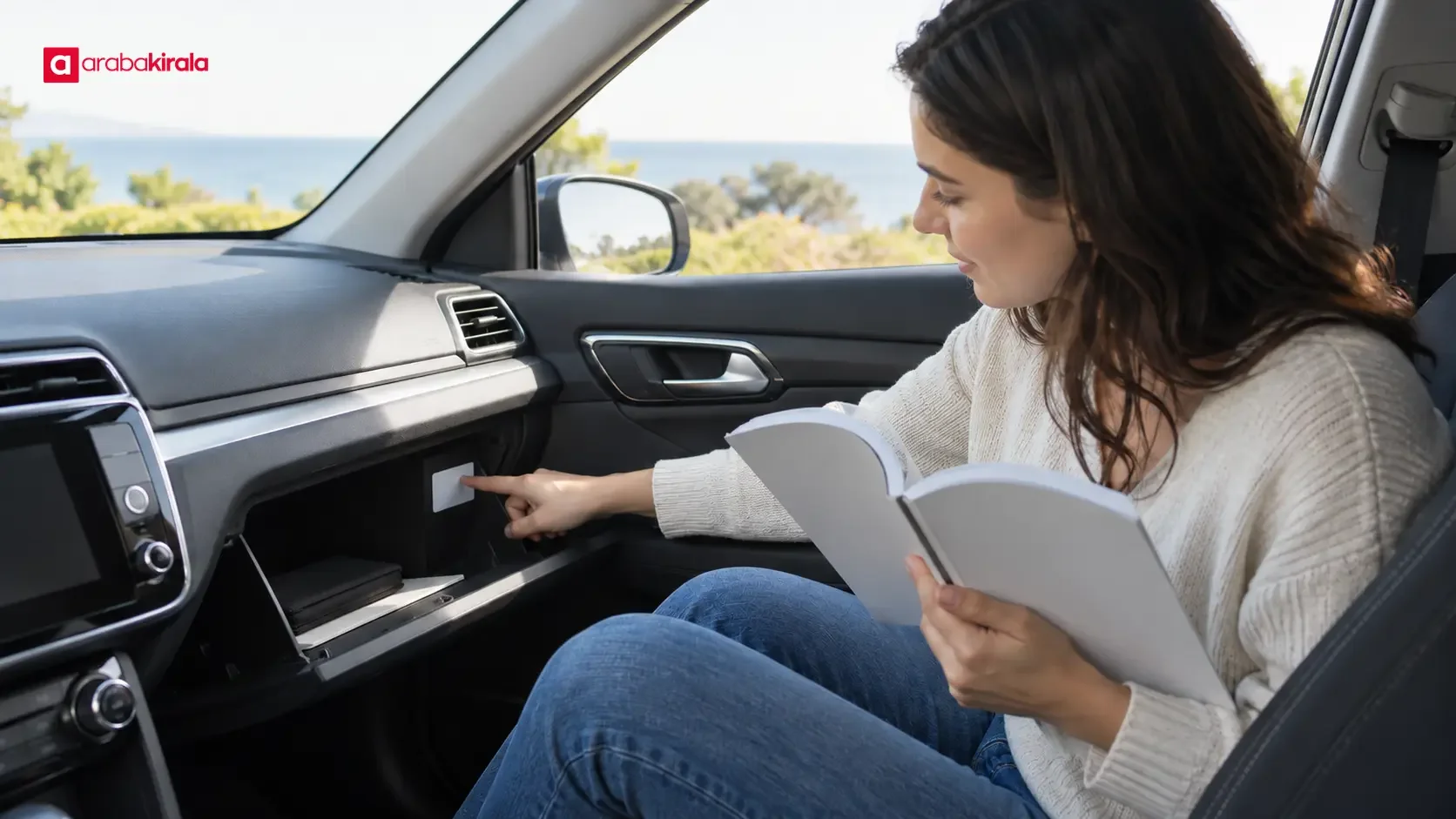
Taking a few minutes to get familiar with the car can make the first drive less distracting. At pickup, find out whether the manual is in the vehicle or available digitally. If there is no printed copy, ask whether the car's display or the manufacturer's official resources provide a digital version. Check that the manual matches the vehicle model and equipment; similar-looking models may have different buttons and functions.
Checks to make before moving off
Adjust the seat, mirrors, and steering wheel before driving. Check that seat belts are accessible and working. Locate the gear selector, parking brake, lights, indicators, wipers, and window demister while the car is stationary. Knowing these controls helps you keep your attention on the road. If you do not know what a control does, consult the relevant section of the manual before setting off.
Observe the dashboard before starting and after the engine is running. Some symbols show that a feature is active or a system is completing a check; others may signal a fault or safety warning. The symbol's shape, color, and any accompanying message matter. Do not guess what an unfamiliar warning means and continue driving. Check the manual's indicator section. If the warning remains, stop somewhere safe and contact the rental branch. Do not continue if there is a red warning or a clear issue affecting braking, the engine, or safe operation.
What vehicle labels tell you
Tire pressure and tire markings
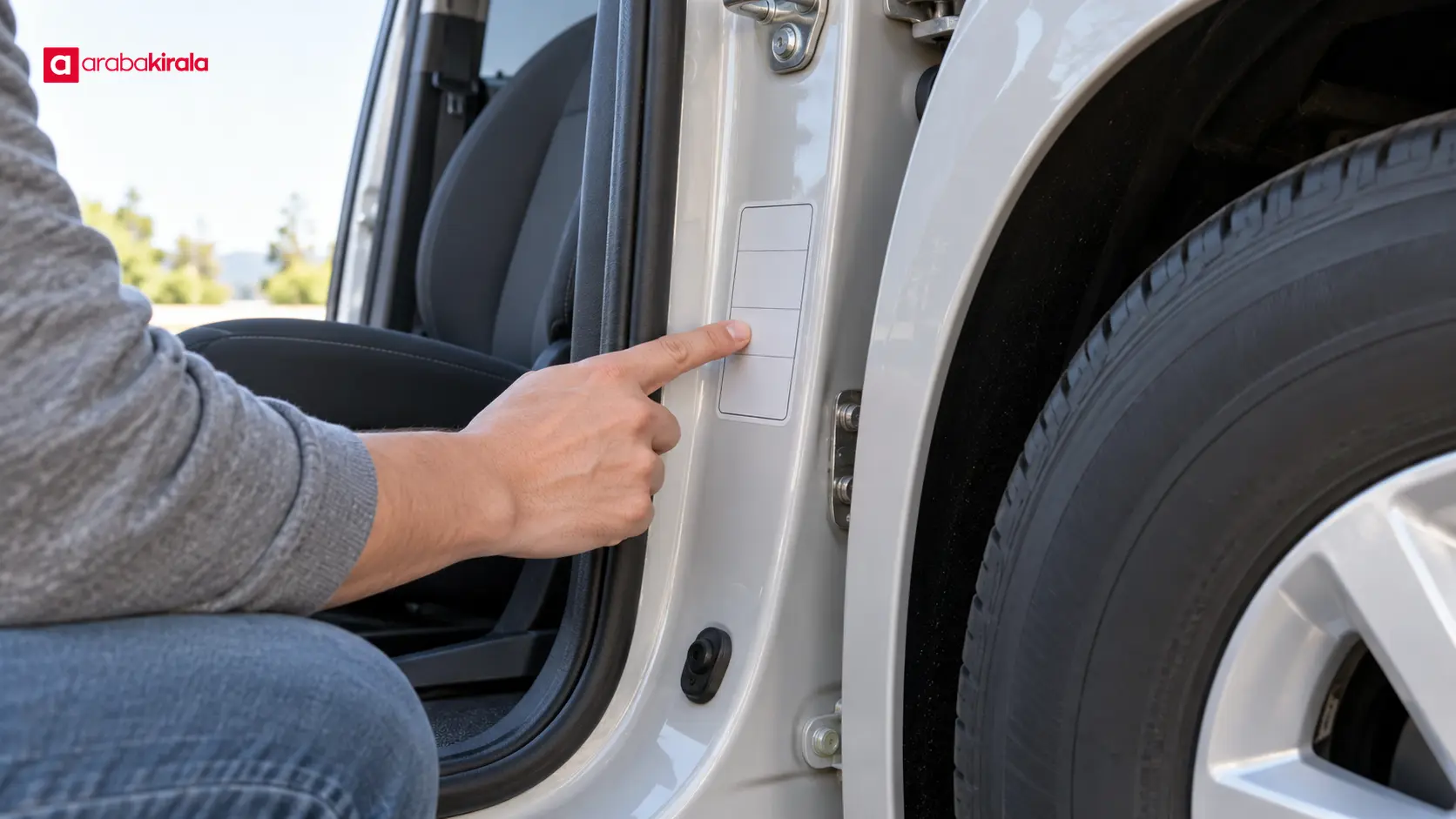
A tire pressure label is often found inside the driver's door opening, on a door pillar, or inside the fuel flap. Depending on the model, it may show recommended pressures and guidance for different load conditions. The location and details vary, so check the manual if you cannot find it. When reading the label, match the value to the tire size, vehicle load, and measurement conditions. Do not confuse the door label with the maximum pressure marking on a tire's sidewall. The sidewall gives technical information about the tire; it is not a substitute for the vehicle's recommended pressure.
If the pressure needs attention, use suitable equipment in a safe setting. Ask for help if you are unsure how to check or adjust it. Do not keep driving if a tire appears damaged, is losing pressure, or the monitoring warning stays on; notify the rental branch. In cars with a tire pressure monitoring system, the reset procedure can vary by model. Follow the manual rather than trying an unfamiliar procedure.
Fuel and fluid information
Markings inside the fuel flap may identify the correct fuel type. Check them at pickup and ask the branch before refueling if the information is unclear. Using the wrong fuel can damage the vehicle. The fuel gauge shows the approximate fuel level, while a displayed range estimate may change with driving conditions and how the vehicle is used.
Labels under the hood may include information about fluids or safety. Avoid opening the hood unless you need to; hot parts and moving components can cause injury. If fluid needs attention or there is a fault, consult the manual and get guidance from the rental branch first. Observe warning symbols about hot surfaces, electricity, or pressure.
If a warning light or unfamiliar feature appears
Not every dashboard symbol signals a fault. Some indicate that the headlights, fog lights, or a driver assistance feature is active. Because symbols and their meanings can differ by model, use the vehicle's manual instead of relying on a generic image found online. If the display shows a text message, note what it says. Pull over safely before taking a photo, and share the message with the branch.
Do not test an unfamiliar control or driver assistance feature in traffic. Park first, then read about its operating conditions and limits in the manual. Driver assistance features do not replace the driver's attention and responsibility. Do not assume a system works the same way in every road, weather, or visibility condition. Check the equipment section of the manual if you are unsure whether the car has a particular feature.
A practical pickup checklist
- Find out where the manual is or how to open its digital version.
- Check the fuel type and gauge; ask the staff member about any questions concerning the pickup record.
- Look for visible tire damage, a noticeably deflated tire, or an active warning light.
- Locate the lights, indicators, wipers, parking brake, and gear selector while the vehicle is parked.
- Report any persistent warning you do not understand before leaving.
- Confirm with the branch what equipment and handover records apply to this vehicle; do not assume every model has the same items.
These checks help you understand the vehicle's condition at handover. If you notice a scratch, glass damage, or a tire issue, show it to the staff member before taking the car and ask how it should be recorded. Take any photos while the vehicle is stationary and in a safe place. This is not a fault diagnosis; it helps you describe what you see and get the right guidance.
How the manual, labels, and rental details differ
The manual explains vehicle operation and model features. Labels provide technical or safety information at the point where it is needed. Details about rental duration, mileage, additional drivers, return times, or other reservation matters cannot be inferred from the car manual. These are rental arrangements, not vehicle equipment. Refer to your reservation documents and the branch where you will collect the vehicle.
Fuel arrangements, return procedures, included equipment, and after-hours processes may depend on the branch or reservation. Do not assume they are the same everywhere. Ask concise, specific questions: “What fuel does this vehicle use?”, “How should I report a warning light?”, and “Where can I access the manual?” Getting these details before departure helps distinguish vehicle information from reservation terms.
A short preparation before your journey
When driving a car for the first time, avoid adjusting unfamiliar controls while moving. Connect a phone, set navigation, and change audio settings only after parking safely. Keep the vehicle's manual accessible and review the sections on tires, fuel, and alerts before a longer drive. If you notice a new noise, smell, change in performance, or warning during use, stop in a safe place, assess the situation, and contact the branch for guidance.
In short, a rental car manual introduces the vehicle, while labels add details about specific items such as tires, fuel, and safety. At pickup, find the manual, locate basic controls, read the vehicle's warnings, and do not guess at unfamiliar technical markings. Your next step is to confirm the fuel type, access to the manual, and any dashboard warnings with the staff member before you set off.

Frequently Asked Questions
Where can I find the rental car manual?
A printed manual may be in the vehicle, for example in the glove compartment; some cars use a digital version. The location and access method depend on the model. Ask at pickup where to find it or how to open it.
How should I read the tire pressure label inside the door?
Check which tire size and load conditions each value applies to. Do not confuse the vehicle's recommended pressure with the maximum pressure marked on the tire sidewall. Consult the manual or ask the branch if you are unsure.
What should I do if a dashboard symbol lights up?
Do not interpret it by guesswork. Park safely, check the manual and any message on the display, and contact the branch if the warning persists or appears to affect safety. Do not continue driving if the vehicle seems unsafe.
How can I confirm which fuel the car uses?
Check the marking inside the fuel flap and the vehicle manual. If the information is unclear, contact the rental branch before refueling instead of guessing from the model name.
Does the owner's manual explain the rental terms?
The manual usually concerns the vehicle's equipment and operation, not reservation, pickup, and return arrangements. Check your reservation documents and confirm relevant details with the branch handling the vehicle.
Legal Disclaimer: All content, articles and information on the Araba Kirala website are provided solely to inform users. No information shared on this website constitutes definitive advice or guidance. Araba Kirala Teknoloji A.Ş. and its authors cannot be held responsible for any direct or indirect damages arising from the application of information on the website. For all questions and requests regarding car rental, please contact the office from which you will rent your vehicle.