What to Do After a Property-Damage Crash in a Rental Car
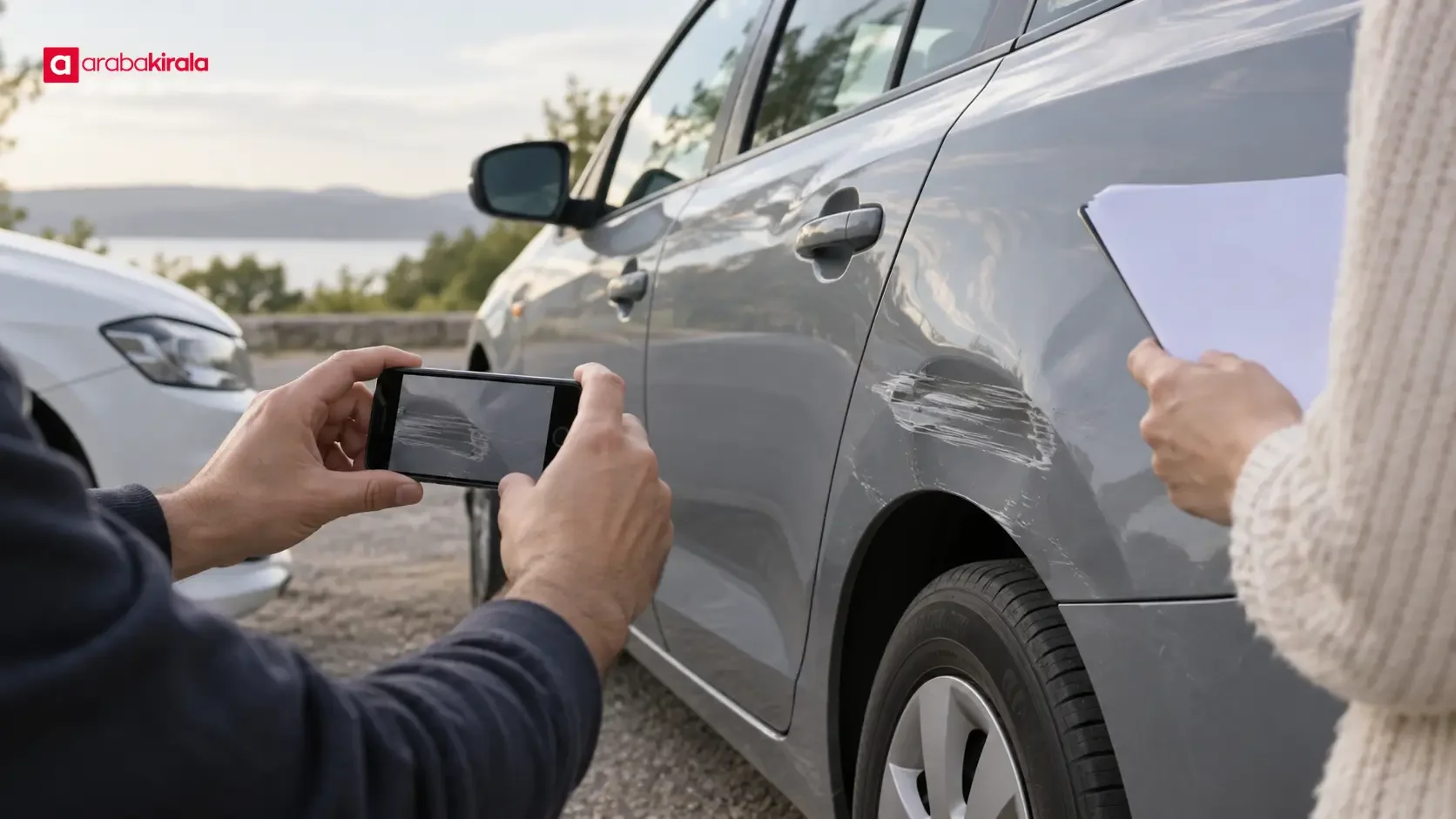
First steps after a property-damage crash in a rental car
If you are involved in a property-damage crash while driving a rental car, first make the scene as safe as possible. Then document what happened, complete the appropriate report, and promptly contact the branch where you rented the vehicle. Following a clear sequence helps preserve useful information and gives the branch a timely account of the incident. Damage that looks minor is still worth recording. Do not assume in advance how a policy or rental agreement will treat the damage, or that a particular form will be enough in every situation. Ask your rental branch which steps apply and what documents it needs; the process depends on the agreement and circumstances.
This guide focuses on property damage. If anyone is injured, there is a fire, traffic is seriously obstructed, the scene is unsafe, or the drivers cannot agree on what happened, contact emergency services or the appropriate authorities. Do not delay urgent help while trying to complete routine paperwork or take pictures. Never put yourself in moving traffic to get a better photograph.
1. Check for immediate safety needs
Stop the vehicle safely and check on yourself, passengers, and others involved. If anyone may be hurt, or you are unsure whether the scene is safe, seek emergency assistance. If vehicles or debris create a hazard, prioritize people and follow instructions from responders or local authorities. If you are uncertain whether a vehicle should be moved, ask the appropriate authority or the rental branch when it is safe to do so. Do not remain in a dangerous place just to preserve a photograph.
Once in a safe location, communicate calmly with the other driver. Stick to what you observed rather than making a rushed statement about fault or signing a description that does not reflect your account. If accounts differ, say so clearly. Do not hide a disagreement in an effort to finish paperwork quickly; explain the situation to the relevant authority and to your rental branch.
2. Photograph the scene and visible damage
Photos can help explain the circumstances later. From a safe position, take a few wide shots showing where the vehicles are in relation to one another and to the road. Include visible lane markings, an intersection, signs, or other surroundings that help locate the incident. Then photograph the damage to the rental car and any other involved vehicle from more than one angle. A combination of close views and wider views makes it easier to understand where each mark is. Images showing vehicle identification, where appropriate and safe, can also help keep the record clear.
Do not step into traffic, stand behind or in front of a vehicle in a dangerous spot, or obstruct responders to take pictures. If visible, record road and weather conditions, traffic signs, and the general position of the vehicles. Keep the original image files and avoid editing or cropping them. If your device stores the time and location, do not remove that information. Ask the branch how it wants you to send the images. Share images of other people only when necessary for handling the incident and through an appropriate channel.
3. Make an accurate incident record
Choose the reporting method that fits what happened. For some property-damage crashes, drivers may be able to complete a joint accident report; in other circumstances, a record from an official authority may be needed. Do not rely on a jointly completed form alone if someone is injured, the drivers disagree, a driver will not provide details, or another unusual circumstance arises. Ask the relevant authorities for direction. Obtain current forms through an official channel, and do not assume a form is valid or sufficient in every case just because it is familiar.
If you complete a report, write clearly and fill in the facts you know: date, time, location, driver and vehicle details, a concise description, and a simple diagram if requested. Do not guess at missing information. Describe what you saw and did, rather than adding assumptions or language that could suggest an agreement about responsibility. If the drivers' accounts differ, make sure each account is represented accurately. Read the form before signing, check for blank or unreadable fields, and keep a photo or copy of the completed pages.
Record the other driver's contact and vehicle details as they appear on the report, when available. If there are witnesses, note how to reach them. If an official responder attends, ask whether a report or reference number is created and how to obtain it. Confirm separately with the rental branch which pages or supporting records it needs, and how to provide them.
4. Notify the rental branch promptly
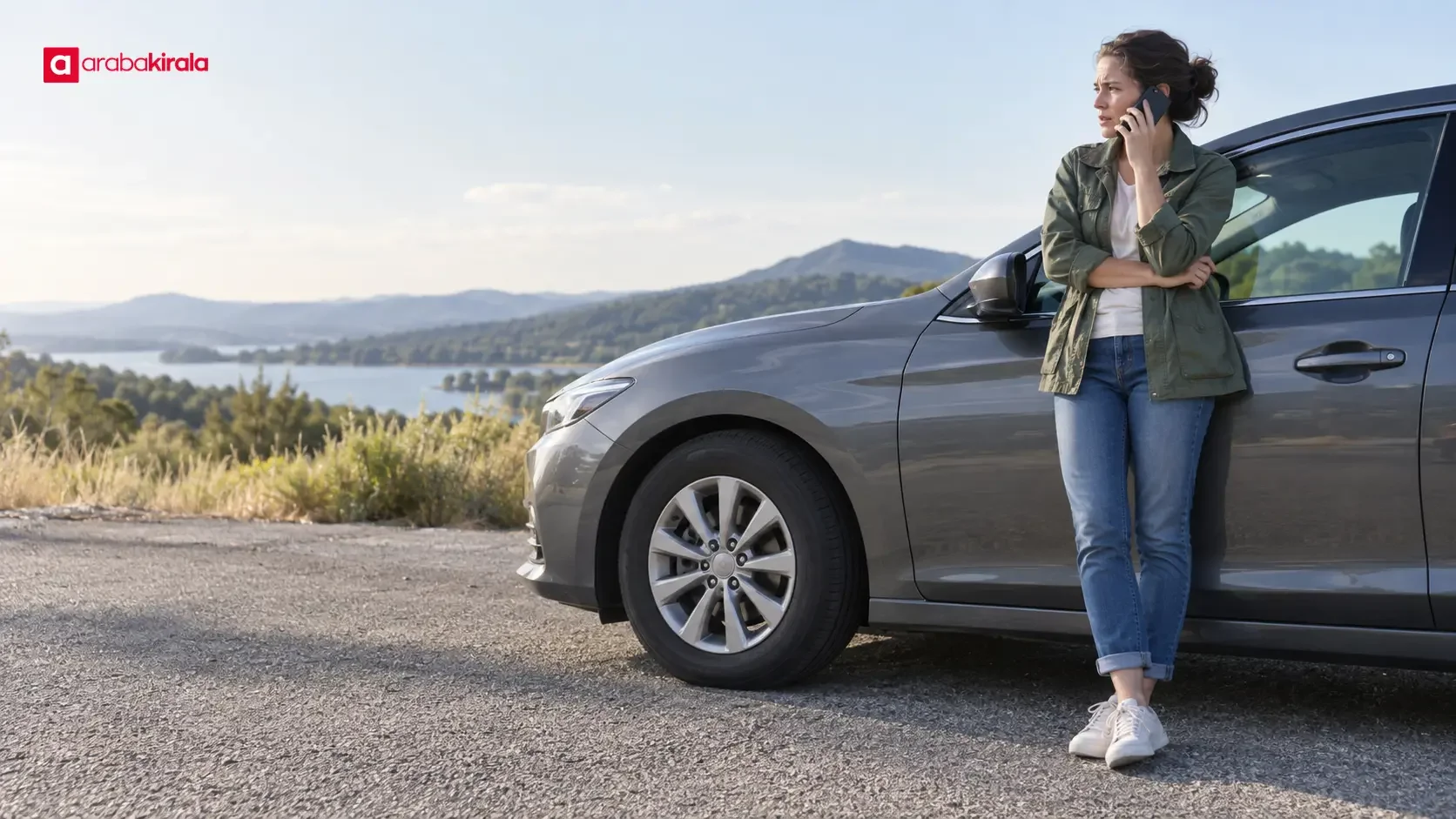
Contact the branch where you rented the car as soon as practical after the incident. Use the contact route shown in your rental documents or another channel the branch has provided. Give a clear account: when and where the crash happened, the condition of the vehicles, whether anyone may be affected, whether you spoke with an authority, and what photos or reports you have. If you cannot reach the branch, note when you tried and check your documents for another contact route. Do not postpone urgent calls to emergency services while waiting for a branch response.
Ask whether it is safe to keep driving, whether the vehicle should remain where it is or be moved, and what to do next. Do not decide on your own to continue a trip just because the visible damage seems small. This is especially important if lights, tyres, steering, windows, doors, or dashboard warnings are affected. Follow appropriate safety guidance and ask the branch how to arrange help if the car should not be driven. Keep a note of any instructions you receive.
Questions to ask about insurance and damage handling
Instead of assuming an insurer will definitely pay or refuse, ask how the incident will be reviewed. The rental agreement, applicable policy, and facts of the crash all matter. Ask which incident record is required, whether documents beyond the report are needed, how to send photos, and whether there is a reference number to use in follow-up. If you need information about coverage, an excess, exclusions, or possible charges, ask which agreement or policy wording applies and request a clear explanation of how any amount is calculated. Do not assume an outcome, a coverage limit, or a resolution date before it has been confirmed.
Keep a record of calls, instructions, and documents sent, including dates and times. If the branch asks for something again, find out exactly which page or image is missing. Ask for an explanation before signing a form you do not understand, and keep a copy where possible. Until the review is complete, describe a proposed charge or insurance decision as pending rather than settled.
Before handing the car back
At the branch or other designated return point, review the vehicle with staff if possible. Point out the crash damage and provide the requested photos and documents through the stated channel. Ask for a copy of the return or damage record and check that the date, vehicle information, and incident details are accurate. If you are returning the vehicle with visible damage, make sure its condition is recorded. Keep any later requests for documents and your responses with your incident notes.
If you notice damage or missing property unrelated to the crash, describe it separately and ask for it to be recorded. Check the cabin and luggage area for personal belongings before leaving. If a return form does not reflect what happened, ask for a correction or for your explanation to be added before signing.
Frequently asked questions
Should I take photos if the damage looks minor?
Yes, if it is safe. A few pictures of the overall scene and the visible marks can make it easier to understand the incident later. Photograph from more than one angle where useful, but do not expose yourself or others to traffic to get the image.
What if the other driver will not sign a report?
Do not pressure the other driver or present a disputed account as a joint agreement. Record what you can safely observe, contact the appropriate authority for guidance, and notify your rental branch promptly. Ask which reporting route applies to the circumstances.
Can I keep driving the rental car after the crash?
Appearance alone may not establish that a vehicle is safe. Tell the branch what happened and describe any visible damage or warning lights. If the car may be unsafe, do not drive it; seek appropriate assistance and follow the relevant authority's directions.
Where should I send the photos and report?
Use the channel specified by the branch where you rented the car. Ask what file format and accompanying details it needs, then keep a record of what you sent and when. Avoid sharing documents with people who are not involved in handling the incident.
In brief: safety, documentation, and prompt notice
After a property-damage crash in a rental car, protect people first, contact emergency services or authorities when the situation calls for it, photograph the scene from a safe position, complete the appropriate report accurately, and notify your rental branch promptly. Ask clear questions about required documents, vehicle recovery, and how any insurance review will work. Keeping copies of reports, images, and communications gives you a useful record while leaving agreement-specific requirements to the branch that handled the rental.
For informational purposes only. Please contact the branch where you plan to rent for detailed information.