How to Set Your Seat and Mirrors in a Rental Car
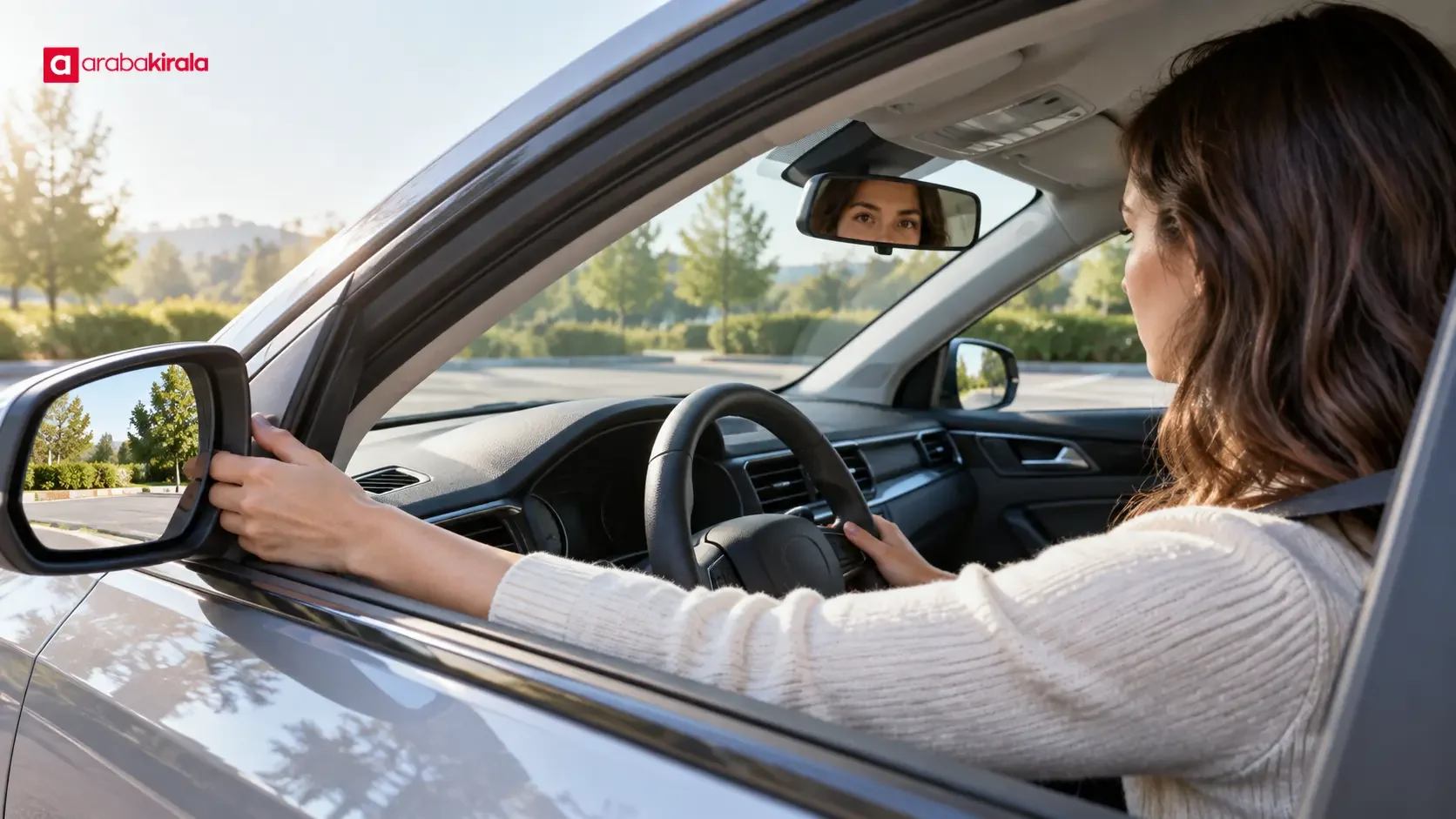
Rental car mirror adjustment is an important part of the brief preparation before you set off. The seat position, steering wheel distance, and mirror angles may differ from those in the car you normally drive. Trying to work out these differences while moving can distract you. Once seated, adjust the seat and steering wheel to fit your body, then set the rear-view and side mirrors from that driving position. This helps you monitor the road, nearby traffic, and the vehicle’s sides more consistently.
Set your seating position first
Mirrors show different areas when your seating position changes. Adjust the seat before setting the mirrors. Move the seat forward or back until you can reach the pedals comfortably. When you press the brake pedal, your knee should retain a slight bend rather than locking straight. This position gives your leg room to move and lets you apply pressure when needed.
Next, adjust the seat height so you can see the road through the windscreen and read the instrument panel comfortably. Leave comfortable space between your head and the roof. The seatback should support you without making you lean forward to reach the steering wheel. With your shoulders against the seatback, you should be able to reach the top of the wheel with your arms slightly bent. If you have to stretch to reach it, review the seat position or steering wheel adjustment.
Set the lumbar support and head restraint as part of the same process. Use lumbar support to follow the natural curve of your lower back. The top of the head restraint should be near the top of your head, with its back as close to your head as practical. Adjustment controls vary between vehicles, so avoid trying unfamiliar controls while driving. If needed, keep the car parked and check the relevant section of the owner’s manual.
Make the steering wheel and controls easy to reach
Position the steering wheel so you can hold it with both hands without lifting your shoulders from the seatback. It should not block your view of the road or instrument panel. Sitting too close can restrict your movement; sitting too far away can force you to overextend your arms. If the wheel adjusts for height or reach, make those changes after setting the seat. Check that the adjustment lever or locking mechanism is secured.
Before moving, locate basic controls such as the indicators, wipers, lights, and gear selector. Their location or operation may differ from what you are used to. Familiarity with the warning lights on the dashboard also helps you settle into the car. Make these checks while the vehicle is safely parked, so you do not need to take your attention from the road.
Set the interior mirror for a clear rear view
Adjust the interior rear-view mirror so you can see as much of the rear window as possible without noticeably turning your head or torso. The rear window should occupy the mirror’s central view; the roof lining or rear head restraints should not block most of it. Adjust the mirror while sitting in your normal driving position. If you change the seat afterward, check the mirror again.
A passenger or luggage in the rear seat can limit the view through the back window. Keep the view as open as practical when arranging belongings, and make sure loose items are secured so they do not move under braking. The interior mirror cannot show areas hidden from the rear window. When reversing, check your surroundings directly and use a camera or parking sensors, if fitted, as additional aids.
Position the side mirrors to reduce blind spots
Side mirrors help you monitor traffic behind and to either side of the vehicle. Adjust both mirrors while sitting normally in the driver’s seat. A small view of your own vehicle can serve as a reference, but if too much of the bodywork fills the mirror, it reduces the visible road area. Keep only enough of the vehicle in view to help orient yourself and use the remaining area to observe the road and traffic.
Angling the mirrors outward can help you notice vehicles in adjacent lanes sooner. However, no mirror shows every blind spot. Before changing lanes, signal, check the mirrors, and briefly look over your shoulder when it is safe to do so. This is especially useful in fast-moving traffic or where a vehicle may be alongside the rear quarter of your car. A mirror check does not mean you have seen everything around you.
Keep the left and right views balanced; a mirror pointed too far down or inward can make it harder to monitor one side. While parked, look at how fixed objects around the car appear in each mirror. This can help you understand the area each mirror covers, but it does not replace direct observation in traffic.
What order should you use to adjust a rental car?
A practical order is: position the seat for pedal access and forward visibility; set the seatback and head restraint; check the steering wheel’s height and reach; adjust the interior mirror to show the rear window; and finish with the side mirrors. This sequence lets you set the mirrors for your actual driving position. If you later move the seat or steering wheel, check the mirror angles again.
If the car is new to you, take a moment before starting the journey to complete the basic adjustments and locate the main controls. Check your surroundings where you collect the vehicle. If dirt, mist, or rain limits visibility, clean the windows and mirrors appropriately. Consult the owner’s manual if you are unsure about a cleaning method or a vehicle feature, and do not drive with visibility obstructed.
Run a quick visibility check before moving
Before setting off, check that you can see the road through the windscreen, most of the rear window in the interior mirror, and traffic on both sides in the side mirrors. Confirm that you can reach the pedals comfortably, hold the steering wheel with both hands, and operate the basic controls. If luggage, a head restraint, a dirty mirror, or misted glass limits your view, address it first. Keep the vehicle parked in a safe place while making adjustments.
If you notice a significant seat or mirror issue after the car is moving, do not try to adjust it while driving. Stop in a safe, permitted place and make the change there. Before a longer trip, it can also help to spend a short time driving slowly in a calm area to get used to the steering response, brake feel, and visibility. This is a chance to confirm that you are comfortable in the car before joining busier traffic.
Frequently asked questions
Should I see part of the car in the side mirror?
A small portion of the vehicle can provide a reference for its position. If the bodywork takes up much of the mirror, turn it slightly outward to see more of the adjacent road. The goal is not to eliminate every blind spot, but to make the mirror view useful and continue checking directly before manoeuvres.
Should each driver readjust the mirrors?
Yes. Drivers differ in height, posture, and seat position, so the previous driver’s setup may not suit you. Whenever you collect a vehicle, check the seat, steering wheel, and mirrors for your own view. If another person takes over during the trip, stop safely and readjust before they continue.
Can parking sensors or a reversing camera replace mirrors?
No. They provide additional information during manoeuvres; they do not replace mirrors or direct checks of the surroundings. Dirt, rain, or lighting can affect a camera’s view. Check the area before manoeuvring, move slowly, and stop to reassess if needed.
What if I cannot find the mirror control in a rental car?
Control locations and adjustment methods vary by vehicle model. While parked, consult the owner’s manual or ask the staff at the rental branch to show you how the mirrors are adjusted. Do not search for the control while driving.
Correct seating and rental car mirror adjustment help you prepare for a more comfortable, controlled drive. Adjusting the seat and steering wheel first, setting the mirrors from a normal driving position, and checking your surroundings before moving are useful habits. For vehicle-specific controls or details about your rental, contact the branch where you will collect the car.
Legal Disclaimer: All content, articles and information on the Araba Kirala website are provided solely to inform users. No information shared on this website constitutes definitive advice or guidance. Araba Kirala Teknoloji A.Ş. and its authors cannot be held responsible for any direct or indirect damages arising from the application of information on the website. For all questions and requests regarding car rental, please contact the office from which you will rent your vehicle.