Choosing a Rental Car Size for Your Route and Parking Conditions
Published: October 10, 2026 • Reading Time: 7 min • Last Updated: October 10, 2026
Match a rental car’s size to your daily route, parking spaces, passengers, and luggage with a practical planning guide.
Contents
- Start with your daily plan when choosing a rental car size
- Break the route into road types and stops
- Urban driving and frequent parking
- Long drives, rural routes, and road surfaces
- Think of parking as more than finding an empty bay
- Assess passenger and luggage needs separately
- How to interpret vehicle dimensions and class descriptions
- A short decision list before reserving
- Make a balanced choice and take the next step
- Frequently Asked Questions
Start with your daily plan when choosing a rental car size
Choosing a rental car size involves more than picking a vehicle class or counting passengers. Consider the roads you will use, where you will park, how many people will travel, and what they will carry. This guide explains how route and parking conditions relate to vehicle dimensions, how to think about luggage space, and which details are useful to clarify before making a reservation.
Vehicle size affects ease of use, visibility, manoeuvring, and the balance between passenger and luggage space. A smaller car can be easier to place on a narrow street or in a tight parking bay. A larger cabin may better suit passengers who need more room or a trip with substantial luggage. Neither choice is automatically right; the useful question is how the vehicle fits the actual journey.
Break the route into road types and stops
Do not assess a route only by its total distance. Frequent stops in a city centre, narrow streets, and curbside parking create a different pattern of use from a long stretch on a main road. Listing the types of roads and planned stops gives you a clearer idea of which vehicle characteristics matter most.
Urban driving and frequent parking
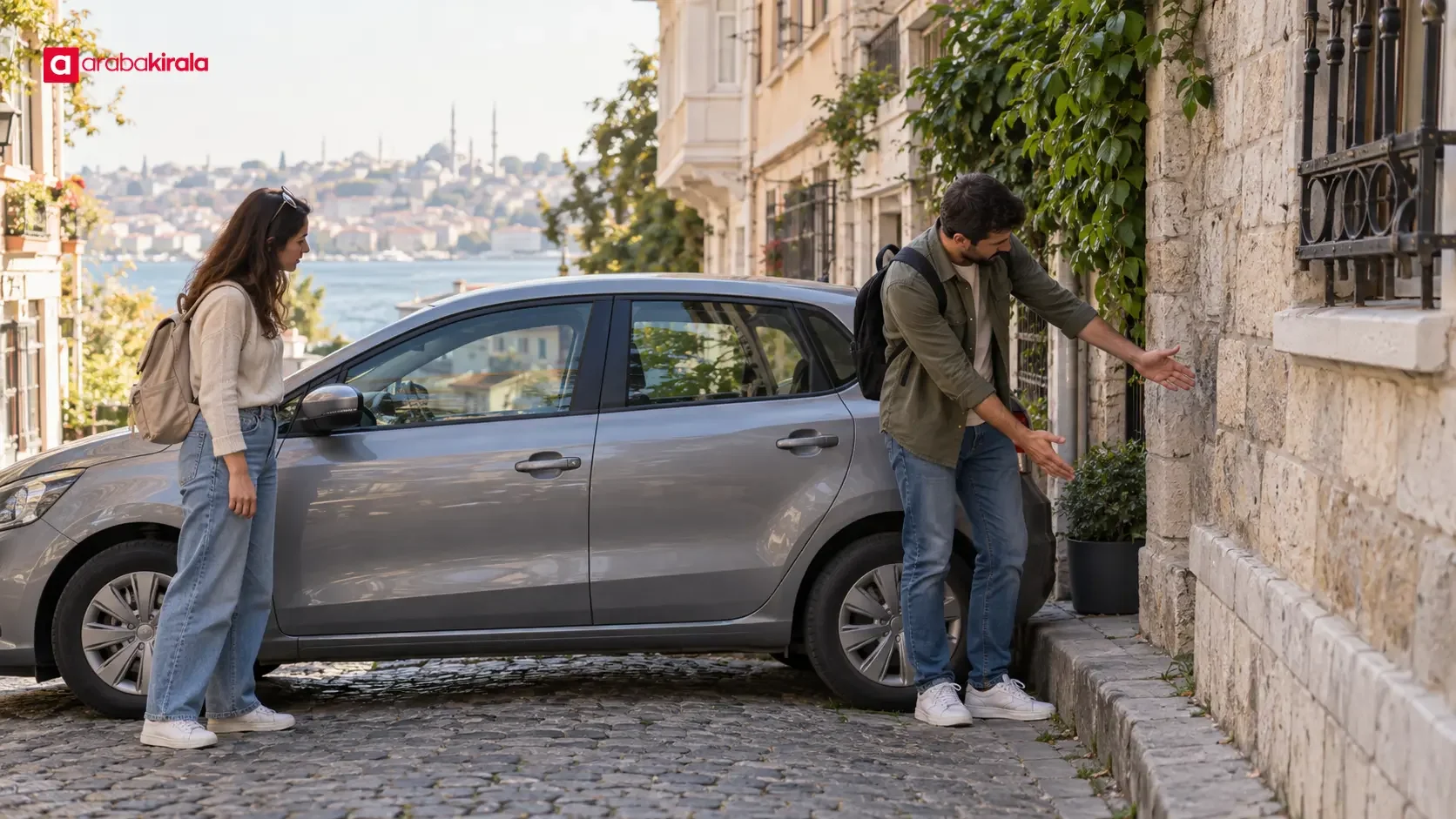
In dense areas, turning room, bay width, and restricted sightlines become important. A shorter vehicle may be easier to position in a tight space, though actual length and width vary by model. Include the dimensions of parking garages you expect to use, along with entrance height, ramp turns, and the space available beside parked vehicles.
Do not assume that any car described as compact will fit everywhere. Vehicles in the same class can differ in body dimensions, door clearance, turning circle, and visibility. If the exact model and dimensions are not known at reservation time, explain the parking constraints on your trip to the rental branch. Ask which available options and measurements are relevant to your needs.
Long drives, rural routes, and road surfaces
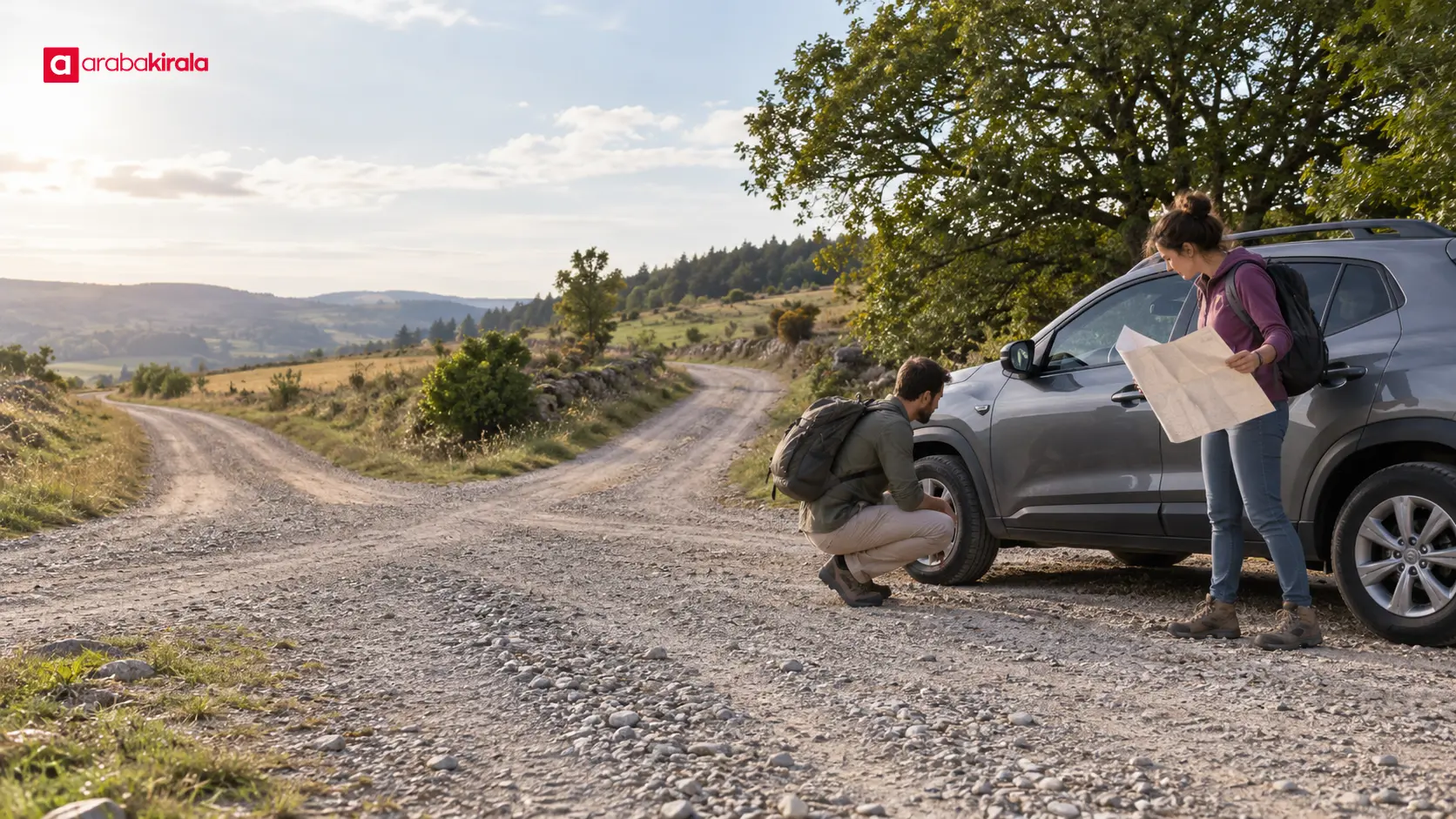
On longer drives, seat comfort, cabin room, and secure luggage placement can matter more over time. If a rural route includes unpaved or damaged sections, review the route surface and check whether the vehicle is suitable for the intended use. Size alone does not determine a vehicle’s ability to handle a road; ground clearance, tyres, and drivetrain characteristics vary by model.
A larger vehicle does not automatically solve uncertainty about the road. Confirm the intended route’s suitability and any model-specific technical details with the rental branch. On narrow, muddy, or loose-surface sections, adjust speed and following distance to conditions and avoid pushing the vehicle beyond its capabilities.
Think of parking as more than finding an empty bay
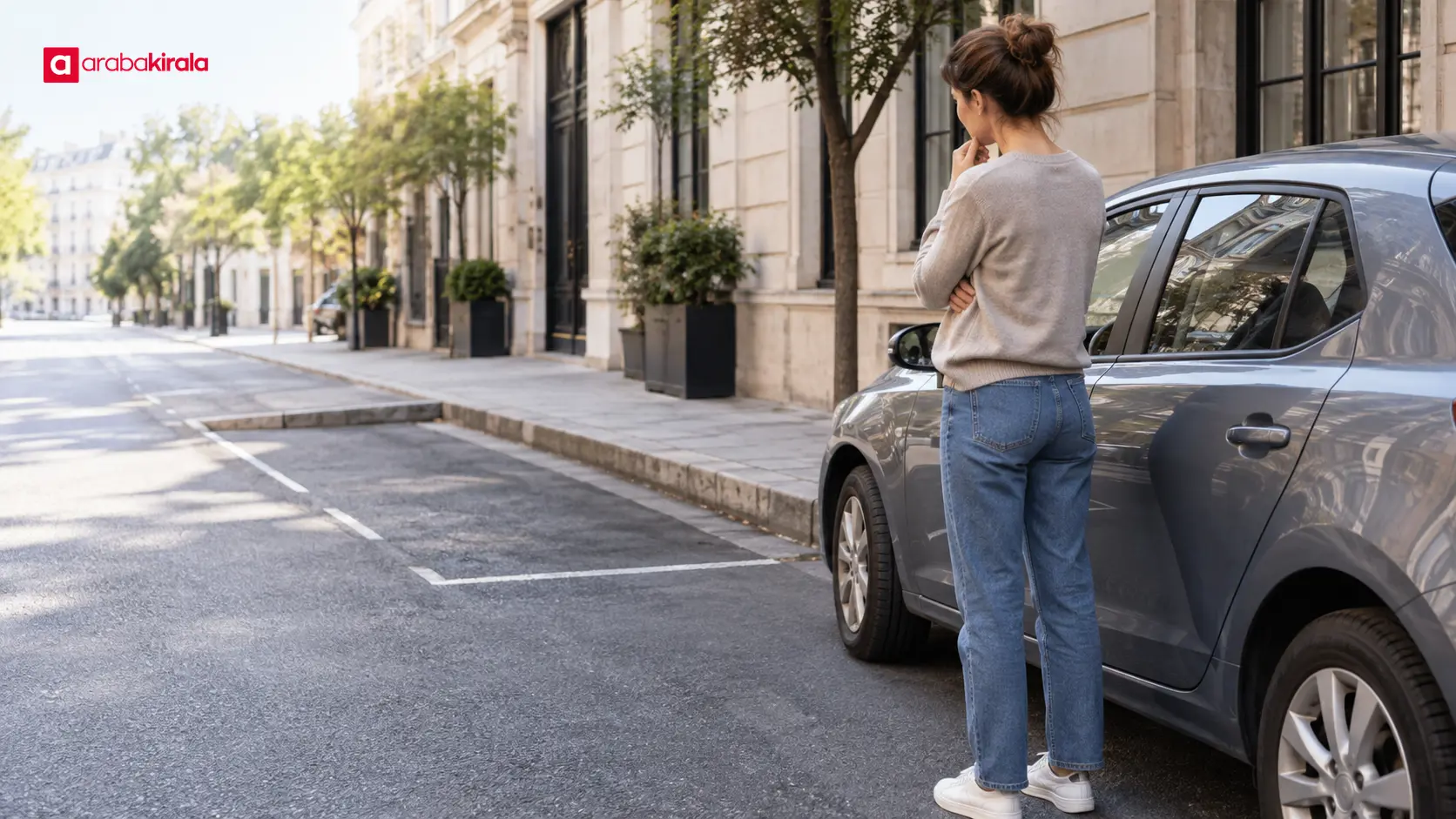
When judging a parking space, consider whether the car can fit and whether there is enough room to enter, exit, and manoeuvre safely. Adjacent vehicles, pillars, walls, and kerbs can limit door opening or turning room. For garages you use regularly, bay dimensions, ceiling clearance, and ramp steepness are concrete details that may affect your choice.
After pickup, take a moment to adjust the mirrors and learn the controls, especially if the model is unfamiliar. Check your surroundings before moving. A vehicle may have a rear camera or parking sensors, but these do not replace direct observation and attention. Inspect the actual vehicle rather than assuming particular equipment will be present.
Assess passenger and luggage needs separately
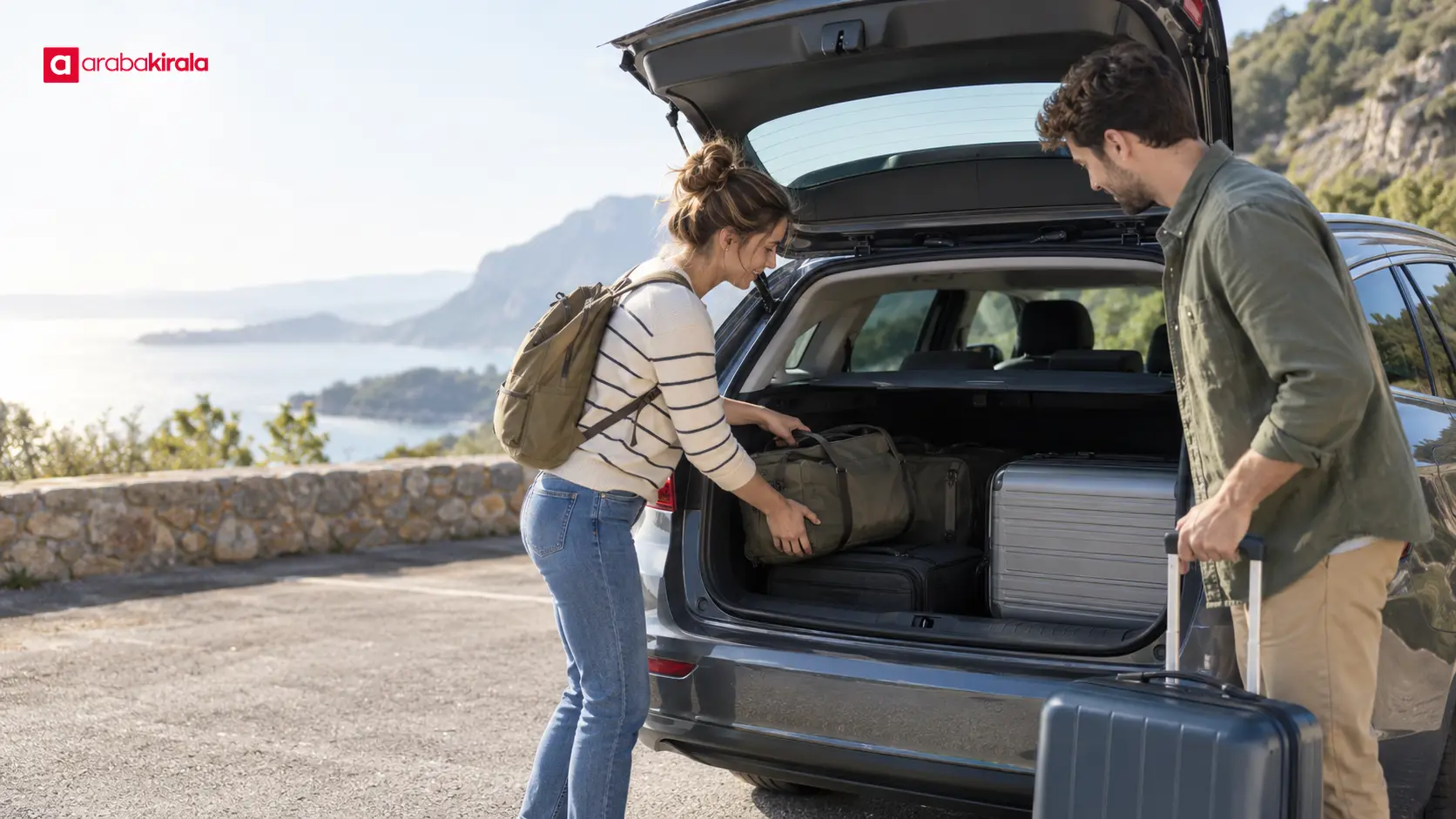
Seat count alone does not describe comfort. Also consider trip duration, child-seat needs, personal space, and items that will travel in the cabin. Luggage capacity may be listed in litres, but the shape of bags and the opening of the boot affect what fits. Two boot spaces with similar stated volume may work differently with large, rigid cases.
Make a simple luggage plan: count the pieces, estimate their size, and identify anything that needs to be secured. Folding rear seats may increase cargo space, but reduces passenger seating and may not suit the trip. Items should be placed so they do not move around while driving. Avoid stacking loads high enough to block the driver’s view through the rear window.
A larger class can make a full car more comfortable, yet increased length and width can change parking and manoeuvring needs. Balance the requirements: passengers should sit comfortably, luggage should fit, and the vehicle should work at the places where you expect to park. Contact the branch where you plan to rent to clarify luggage capacity and seating layout for available vehicles.
How to interpret vehicle dimensions and class descriptions
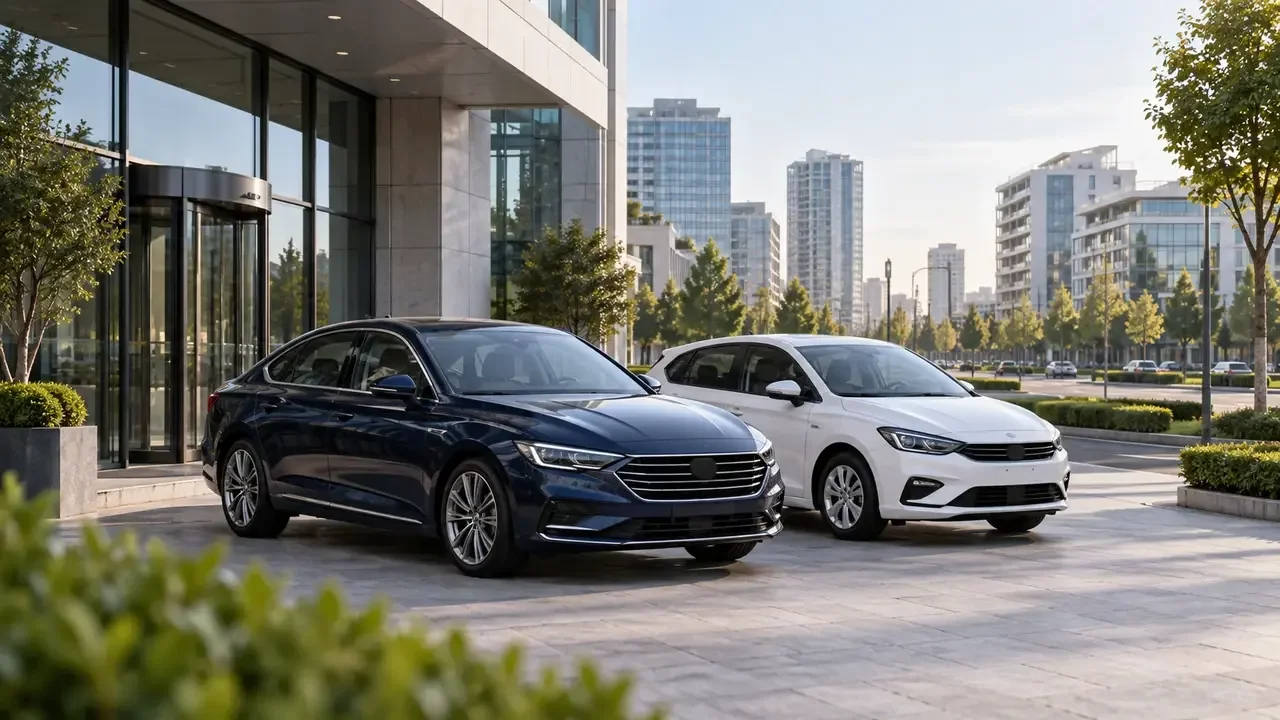
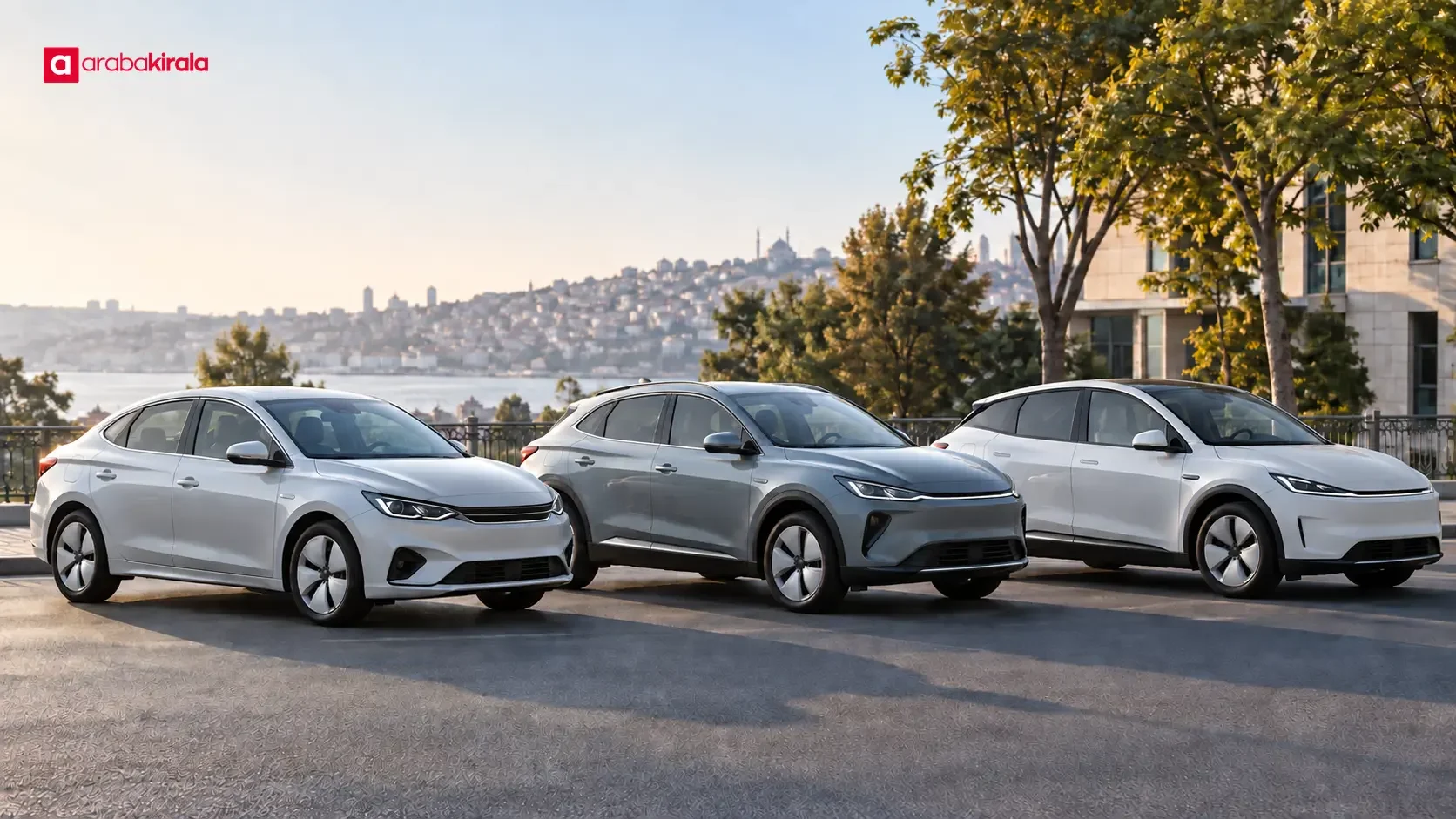
A class description is a starting point for choosing; it is not an exact measurement or a guarantee of a particular model. Length, width, and height serve different needs. Width and door clearance may matter in a narrow bay, while height can decide whether a car can enter a low-clearance garage. Boot capacity and rear-seat room cannot be inferred reliably from the exterior dimensions alone.
If a reservation page displays a class or example model, do not treat it as confirmation of the exact vehicle. If a particular model, feature, or measurement is essential, ask the rental branch before completing the reservation what can be supplied and what alternatives may be available. Focus on whether the dimensions and practical features you need are covered, rather than on the class name.
A short decision list before reserving
- Map the route: Note the approximate mix of city streets, main roads, rural sections, and frequent stops.
- Review parking points: Mark garages, narrow streets, or limited bays where vehicle dimensions matter.
- Count people and belongings: Include passenger numbers, luggage pieces, larger items, and the seating arrangement needed.
- Set priorities: Decide whether manoeuvrability, cabin comfort, luggage capacity, or road suitability is essential.
- Give the branch useful details: Share route and parking constraints, the dimensions you need, and any expectation about a specific model.
- Get familiar at pickup: Check the vehicle’s dimensions and equipment, and learn unfamiliar controls before setting off.
This list helps you choose based on actual use instead of relying only on a class label. Availability and the vehicle that can be supplied are reservation-specific details, so confirm them with the branch.
Make a balanced choice and take the next step
The suitable size is not necessarily the largest or smallest option. It is a vehicle you can manage on the daily route while carrying the passengers and luggage you need. Give manoeuvring and dimensions more weight where parking is tight; give seating and cargo layout more weight for long drives or a full cabin. If the route includes unusual road surfaces, check technical suitability as well as size.
Before reserving, write down the route, parking locations, passenger count, and luggage plan. Share those details with the rental branch and clarify the dimensions and practical features of available vehicles. This makes the choice responsive to real daily needs rather than an uncertain expectation based on a class name.
Frequently Asked Questions
What car size is best for driving in a city centre?
There is no single size that suits every city centre. Street width, parking bay dimensions, passenger numbers, and luggage all matter. If you regularly park in tight spaces, prioritise exterior dimensions and ease of manoeuvring; ask the branch when you need exact measurements.
Does a vehicle class mean I will receive a specific model?
A class description helps identify a group of vehicles, but does not by itself confirm a particular model. If the model or its dimensions are essential, ask the rental branch about availability and alternatives before making the reservation.
How can I judge luggage capacity accurately?
Consider the number and approximate dimensions of your bags alongside the number of passengers, rather than relying only on a litre figure. The boot opening and the shape of the luggage affect usable space. Tell the branch what you need and confirm which options can accommodate it.
Does a larger car always make parking more difficult?
Greater size can require more room to manoeuvre in tight spaces, but visibility, turning circle, and equipment also affect the experience. Compare the parking space with vehicle dimensions and check the features of the model you will use.
What should I consider if my route includes rough or rural roads?
Do not decide by size alone. Review the road surface and relevant technical characteristics, such as ground clearance, for the specific vehicle. Confirm suitability for the route with the rental branch and drive to the conditions.
What information should I give the branch before reserving?
Share passenger and luggage numbers, the types of roads on your daily route, parking constraints, and any important dimensions. State clearly if a specific model is essential. The branch can explain the available choices and the vehicle details that can be confirmed.
Legal Disclaimer: All content, articles and information on the Araba Kirala website are provided solely to inform users. No information shared on this website constitutes definitive advice or guidance. Araba Kirala Teknoloji A.Ş. and its authors cannot be held responsible for any direct or indirect damages arising from the application of information on the website. For all questions and requests regarding car rental, please contact the office from which you will rent your vehicle.