How Clean Windows and Mirrors Improve Visibility in a Rental Car
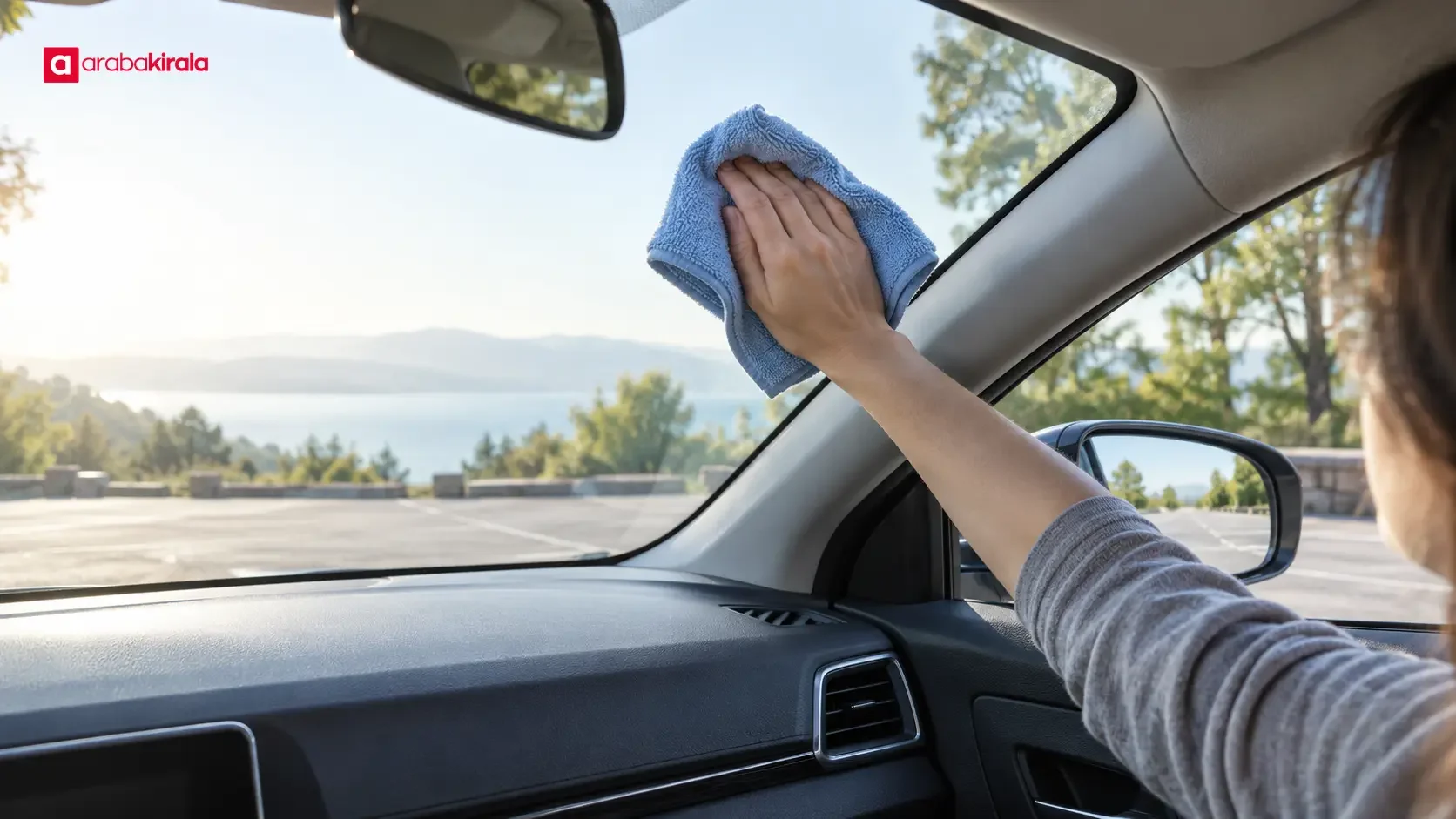
Visibility safety in a rental car depends in part on how clearly the driver can see through the windshield, rear window and mirrors. Dust, road film, water marks and interior fog can scatter light or obscure details. Dirt on a mirror can also make nearby and following traffic harder to assess. Checking these surfaces before setting off helps identify problems while the car is still parked.
Why clean glass and mirrors matter
Drivers gather information from more than the windshield. The windshield supports a view of the road ahead, side mirrors help monitor areas beside and behind the car, and the interior mirror shows traffic visible through the rear window. If one of these surfaces is dirty, it can take more effort to judge what is happening around the vehicle. At night, in rain or when sunlight reaches the glass at a low angle, smears and streaks may become especially noticeable.
Clean surfaces alone do not guarantee safe driving. Speed, following distance, weather, wiper condition and objects that block the field of view also matter. Cleaning is a practical part of preparation that helps a driver make better use of the available view.
What to check before leaving the pickup location
Once seated, adjust the mirrors to suit your normal driving position. Then inspect the inside and outside of the windshield, the side windows, rear window, side mirrors and interior mirror. Looking at the glass from outside may not reveal everything: an oily film on the inside can cause glare from headlights or low sun.
- Look for marks, fog, streaks or residue in the part of the windshield you use to see the road.
- Check that the side mirrors are clean and set for your seated position.
- Inspect both sides of the rear window for dust, water marks or fog that blocks the view.
- Notice whether the wipers leave broad streaks instead of clearing the glass; if visibility is impaired, contact the rental branch before driving.
- Check the washer-fluid indicator or reservoir where accessible, and learn the controls from the vehicle manual or dashboard symbols.
If you see damage, a crack or a persistent problem that affects the driver’s view, tell the branch where you are renting before beginning the trip. Procedures for inspecting or addressing a vehicle issue can depend on the location, so follow the guidance from that branch.
Basic steps for cleaning without streaks
The aim is to remove dirt rather than spread it across the glass. Rubbing a dusty or muddy surface with a dry cloth can scratch it. First remove loose dirt in an appropriate way, then wipe gently with a clean cloth suitable for glass. Choose a product that is intended for the surface and follow its instructions.
A clean microfiber cloth can help reduce lint and streaks. Use a fresh section when one side becomes dirty, and stop using a cloth once it is heavily soiled. Working in small sections makes missed spots easier to notice. A separate dry cloth can help remove remaining moisture and wiping marks. After cleaning, sit in the driver’s seat and check the view from your usual position and angles.
Applying a product to the cloth in accordance with its instructions can reduce splashes on nearby trim and controls. Screens, coatings and mirror surfaces may use different materials, so avoid abrasive materials or unsuitable solvents. If you are unsure how to clean a particular surface, ask the rental branch.
Dealing with fog, film and water marks
Fog on the inside of the glass
Fog is a thin layer of moisture on the glass and should be cleared before driving when it affects the field of view. The vehicle’s ventilation and climate controls may help reduce it. Check the defrost symbol and airflow direction, and use the system according to the vehicle manual. Wait until the glass is clear while the car is parked in a safe place. If you need to wipe moisture away, use a clean, dry cloth; a dirty one may leave a film.
Oily film and glare at night
An oily film can build up on the inside of glass and may be hard to notice in daylight, yet scatter light from headlights. If you see one, use a glass-appropriate cleaner and a clean cloth, then dry the surface. Check for residue from several angles. If the haze remains after careful cleaning, the cause may not be ordinary dirt; avoid aggressive rubbing and tell the branch.
Rain and exterior dirt
Road spray, mud and insect residue can quickly reduce visibility. When using the washer system, keep observing traffic and maintain a safe distance from the vehicle ahead. If the wipers fail to clear the glass, make noise or leave wide streaks, assess the problem after stopping safely. Running wipers over dry, dirty glass can make visibility worse. If the wipers need attention or another vehicle-related action is required, contact the branch instead of attempting a repair yourself.
How to check the side and interior mirrors
Correct adjustment matters as much as cleanliness. Set your seat and steering position first, then adjust the mirrors for the way you naturally sit while driving. The car should be parked and the surroundings safe while you adjust them. Water drops and dirt can distort the appearance of lights and vehicles; check the mirrors again after rain.
Mirrors do not show every part of the surrounding area. They provide useful information, but they do not replace direct observation when it is safe to do so. Before a lane change or maneuver, check mirrors, signal and observe your surroundings in a way suited to the road conditions. This helps you use the information from clean mirrors more effectively.
Habits that help maintain visibility during a trip
- Before moving, check the windshield, side windows and rear window; move objects that obstruct the view.
- If rain or road spray dirties the glass, do not try to clean it in a hurry while driving. Stop somewhere safe if needed.
- When fog appears, consider your speed and conditions in light of the available visibility; do not continue until the glass is clear.
- If sunlight makes streaks more visible, adjust speed and following distance to conditions and inspect the glass at a suitable stop.
- Recheck the glass and mirrors during a break on a longer trip, since road dirt can accumulate after the initial check.
Reaching for a cloth or wiping glass while the car is moving takes attention away from the road. If a visibility problem develops, stopping in a suitable safe place is a better approach than trying to deal with it while in motion. Avoid sudden actions that could put other traffic at risk if you cannot pull over immediately.
When to contact the rental branch
A crack, persistent mark or scratch that affects the view, a washer system that does not work, wipers that leave streaks, or a mirror that will not stay in position may need attention. Contact the branch where you rented the vehicle and ask what steps to follow, either at pickup or during the trip. Procedures can vary by vehicle and location; general guidance does not mean that a particular repair or service is available in every case.
Before leaving, you can learn how to operate the washer controls and how any cleaning supplies in the car should be used. If you do not know whether a product is suitable for the vehicle’s surfaces, ask the branch instead of using an unknown chemical. Routine cleaning is one matter; reporting vehicle damage or a fault is another.
Frequently asked questions
When should I clean the windows?
Clean them before setting off if dirt, fog or streaks obstruct the driver’s view. If visibility gets worse during a trip, stop safely before cleaning. Regular checks help you address buildup before it becomes a serious obstruction.
Can I use dry paper or clothing to wipe the glass?
If the material is dirty, rough or dusty, it may leave marks or spread grit across the surface. A clean, soft cloth suitable for glass is a better choice, after removing loose dirt first.
Do I still need to look directly if the mirrors are clean?
Mirrors provide useful information, but they do not show every area around a vehicle. Directly observing the surroundings when safe, and driving in line with traffic rules, remain important before a maneuver.
What if the glass keeps fogging up?
Use the ventilation and defrost controls as described in the vehicle manual, and wait for a clear view before moving. If the problem continues or a film remains after cleaning, contact the rental branch.
Clean windows and mirrors are a simple part of preparing to monitor the road and traffic around you. Check every surface from the driver’s seat at pickup, clean gently with suitable materials, and reassess visibility as weather and road conditions change.
Legal Disclaimer: All content, articles and information on the Araba Kirala website are provided solely to inform users. No information shared on this website constitutes definitive advice or guidance. Araba Kirala Teknoloji A.Ş. and its authors cannot be held responsible for any direct or indirect damages arising from the application of information on the website. For all questions and requests regarding car rental, please contact the office from which you will rent your vehicle.