Rize to Ayder by Car in Late Autumn: Route and Road Conditions
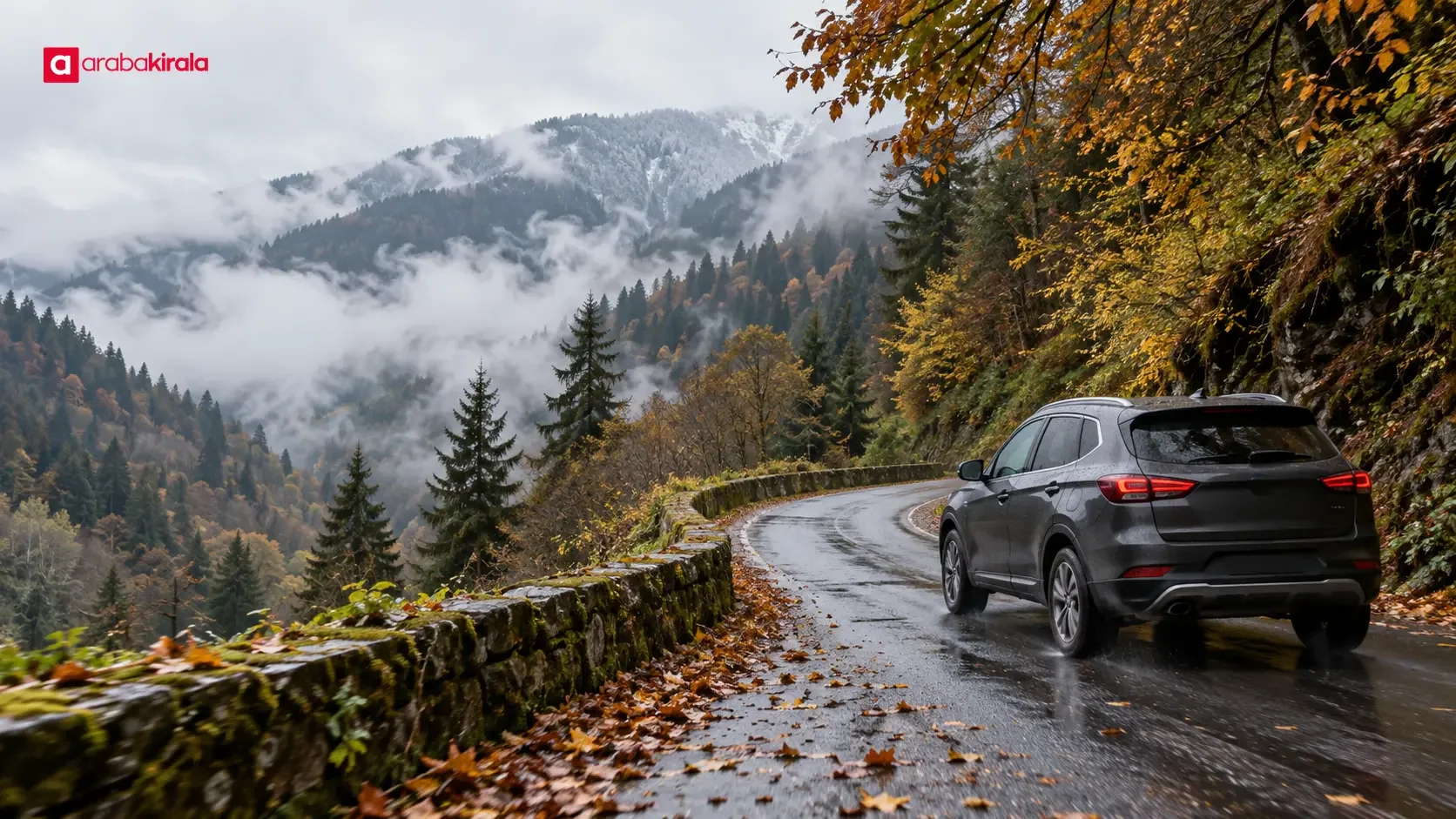
Planning an Ayder late autumn car route takes more than checking the distance on a map. Rain, fog, earlier darkness and changing conditions at higher elevations can affect both journey time and comfort. Before driving from Rize toward Ayder Plateau, consider the route, current weather and road information, the vehicle’s condition and your return timing together. Check distance and estimated travel time in a mapping app close to your travel date. Both can vary with your starting point, chosen route and conditions.
How to plan the Rize–Ayder route
Start by identifying your exact departure point. Leaving from a different neighbourhood in Rize, an airport or another district changes the total distance. You can review the route from Rize toward Çamlıhemşin and then Ayder in a map app, but do not choose an unfamiliar alternative just because navigation displays it. A route that appears shorter may not suit the day’s conditions, particularly in rain or reduced visibility.
Travel time shown by a map is an estimate. Breaks, traffic, roadworks, weather and poor visibility may add time. Leave room in your schedule instead of planning to arrive at the last possible minute. If your map app allows offline access, downloading the route can be useful; an offline map, however, does not replace current notices about closures or changing road conditions. Set up navigation before setting off in case mobile coverage becomes unreliable along parts of the way.
Consider road conditions, not just distance
Conditions can change over a short distance as you move from the coast toward higher ground. Rain in town does not rule out fog, colder weather or a different road surface farther up the route. Check current forecasts for points along the journey and the Ayder area, rather than relying only on a forecast for central Rize. Forecasts can change, so review them both before the trip and on the day of travel.
Before departure, check relevant official channels for roadworks, traffic restrictions, closures or severe weather notices along your route. If you cannot confirm the situation or it remains unclear, postponing or changing the plan may be more suitable. Even if the road appears open, adjust your speed to conditions that reduce visibility or grip, such as dense fog or standing water. If you cannot see well enough to drive safely, stop in a safe place and wait for conditions to improve.
Before setting off in late autumn
Factor in daylight and weather
Late autumn days are shorter than summer days. Bends, shaded stretches and fog can make a mountain drive more demanding after dark. When possible, plan your departure so that you cover more challenging parts of the route in daylight. Plan the return with sunset, the forecast and road conditions in mind as well. If you run late, allow for a safe break and a flexible schedule instead of rushing.
If the forecast indicates rain, strong winds, frost or possible snow, do not base the decision solely on the vehicle type or the fact that navigation has plotted a route. Consider whether the vehicle and its tyres are suitable for the season. If you are unsure about the condition of the tyres or vehicle, arrange a check before departure. Increasing your following distance and avoiding abrupt steering, braking or acceleration can help you stay in control on cold or wet roads.
Check the vehicle and essentials
Before travelling, review the fuel or charge level, windscreen wipers, lights and tyres. Make sure the ventilation works and the windscreen is clean; fogging can quickly reduce visibility. Charge your phone and set up the navigation you plan to use. Keep water, weather-appropriate clothing and personal essentials within reach. These steps do not remove road hazards, but they can help you prepare for the journey.
Questions to ask your rental branch
Contact the branch where you will collect the vehicle and clarify questions about the planned route and the specific vehicle. Do not assume a particular vehicle will suit every road or weather condition. Ask about the vehicle’s current tyres and equipment, what features are available for winter conditions and how to contact roadside assistance. Also ask how fuel or charging is handled at collection and return, how mileage is treated for your planned trip, and whom to contact if you are delayed. Answers may differ by branch and vehicle, so confirm the details before collection.
When collecting the vehicle, review existing marks, damage and warning indicators with branch staff, and check the handover record. Read the documents covering use, insurance and roadside assistance to understand how different situations are addressed. Ask about any unclear points before you leave. These are general preparation steps; get vehicle and service details directly from the branch you will use.
Safer driving on mountain roads
- Reduce speed before bends; avoid sudden braking or sharp steering while turning.
- Increase following distance in rain and watch for standing water on the road.
- Use fog lights only as permitted by visibility conditions and the vehicle manual. If visibility is inadequate, stop somewhere safe.
- Allow for oncoming traffic on narrow or low-visibility sections. Stay in your lane and avoid risky overtaking.
- Take a break or postpone the trip if you feel tired, distracted or conditions worsen.
If you want to take photographs or enjoy the scenery, choose a place where stopping is appropriate and does not put other road users at risk. Not every roadside opening is a safe parking area. Do not try to take pictures while driving or wait where the road narrows.
Plan your time in Ayder and the return
Once you arrive, shape the rest of your day around the weather and available daylight. Even a trip that looks short on a map can be tiring because of mountain-road pace, breaks and changing weather. Do not assume the return route will have the same conditions as the outward journey. Recheck weather and road notices before leaving. If visibility worsens or rain becomes heavier, you may need to return earlier, wait for safer conditions or reconsider your overnight arrangements.
Parking and opening arrangements around Ayder can vary by season. If you have plans to visit a business or stay overnight, ask the relevant venue for current access and parking information. Do not assume a particular parking area, road or service will be available. Local conditions, weather and visitor levels may affect your plans, so keep your schedule flexible.
Frequently asked questions
How far is Ayder from Rize, and how long does the drive take?
Distance and travel time depend on your departure point in Rize and the route you choose. Check an up-to-date map estimate close to your travel date. Rain, traffic, roadworks and breaks can extend the journey, so do not treat the estimate as a guaranteed arrival time.
Is there snow on the Ayder road in late autumn?
Weather and road conditions vary with the date and elevation, so the season alone cannot establish whether there will be snow. Check current forecasts and official road notices before travelling. If conditions are uncertain or unsuitable, consider postponing your trip.
Do I need a particular type of vehicle to drive to the plateau?
There is no reliable answer that applies to every set of conditions. Check the current road situation and forecast, and ask your rental branch about the specific vehicle. Vehicle type alone does not guarantee a safe journey.
What should I ask before driving a rental car to Ayder?
Ask whether the planned route is suitable for the vehicle, what tyres and equipment the vehicle has, how to contact roadside assistance and how mileage is handled. Clarify what steps to take if you are delayed or conditions change. Details may differ by vehicle and branch.
Final checks before departure
For the Rize–Ayder drive, check the distance and estimated time, review current weather and road information along the route, prepare the vehicle and your personal essentials, and leave flexible time for the return. Good planning does not control the weather or road conditions, so be ready to change your plans if conditions shift. If you are renting, confirm vehicle and service details directly with the branch where you will collect it.
For informational purposes only. Please contact the branch where you plan to rent for detailed information.