
Spring in Pamukkale: Walking, Sun Protection and a Day Plan
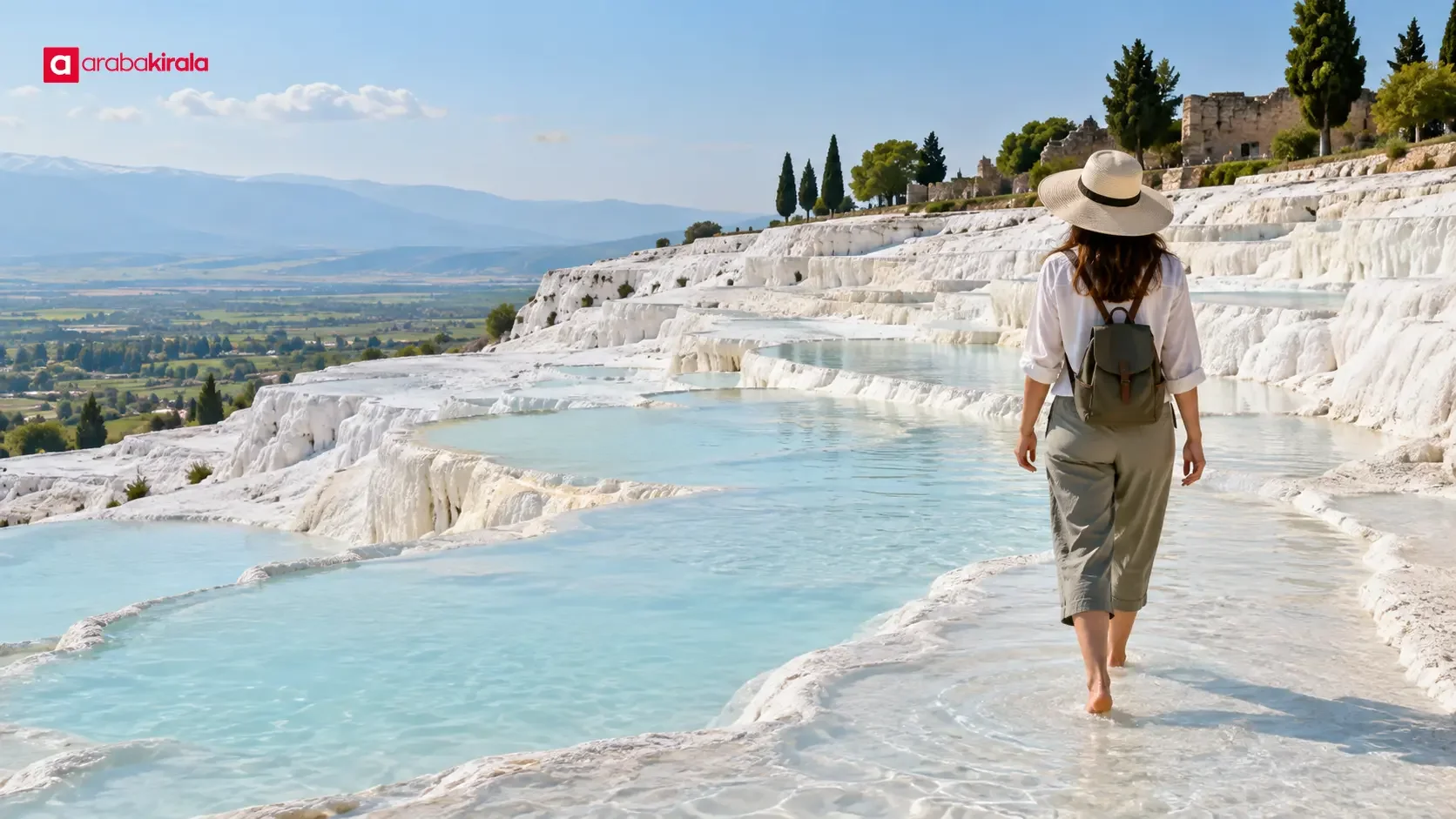
A spring trip to Pamukkale calls for a little planning if you want to see the travertines and the archaeological remains of Hierapolis at a comfortable pace. Conditions can change over the course of a day: mornings may feel cool, while exposed paths can become sunny and warm. Plan around the amount of walking you expect to do, the time you want to spend outdoors and the things you will need within reach. This guide offers practical preparation advice without assuming a particular opening schedule or site rule. Check current official visitor information before travelling.
How to plan a spring visit to Pamukkale
Start by deciding what matters most to you. You might focus on the travertines, explore Hierapolis, or include both in one visit. The area is extensive, and trying to rush through every point can make the day tiring. Allow time for walking, stopping to look around, taking photographs and resting. Your route will depend on the entrance you use, the current visitor arrangements and your own interests, so review an official map or visitor notice before setting out.
There is no single best start time for everyone. Cooler morning conditions can make walking more comfortable, while the weather and crowd levels on the day also shape the experience. Check the forecast close to your visit and build in flexibility. If you plan another stop nearby, estimate travel time separately rather than shortening your time at the site too much. A realistic schedule includes breaks, water and time to move between areas, not only a list of places to see.
Walking on the travertines
Travertines are natural formations, and visitor movement may be limited to designated routes to protect them. Follow signs and barriers, stay on the permitted path and do not enter closed or protected sections. Wet surfaces can be slippery, so take short, steady steps and avoid running. Keep your attention on the route when taking photographs. If you feel tired or unsteady, pause somewhere that does not block other visitors.
Footwear requirements and visitor flow can depend on the route and the rules in force on the day. Check current official guidance and follow signs at the site. Walking shoes that are easy to manage can be useful for the broader visit, but do not assume that one footwear practice applies everywhere. A light bag can help you keep your balance and make it easier to move safely.
Choosing a comfortable walking pace
There is no need to cover the route without stopping. Short breaks give you time to rest and take in the surroundings. When you stop for a photograph, leave room for other visitors to pass. If you are travelling with children, keep them within sight and pay close attention where the surface changes. Visitors with limited mobility should check in advance which routes and facilities are accessible; conditions may differ across the site.
Sun protection and changing spring weather
Cool air does not prevent sun exposure during a long visit outdoors. A brimmed hat, sunglasses and light clothing that covers the skin can make the walk more comfortable. If you use sunscreen, follow the product label and consider reapplying according to its directions and the conditions. No product or item guarantees a particular level of protection in every situation. Taking a short break in shade when available can also help.
Carry a light extra layer for cooler mornings or evenings. Wind, cloud and rain can affect the walk, so check the forecast on the day. If rain is expected, take extra care on slippery surfaces and be ready to shorten the outdoor portion of your plan. Choose any rain gear with the walking route in mind; bulky equipment can make movement harder in busy areas. If conditions deteriorate, rest in a sheltered place or adjust your itinerary.
What to bring
- Water: Carry water where you can reach it during the walk. The amount you need depends on the weather, pace and personal needs; take breaks and drink regularly.
- Comfortable clothing: Choose clothes that allow easy movement and can be layered if conditions change.
- Sun protection: Keep a hat and sunglasses accessible rather than buried in your bag.
- A light bag: Bring essentials without carrying unnecessary weight or leaving your hands occupied.
- Phone and charge: A charged phone is useful for maps, photos and visitor information. Do not assume that mobile coverage is consistent across the site.
- Personal essentials: Prepare any regular medication or other items you need before leaving.
Check current site guidance on food and drink before packing them. Take rubbish with you or use appropriate waste points; do not leave it in natural or archaeological areas. Avoid touching the travertines, removing material or stepping beyond the marked route. These simple habits help protect the site for other visitors.
Planning time for the travertines and Hierapolis
If you want to see both areas, look at the visitor map and route information to understand how much walking is involved. The best order depends on the entrance you use, the arrangements on the day and your interests. When walking among the archaeological remains at Hierapolis, expect uneven ground in places. Stone paths, steps and open areas may not be equally comfortable for every visitor. Take your time and include rest breaks in the plan.
Leave room for a meal and a pause as well as sightseeing. Do not rely on assumptions about where food or drink facilities are located or when they operate; check current visitor information. Think about your return journey before you arrive. If you are travelling in a rental car, ask the branch you will rent from about the details relevant to your booking, such as collection, return, route or parking arrangements. Do not assume a general rule covers a specific location or time.
Photography and caring for the site
The appearance of the travertines changes with light and weather. Stay on the permitted route when taking photographs; do not approach natural surfaces or archaeological remains to improve a frame. Respect other visitors’ privacy, and choose a place that does not obstruct the path if you need to stop. If you plan to use a drone or similar equipment, check the current official rules and permissions rather than assuming it is allowed.
Frequently asked questions
How many hours should I allow for Pamukkale in spring?
It depends on which parts you want to see, your walking pace, how often you rest and the visitor arrangements in effect that day. Instead of setting a tight time limit, review the visitor map and leave flexible time for both the travertines and Hierapolis. If you have another destination afterwards, allow separately for the journey.
What is the weather like in Pamukkale in spring?
Conditions vary by date and time. A cool morning, sunny afternoon or windy day are all possible, so avoid planning around a fixed expectation. Check the forecast for your visit and use layers. A hat and sunglasses are useful even when the air feels mild.
Do visitors have to walk barefoot on the travertines?
Footwear arrangements depend on the route and current site rules. Check official visitor guidance and follow signs when you arrive. Surfaces may be slippery, so move carefully and do not rush to keep up with others.
What should I consider when visiting with children?
Allow for children’s walking pace and need for breaks. Help them stay hydrated and protected from the sun, and follow route signs together. Keep a close eye on them where the ground is uneven. Check in advance whether the route is suitable for a stroller or any mobility equipment you plan to use.
Should I cancel if rain is forecast?
There is no universal answer. Rain intensity, site notices, surface conditions and your mobility all matter. Check official updates. If walking on wet surfaces would not be safe for you, consider reducing time outdoors or rescheduling.
A final preparation check
Before leaving, review official information about visiting hours and access, check the forecast and pack a light bag suited to walking. Following marked routes, watching your footing and taking breaks can make the visit more comfortable and safer. Not every detail can be settled in advance, so a flexible plan gives you room to experience Pamukkale’s natural and historical features without rushing.
Legal Disclaimer: All content, articles and information on the Araba Kirala website are provided solely to inform users. No information shared on this website constitutes definitive advice or guidance. Araba Kirala Teknoloji A.Ş. and its authors cannot be held responsible for any direct or indirect damages arising from the application of information on the website. For all questions and requests regarding car rental, please contact the office from which you will rent your vehicle.