
How the Steering Column and Electric Power Steering Work
Published: October 19, 2026 • Reading Time: 7 min • Last Updated: October 19, 2026
Learn how the steering column, steering gear and electric assist work together, what changes may need attention, and what to check when collecting a rental car.
Contents
- How steering movement reaches the wheels
- The column's role in position and safety
- What electric power steering does
- How it differs from hydraulic assistance
- Changes in steering feel to notice
- Practical checks when collecting a rental car
- What to do if steering feels wrong
- Summary and next step
- Frequently Asked Questions
Electric power steering reduces the effort needed to turn the steering wheel, while the steering column carries that movement to the mechanisms that turn the wheels. This guide explains how the main parts work together, how electric assist differs from hydraulic assistance, and which changes in steering feel deserve attention. It also covers straightforward checks when collecting a rental car and the branch-specific details to clarify before setting off.

How steering movement reaches the wheels
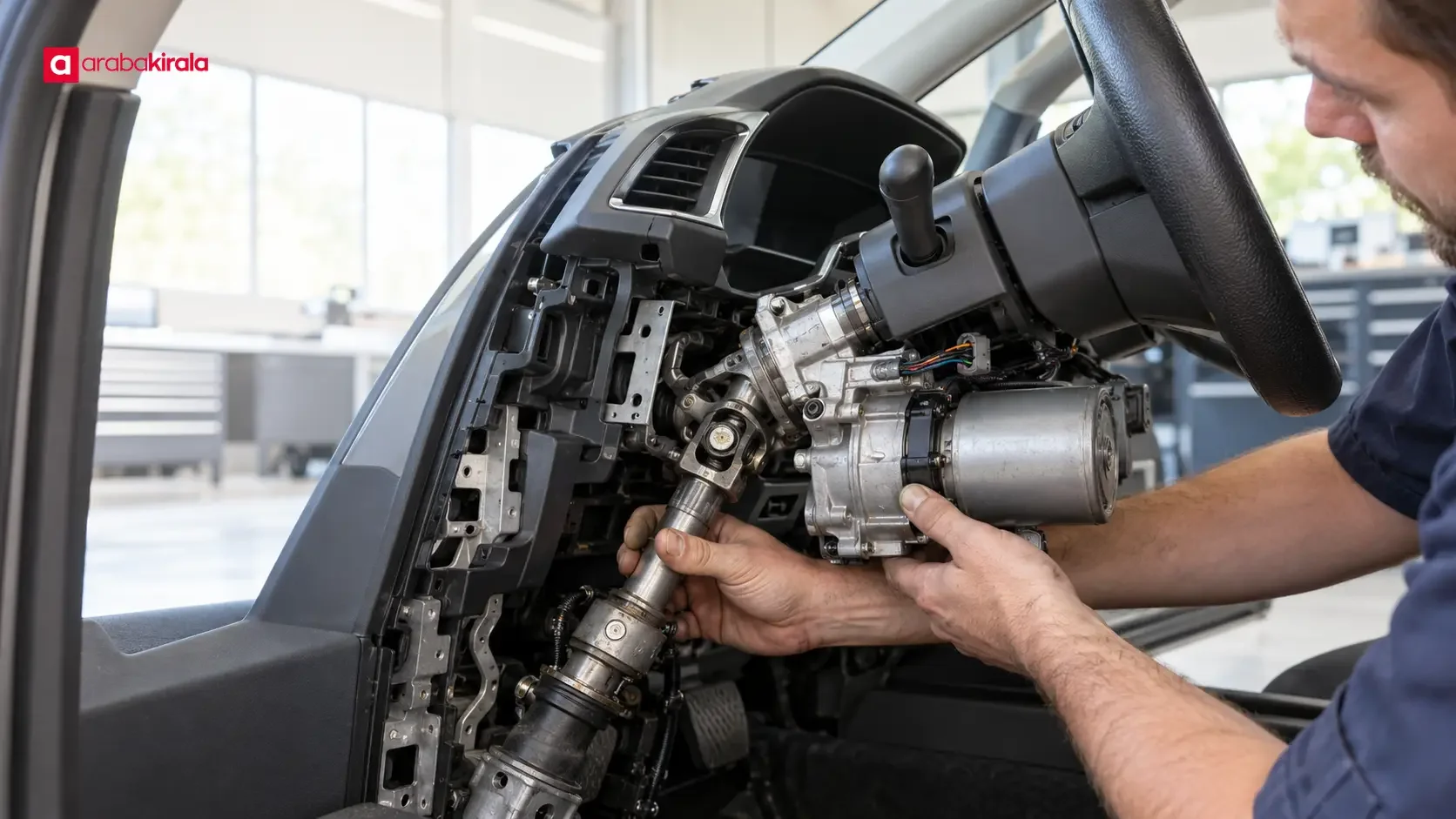
When a driver turns the steering wheel, the movement first passes through the steering column. The column connects the wheel to the mechanism below and transfers its rotation through a shaft and associated joints. Its design varies by vehicle. Some cars provide adjustment for reach or angle, helping the driver find a comfortable position. An adjustable column by itself does not indicate that the steering system is in good condition.
From the column, movement reaches the steering gear, which may include a rack-and-pinion arrangement. That gear converts rotation into a side-to-side movement. Linkages and joints carry the movement to the wheels; as the front wheels change direction, the car's path changes. The layout, dimensions and placement of assist components depend on the vehicle design.
The column's role in position and safety
A steering column is more than a simple shaft. Depending on the design, it can include joints, mounting points and other support components. Some columns are designed to move in a controlled way during a collision as part of the vehicle's safety structure. That is why drivers should not loosen, remove or adjust internal column parts. If the wheel has unusual play, catches, or makes a new noise, stop in a safe place and seek professional help rather than forcing it.
What electric power steering does
In electric power steering, an electric motor supplies assistance to make steering easier. Sensors can detect the direction and rate of steering input; a control unit uses this information, along with other signals depending on the vehicle, to regulate the motor's assistance. The amount of help can vary with driving conditions and the system selected by the manufacturer. One noticeable benefit is reduced effort during low-speed manoeuvres.
The motor may be mounted on the column, on the steering gear, or in another location. So the term “electric steering” does not mean every vehicle uses the same component layout. The system also works alongside other electrical and control components, which means a warning light or sudden change in steering effort cannot be diagnosed reliably from feel alone.
How it differs from hydraulic assistance
Hydraulic power steering uses pressurised fluid to provide assistance; an electric system uses a motor for that task. The two designs work differently and have different maintenance needs. An electric system may not use hydraulic fluid, but that does not mean it needs no maintenance or cannot develop a fault. The vehicle's manual and a qualified inspection are more useful for understanding a particular car than broad assumptions about the technology.
Electric assistance also does not mean the wheel will always feel light. When the car is switched off, the system is not active, or a fault occurs, steering may feel heavier. Normal steering effort depends on the model, so consult its manual. If assistance changes while driving, avoid abrupt steering inputs, reduce speed smoothly and move to a safe stopping place while watching surrounding traffic.
Changes in steering feel to notice
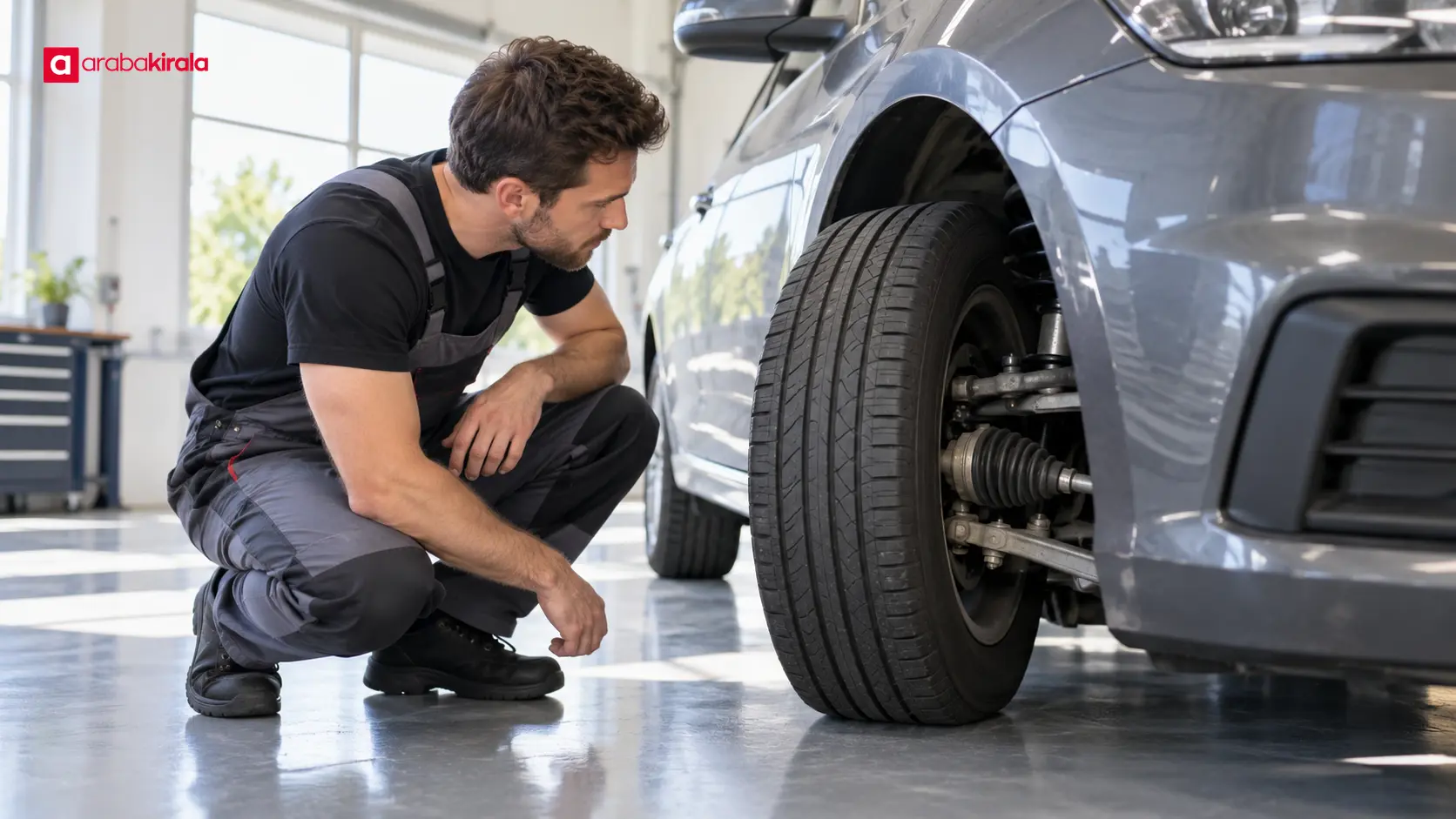
Suddenly heavier steering, catching during a turn, clear vibration at the wheel, a car pulling to one side on a straight road, or a new knocking sound near the column may warrant inspection. These signs can have different causes. Tyre pressure, road surface and front suspension components, for example, can also affect how the car feels. A single symptom is not enough to conclude that electric assist is the source.
Pay attention to a steering-wheel warning symbol on the instrument panel or a steering-system message on the display. Its meaning depends on the vehicle, so follow the explanation in the manual. If a red warning appears, steering becomes heavy, or control is affected, stop safely and seek assistance instead of continuing. Even if a warning disappears by itself, report it if it returns.
- Notice whether the wheel turns smoothly and consistently through a turn.
- Watch for unusual play, catching or a new sound at the wheel.
- Check warning symbols and messages on the instrument panel.
- Do not open the bonnet or handle electrical connections or steering parts in an unsafe location.
Practical checks when collecting a rental car
At pickup, check the steering and instrument panel while the car is stationary and in a safe condition. If the wheel has a position adjustment, make sure it stays locked after adjustment, following the vehicle manual. Some warning lights may briefly appear when the ignition is switched on; the manual explains which behaviour is expected. If a warning stays on or the steering feels unexpectedly heavy, tell the pickup staff before driving away.
Documenting the vehicle's condition in line with the handover process helps clarify what was already present. If you notice damage to the wheel, a loose column cover, an unusual sound or a dashboard warning, record it with the staff member. The branch's responsible team should assess whether the vehicle is fit to use.
Details such as returning a car outside the pickup location, key handover, roadside assistance or fault reporting can depend on the reservation and branch. Before collecting the car, ask the branch you will rent from whom to contact and what steps to take if a problem means you should stop driving. You can also compare recorded mileage at pickup and return with your own notes; this is a record-keeping check, not an assumption about any mileage allowance.
What to do if steering feels wrong
If steering response changes suddenly, reduce speed smoothly, leave a safe gap and pull over at a suitable place. Do not force the wheel or try to remove parts beside traffic. If a warning appears, note its message and the symptom you noticed. Once the vehicle is safely stopped, contact the rental branch or the roadside assistance channel provided to you and follow its instructions.
Do not ignore a warning, noise or pulling that keeps returning just because the wheel still feels normal. If the issue could affect safe control, wait for guidance before moving the vehicle again. Describe what you observed rather than guessing at the cause.
Summary and next step
The steering column transfers wheel movement to the steering gear, and an electric motor helps reduce the effort needed to steer. Component layouts differ by model, and a symptom alone does not identify a fault. When collecting a rental car, check the warning panel and steering feel, and record any concern with the pickup staff. Before leaving, confirm the branch's contact and reporting steps in case the steering system needs attention.

Frequently Asked Questions
Does electric power steering work when the engine is off?
How the system activates depends on the vehicle design. When the engine or vehicle system is off, electric assistance may be unavailable and the wheel may feel heavier. Do not try to turn the wheel forcefully while the car is stationary; consult the vehicle manual.
How can I tell if electric power steering may have a fault?
Suddenly heavy steering, catching, new noises or a warning message are signs that need attention. Other vehicle components can cause similar symptoms, so they do not confirm an electric-assist fault. A qualified inspection is needed for a diagnosis.
Does vibration in the steering wheel mean the electric assist has failed?
Not necessarily. Whether vibration changes with speed, braking, road surface or turning can help describe the issue, but it does not establish a diagnosis. If the vibration is new, strong or affects control, stop somewhere safe and ask for help.
What should I do if a steering warning appears in a rental car?
Check the vehicle manual and note the warning colour and any display message. If steering becomes heavy or control is affected, stop safely and contact the branch or the assistance channel provided. Report a recurring warning even if the car seems to steer normally.
Can I adjust the steering column when I collect the car?
If the vehicle has an adjustment, use the locking and adjustment method described in its manual. Make the adjustment while stationary and check that the wheel is secured afterward. Ask the pickup staff for help if the control is unclear or the column will not lock.
Legal Disclaimer: All content, articles and information on the Araba Kirala website are provided solely to inform users. No information shared on this website constitutes definitive advice or guidance. Araba Kirala Teknoloji A.Ş. and its authors cannot be held responsible for any direct or indirect damages arising from the application of information on the website. For all questions and requests regarding car rental, please contact the office from which you will rent your vehicle.












